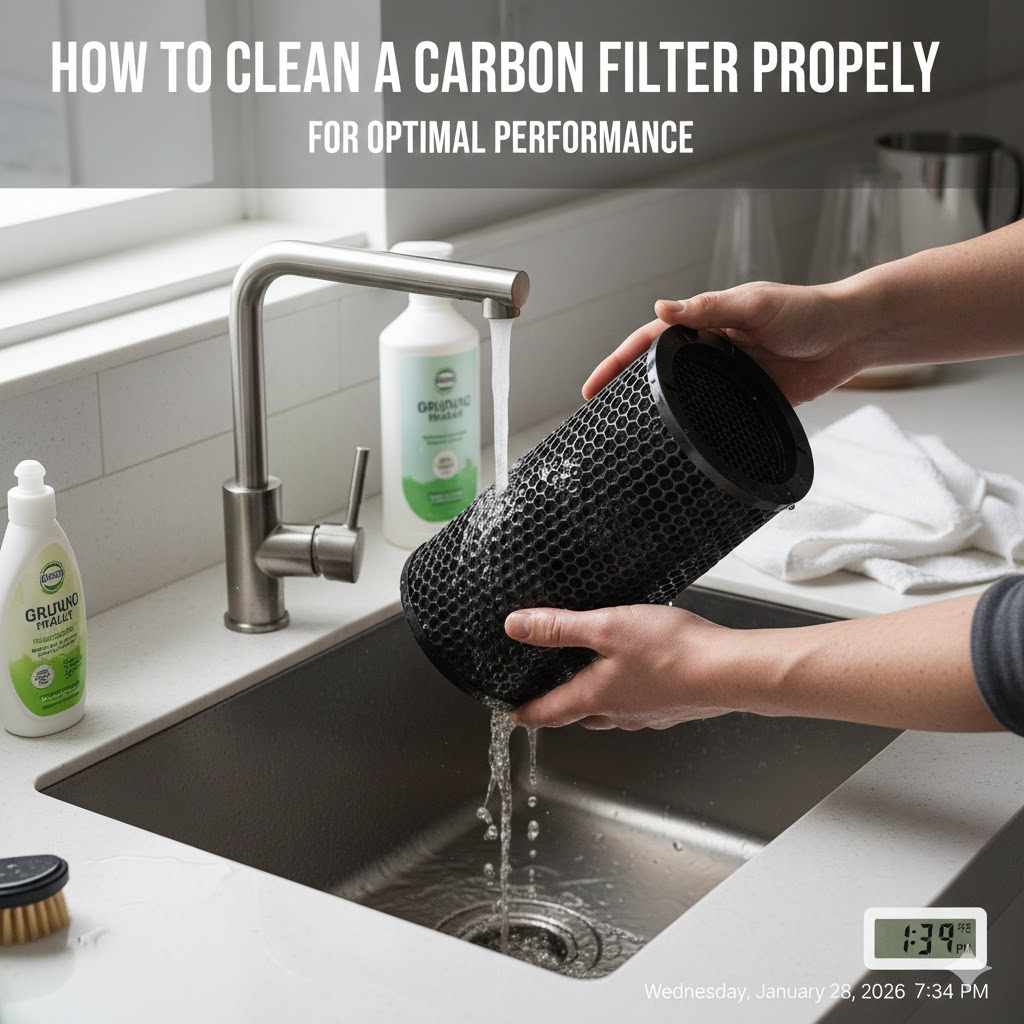
How to Clean a Carbon Filter Properly for Optimal Performance
Cleaning a carbon filter can seem tricky at first, especially if you’re new to it. Many people find it a bit confusing because they aren’t sure where to start. Don’t worry, though! It’s actually a straightforward process that anyone can do. This post will walk you through How to Clean a Carbon Filter Properly, step by step, so you can keep your air clean and fresh. Let’s get started and make this easy!
What is a Carbon Filter and Why Clean It?
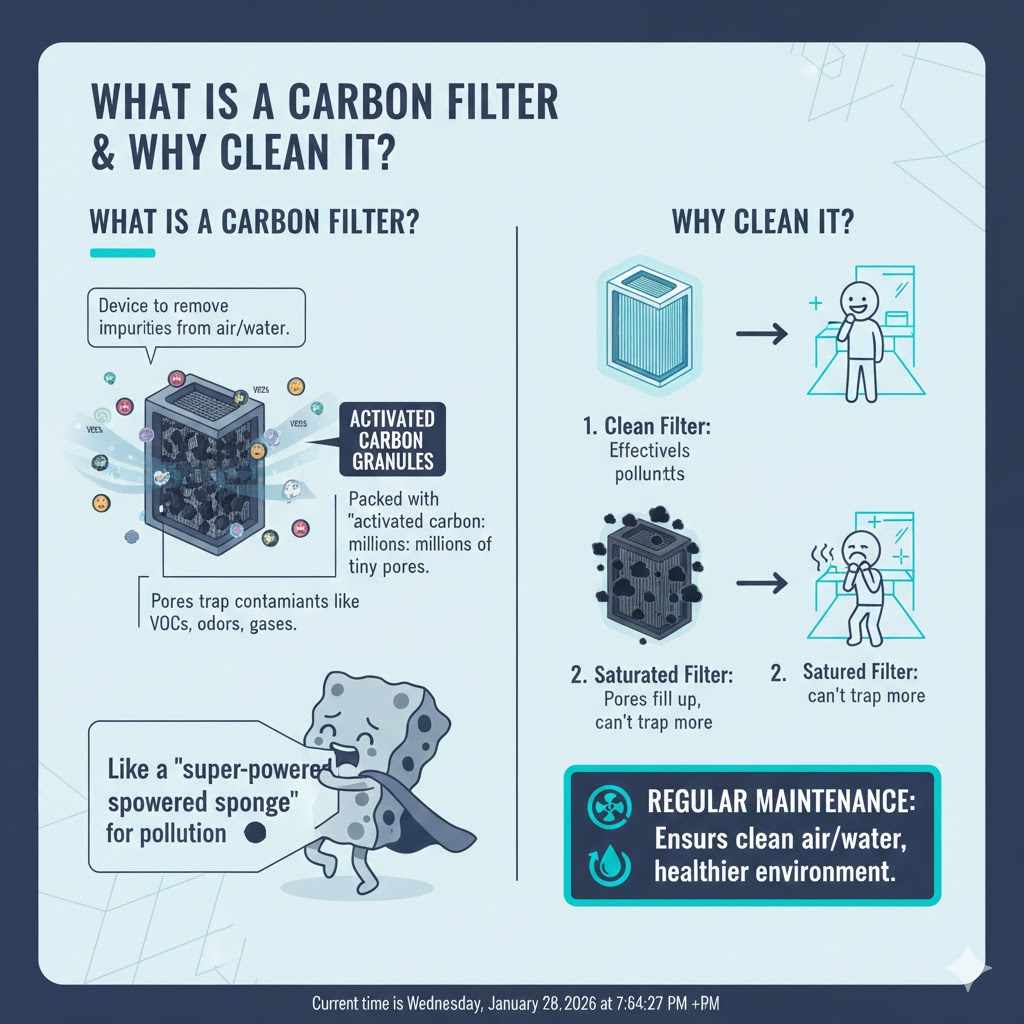
A carbon filter, also known as an activated carbon filter, is a device used to remove impurities from air or water. It’s packed with carbon, usually in the form of granules or a solid block. The carbon is “activated” through a special process that creates millions of tiny pores. These pores drastically increase the surface area of the carbon, allowing it to trap a wide variety of contaminants. These contaminants include volatile organic compounds (VOCs), odors, and certain gases. This makes them ideal for homes, offices, and industrial settings where clean air is essential. A carbon filter is like a super-powered sponge for pollution, absorbing everything you don’t want to breathe in.
Think of the air around you, it’s not always pure. It can contain things like smoke, cooking smells, chemicals, and other odors. Carbon filters work by adsorbing these substances. Adsorption is different from absorption. With adsorption, the pollutants stick to the surface of the carbon, like a magnet. Over time, these pores fill up with the gunk they capture. When the filter becomes saturated, it can no longer effectively remove these unwanted elements. This is why cleaning or replacing them regularly is important. Regular maintenance will help ensure they keep doing their job, keeping your environment healthier and more pleasant.
The Science Behind Activated Carbon
The secret of a carbon filter lies in its structure and the type of carbon it utilizes. The activation process involves heating the carbon, often derived from materials like coal, wood, or coconut shells, to extremely high temperatures in the presence of steam or chemicals. This process creates the millions of microscopic pores. The size and shape of these pores are very important, allowing the filter to trap different sizes of molecules. The vast surface area of the activated carbon is the real workhorse. A single gram of activated carbon can have a surface area of 500 to 1,500 square meters, roughly equivalent to several tennis courts. This huge surface area provides ample space for the adsorption process to happen efficiently. This remarkable ability to trap unwanted elements is what makes carbon filters so effective in a variety of applications, from air purification to water treatment.
- Adsorption Process: Activated carbon works through a process called adsorption, not absorption. It traps pollutants on its surface, not by soaking them up. This adsorption process makes it very efficient at removing a wide range of contaminants from air and water.
- Types of Carbon: Different types of carbon are used in filters. The source material (like coconut shells or coal) and the activation process determine the pore size and the specific pollutants that the filter is best at removing. This means some filters are better suited for certain applications than others.
- Surface Area: A major reason for a carbon filter’s effectiveness is its surface area. The high number of pores creates an enormous surface area. This vast surface area provides plenty of space to capture and hold onto the pollutants passing through the filter.
- Filter Life: The lifespan of a carbon filter depends on how often it’s used and the amount of pollution it’s exposed to. Over time, the pores fill up, and the filter’s ability to remove contaminants decreases.
Common Applications of Carbon Filters
Carbon filters are used in many different settings to keep air and water clean. From your home to large industrial facilities, you can find them doing different jobs. They are popular for removing odors, chemicals, and other pollutants. Understanding their uses helps you see how important they are for making your surroundings better.
- Air Purifiers: Many air purifiers used at home have carbon filters to remove odors, smoke, and VOCs. These are great for improving air quality in rooms. They help those with allergies or asthma breathe easier.
- Water Filtration: Carbon filters are used in water filters to remove chlorine, sediment, and bad tastes from tap water. They make the water safer and more pleasant to drink. They are commonly found in water filter pitchers and faucet-mounted filters.
- HVAC Systems: In heating, ventilation, and air conditioning (HVAC) systems, carbon filters can remove pollutants. They help keep the air clean in buildings of all sizes. They’re especially useful in areas with a lot of pollution.
- Industrial Applications: Carbon filters are also essential in industrial processes. They’re used to control emissions, remove harmful chemicals, and prevent pollution. They protect workers and the environment from dangerous substances.
How to Clean a Carbon Filter Properly: The Basics
Cleaning a carbon filter is easier than you might think. Although many people toss their filters as soon as they seem dirty, you may be able to extend their life by giving them a good cleaning. The exact method will depend on the type of filter, but these are general steps. First, take the filter out of the device. Next, check the manufacturer’s directions. Some filters are washable, while others aren’t. If the directions say you can wash it, gently rinse it with water.
Avoid using soap or detergents, as they can damage the filter and may leave residue that you’ll end up breathing in. Finally, let the filter dry completely before putting it back. Never put a damp filter back in the device, as this can lead to mold and reduce the filter’s effectiveness. Cleaning your filter this way will help it work its best and save you some money.
Before you begin the cleaning process, it’s essential to gather the necessary tools. This will ensure that you have everything you need on hand, making the process smoother and more efficient. The tools you’ll need will depend on the type of filter you have. However, you’ll generally need a vacuum cleaner with a brush attachment, a sink or container, clean water, and possibly a mild cleaning solution if the manufacturer allows it.
It’s also a good idea to wear gloves and a mask to protect yourself from dust and contaminants that may be trapped in the filter. Having these items ready will help you get the best results while keeping yourself safe. Additionally, have the manufacturer’s directions close to hand for reference.
Step-by-Step Guide to Cleaning Your Filter
Now, let’s explore the step-by-step process for cleaning your carbon filter. Remember that the specifics may vary depending on the type of filter you have. Always check the manufacturer’s instructions for any unique requirements or warnings. If your filter is not washable, you may still be able to clean it by vacuuming. It is important to know which you can clean or replace. These steps provide a solid general method to keep your carbon filters in good shape.
- Remove the Filter: First, switch off and disconnect the appliance that houses the filter. Remove the carbon filter from its housing, following the manufacturer’s directions. Some filters are held in place with clips or screws. Be careful when removing the filter to avoid damaging it or the appliance. The location of the filter varies depending on the device.
- Pre-Cleaning: Inspect the filter for visible dust and debris. Before getting it wet, use a vacuum cleaner with a brush attachment to gently remove any loose particles from the filter’s surface. This will remove larger particles that can clog the filter and help the cleaning process go more smoothly. This step can remove a lot of the initial dirt without water.
- Washing (If Applicable): If the manufacturer states that your filter is washable, proceed to this step. Fill a sink or container with clean, cool water. Gently rinse the filter under the water, making sure to avoid harsh scrubbing. You can lightly agitate the filter to help release trapped particles. Avoid using soap or harsh chemicals, as they can damage the carbon and might leave residues that affect air quality.
- Drying the Filter: This is a key step. Whether you washed the filter or just vacuumed it, allow it to dry completely before placing it back. Place the filter in a well-ventilated area away from direct sunlight. It could take several hours or even a full day to dry completely, depending on the filter’s size and the humidity. Make sure the filter is completely dry to prevent mold growth and maintain its effectiveness.
- Reassembly: Once the filter is completely dry, you can put it back into the appliance. Secure it properly, following the manufacturer’s directions. Make sure it’s placed correctly to ensure it works well. After reassembling the device, switch it back on and check to see that it is operating as expected.
Tools and Materials Needed for Cleaning
Having the correct tools and materials ready before you start will make the cleaning process easier and more effective. Different filters may require slightly different methods, but you can gather the common items beforehand. Make sure you have the basics ready. It’s important to remember that using the correct supplies will not only help you clean the filter thoroughly but also protect you from any potential hazards associated with the filter.
- Vacuum Cleaner: A vacuum cleaner with a brush attachment is important. Use it to remove dust and larger particles. The brush attachment will let you gently clean the filter without damaging the carbon. This step helps remove surface dirt before washing.
- Clean Water: You’ll need clean water for rinsing the filter if it’s washable. Make sure the water is clean and free of chemicals that could contaminate the filter. Clean water is a must-have for effective cleaning.
- Mild Soap (Optional): Some manufacturers allow the use of a mild soap or cleaning solution. If you choose to use soap, pick one that is gentle and unscented. Use a very small amount, and rinse thoroughly to remove any residue. Remember that it’s important to follow the manufacturer’s directions.
- Gloves and Mask: It is a good idea to wear gloves and a mask when you’re cleaning a carbon filter. These will protect you from dust and any trapped particles. This safety measure is important for protecting your health while cleaning.
Understanding Filter Lifespan and Replacement
Even with cleaning, carbon filters don’t last forever. They eventually lose their ability to trap pollutants. This is because the tiny pores in the carbon fill up over time. Knowing when to clean and when to
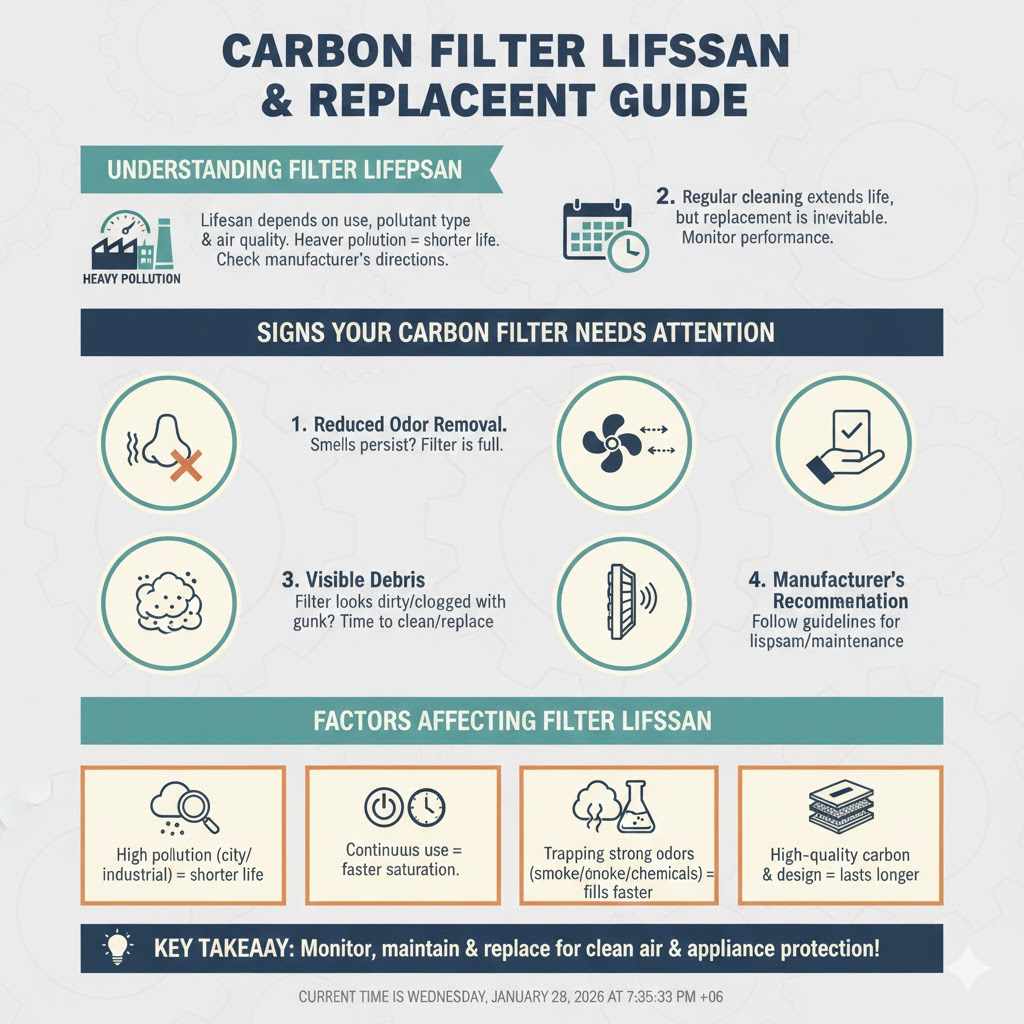
The lifespan of a carbon filter is influenced by various elements. These include the amount of use, the type of pollutants the filter is exposed to, and the general air quality of the area. In an environment with heavy pollution, the filter may fill up faster. The manufacturer’s directions will give you an idea of how long the filter should last.
Regular cleaning can help extend its life, but eventually, it will need to be replaced. Monitoring how well the filter is working and recognizing the signs that it’s time to replace it will help you make sure you always have clean air.
Signs Your Carbon Filter Needs Cleaning or Replacing
Knowing the signs that your carbon filter needs cleaning or replacing is important. Regular checking will keep the air cleaner and protect your appliances. Being aware of the things that indicate a problem helps you maintain your air quality. Here are some signs to keep an eye out for. These are common indicators that the filter isn’t working at its best. Taking action quickly will keep you breathing easier.
- Reduced Odor Removal: If you start smelling odors, even though you have a filter, it may be time to clean or replace it. This is a common sign that the filter is full and not removing odors like it should. If the filter isn’t doing its main job, then it’s time to act.
- Decreased Airflow: If you feel that your air purifier or HVAC system isn’t blowing air as well as it used to, a clogged filter could be the problem. A dirty filter can block airflow, reducing the system’s efficiency. Cleaning or replacing the filter can restore normal airflow.
- Visible Debris: If you can see a lot of dust, dirt, or debris on the filter, it is probably time for cleaning or replacement. A build-up of dirt is a clear sign that the filter has collected contaminants. Cleaning the filter can often fix this, but replacement might be required if the damage is severe.
- Manufacturer’s Recommendation: Always refer to the manufacturer’s advice. They usually provide a recommended lifespan for the filter and any special directions for cleaning or replacement. Following these directions is the best way to make sure your filter works effectively.
Factors Affecting Filter Lifespan
Many factors can affect how long your carbon filter will last. Understanding these elements can help you plan your filter maintenance. This way, you can ensure that you are getting the most out of your filter. The conditions the filter operates in make a big difference in how long it will perform well. If you have any questions, consult the manufacturer’s guidelines, which will help you get the best outcome.
- Air Quality: The amount of pollution in the environment significantly impacts a carbon filter’s life. Filters used in areas with heavy air pollution, such as near busy roads or industrial areas, will fill up more quickly. In areas with cleaner air, the filter will last longer.
- Usage Frequency: How often you run the device with the carbon filter also affects its life. A filter in a device used continuously will reach its saturation point sooner than one used occasionally. Continuous use will mean more exposure to pollutants.
- Type of Pollutants: The type of pollutants the filter is exposed to is another important factor. Filters that are trapping a lot of smoke, chemicals, or other strong odors will fill up faster than those dealing with milder contaminants. This is why some filters wear out faster than others.
- Filter Quality: The quality of the carbon filter itself is very important. High-quality filters with more activated carbon and a better design can last longer and perform better. Investing in a good filter initially can save you money and trouble.
Frequently Asked Questions
Question: Can I use soap to clean a carbon filter?
Answer: It depends. Some manufacturers allow a small amount of mild, unscented soap. However, soap can leave residue that affects filter performance. Always check the manufacturer’s directions before using soap, and rinse the filter thoroughly if you do.
Question: How often should I clean my carbon filter?
Answer: It depends on the type of filter and how often you use it. Some filters can be cleaned every month or two, while others might need cleaning more often. As a general guide, check the filter every few months, and clean it when it looks dirty. The manufacturer’s directions will give more specifics.
Question: Can I dry a carbon filter in the sun?
Answer: It is generally best to dry your carbon filter away from direct sunlight. Direct sunlight can damage some filters. Instead, dry the filter in a well-ventilated area.
Question: What happens if I don’t replace my carbon filter?
Answer: If you don’t replace your carbon filter, it will become less effective at removing pollutants. This can lead to reduced air quality, odors, and potential health issues. You may also notice a decrease in the device’s performance.
Question: How do I know when to replace my carbon filter?
Answer: Look for signs such as reduced odor removal, decreased airflow, and visible debris on the filter. Also, always follow the manufacturer’s recommendations for replacement. If you are uncertain, check the filter regularly and replace it as needed.
Final Thoughts
Keeping a carbon filter clean is a simple task that will pay off with better air quality. As you’ve seen, it’s not a complicated process. By following a few easy steps, you can extend the life of your filter. Whether it is cleaning it with water or vacuuming, regular maintenance ensures it continues to work. Taking care of your filter means taking care of the air you breathe. This helps remove pollutants and keep your indoor environment healthy.
Remember to check the filter regularly for dirt and odors. Also, be sure to follow the manufacturer’s recommendations for cleaning and replacing your carbon filter. By using these simple steps, you can breathe easier and improve the quality of your air.