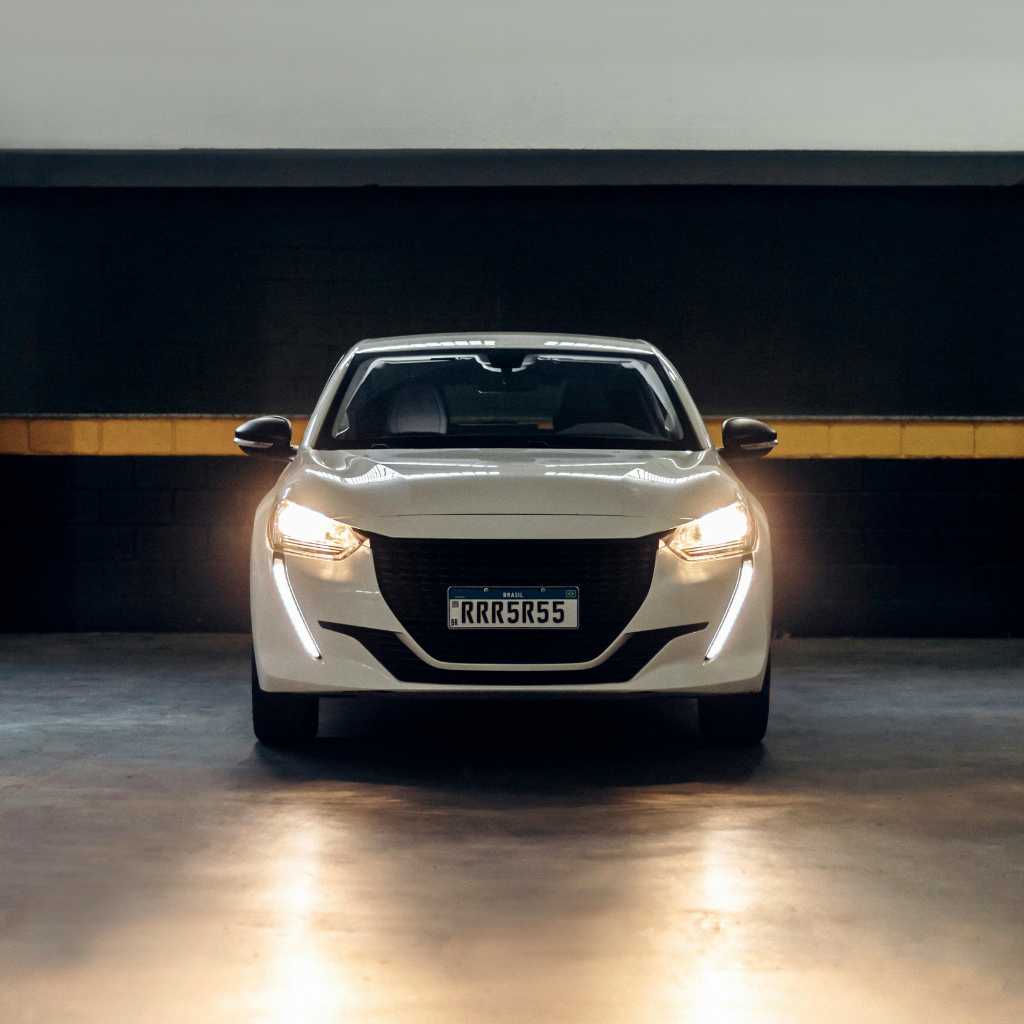
Is Peugeot A Good Car? Proven Essential Facts
Yes, Peugeot is generally a good car brand known for stylish design, comfortable rides, and increasingly strong reliability and fuel efficiency, especially in their newer models leveraging Stellantis technology.
Choosing a new car can feel overwhelming. You see that sleek Peugeot driving by, and you wonder, “Is that a smart buy?” Many drivers hear mixed reviews or aren’t sure how modern Peugeots stack up against their competition. It’s frustrating when you just want a dependable vehicle without the massive repair bills later on. Don’t worry! We are going to cut through the noise.
As Md Meraj, I’ll break down the honest facts about Peugeot ownership. We will look at reliability, cost, styling, and what real owners say. By the end of this guide, you will have the confidence you need to decide if Peugeot fits your driveway and your budget. Let’s explore what makes these French cars tick!
Is Peugeot A Good Car? Proven Essential Facts Explored
When asking, “Is Peugeot a good car?” the answer isn’t a simple yes or no. It depends on when the car was made, which model you choose, and what you value most in a vehicle—style, economy, or raw power. Peugeot, a brand with a rich history rooted in French engineering, has undergone significant changes, especially with its integration into the Stellantis group (which also owns brands like Jeep and Fiat).
Modern Peugeots focus heavily on premium feel, excellent handling, and cutting-edge technology found in their i-Cockpit design. However, past perceptions of reliability sometimes lag behind their current quality. Let’s dig into the three main areas that define a “good car”: Reliability, Ownership Costs, and Driving Experience.

Fact 1: Reliability and Long-Term Durability
For most drivers, reliability is number one. A beautiful car that spends too much time in the shop is not a good car. Peugeot’s reputation has historically been a bit shaky in reliability surveys compared to some Japanese rivals. However, recent improvements are noteworthy.
The Shift to Modern Engineering
Peugeot has invested heavily in platform sharing and engine standardization under Stellantis, which often leads to more robust and well-tested components. Modern PureTech petrol engines and BlueHDi diesel engines have been widely recognized, though they do have specific maintenance requirements.
Here is a quick look at how Peugeot often scores in reliability surveys compared to benchmarks:
| Area of Comparison | Peugeot (Recent Models: 2018+) | Industry Average |
|---|---|---|
| Initial Quality (First 3 Months) | Good, focusing on tech glitches | Average |
| Long-Term Mechanical Durability | Improving, nearing European average | Varies widely by brand |
| Electronics/Infotainment | Generally good but complex | Complexity is a common weakness |
If you are looking at a used Peugeot, try to find models made after 2018, as these generally benefit from the latest engineering refresh. Always check the service history to ensure essential maintenance, like timing belt inspection for certain engines, has been completed on time. You can find great resources on proper servicing intervals from independent organizations like the Society of Automotive Engineers (SAE), though your specific owner’s manual is the final word.
Common Reliability Questions Drivers Ask
When looking at older or specific models, you might hear about a few recurring concerns. Knowing what they are helps you inspect a potential purchase properly:
- Timing Belt Issues: Some older PureTech engines used wet timing belts that required very specific, timely oil changes to prevent premature wear or failure. Newer versions have improved this, but it’s a key maintenance point for pre-2020 models.
- AdBlue System: Like many modern diesels, the Selective Catalytic Reduction (SCR) system using AdBlue fluid can sometimes cause warning lights. This is more of an inconvenience than a catastrophic failure, but it requires proper topping up.
- Suspension Comfort: While suspension is usually durable, some drivers find that the older, sportier setups can feel firm on bumpy roads compared to softer alternatives.
Fact 2: Ownership Costs – Maintenance and Depreciation
A good car shouldn’t bankrupt you when it needs servicing or when you decide to sell it. Ownership costs involve insurance, fuel economy, parts cost, and how much value the car loses over time (depreciation).
Fuel Efficiency: A Major Peugeot Strength
Peugeot has excelled recently in creating highly efficient engines. Their small turbocharged petrol engines (like the 1.2L PureTech) offer impressive mileage without sacrificing necessary power for daily driving. Their diesel options remain leaders in long-distance economy.
If fuel economy is your main concern when considering, “Is Peugeot a good car?” the newer lineup scores very high marks:
- Urban Commuting: Excellent fuel economy from smaller petrol engines.
- Highway Cruising: Efficient diesel options keep running costs low for longer drives.
- Hybrid/Electric Models: Peugeot is quickly rolling out plug-in hybrid (PHEV) and full electric (EV) versions (like the e-208), which drastically reduce running costs.
Service and Parts Accessibility
Because Peugeot is a mainstream European brand, parts are generally available. However, they are not always as inexpensive as parts for high-volume Asian or American makes in every market. Specialized diagnostic tools or specific Peugeot-trained mechanics might be required for the most complex electronic issues, which can slightly increase labor rates compared to a very common local brand.
My Tip For Savings: Stick to independent mechanics who specialize in European brands rather than sticking exclusively to official dealerships after the warranty expires. They often have access to quality aftermarket parts at better prices.
Depreciation: Holding Value
In many markets, Peugeot vehicles suffer slightly sharper depreciation than segment leaders like Volkswagen or Toyota. This is often historical—people assume older Peugeots were unreliable, so they value newer ones less initially. The upside for you, the buyer:
- If you buy new or nearly new, you might get a more luxurious-feeling car for less money than a direct competitor would cost.
- They often provide excellent value on the used market because of this faster initial drop in value.
Fact 3: The Driving Experience and Interior Quality
This is where Peugeot often shines brightest. They have successfully positioned themselves as a brand offering premium design and excellent driving dynamics without the premium price tag of German rivals.
The Game-Changing i-Cockpit
The hallmark of a modern Peugeot is the Peugeot i-Cockpit. This design features a small steering wheel, which allows the driver to look over the steering wheel rim at the instrument cluster, rather than through it. This is a major differentiator.
Benefits of the i-Cockpit:
- Sportier Feel: The small wheel makes steering feel direct and responsive.
- Digital Display: The high-mounted digital gauge cluster is clear and customizable.
- Interior Aesthetics: The cabin design usually features high-quality materials, interesting textures (like toggle switches), and a very modern, cockpit-like feel.
However, this design isn’t perfect for everyone. Taller drivers sometimes struggle to find the perfect driving position where the steering wheel doesn’t block their view of the gauges. It’s crucial to test drive and adjust everything to ensure it feels natural to you.
Handling and Ride Comfort
Peugeot performance engineering tends to favor cornering ability. They generally feel planted and composed on winding roads. They strike a good balance. While they might lean slightly toward sportiness, the suspension setup in popular models like the 3008 SUV has been tuned lately to prioritize family comfort, absorbing bumps surprisingly well.
This balance—premium feel on the inside combined with capable road manners on the outside—is a huge reason why many people decide that, yes, “Peugeot is a good car.”
Comparing Key Peugeot Models
To truly answer “Is Peugeot a good car?”, you need to look at the specific model. A small city car behaves very differently from a large SUV. Here’s a simplified look at some current popular offerings:
| Model | Segment | Best For | Key Feature |
|---|---|---|---|
| Peugeot 208 | Supermini/Hatchback | City driving, first-time buyers | Great EV variant (e-208) |
| Peugeot 308 | Compact Hatchback | Refined daily commuting | High-quality interior finishes |
| Peugeot 3008 | Compact SUV | Families, comfort, visibility | Spacious cabin and strong styling |
| Peugeot 5008 | Mid-Size SUV | Larger families needing 7 seats | Versatile third-row seating |
What Do Reliability Surveys Actually Say About Peugeot?
It’s helpful to see how recognized consumer reports place the brand. While no survey is perfect, they offer a collective snapshot. In recent years, sources like the JD Power Vehicle Dependability Study (VDS), which measures problems per 100 vehicles (PP100), often show European brands clustered in the middle or slightly below average compared to Japanese leaders. However, Peugeot often performs better in European Union surveys that focus on dealer service quality and overall owner satisfaction.
For instance, many European owner satisfaction indices place Peugeot high on “Driver Enjoyment” and “Design Appeal.” This means while they might have slightly more electronic glitches than a textbook-reliable brand, owners tend to forgive these issues because they love driving and looking at their car.
How Peugeot Stacks Up Against Key Competitors
When weighing your decision, compare Peugeot against its direct rivals. For example, if you are looking at a 308, you are likely cross-shopping a Volkswagen Golf or a Ford Focus. If you value technology and style slightly more than absolute long-term reliability rankings, the Peugeot holds its own, often winning on perceived interior quality.
Here’s a simplified comparison of priorities:
- If you prioritize absolute mechanical Bulletproofing: Consider Japanese brands.
- If you prioritize Driving Dynamics and Cabin Tech: Peugeot is a top contender.
- If you prioritize Low Initial Purchase Price for a Premium Feel: Peugeot usually wins here.
Beginner Tips for Smart Peugeot Ownership
If you decide a Peugeot is the right car for you, following a few simple steps will ensure you have a positive experience and keep that “Is Peugeot a good car?” question answered with a resounding YES!
Tip 1: Stick to the Service Schedule Religiously
This is the most crucial advice for any modern European car, especially those with small turbo engines. The fluids and belts are operating under tighter tolerances. Missing an oil change, perhaps by only a few thousand miles, can cause cascading issues.
Follow these maintenance rules:
- Regular Oil Changes (Synthetic Only): Use the exact type of synthetic oil recommended in your manual. This is vital for the longevity of the turbocharger and timing belt system.
- Software Updates: Treat infotainment and engine control unit (ECU) software updates like oil changes. They often fix bugs that could otherwise look like reliability problems.
- Check Fluid Levels Monthly: Get into the habit of quickly checking coolant and screen wash, which helps you catch leaks early.
Tip 2: Understand Your Warranty Coverage
If buying new, ensure you comprehend the full warranty package. If buying used, check if any transferable portion of the manufacturer’s warranty remains. Peugeots are built with complex electronics; when things go wrong outside of warranty, those repairs are where costs spike. Knowing your coverage gives you peace of mind.
Tip 3: Test Drive with Intention
Do not just drive around the block. During your test drive, deliberately try to replicate your normal driving conditions. If you frequently drive on bumpy back roads, try to find one during the test. If you mainly sit in heavy traffic, pay close attention to how the automatic gearbox behaves at low speeds and how comfortable the seats are over 20 minutes.

Frequently Asked Questions (FAQ) About Peugeot Cars
Q1: Are Peugeot cars expensive to insure?
A: Generally, no more expensive than brand peers (like Renault or Citroën). Insurance costs depend more on the specific model’s power output, safety rating, and how frequently it is stolen in your area, rather than the badge itself. Performance models cost more to insure than base models.
Q2: Is it hard to find Peugeot mechanics?
A: In major metropolitan areas, finding a dealer or an independent mechanic specializing in Peugeot/Stellantis is usually easy. In very rural areas, your options might be limited, making pre-purchase research on local service centers a smart idea.
Q3: Are newer Peugeot automatic transmissions reliable?
A: Modern Peugeots often use very capable 8-speed automatic transmissions supplied by Aisin (a highly respected Japanese manufacturer). They are generally robust, provided they receive timely fluid changes as recommended by the manufacturer. Avoid harsh driving habits, and they should serve you well.
Q4: Do Peugeots hold their resale value well?
A: They typically depreciate faster than segment leaders in the UK/Europe but offer excellent value for the second or third owner. Resale value is heavily influenced by model age; newer models with current styling hold onto their value much better.
Q5: What is the main selling point of buying a Peugeot over its rivals?
A: The primary selling points are the distinctive, high-quality interior design (the i-Cockpit) and superior driving engagement combined with strong fuel economy across the engine range.
Q6: Should I worry about French car maintenance costs?
A: While some specific parts can be pricier than common Japanese/American parts, overall maintenance costs are predictable if you follow the schedule. The key is preventing major failures through diligent servicing, not avoiding scheduled maintenance.
Q7: Are Peugeot SUVs (like the 3008) better than their hatchbacks?
A: The SUVs often score higher in owner satisfaction surveys because they offer better visibility and more perceived practicality, which appeals widely. However, the hatchbacks (like the 308) often offer a sportier, lower ride that some drivers prefer for handling characteristics.
Conclusion: Making Your Final Decision
So, ultimately, “Is Peugeot a good car?” The modern Peugeot lineup, particularly those models released in the last five years, is very strong. They successfully blend European flair, excellent on-road manners, and highly competitive fuel economy.
If you prioritize exciting design, a comfortable and tech-forward cabin experience, and enjoy driving, Peugeot presents a compelling, often slightly overlooked, choice. They offer a touch of premium feel that the competition sometimes lacks in their standard trims.
However, success in Peugeot ownership requires commitment. You must respect their engineering by adhering strictly to the service schedule, especially regarding engine oils and timing belt checks. If you are the kind of owner who stays on top of maintenance and appreciates style, a Peugeot will reward you with an enjoyable and efficient journey. If you prefer a car you can ignore for 15,000 miles between services without a thought, you might want to look elsewhere. For the engaged driver seeking style and sophistication, Peugeot is indeed a very good car.