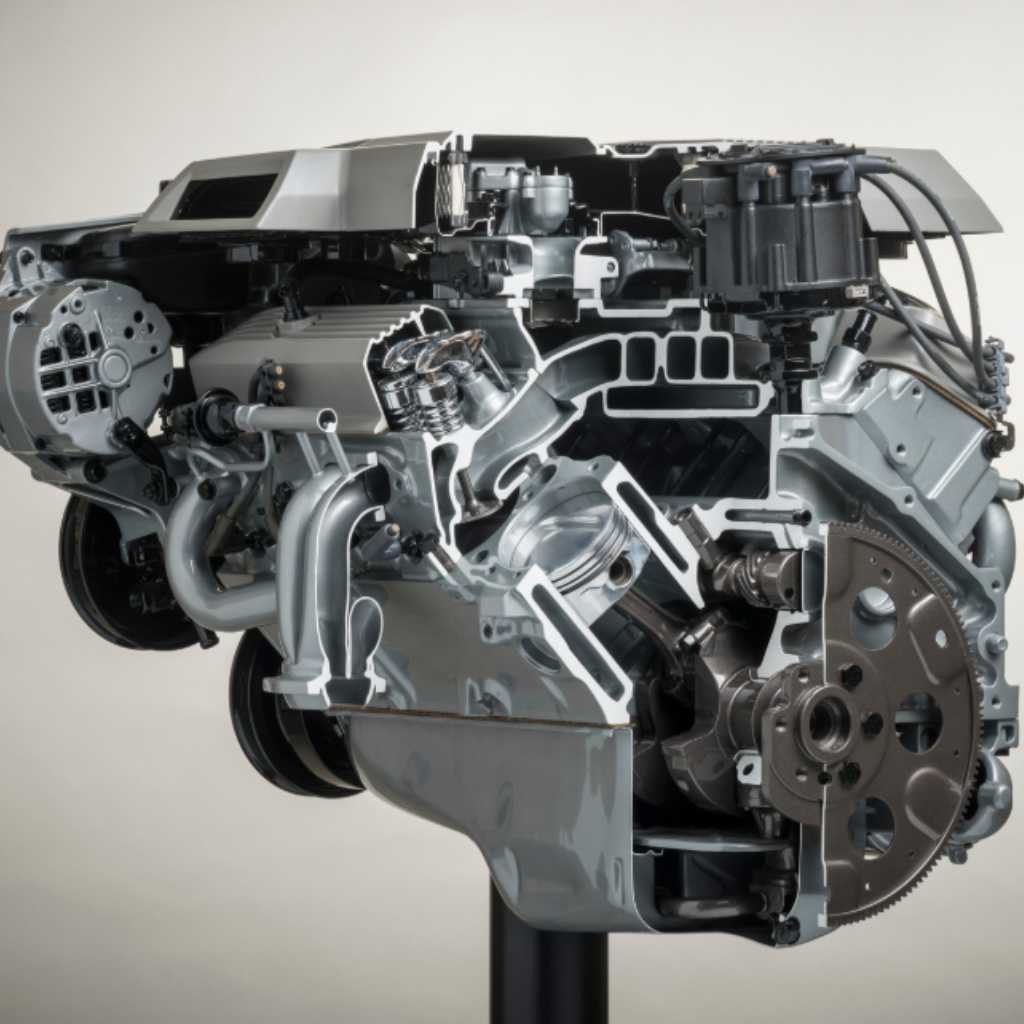
What Supercharger Fits My Car: Essential Guide
To find the right supercharger for your car, you must match the unit’s flow capacity (CFM) and boost level to your engine size, intended use, and budget. Always prioritize kits designed specifically for your vehicle’s make and model for the safest and best performance.
Have you ever heard that satisfying whoosh sound when a car accelerates incredibly fast? Chances are, a supercharger was at work. People often want more power from their cars, but figuring out how to add a supercharger can feel like solving a complex puzzle. It looks complicated, and the jargon—like “CFM” or “boost pressure”—can make your head spin. Don’t worry! Choosing the right supercharger doesn’t require an engineering degree. As your trusted automotive guide, I am here to break down exactly what you need to know. We will walk through the simple steps to ensure you pick a unit that loves your engine. Get ready to demystify performance upgrades and gain the confidence to make a smart choice!
Understanding the Basics: What is a Supercharger?
Before we figure out which one fits, let’s quickly cover what a supercharger does. Think of your engine like a set of lungs. To make more power, it needs to breathe in more air (oxygen) along with the fuel.
A supercharger is essentially an air pump. It’s driven directly by the car’s engine (via a belt or gears). It forces more air into the engine cylinders than the engine could naturally suck in on its own. More air + more fuel = bigger explosion = more horsepower!
Supercharger vs. Turbocharger: A Quick Look
Many people confuse these two power boosters. Here’s the simple difference:
Supercharger: Always powered by the engine belt. It provides instant power right off idle (no “lag”).
Turbocharger: Powered by exhaust gases. It relies on exhaust flow to spin, which can cause a slight delay in power delivery called “turbo lag.”
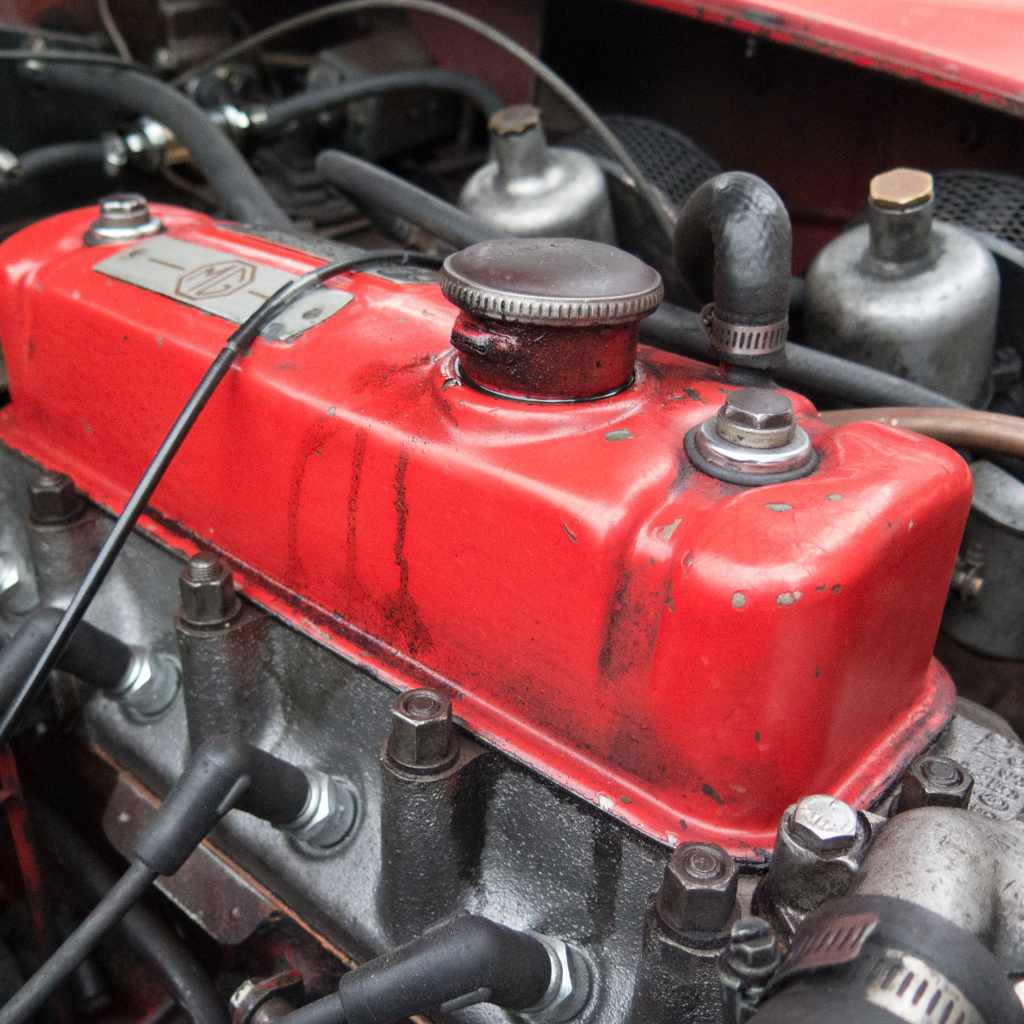
Step One: Know Your Engine – The Most Important Step
The single biggest factor in deciding “what supercharger fits my car” is knowing the specifics of the engine already under your hood. A supercharger that is too small won’t add meaningful power. One that is too large can overwhelm your engine, potentially causing damage or wasting money.
Key Engine Specifications to Gather
You need these basic numbers handy. You can usually find them in your owner’s manual or by looking up your car’s specs online.
- Engine Displacement (Size): This is measured in liters (L) or cubic inches (ci). For example, a 3.5L V6 or a 5.0L V8.
- Stock Horsepower (HP) and Torque: This gives you a baseline of what your engine currently makes.
- Current Modifications: Have you installed a new exhaust, header, or upgraded the fuel pump? These existing changes affect supercharger choice.
If you are looking for official engine performance ratings, the National Highway Traffic Safety Administration (NHTSA) provides resources related to vehicle standards, though direct engine specs are best found from the manufacturer.
Step Two: Understanding Supercharger Types
Superchargers are not all built the same way. They compress air in different manners. For beginners, knowing the three main types helps narrow down your search, as some styles are better suited for specific engines or power goals.
The Three Main Types of Superchargers
| Type | How It Works | Best For | Pros |
|---|---|---|---|
| Roots (or Twin-Screw) | Uses rotating lobes to physically trap and push air forward. | Instant low-end torque and street driving. | Great throttle response; often the easiest to install. |
| Centrifugal | Looks like a snail shell; uses an impeller (like a fancy fan) to throw air into the manifold. | High-RPM power builds; road racing. | Highly efficient at high speeds; good for smaller engines. |
| Twin-Screw | An advanced version of the Roots, using screws that mesh together to compress air internally. | Maximum efficiency and consistent power across the band. | Excellent power density; very good efficiency. |
Beginner Tip: For most first-time installers looking for reliable street power enhancement on a standard engine, a Roots or Centrifugal unit often provides the most straightforward path.
Step Three: Matching the Blower to Your Needs (CFM and Boost)
This is where we connect your engine size to the supercharger’s output. You need to talk about two critical measurements: Cubic Feet per Minute (CFM) and Boost Pressure (PSI).
CFM: How Much Air Does the Engine Need?
CFM measures the volume of air the supercharger can move past the engine’s pistons per minute.
If the CFM is too low, the supercharger is choking the engine, and you won’t get the power you paid for.
If it’s vastly too high, you might waste energy driving the blower or struggle with heat management.
Generally, manufacturers provide recommended CFM ranges based on engine displacement. A larger engine (like a V8) needs a much higher CFM rating than a smaller four-cylinder engine.
Boost Pressure (PSI): How Hard Is It Pushing?
Boost pressure is measured in Pounds per Square Inch (PSI). This is the “more air” being forced into the engine.
Low Boost (4–7 PSI): Often safe for stock engines without internal modifications. It usually adds 30% to 50% more power reliably. This is the sweet spot for most daily drivers looking for an exciting bump.
Medium Boost (8–12 PSI): Requires careful tuning and often demands better fuel (higher octane). You might need upgraded spark plugs or injectors.
High Boost (12+ PSI): Reserved for heavily modified engines, built internals, and serious race applications. This is not recommended for beginners or stock vehicles.
Safety Note: Pushing too much boost into a stock engine without proper tuning (adjusting the fuel and spark timing) is the fastest way to cause catastrophic engine failure. Always respect the manufacturer’s recommended boost limits for stock components.
Step Four: Choosing Between a Universal Kit and a Vehicle-Specific Kit
This decision directly answers your question: “What supercharger fits my car?”
Vehicle-Specific Kits (Recommended for Beginners)
These kits are the ideal starting point. Companies engineer them specifically for your exact year, make, and model (e.g., a 2015 Mustang GT 5.0L).
What they include: Brackets, pulleys, belts, tubing, and often necessary fuel system upgrades and a specific computer tune.
Why they fit: They are designed around your car’s existing mounting points, alternator placement, and hood clearance.
Universal Kits (For Advanced Builders)
Universal kits give you the supercharger unit only. You have to source every other part separately—mounting brackets, intake plumbing, belt routing, and custom tuning.
Why you might avoid them: If you have to ask “what supercharger fits my car,” a universal kit means you also have to figure out complex bracket geometry and belt alignment, which is difficult and error-prone.
The Importance of the Tuner and the Kit
Even if you buy a specific kit, the computer controlling your engine still needs to know that a supercharger is attached. This is called tuning.
Most quality vehicle-specific kits come with a pre-loaded program (a “tune”) that you load onto your Engine Control Unit (ECU) using a handheld device. This tune adjusts fuel delivery and spark timing safely for the new power level. Never install a supercharger without installing the corresponding, correct tune!
Creating Your Fitment Checklist
Use this checklist when talking to a parts supplier or researching online to ensure you cover all bases.
The Supercharger Fitment Checklist
- Vehicle Profile: Year, Make, Model, Engine Size (e.g., 2012 Honda Civic, 2.0L Si).
- Power Goal: How much power do I want (e.g., an extra 100 HP)?
- Budget: How much can I spend on the unit and installation?
- Drive Type Preference: Do I prefer the instant torque of Roots or the top-end rush of Centrifugal? (Helps select the model of supercharger).
- Kit Type: Am I buying a complete vehicle-specific kit, or just the head unit? (Recommendation: Vehicle-Specific Kit).
- Fuel Requirements: Does this package require upgraded fuel injectors and a high-flow fuel pump? (If yes, ensure the kit includes them or you budget for them).
- Required Tuning: Does the kit come with a pre-loaded tune for my stock ECU?
When researching components, you can often find helpful guides or forums dedicated to your specific vehicle year. For example, resources like SAE International publish technical papers that sometimes discuss forced induction efficiency on specific engine architectures, which can be helpful if you dive deeper into the technical side later on.
Common Pitfalls and How to Avoid Them
Buying performance parts is exciting, but a few common mistakes can derail your project. Here are the most frequent issues beginners face when trying to fit the right supercharger.
Mistake 1: Ignoring the Fuel System
The Problem: Adding air without adding enough fuel causes the engine to run “lean.” Lean mixtures create excessive heat, which can quickly melt pistons or damage valves.
The Fix: If your chosen supercharger adds significant boost (over 5 PSI), you almost certainly need larger fuel injectors and a stronger fuel pump. A quality kit will include these. If buying piecemeal, budget for them!
Mistake 2: The Hood Clearance Issue
The Problem: Especially with large Roots-style blowers, the unit itself might stick up high above the engine block. Your hood might physically not close over the new component.
The Fix: Vehicle-specific kits account for this! If you are mixing and matching (buying a universal blower), you must measure the height of the unit and compare it to the available clearance under your hood carefully.
Mistake 3: Skipping the Proper Tune
The Problem: Installing more hardware without revising the computer software is like putting a racing tire on a shopping cart. It won’t work right, and it can cause timing errors leading to detonation (engine knock).
The Fix: Only run a supercharger with the specific performance tune designed to support it. If a kit doesn’t come with a tune, stop until you have scheduled a professional dyno tune session.
Budgeting for Your Supercharger Upgrade
Figuring out “what supercharger fits my car” also means figuring out what budget it fits into. The cost varies widely based on the type, the brand, and whether you buy a complete bolt-on package.
Typical Cost Breakdown (Estimates Only)
Costs change frequently due to market demand and brand. These estimates are for quality, name-brand systems designed for popular vehicles.
| Component | Estimated Cost Range (USD) | What This Covers |
|---|---|---|
| Complete Bolt-On Kit (Centrifugal/Roots) | $4,000 – $7,500+ | Supercharger unit, brackets, cooling, piping, and base tune. |
| Installation Labor (If not DIY) | $800 – $1,500+ | Shop time to fit the unit and install necessary fluids/belts. |
| Professional Tuning Session (Dyno Time) | $400 – $1,000 | Refining air/fuel and timing for peak, safe performance. (Often mandatory). |
| Fuel System Upgrades (If not included) | $500 – $1,200 | New injectors and high-flow fuel pump. |
Remember, this is an investment. Cheaper, unbranded units often lack the quality control needed for the high-speed spinning and heat a supercharger endures. Stick to established automotive performance brands for reliability!
Maintenance After Installation
Once you have the right supercharger fitted, routine maintenance is key to making sure it lasts. This is generally simpler than you might think.
Checking the Supercharger Oil
Many, but not all, superchargers have their own dedicated oil supply, separate from your engine oil. This oil lubricates the internal gears and bearings.
- Consult the Manual: Always check the specific instructions for your unit (e.g., ProCharger, Eaton, Vortech).
- Check Level: Some require a dipstick check when the unit is warm; others require checking a sight plug. Do this regularly.
- Change Interval: Change the oil according to the mileage specified by the supercharger manufacturer, not just your engine’s oil change interval. It usually needs changing every 10,000 to 15,000 miles, depending on usage.
Using the correct, manufacturer-specified synthetic lubricant is crucial. Using the wrong oil can lead to rapid bearing wear due to the high speeds the internal components spin at.
Frequently Asked Questions (Beginner Edition)
Q1: Can I install a supercharger myself?
A: If you buy a complete, vehicle-specific kit, the installation is often manageable for a dedicated DIYer with good mechanical skills, proper tools, and several days to work. However, the subsequent professional tuning is almost always required and should not be skipped.
Q2: Will a supercharger ruin my engine?
A: No, not if it is installed correctly with the appropriate supporting modifications (fuel, cooling) and the proper electronic tune. Running too much boost without tuning is what causes damage.
Q3: Do I need to lower my engine’s compression ratio?
A: For low-boost applications (under 7 PSI) on modern engines designed to run on premium fuel, usually no. Many modern cars can handle this safely. Higher boost levels always necessitate lowering compression or using forged internal components.
Q4: How do I know if the supercharger is efficient?
A: Efficiency is often related to heat. A highly efficient supercharger adds more power for the amount of engine power it consumes, producing less waste heat. Centrifugal and Twin-Screw units often prove more efficient than older Roots designs, especially at higher boost levels.