Why Your Car’s Radiator Fan Keeps Running After Shutdown
Ever notice your car’s fan still spinning after you turn off the engine? If your Radiator Fan Stays On After Shutdown — Why? is a common question, especially for new drivers. It can seem a little strange, but don’t worry. This isn’t usually a sign of big trouble! We’re here to help you get to the bottom of it. We’ll show you step-by-step what might be happening, and how you can figure it out. Get ready to learn!
What Causes the Radiator Fan to Stay On?
A car’s cooling system is like its air conditioning, and it’s super important for keeping the engine from overheating. The radiator fan helps with this. When the engine gets too hot, the fan kicks in to cool things down. You might be curious about why the fan occasionally continues running even after you turn off the car. It’s usually nothing to worry about. Often, the car’s computer senses that the engine is still hot even after the car is off. To deal with this, it keeps the fan running for a little while longer. The reasons for this are varied, ranging from engine temperature, to a faulty sensor, to even air conditioning use. Knowing the reasons will help you explore the issue.
Engine Temperature and Cool Down
One primary cause for the radiator fan to run after the engine shuts off is simply the engine’s temperature. The engine block, the part that houses the cylinders and pistons, gets incredibly hot during operation. When you turn off the car, the flow of coolant stops. Without coolant circulating, the engine can start to heat up further for a bit, as any heat remains trapped inside the engine. The fan’s job is to extract the remaining heat, allowing the engine to cool down properly, thereby preventing any damage. This is especially the case after heavy use or driving in hot weather conditions.
- Heat Soak: This term describes the situation where the engine components retain significant heat after shutdown. The fan activates to draw air through the radiator to cool down the engine.
- Coolant Circulation: While the engine is running, coolant moves through the engine and radiator to absorb heat. When the engine turns off, the coolant stops circulating, so the fan is needed to help keep things cool.
- Environmental Conditions: Higher external temperatures can make the engine take longer to cool down. During summer or in hot climates, it is more common for the fan to run after shutdown.
The duration the fan operates depends on how hot the engine is. Usually, it runs for a few minutes. However, in extreme cases or with significant heat buildup, it might extend a bit longer. If you consistently observe the fan running for unusually long periods, it is important to investigate.
Faulty Temperature Sensors
The engine’s cooling system is controlled by sensors, and these sensors measure the engine’s temperature. If a sensor malfunctions, it can provide incorrect data to the car’s computer, telling it the engine is hotter than it actually is. This causes the fan to activate when it shouldn’t, or to stay on longer than necessary. Common failure points include the coolant temperature sensor (CTS) and the fan control module. These sensors directly impact the fan’s operation, so their accuracy is important. A faulty sensor can lead to the fan staying on after the engine is off.
- Coolant Temperature Sensor (CTS) Issues: The CTS sends coolant temperature information to the Engine Control Unit (ECU). If the CTS is damaged, it could send a false high-temperature signal.
- Fan Control Module (FCM) Failures: The FCM controls the fan’s operation based on signals from the CTS and other sensors. If the FCM malfunctions, it might misinterpret signals.
- Wiring Problems: Damaged or corroded wiring can disrupt signals to the fan and its related components. This can lead to the fan operating incorrectly.
- Troubleshooting Steps: Checking the sensors using a diagnostic tool is recommended. Checking for any wire damage or corrosion around these sensors is also helpful.
If you suspect a faulty sensor, it’s best to take your vehicle to a mechanic. They can perform diagnostic tests to identify and replace the damaged sensor. Ignoring sensor issues can lead to more serious problems, including engine overheating and potential damage.
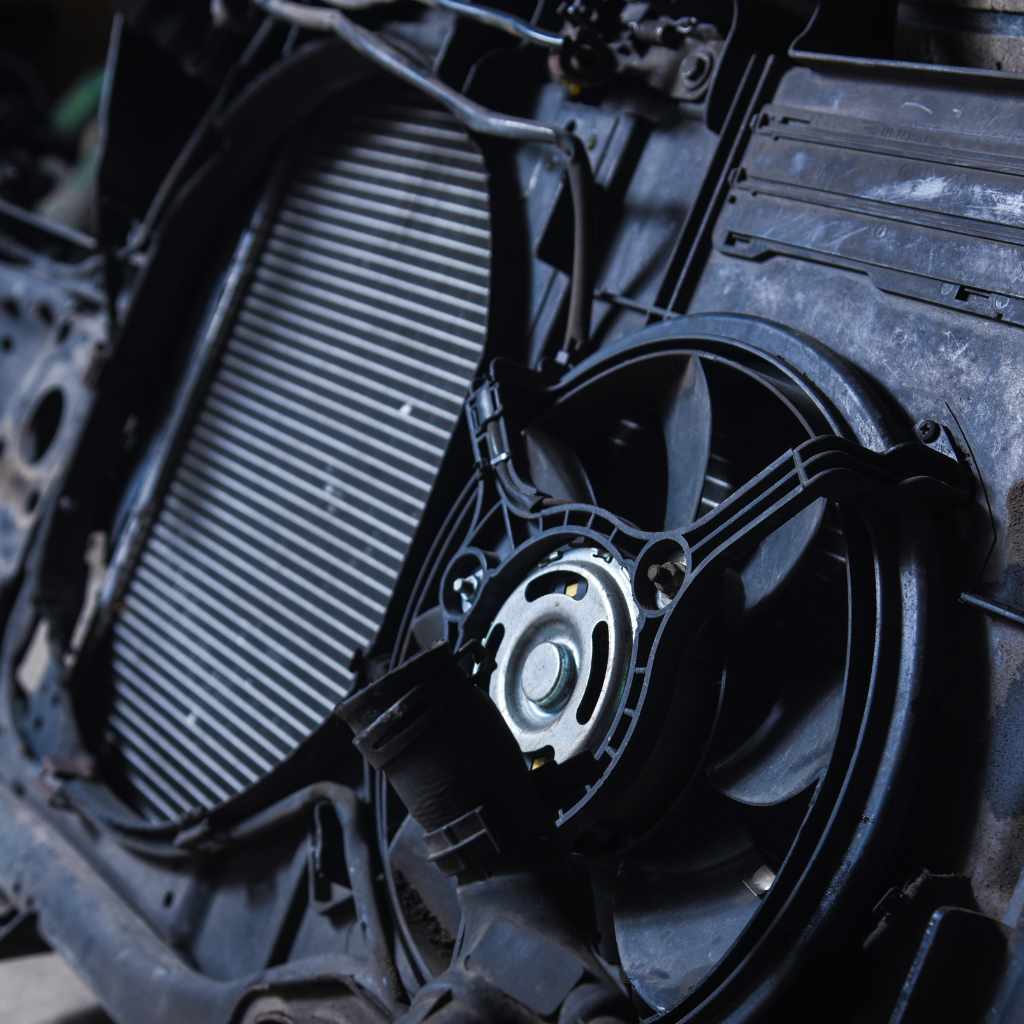
Investigating Fan Operation and Common Problems
Examining the fan’s behavior can offer helpful insights into why it’s staying on after shutdown. There are many things to think about, from the car’s typical operating conditions to recent maintenance work. Paying close attention to these factors will help you find the problem. Here, you’ll find common issues and a few ways to examine the fan’s operation.
Examining Cooling System Components
To begin investigating the reasons behind the fan’s behavior, it’s wise to examine several vital components of the cooling system. This includes the radiator, coolant level, and the fan itself. Checking these components can help you find signs of potential problems. Keep in mind that understanding each component’s function will help with your investigation. For example, the radiator dissipates heat, and the coolant facilitates the removal of heat from the engine.
- Radiator Condition: Make sure the radiator isn’t blocked or damaged. Look for leaks, which may cause the engine to overheat. Blockages can prevent proper heat dissipation.
- Coolant Level and Quality: Confirm that the coolant level is correct. Using the right type of coolant is key. Low coolant levels can contribute to overheating.
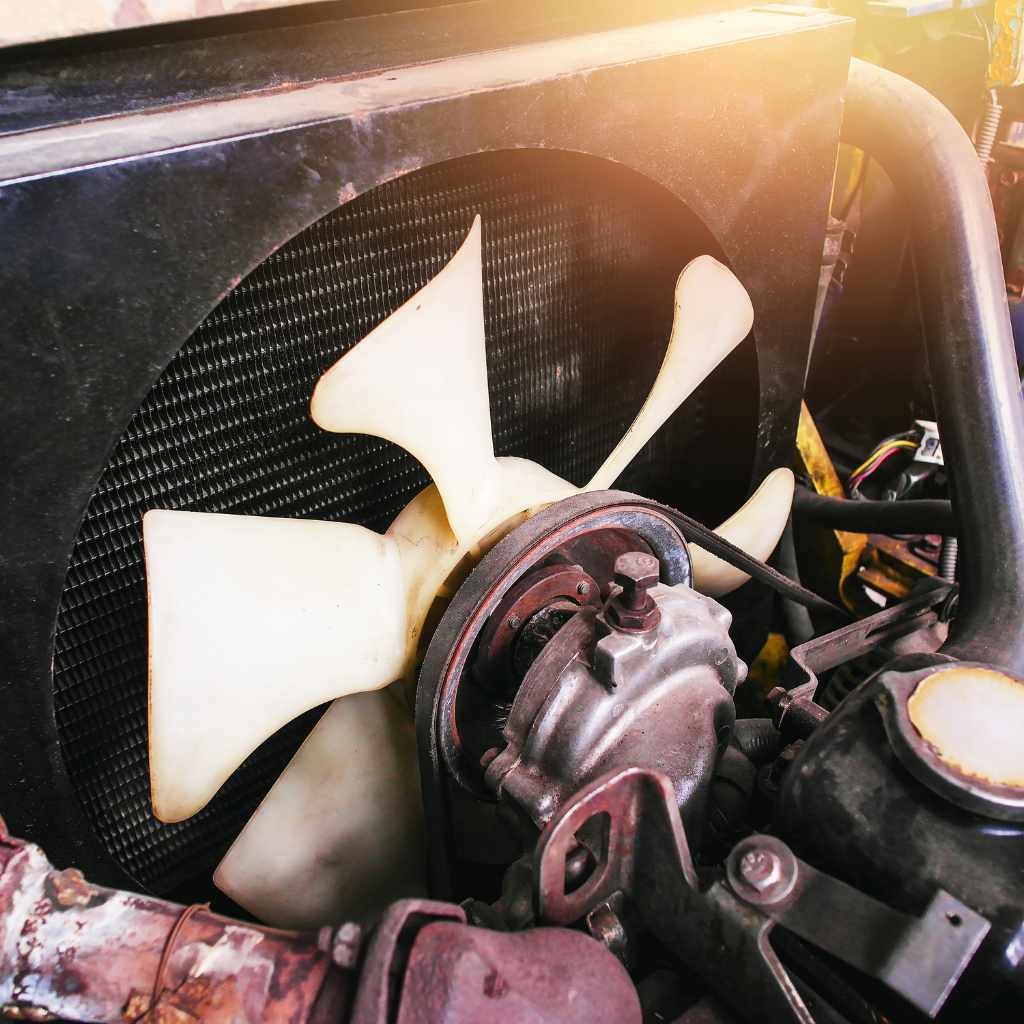
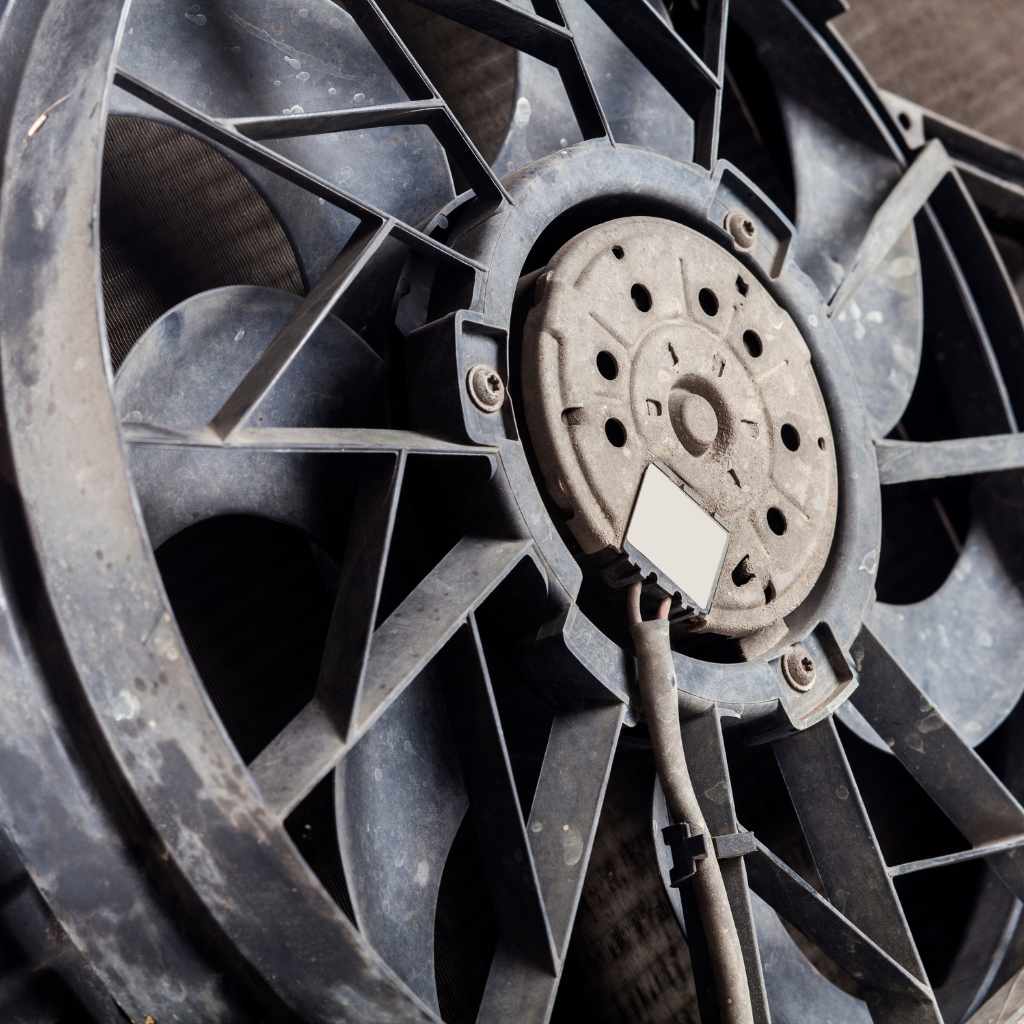
- Fan Operation and Condition: Check that the fan spins freely and isn’t blocked or damaged. Also, make sure it is connected properly. A malfunctioning fan cannot properly cool the engine.
Regular checks, such as these, can catch potential problems early, and protect your engine from costly damage. If you do notice any issues with these parts, seek help from a qualified mechanic, who can help with repairs.
Air Conditioning (AC) System Influence
The AC system also plays a role in fan operation. When the AC is on, the fan often runs to cool the AC condenser. The condenser releases heat, and the fan helps remove this heat. After you turn off the car, the fan might keep running to ensure the system cools down. This is normal behavior, but some issues may arise, causing the fan to operate for extended periods. Understanding how the AC system interacts with the fan helps diagnose problems.
- AC Usage: The fan is likely to run longer after the car is turned off, after the AC was in use. This is expected behavior.
- Condenser Problems: If the AC condenser is blocked, it might cause the fan to work harder. This will affect how the fan functions.
- AC System Leaks: Leaks in the AC system can cause the system to work harder, and the fan to run for longer periods. If you notice a leak, have it fixed promptly.
Regular maintenance of your car’s AC system will help to avoid fan-related problems. This can include checking the AC system regularly for leaks and making sure the condenser is free of debris. When using the AC system, keep an eye on how long the fan stays on after shutdown. If you are concerned, see a technician.
Troubleshooting Steps to Resolve the Radiator Fan Issue
If you discover that your Radiator Fan Stays On After Shutdown — Why? is a common problem, figuring out the solution is a task you can handle with a bit of effort. There are several steps you can take to determine the issue, and hopefully fix it. Here, we’ll cover key steps, from basic checks to more in-depth diagnostics.
Basic Checks and Inspections
Before moving on to more complex diagnostics, start with some simple checks. These steps can often identify basic issues without requiring specialized tools or assistance. They may save you money and time. If the issue is not resolved, move on to the next section.
- Check Coolant Levels: Low coolant is a primary cause of overheating. Check the coolant reservoir to make sure the level is within the correct range.
- Inspect Radiator for Blockages: Look for leaves, debris, or other materials blocking the radiator. Blockages can stop proper airflow, which will cause overheating.
- Examine Fan Operation: Ensure the fan turns on and off as it should. Pay attention to its speed and operation, both while the engine is running and after shutdown.
By carrying out these easy inspections, you can often address minor problems and get your cooling system running efficiently. This preventative approach is smart and will save you both time and money. If you don’t find the issue with basic checks, it may be time for a more thorough assessment.
Using Diagnostic Tools and Techniques
When basic checks don’t solve the problem, diagnostic tools can help you get more accurate information. These tools can tell you the engine’s temperature, and show how the sensors and control modules are working. Using these instruments requires some skill, but can offer helpful data for pinpointing the source of the issue.
- OBD-II Scanner: An OBD-II scanner can connect to your car’s computer to read diagnostic trouble codes (DTCs). If any codes relate to the cooling system, they will appear here. The scanner can also show real-time data about engine temperature, fan operation, and sensor readings.
- Sensor Testing: Multimeters can be used to test sensors. They can measure the voltage and resistance of temperature sensors, like the CTS, to check if they are working properly.
- Wiring Checks: Using a multimeter can help identify wiring problems. Look for any loose connections, corroded wires, or damage to the wiring harness that might be causing the fan to run.
These tools provide valuable insights into the cooling system’s function. They allow you to gather data and identify any problem areas. If you are not comfortable using these tools, a qualified mechanic can help with diagnosis and repair.
Real-Life Examples and Scenarios
Learning about real-life situations can show how these problems play out, and how they can be solved. Here are a few case studies and examples to illustrate what to look for when your Radiator Fan Stays On After Shutdown — Why? is an issue, and the results of various troubleshooting approaches.
Case Study 1: Faulty Coolant Temperature Sensor
A driver noticed that their car’s radiator fan kept running for a long time after the engine turned off. No matter what, it continued running. The driver took their car to a local mechanic. After scanning the vehicle with an OBD-II scanner, the mechanic found a trouble code indicating a problem with the coolant temperature sensor. The sensor was sending incorrect data to the ECU. This was causing the fan to stay on for too long.
- Problem: The coolant temperature sensor (CTS) was sending false high-temperature signals.
- Diagnosis: The mechanic used an OBD-II scanner to read the codes, and test the sensor.
- Solution: The mechanic replaced the CTS.
- Result: The fan started working normally after the CTS replacement. The problem was fixed, and the car’s cooling system returned to normal function.
This case illustrates the importance of checking sensors to avoid issues. Replacing a faulty sensor can often fix a persistent fan problem, preventing any additional damage to your car.
Case Study 2: Air Conditioning Condenser Blockage
One driver started hearing a loud noise, and found that their radiator fan kept running, even when the car was off. They had not had any recent work done on their car. They looked at their car and found that the AC condenser was blocked with debris, such as leaves and dirt. This blockage caused the AC system to work too hard, which made the fan run continuously.
- Problem: Blockage of the AC condenser.
- Diagnosis: Visual inspection.
- Solution: The owner cleaned the debris out of the condenser.
- Result: After cleaning the condenser, the fan’s operation returned to normal.
This case highlights the importance of regular checks and how simple maintenance can resolve complicated issues. Regular maintenance can prevent the fan from working for extended periods, and can avoid unnecessary repairs.
Sample Scenarios
- Scenario 1: You drive for an hour in hot weather, using the AC. When you turn off the car, the fan runs for a few minutes and then stops. This is typical and the expected behavior. The engine’s heat, and the AC system, work together.
- Scenario 2: You notice the fan is running for more than 15 minutes after shutting off the engine. The engine feels hot. Check coolant levels. If the coolant level is low, add coolant. If the problem continues, there might be a sensor issue, which would need further investigation.
These examples highlight real-world situations and the outcomes, helping you identify and fix the reason your fan is running longer than it should.
Frequently Asked Questions
Question: Why does the fan run after I turn off the car?
Answer: The fan runs after shutdown to cool the engine. The engine may still retain heat. The car’s computer controls the fan to protect the engine from overheating.
Question: Is it normal for the fan to run for a few minutes after the engine is off?
Answer: Yes, it is normal for the fan to run for a short time after shutdown, especially after the car has been driven hard or the AC was on. It usually runs for 2-10 minutes.
Question: What should I do if the fan runs constantly?
Answer: If the fan runs constantly, or for very long periods, have your car checked by a mechanic. There could be an issue with the sensors or cooling system components.
Question: Could low coolant cause the fan to run longer?
Answer: Yes, low coolant levels can cause the engine to overheat, leading the fan to run for a longer period of time. Make sure coolant levels are correct.
Question: Can a faulty AC system cause the fan to stay on?
Answer: Yes, problems within the AC system, like a blocked condenser or leaks, can lead to the fan staying on for extended periods.
Final Thoughts
So, the next time your car’s radiator fan keeps running after you turn it off, remember it’s likely nothing too serious. Many factors, like the engine temperature and the use of the air conditioning, play a role in this. The fan is designed to help keep your engine running smoothly. In most cases, the fan running for a few minutes after shutdown is totally normal and a sign that your car is doing its job to protect itself from overheating. Regular maintenance, such as checking your coolant levels and inspecting the radiator, can help keep things running properly. If you do notice the fan running for an unusually long time, or if you suspect something is wrong, don’t hesitate to get your car checked by a trusted mechanic.