Are Swivel Car Seats Okay in the USA? A Simple Guide
Figuring out if something is legal can sometimes feel tricky, especially when it comes to car seats. The question “Are Swivel Car Seats Legal in the US?” is asked a lot. It can be hard to know where to begin! Don’t worry, this guide will make it easy to figure out. We’ll explore the regulations, look at what makes swivel car seats different, and give you clear, easy-to-follow answers. Let’s get started!
What Are Swivel Car Seats and Why Do They Matter?
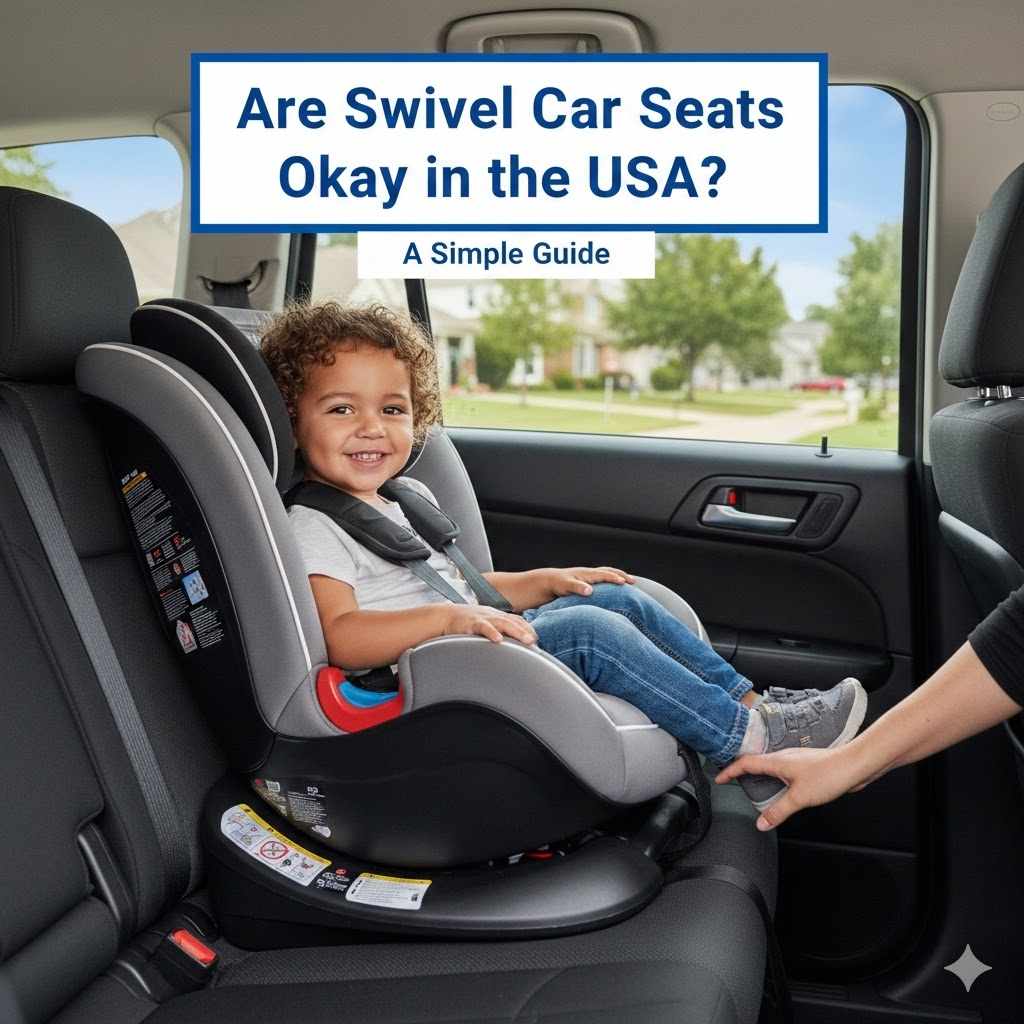
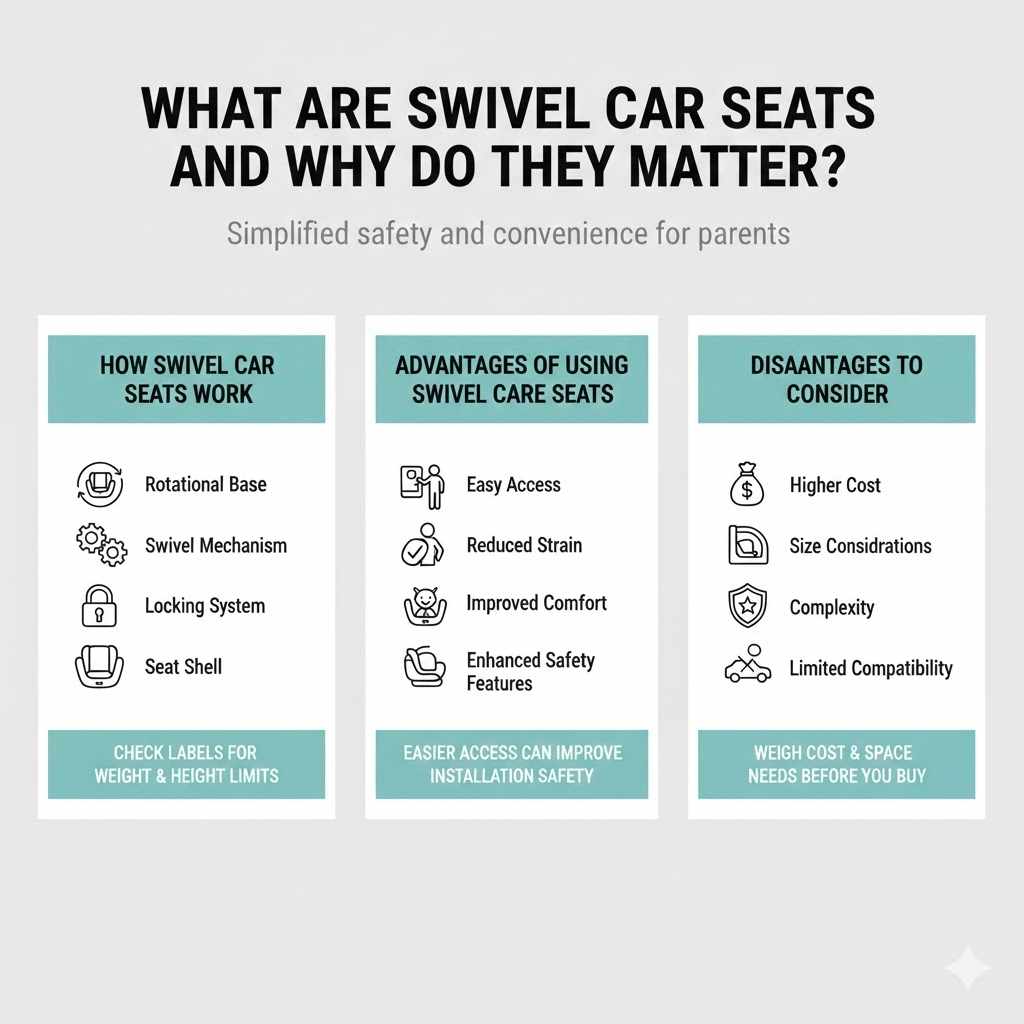
Swivel car seats are like regular car seats, but they can turn around! This makes it much easier to get your child in and out of the car. Instead of bending and twisting, you can simply swivel the seat towards you. This is super helpful, especially for parents who might have back problems or are just tired of struggling with car seats. These seats often have added features like better side impact protection, making them a popular choice for many families. Knowing the regulations about their use is important for keeping kids safe.
How Swivel Car Seats Work
Swivel car seats operate using a base that stays fixed in the car. The seat itself sits on this base and has a mechanism that allows it to rotate. This mechanism usually involves a release lever or button. When activated, it unlocks the swivel function, allowing the seat to turn 90 degrees toward the car door. Then, once the child is settled, the seat can be easily returned to its forward-facing or rear-facing position, depending on the child’s age and the seat’s design. This rotational movement is achieved through carefully engineered joints and strong materials, ensuring the seat remains secure during a car accident.
- Rotational Base: The foundation of the swivel car seat, typically fastened to the vehicle’s seat using the LATCH system or seatbelts. This base is engineered to withstand significant forces in the event of a crash.
- Swivel Mechanism: This is the part that enables the seat to rotate. It includes a series of gears, pivots, and locking devices that provide smooth and safe movement.
- Locking System: Critical for safety, the locking system secures the seat in the forward-facing, rear-facing, or any other position selected. This prevents unintentional movement during a car ride.
- Seat Shell: The protective shell surrounding the child. It’s often made from energy-absorbing materials to provide impact protection and has features like side-impact protection.
Swivel car seats also have different weight and height limits. Always check the labels to see what is right for your child. These are very important guidelines for safety, because using a seat that doesn’t fit your child could make them less safe.
Advantages of Using Swivel Car Seats
Swivel car seats have some pretty big pluses. First off, they are easy on your back because you don’t have to lean over to put your child in. This can really help. They also make it easier for parents or caregivers to get the child into the car. This can be great when there is not much room. Many swivel car seats are made to offer better protection in a crash too. The swivel function can also create a safer environment because getting the child in is simple.
- Easy Access: The primary advantage is the ease of getting your child in and out of the car, which is very helpful.
- Reduced Strain: Swivel seats reduce the amount of bending and twisting required by the caregiver.
- Improved Comfort: The design can make the car seat experience more comfortable for the child, providing a better view.
- Enhanced Safety Features: Many swivel car seats have advanced safety features.
A study by the American Academy of Pediatrics reported that car seat use is one of the most effective ways to reduce injury in car accidents. Swivel seats may improve this process. Also, about 47% of car seats are not installed correctly, according to the National Highway Traffic Safety Administration (NHTSA). Swivel seats can help with correct installation because of better access.
Disadvantages to Consider
Like any product, swivel car seats have drawbacks to take into account. They are often more expensive than standard car seats, which is an important consideration for many families. They can also take up more space in a car. Also, not all swivel seats are made to fit every car model, so it is important to check the car’s owner’s manual. Finally, the added complexity of the swivel mechanism could lead to more potential issues.
- Higher Cost: Swivel car seats tend to have a higher price tag.
- Size Considerations: They can be bulky and may not fit well in smaller vehicles.
- Complexity: The swivel mechanism adds more parts, which could fail.
- Limited Compatibility: Not all swivel car seats are compatible with every car.
A recent consumer study indicated that the average cost of a swivel car seat is 30% higher than that of a standard car seat. Before you buy, think about the space you have in your car and your budget.
Are Swivel Car Seats Legal in the US? Understanding the Rules
The answer to “Are Swivel Car Seats Legal in the US?” is generally yes, but it is not that simple. It is not against the law to use a swivel car seat. However, there are some things you need to know. First, the car seat must meet Federal Motor Vehicle Safety Standards (FMVSS). These are rules set by the government to make sure car seats are safe. Second, you must use the car seat correctly. This means following the manufacturer’s instructions for installation and use. States can also have their own rules about car seat use. The main point is to make sure your car seat is safe and used correctly. We’ll show you exactly how to find out if it is.
Federal Motor Vehicle Safety Standards (FMVSS)
The Federal Motor Vehicle Safety Standards are the basic safety rules all car seats in the U.S. have to follow. These rules cover things like how a car seat behaves in a crash, how it is put in the car, and what materials are used to build it. Every car seat sold in the U.S. must meet FMVSS 213, which is the main rule for car seats. This rule says car seats have to go through crash tests to show they can protect a child in a crash. They also cover labeling, making sure you know how to use the car seat safely. Car seats must also meet certain safety tests to pass. The tests use special dummies to measure how safe a car seat is.
- Crash Testing: Seats are tested in simulated crashes to ensure they can protect the child.
- Installation: The FMVSS covers how the car seat should be installed in a car.
- Materials: The safety standards include requirements for the materials used in the construction of car seats.
- Labeling: Car seats must be properly labeled with information about the car seat’s use.
According to the NHTSA, car seats meeting FMVSS 213 can reduce the risk of death by 71% for infants and 54% for toddlers in passenger cars. It’s a critical rule.
State and Local Regulations
While the federal government sets the baseline safety standards, individual states can create their own specific laws about car seat use. These laws usually cover things like the age, weight, and height of a child needed to use a car seat. The rules can also set the type of car seat that needs to be used. Some states may require children to remain in a rear-facing car seat for a longer time, while others may allow forward-facing car seats at a younger age. These rules can change, so it’s a good idea to check your state’s current laws. Check with your local law enforcement or the DMV.
- Age and Weight: Most states have laws about when a child can move from a car seat to a booster seat.
- Rear-Facing Requirements: Many states now require children to use rear-facing car seats for longer.
- Seat Belt Usage: Some states have rules about when a child can use a regular seat belt.
- Enforcement: Police officers can stop you if you are not using a car seat correctly.
Different states have different rules. Make sure you know what the rules are in your state! For example, California requires children to stay in rear-facing car seats until they are at least two years old and at least 40 inches tall. Conversely, some states don’t have laws like that.
Car Seat Certification and Testing
All car seats must be tested to ensure they meet federal safety standards. However, some car seat manufacturers also choose to get their seats certified by independent testing agencies. These groups use their own tests to make sure that the car seats are safe. They often test for things like crash protection and ease of use. If a car seat passes these tests, it can be labeled with a certification. If a car seat passes these extra tests, that means it has been tested and proved to meet FMVSS safety rules.
- NHTSA Testing: The NHTSA is responsible for ensuring that all car seats sold in the United States meet federal safety standards.
- Independent Testing: Agencies like the Juvenile Products Manufacturers Association (JPMA) offer a testing and certification program.
- Compliance Labels: All car seats must have a label showing they meet federal standards.
- User Reviews: Checking user reviews can help you get a sense of how the seat works in the real world.
Remember, certification from an independent agency is a good thing! It shows that the car seat has been tested and meets certain safety standards. The National Child Passenger Safety Board also offers resources. Check these places!
Choosing the Right Swivel Car Seat
Finding the correct swivel car seat can make a huge difference in safety. You need to make sure the car seat is right for your child’s size, weight, and age. The seat should also fit well in your car. This makes sure that the seat is easy to install correctly. Read and follow all of the instructions. By taking the time to choose the right swivel car seat, you are taking a big step toward keeping your child safe.
Age and Weight Guidelines
Car seats are made to fit children of different sizes. They have specific rules for age and weight. You should check the labels on the car seat to see what the limits are. Always follow these rules. It’s safer to use a car seat for as long as possible. If your child is too tall or too heavy for a car seat, it’s time to move to the next type of car seat. Also, remember to think about the maximum height of the child.
- Infant Car Seats: These are for babies. They are usually used rear-facing.
- Convertible Car Seats: These seats can change from rear-facing to forward-facing as the child grows.
- Combination Car Seats: These seats can change from a forward-facing car seat to a booster seat.
- Booster Seats: These seats are for bigger children who have outgrown car seats.
The American Academy of Pediatrics says that children should stay in a rear-facing car seat until they are too big for it. Check your state’s rules to be sure.
Features to Consider
There are many features to think about. Some swivel car seats have things that can help protect your child if there’s an accident, such as side-impact protection. The materials used in a car seat are also important. Consider the comfort features, such as padding. Check the seat’s ease of installation. Also, you may want to know how easy the seat is to clean. These are all things that will make the car seat safer and easier to use.
- Side Impact Protection: Look for seats with features to protect your child’s head and neck.
- Ease of Installation: Seats with LATCH systems can be easier to install correctly.
- Adjustability: Look for seats that can be adjusted to fit your growing child.
- Comfort: The seat should have padding and comfortable fabrics.
A recent study showed that car seats with advanced side-impact protection can reduce the risk of head injuries by up to 45% in side-impact crashes. These features are great for safety.
Comparing Swivel Car Seat Models
There are lots of different types of swivel car seats on the market. When you are looking at different seats, it’s a good idea to compare them. Think about the features, the price, and the size. Read reviews from other parents to see what they have to say. Check the car seat’s safety ratings and how easy it is to install. By comparing seats, you can choose the best one for your family.
| Feature | Seat A | Seat B |
|---|---|---|
| Age Range | Infant to Toddler | Convertible |
| Weight Limit | 5-35 lbs | 5-40 lbs (rear-facing), 22-65 lbs (forward-facing) |
| Side Impact Protection | Yes | Yes |
| Installation Method | LATCH and Seatbelt | LATCH and Seatbelt |
| Price | $300 | $350 |
Consider the table above. It helps compare different car seat models. You should use all of the information.
Using Swivel Car Seats Safely
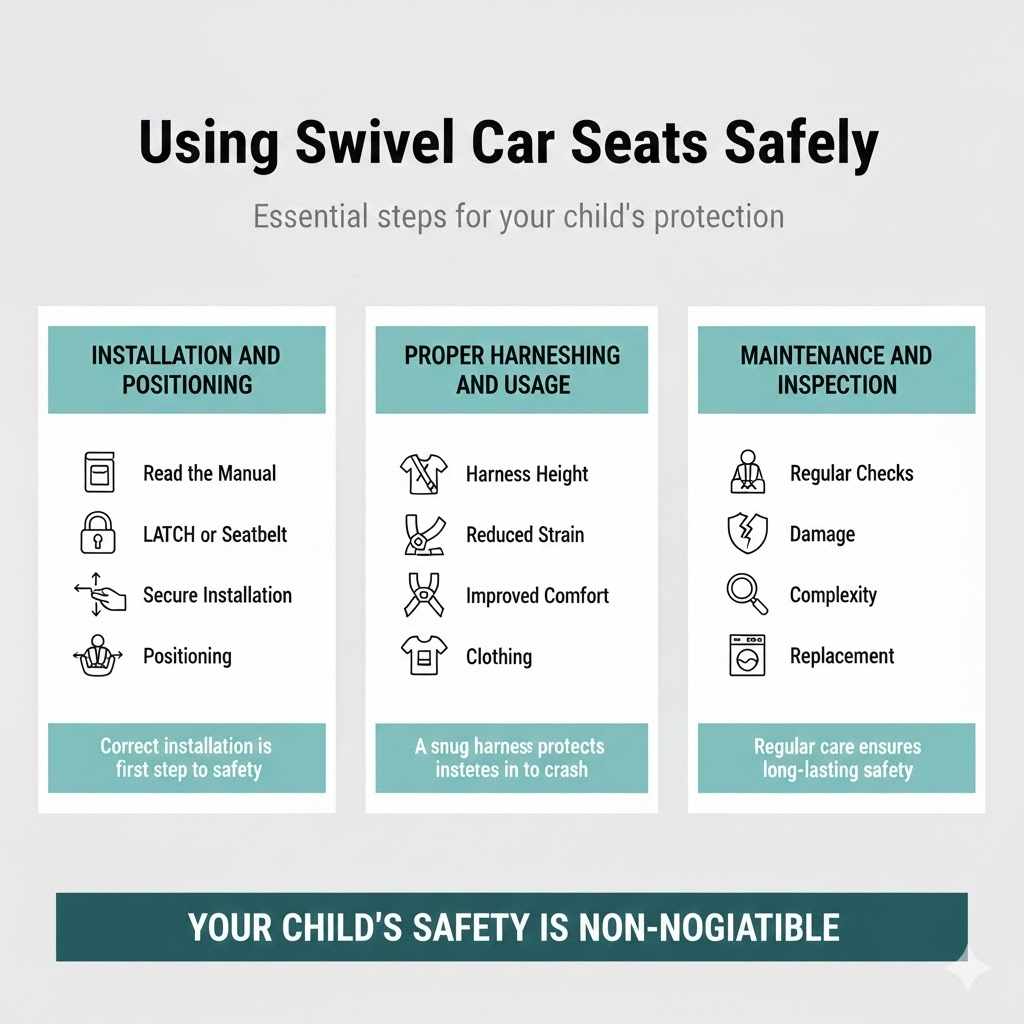
Using a swivel car seat correctly is very important. Always follow the manufacturer’s instructions when you install the car seat in your car. Make sure the seat is installed tightly. Also, always buckle your child in properly. The car seat should fit your child’s age, weight, and height. Remember to inspect the car seat regularly and keep it clean. By following these steps, you can help make sure that your child is safe when traveling in the car. It is a good thing to do!
Installation and Positioning
Putting the car seat in correctly is the most important thing. First, read the instructions carefully. Your car may have a LATCH system or a seatbelt. Make sure the car seat is connected tightly. Also, put the seat in the correct position for your child’s age and size. Keep the seat in the right position. Make sure you understand the instructions. If you’re not sure how to install the car seat, get help from a certified car seat technician. They can show you how to do it safely.
- Read the Manual: Start by reading the car seat’s instruction manual and your vehicle’s manual.
- LATCH or Seatbelt: Decide if you will use the LATCH system or the seatbelt.
- Secure Installation: Make sure the car seat is installed tightly so that it doesn’t move more than an inch.
- Positioning: Make sure the car seat is in the right position.
A study from the NHTSA showed that 46% of car seats are not installed correctly. Getting it right is very important.
Proper Harnessing and Usage
Buckling your child in correctly is also very important. Make sure the harness straps are at the right height. You should make the straps tight enough that you can’t pinch the harness material. It is also important to get the right harness. For forward-facing car seats, the straps should come from above the child’s shoulders. The chest clip should be at the right height. Also, make sure your child is not wearing bulky clothes under the harness. Keep the straps snug. Always check to make sure the seat is okay before you drive.
- Harness Height: Make sure the harness straps are at the right height for your child.
- Chest Clip: Position the chest clip at armpit level.
- Tightness: Make sure the harness is snug against the child’s body.
- Clothing: Avoid bulky clothing under the harness.
Following these steps can help keep your child safe. Being careful is very important!
Maintenance and Inspection
Checking and taking care of your car seat will help it last. Look at the car seat often to make sure there are no issues. Check for any damage, like cracks or loose parts. Check the harness and make sure the straps are not worn or frayed. Clean the car seat. The manufacturer’s instructions may show you how to do it. Always remove the cover and wash it when you need to. Never use harsh chemicals to clean the car seat.
- Regular Checks: Look at the car seat often.
- Damage: Check the car seat for damage.
- Cleaning: Clean the car seat according to the manufacturer’s directions.
- Replacement: Replace the car seat if it has been in a crash or is too old.
A study shows that car seats should be replaced after a crash, even if there are no visible signs of damage. The seat may not work correctly.
Frequently Asked Questions
Question: Are swivel car seats safe?
Answer: Yes, swivel car seats can be very safe if they are used and installed correctly. They have many safety features.
Question: Are swivel car seats legal everywhere in the US?
Answer: Yes, but you must follow federal and state rules. These rules cover things like age, weight, and height.
Question: How do I install a swivel car seat?
Answer: The best way is to follow the manufacturer’s instructions. You can use LATCH or your car’s seatbelt.
Question: What is LATCH?
Answer: LATCH (Lower Anchors and Tethers for Children) is a system for installing car seats without using the seatbelt. It uses anchors built into the car and the car seat.
Question: What do I do if my swivel car seat is damaged?
Answer: Stop using the car seat. Check the manufacturer’s instructions to see if the seat can be fixed. Always replace the car seat after a car accident.
Final Thoughts
So, Are Swivel Car Seats Legal in the US? The short answer is yes, as long as they follow the safety standards. Federal rules are the base, and then states can also have their own rules. Picking the correct swivel car seat is important. You need to consider your child’s age, weight, and height. Remember to check out the seat’s features, look at prices, and read what other parents have to say. Remember that the car seat’s instruction manual is key when it comes to installation. You must install the car seat securely. Making sure the car seat is well cared for, keeping an eye on it, and cleaning it, is also important. So, explore different options, get it right, and keep your child safe. You can do this!