Can I Get My Honda Serviced Anywhere? Your Legal Rights
In the U.S., Honda generally cannot void your warranty just because you used an independent shop; it may deny a claim if the shop’s work, skipped maintenance, or parts caused the failure. Miss that line, and you can lose a repair claim and pay out of pocket. This guide explains the warranty rules, what Honda can legally ask for, and how to service your car anywhere without hurting a claim.
Can I service my Honda at any shop?


Yes, you can usually service a Honda at any qualified shop, and any dealership can technically service your Honda. Warranty law generally protects your choice of repair provider, so the real question is whether the work was done correctly and documented well enough to support a future claim.
That legal line matters. Honda can recommend an authorized Honda dealership for Honda-specific training, OEM parts, specialty tools, and access to service bulletins and recalls. But a recommendation is not the same as a legal requirement for every service visit.
When an independent shop is a valid choice
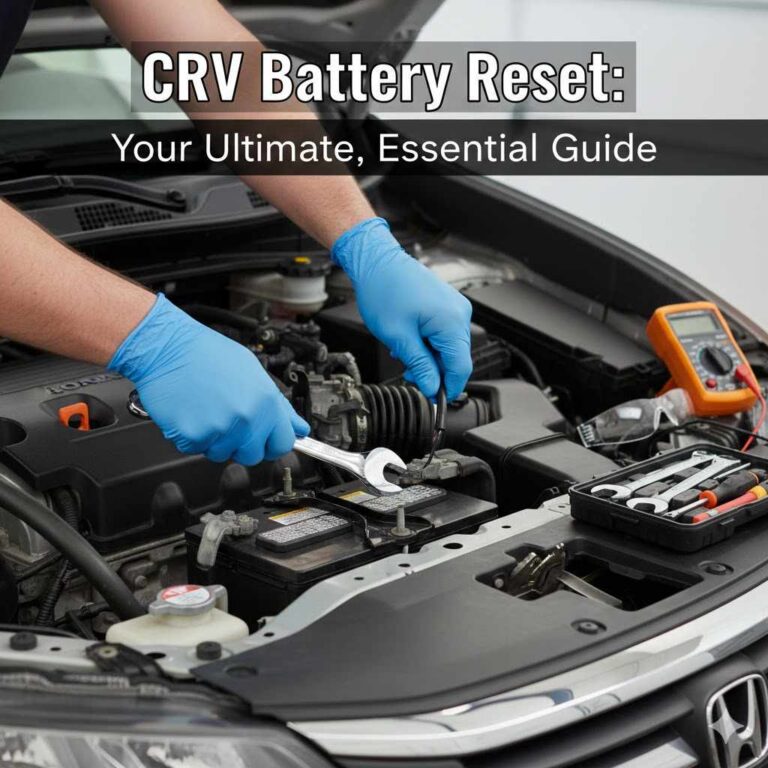
An independent repair shop is a valid choice for routine maintenance and many common repairs. Oil changes, filters, fluids, spark plugs, battery service, and many drivetrain or suspension jobs can be handled outside the dealer network if the shop follows Honda specifications and keeps clear records.
Independent shops also make sense when speed or price matters more than dealer amenities. They can often handle brake and tire work, and that is one area where dealer service is not the only competent option.
What documentation you should keep
Keep every receipt, the date, the mileage, the parts list, and a short description of the work. That paper trail helps with warranty claims, resale value, and any dispute over whether maintenance was done on time.
If a shop uses OEM parts, note that on the invoice. If it uses aftermarket parts, keep the brand and part number. The more precise the records, the easier it is to show that normal maintenance was not the cause of a failure.
Does Honda warranty require dealer service?
Honda warranty coverage generally does not require dealer service for every maintenance item or repair. The stronger rule is narrower: Honda can require proof that the vehicle was maintained properly, and it can deny a claim when poor maintenance, incorrect parts, or bad repair work caused the problem.
That distinction is the one many owners miss. Routine maintenance and warranty repairs are not the same thing, and recall work sits in its own category. Dealer service can simplify proof, but it is not automatically mandatory for coverage on a new Honda.
Warranty repairs versus maintenance
Warranty repairs are failures that fall within eligible coverage terms. Maintenance is scheduled upkeep, such as oil changes and tire rotations. A dealer may perform both, but Honda does not get to turn maintenance into a dealer-only legal requirement just because the car is under warranty.
Recalls are separate from routine ownership choices. Follow the recall channel Honda provides, because recall repairs are tied to safety and compliance, not routine ownership choices.
How claim denials usually happen
Most denials are about proof, not about where you walked in the door. If the oil change interval was missed, if the wrong fluid was used, or if an aftermarket part failed and damaged another component, Honda may deny that specific claim because the service history points to the cause.
Say your Civic develops engine noise after some miles without a documented oil change. Honda may ask for maintenance proof before approving the repair. A clean receipt trail can help; no records can turn a simple claim into a fight.
What to do if a dealer says service history is a problem
Ask for the denial in writing and request the specific reason. Then match that reason against your records. If the claim is denied because the dealer says the failure was tied to service or parts, the burden is usually on the evidence, not on the badge on the building.
If the shop’s work was proper and the records are complete, push back with invoices, dates, mileage, and photos of the parts used if you have them. Clear records matter more than shop loyalty.
When is a Honda dealer the better choice?
A Honda authorized dealership is often the safer choice when the problem may be warranty-related, when diagnosis is complex, or when you want the cleanest paper trail. Dealers use Honda-trained technicians, OEM parts, and model-specific diagnostic tools that line up with factory procedures.
That matters most for failures that could become claim disputes. The dealer is also more likely to handle warranty coverage directly, which can reduce back-and-forth on eligible repairs.
Service bulletins, recalls, and model updates
Authorized Honda dealers stay current on service bulletins and recalls. That is a real practical advantage because some drivability problems are fixed by a bulletin before they become a bigger repair, and recall work should move through the official recall process rather than a guess.
For newer models and early-production vehicles, dealer access to current updates can save time. It can also help a technician spot a known issue faster than a general shop working from broader databases.
When dealer records can help with a warranty claim
Dealership maintenance and repair records are documented and stored at the dealership. That can help if you need to show the history of a repeated concern or prove that a related service was completed on schedule.
Dealer records are not legally required to preserve warranty rights, but they can make the paperwork easier. That is useful when a claim depends on timing, mileage, or a sequence of prior repairs.
Can an independent mechanic service my Honda without risking coverage?
Yes, an independent mechanic can service your Honda without risking coverage if the work is correct, the parts are appropriate, and the records are complete. The risk is not the shop category itself; the risk is a maintenance miss, bad installation, or an evidence gap when a claim is reviewed.
For everyday ownership, that means an independent shop is often fine for routine maintenance and common repairs. The caution grows when the repair is likely to overlap with a warranty claim or when the car has modified parts.
Routine maintenance and common repairs
Independent shops can usually handle oil changes, filters, coolant service, alignment checks, belts, batteries, and many engine or chassis repairs. They may not guarantee warranty compliance for every repair, so you still need clean invoices and correct parts documentation.
A common first-timer mistake is treating every repair invoice as proof of proper maintenance. The invoice needs enough detail to show what was done, at what mileage, and with what parts or fluids.
Brake and tire work
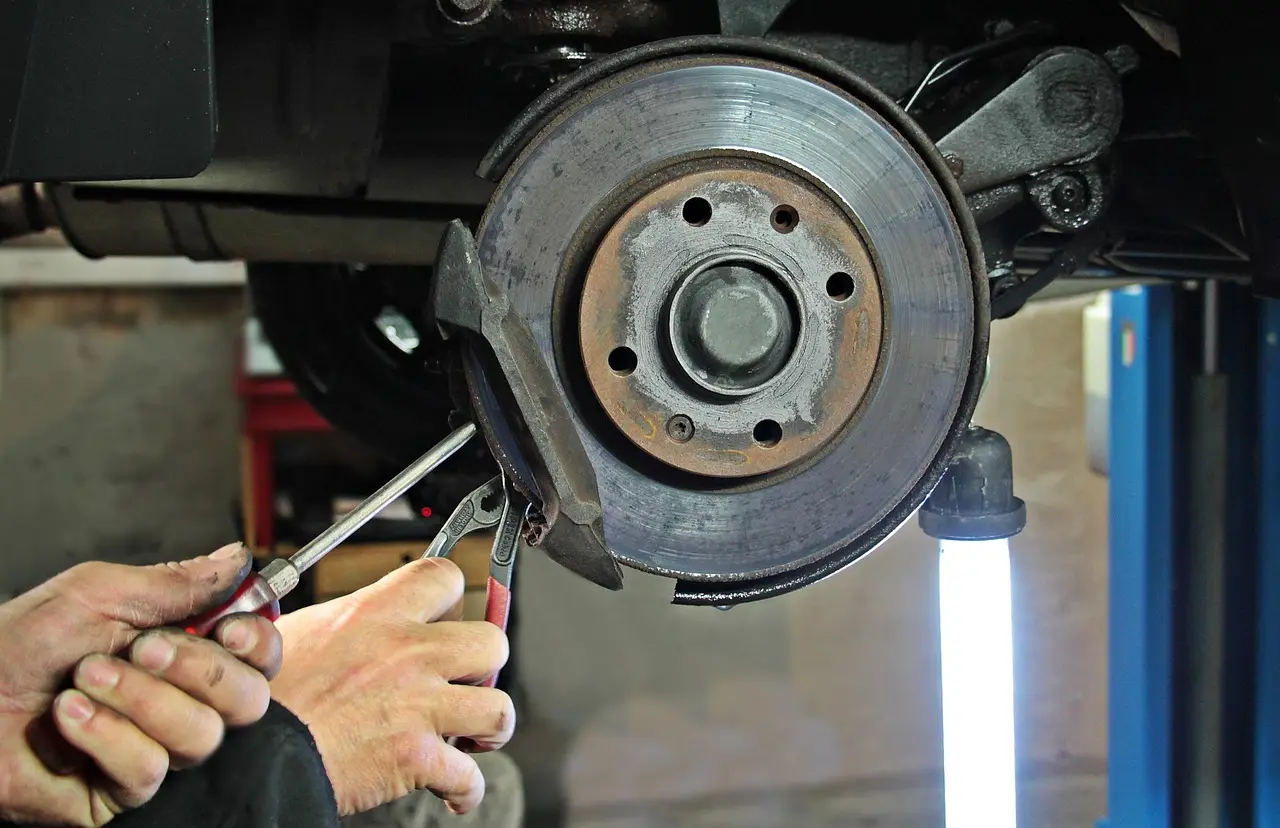
Independent shops do brake and tire work on a Honda, and that is often a sensible place to save time or money. Brakes, tires, mounting, balancing, and alignments are standard jobs for many reputable local shops.
Still, keep the paperwork. If a brake issue later becomes part of a broader warranty dispute, the service record should show that the work was limited to the brakes and completed correctly.
Aftermarket parts and the documentation you need
Aftermarket parts can complicate a claim if the failure appears linked to the part or the installation. Honda cannot reject a claim just because a non-OEM part exists somewhere on the car, but it can question coverage when that part caused the damage.
Keep part numbers, brand names, and labor invoices. If the shop used OEM parts, note that clearly. If it used aftermarket parts, save the packaging or the line item on the receipt.
What service records should you keep?
Keep receipts, dates, mileage, part descriptions, fluid specifications, and the name of the shop. Those records support warranty claims, help resolve disputes, and can improve resale value by proving the car was maintained on schedule.
Service records matter because they show consistency. A missing interval or vague invoice can weaken a claim even when the repair itself is legitimate.
| Record item | What to keep | Why it matters |
|---|---|---|
| Date and mileage | Service date and odometer reading | Shows maintenance timing |
| Parts list | Brand, part number, and fluid type | Helps prove correct materials were used |
| Work description | What was repaired or replaced | Clarifies whether the job was routine or warranty-related |
| Shop details | Dealer or independent shop name | Identifies who performed the work |
| Follow-up notes | Any symptoms before or after service | Helps explain later failures or repeat concerns |
How do dealer and independent shops compare on cost, timing, and convenience?
Dealer service often costs more, but it can offer tighter warranty documentation, Honda-specific tooling, and easier access to service bulletins and recalls. Independent shops usually compete on price and may be faster for routine work, especially when the dealer is backed up.
Convenience matters too. Service hours, evening or weekend availability, and proximity can matter more than logo preference when you need the car back quickly. Shuttle service or loaner vehicles are nice-to-have conveniences, not legal advantages.
Typical tradeoffs in price and turnaround
For oil changes, brake service, tires, and other routine work, independent shops often have lower labor rates. Dealers may be slower during peak periods, but they can also be better set up for Honda-specific diagnosis and warranty administration.
For complex electrical, drivability, or known-model issues, the dealer can save time because the technician may already know the relevant bulletin or repair path.
Service hours, weekends, and proximity
Choose the place that fits your schedule if the repair is routine and non-urgent. A nearby shop with Saturday hours can be the right call for maintenance, while a dealer farther away may still be worth the trip for a tricky warranty concern.
If the issue is safety-related or may trigger a claim, convenience should come second to documentation and diagnostic quality.
Loaner vehicle and shuttle service
Loaner vehicles and shuttle service can make dealer visits easier, especially for longer repairs. They do not affect warranty rights, but they can reduce the real cost of dropping the car off.
If the dealer offers them and the schedule works, that can tip the decision toward the dealership for major repairs or recall visits.
Use this Honda service decision checklist
Use this as a one-page decision rule. It separates routine maintenance, warranty repairs, recall work, and aftermarket-part situations so you can choose the right service path without guessing.
- Routine maintenance: Has the job been done on time, with the correct fluids and parts? If yes, either a dealer or a qualified independent shop is usually fine. If no, fix the gap first and save the new receipt.
- Warranty repair: Is the issue likely covered and possibly disputed? If yes, go to an authorized Honda dealer first, or be prepared to prove the failure was not caused by outside work.
- Recall: Is there an open recall? If yes, follow Honda’s recall process rather than treating it like routine service.
- Aftermarket parts or modifications: Are non-OEM parts installed near the failed component? If yes, keep every receipt and be ready for Honda to ask whether the part or installation caused the problem.
- Documentation check: Do you have dates, mileage, and part details? If no, get them before a dispute starts.
Yes or no path for routine maintenance
Yes: Use a dealer or an independent shop with good records. No: If the shop cannot document the work clearly, do not assume the invoice will protect a future claim.
Yes or no path for warranty repairs
Yes: Start with an authorized Honda dealer. No: If you choose an independent shop for diagnosis, keep the report and photos in case Honda later asks for proof.
Yes or no path for recalls
Yes: Follow the Honda recall channel and schedule the repair promptly. No: Do not treat recall work as optional maintenance; it is a separate safety matter.
Yes or no path for aftermarket-parts situations
Yes: Keep receipts, part numbers, and installation notes. No: Do not rely on a vague “replaced something” invoice if the vehicle later needs a warranty claim.
Frequently asked questions
Can I service my Honda at any dealership?
Yes. Any dealership can technically service your Honda, but an authorized Honda dealership has the strongest Honda-specific support. That includes Honda-trained technicians, OEM parts, specialty tools, and better access to service bulletins, recall information, and warranty-compliance records.
Can I take my Honda to an independent mechanic without voiding warranty?
Yes, you can usually take your Honda to an independent mechanic without voiding warranty coverage. The key issue is whether the shop’s work, skipped maintenance, or installed parts may have caused the failure. Keep receipts and mileage records so Honda can evaluate the claim fairly.
Does Honda warranty require dealer service?
No, Honda warranty does not generally require dealer service for every maintenance item or repair. Honda can ask for proof that the car was maintained properly, and it can deny a specific claim if poor service or the wrong parts caused the problem.
Will non-Honda service void my warranty?
No. Non-Honda service does not automatically void your warranty. Coverage can be challenged only when the outside service, a maintenance lapse, or a part choice is tied to the failure being claimed. Good records are the difference between a routine claim and a dispute.
What service records do I need to keep for my Honda?
Keep the date, mileage, work description, parts list, fluid type, and shop name for each visit. Those records support warranty claims, help explain repair history, and can improve resale value by showing that maintenance was done on schedule and with the correct materials.
How do I choose a Honda service center near me?
Start with proximity and convenience, then check reputation and customer reviews. If the repair is warranty-related, an authorized Honda dealer is often the safer choice because of Honda-trained technicians, OEM parts, bulletin access, and stored maintenance records. Shuttle service or loaner vehicles are useful extras.
Products related to this article
Sponsored / affiliate links. As an Amazon Associate I earn from qualifying purchases. I may earn additional commission from eligible campaigns.