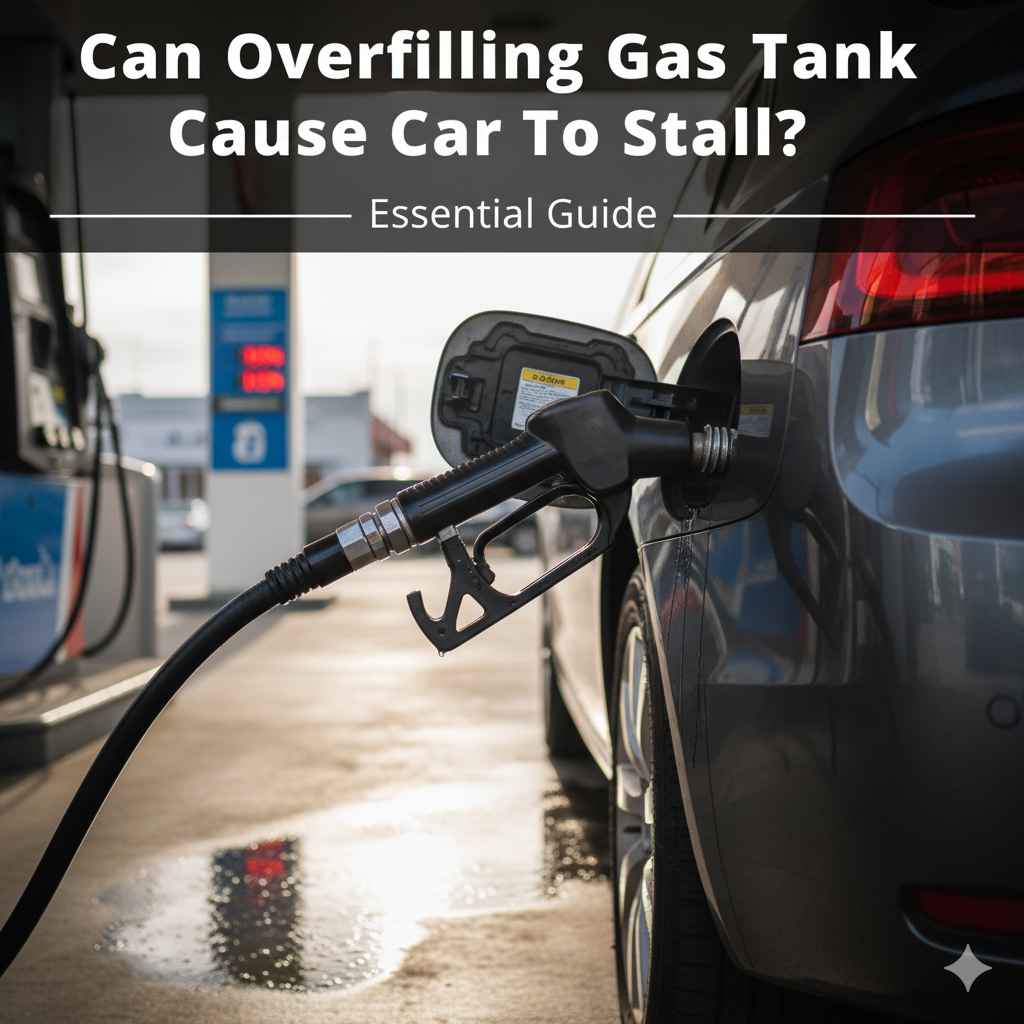
Can Overfilling Gas Tank Cause Car To Stall? Essential Guide
Yes, overfilling your gas tank can absolutely cause your car to stall, especially if it happens repeatedly. This guide will help you understand why and how to avoid this frustrating issue.
Have you ever felt that sinking feeling when your car sputters and dies, only for you to remember you might have just filled ‘er up a bit too much? It’s a common worry, and for good reason! That extra splash of gasoline might seem harmless, but it can actually lead to your car stalling. Don’t sweat it, though. Understanding how this happens is the first step to preventing it. We’ll break down exactly why too much gas can be bad news for your engine, what signs to look for, and how to fix it if it happens. Let’s get your car running smoothly again!
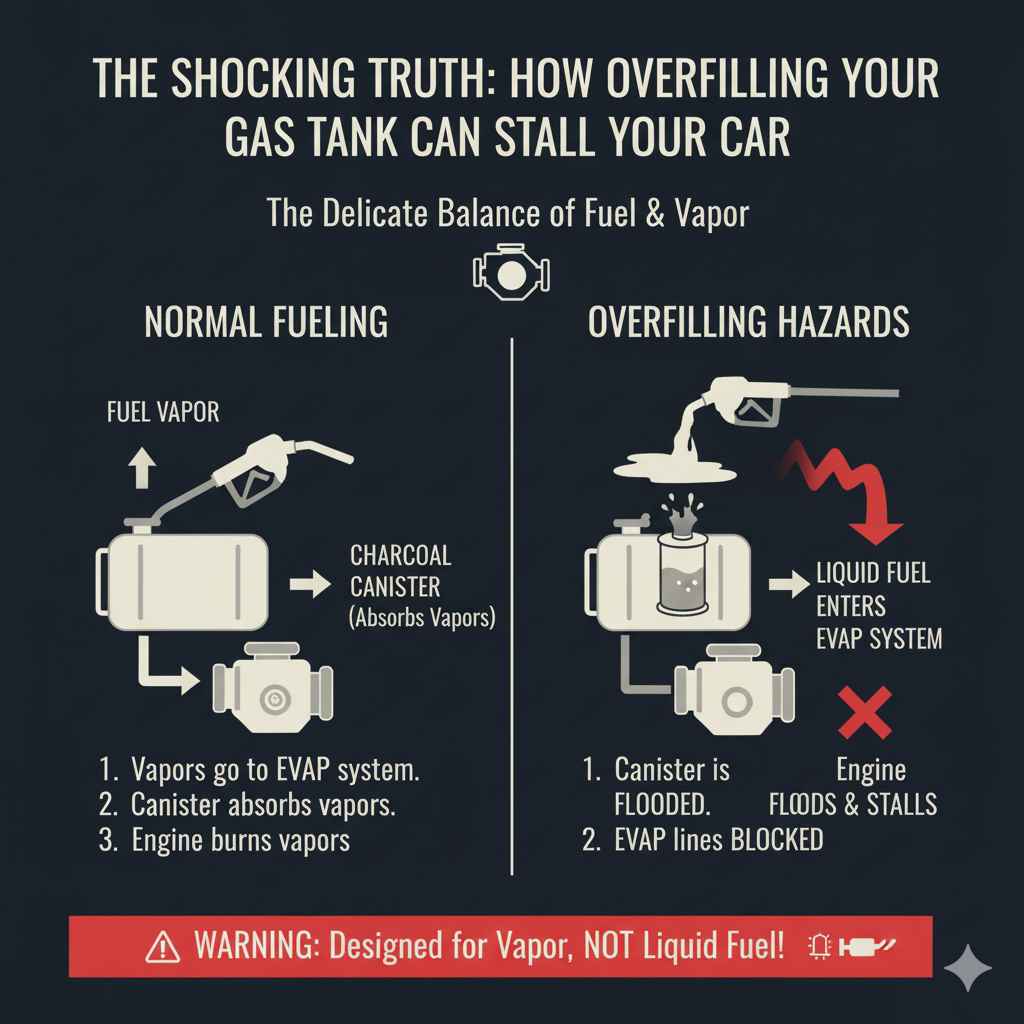
The Shocking Truth: How Overfilling Your Gas Tank Can Stall Your Car
It sounds counterintuitive, right? More gas should mean more power, not a stalled engine. But your car’s fuel system is a delicate ecosystem, and messing with its balance can cause problems. The primary culprit when you overfill your tank isn’t usually the liquid gas itself, but the vapor it creates.
When you fill your tank, you displace air. This air, along with some of the gasoline, turns into fuel vapor. This vapor is what your car’s engine is designed to use. However, when you try to cram too much gas into the tank, the liquid fuel can actually find its way into parts of the system that are only meant for vapor.
Here’s a closer look at what happens:
The Evaporative Emissions Control (EVAP) System: This is a crucial system in modern cars designed to capture fuel vapors and prevent them from escaping into the atmosphere. It includes a charcoal canister that absorbs these vapors until the engine is ready to burn them.
Liquid Gas vs. Vapor: The EVAP system is designed to handle fuel vapors, not liquid fuel. If you overfill the tank, liquid gasoline can flood the charcoal canister.
Damage to the Charcoal Canister: A saturated charcoal canister can no longer effectively absorb fuel vapors. This can lead to “check engine” lights and, more importantly, create a situation where unburned fuel can reach the engine in the wrong way.
Blocked EVAP Lines: Sometimes, overfilling can send liquid fuel into the EVAP lines, where it can pool and create blockages. This prevents the system from breathing properly.
Flooding the Engine: In extreme cases, particularly if you try to start the car immediately after severely overfilling, liquid fuel can enter the intake manifold and flood the engine. This starves the engine of necessary air, causing it to stall or refuse to start.
So, while it’s not the liquid gas directly “choking” your engine like you might imagine, it’s the disruption of the carefully designed fuel vapor management system that leads to stalling and other performance issues.
Signs Your Car Might Be Suffering from a Fueling Faux Pas
If your car stalls shortly after filling up, or if you’ve noticed some other strange behaviors, it might be more than just a one-off fluke. Here are some common symptoms that could indicate overfilling has caused an issue:
Stalling: This is the most direct symptom. Your engine might sputter, hesitate, and then abruptly shut off, especially when you’re accelerating or trying to maintain speed.
Rough Idling: The engine might run unevenly when you’re stopped, sounding shaky or uneven.
Hesitation or Stumbling: When you press the accelerator, the car might hesitate for a second before picking up speed, or it might feel like it’s stumbling.
Check Engine Light: A persistent “Check Engine” light can be triggered by issues within the EVAP system that were caused by overfilling. The light might come on immediately or after a few driving cycles.
Difficulty Starting: The car might crank but refuse to start, or it might start briefly and then stall again. This is a sign that the engine is being flooded.
Fuel Smells: You might notice a stronger-than-usual smell of gasoline around your car, especially after filling up. This can indicate a leak or that vapors aren’t being properly contained.
If you experience any of these symptoms, especially right after refueling, it’s worth considering that overfilling might be the cause.
Why You Should Stop Pumping When the Nozzle Clicks Off
Modern gas pumps are designed to prevent overfilling with an automatic shut-off nozzle. This little click is your signal that the tank is full. Here’s why it’s crucial to listen to it:
1. The Air Space is Important: Your fuel tank is not designed to be completely filled to the brim. There needs to be an air space at the top of the tank. This space is vital for the expansion and contraction of fuel due to temperature changes. Without it, pressure can build up, potentially causing problems.
2. Protecting the EVAP System: As we discussed, this air space provides a buffer zone for fuel vapors. When the tank is completely full, there’s no room for these vapors, and liquid fuel can be forced into the EVAP system.
3. Preventing Fuel Spills: Even a small extra squeeze can cause fuel to spill out. This is not only wasteful but also creates a fire hazard and releases harmful pollutants into the air. The vapor recovery system on the pump is designed to capture vapors, not liquid overflow.
4. Avoiding EVAP System Damage: Repeatedly topping off or forcing extra gas in after the nozzle clicks off can damage the charcoal canister and other components of the EVAP system. This is a costly repair.
5. Saving Money: You’re not actually getting much more fuel by forcing it in. You’re just paying for potential problems down the road.
A Good Rule of Thumb: Stop pumping when the nozzle automatically clicks off. Resist the urge to “top it off” or add a few extra gallons. Your car will thank you!
Common Misconceptions About Overfilling
It’s easy to get confused about car maintenance. Let’s clear up a few common myths about overfilling your gas tank:
Myth: “I’m just getting my money’s worth by topping it off.”
Reality: Modern fuel pumps are very accurate. The automatic shut-off is designed to fill the tank to capacity without overfilling. Forcing extra fuel in is unlikely to add a significant amount and can damage your car.
Myth: “A little extra gas won’t hurt.”
Reality: While a tiny bit more than the click might not cause immediate disaster, it’s a bad habit. Consistently overfilling puts stress on your EVAP system and increases the risk of problems.
Myth: “My old car didn’t have this problem, so new cars are too sensitive.”
Reality: Newer cars have more sophisticated emissions control systems (like the EVAP system) that are more sensitive to overfilling. These systems are designed to be more efficient and environmentally friendly, but they require proper fueling practices.
Myth: “If the gas doesn’t spill out, it’s fine.”
Reality: The damage from overfilling often happens internally, within the EVAP system, where you can’t see it. Spillage is just one potential outcome; unseen damage is more common.
Understanding these myths helps validate why sticking to the pump’s shut-off is the best practice for your vehicle’s health.
The Evaporative Emission Control (EVAP) System Explained
Let’s dive a little deeper into the EVAP system, as it’s at the heart of why overfilling causes stalling. For a detailed look at how these systems work, you can refer to resources like this explanation from the Environmental Protection Agency (EPA).
The EVAP system has a key role: capturing fuel vapors. Here’s how it generally functions:
1. Vapor Collection: As fuel is used from the tank, vapors naturally form and rise. These vapors are collected and routed away from the tank.
2. Charcoal Canister: The primary component is the charcoal canister. It’s filled with activated charcoal, which is highly absorbent and traps fuel vapors.
3. Purge Valve: When the engine is running under optimal conditions, a purge valve opens. This allows the engine to suck in the trapped fuel vapors from the charcoal canister and burn them as part of the normal combustion process.
4. Breather Valve: When the engine isn’t running or is at idle, a breather valve allows fresh air into the system, which helps pull vapors into the canister and prevents a vacuum from forming in the fuel tank.
What Happens When You Overfill?
When you ignore the first click of the fuel nozzle and keep pumping, liquid gasoline can rise too high in the tank. This liquid can then be forced into the EVAP system’s lines and directly into the charcoal canister. The charcoal canister becomes saturated with liquid fuel instead of just vapors. It loses its ability to absorb, and the system can become blocked.
Saturation: The charcoal can no longer effectively absorb fuel vapors.
Blockages: Liquid fuel can create blockages in the hoses and lines of the EVAP system.
Purge Valve Issues: If liquid fuel reaches the purge valve, it can damage it or cause it to stick open or closed.
These issues disrupt the delicate balance of the EVAP system, leading to performance problems like stalling, rough idling, and the dreaded “Check Engine” light.
Fixing a Car That Stalls Due to Overfilling
If your car has stalled because you overfilled the gas tank, don’t panic. Often, the problem can resolve itself over time, but sometimes a little help is needed.
Step-by-Step Guide to Resolving Potential Overfilling Issues:
1. Let it Sit: The simplest solution is often time. If you’ve only slightly overfilled, and haven’t forced fuel into the EVAP system, the engine might just need a chance to burn off the excess fuel. Give the car a break for an hour or two, or even overnight if possible.
2. Try Starting Again (Carefully): After waiting, try starting your car. Don’t give it too much gas initially.
Turn the key to the “ON” position (without starting the engine) for about 10 seconds. This allows the fuel pump to prime the system.
Then, try to start the engine normally.
If it starts but runs rough, let it idle for a few minutes. Give it gentle gas pedal input to help it even out.
3. Drive Gently: If the car starts and seems to be running okay, drive gently for a short period. Avoid hard acceleration or high speeds. The goal is to allow the engine to run cleanly and to start clearing any excess fuel or vapors.
4. Check for “Check Engine” Light: If the “Check Engine” light comes on, it’s a strong indicator that the EVAP system is involved.
When to Seek Professional Help:
If your car refuses to start after multiple attempts, if it stalls repeatedly, or if the “Check Engine” light stays on and indicates an EVAP system code (like P0440, P0441, P0442, P0455, etc.), it’s time to visit a mechanic.
A mechanic can:
Scan for EVAP Codes: Diagnose specific problems within the EVAP system.
Perform a Smoke Test: This is a common diagnostic test for EVAP leaks and blockages. A non-toxic smoke is pumped into the system, and technicians look for where the smoke escapes, indicating a leak, or if it doesn’t flow properly, indicating a blockage.
Replace the Charcoal Canister: If the canister is damaged or saturated, it will need to be replaced.
Clear Blockages: Sometimes, fuel lines can be cleared or replaced.
Repair or Replace Purge/Breather Valves: If these components are damaged, they’ll need attention.
DIY Tip: Always listen to the automatic shut-off on the fuel nozzle. It’s there for a reason, and respecting it is the easiest way to avoid these issues.
Tools and Parts Potentially Involved in EVAP Repair
If you or your mechanic need to address EVAP system issues caused by overfilling, here are some components and diagnostic tools you might encounter:
Key EVAP System Components:
Charcoal Canister: The primary storage unit for fuel vapors.
Purge Valve: Controls the flow of vapors from the canister to the engine intake.
Breather Valve/Solenoid: Manages airflow into the canister.
Fuel Tank Pressure Sensor: Monitors pressure within the fuel tank.
EVAP Hoses and Lines: Connect all the EVAP components.
Fuel Filler Neck: The pipe you insert the gas nozzle into.
Gas Cap: A crucial seal for the fuel system. (A loose or faulty gas cap is another common cause of EVAP codes).
Diagnostic and Repair Tools:
OBD-II Scanner: Essential for reading trouble codes from the car’s computer, which will point towards EVAP system issues. You can find beginner-friendly scanners online and at auto parts stores.
Smoke Machine: A specialized tool used by mechanics to detect leaks and blockages in the EVAP system.
Basic Hand Tools: Wrenches, screwdrivers, pliers for accessing and replacing components.
Replacement Parts: The specific canister, valves, or hoses needed for your vehicle model. Reputable online auto parts retailers like RockAuto or your local dealership can supply these.
Table: Common EVAP System Codes Related to Overfilling
| Code | Description | Potential Cause Related to Overfilling |
|---|---|---|
| P0440 | Evaporative Emission System (EVAP) System | General EVAP malfunction; overfilling can saturate the charcoal canister, triggering the code. |
| P0441 | Evaporative Emission System Incorrect Purge Flow | Fuel entering lines due to overfill can disrupt normal vapor flow. |
| P0442 | Evaporative Emission System Leak Detected | Overfilled fuel may saturate the canister or damage lines, creating apparent leaks. |
| P0455 | Evaporative Emission System Huge Leak Detected | Excess fuel from overfill can cause significant blockage or line stress, leading to a large leak detection. |
| P0456 | Evaporative Emission System Very Small Leak | Less common from overfill but possible; overfilling may cause minor vapor leaks or loose gas cap issues. |
It’s important to note that while a loose gas cap can trigger EVAP codes, persistent issues after overfilling usually point to more significant EVAP system disruption like canister saturation or line blockage.
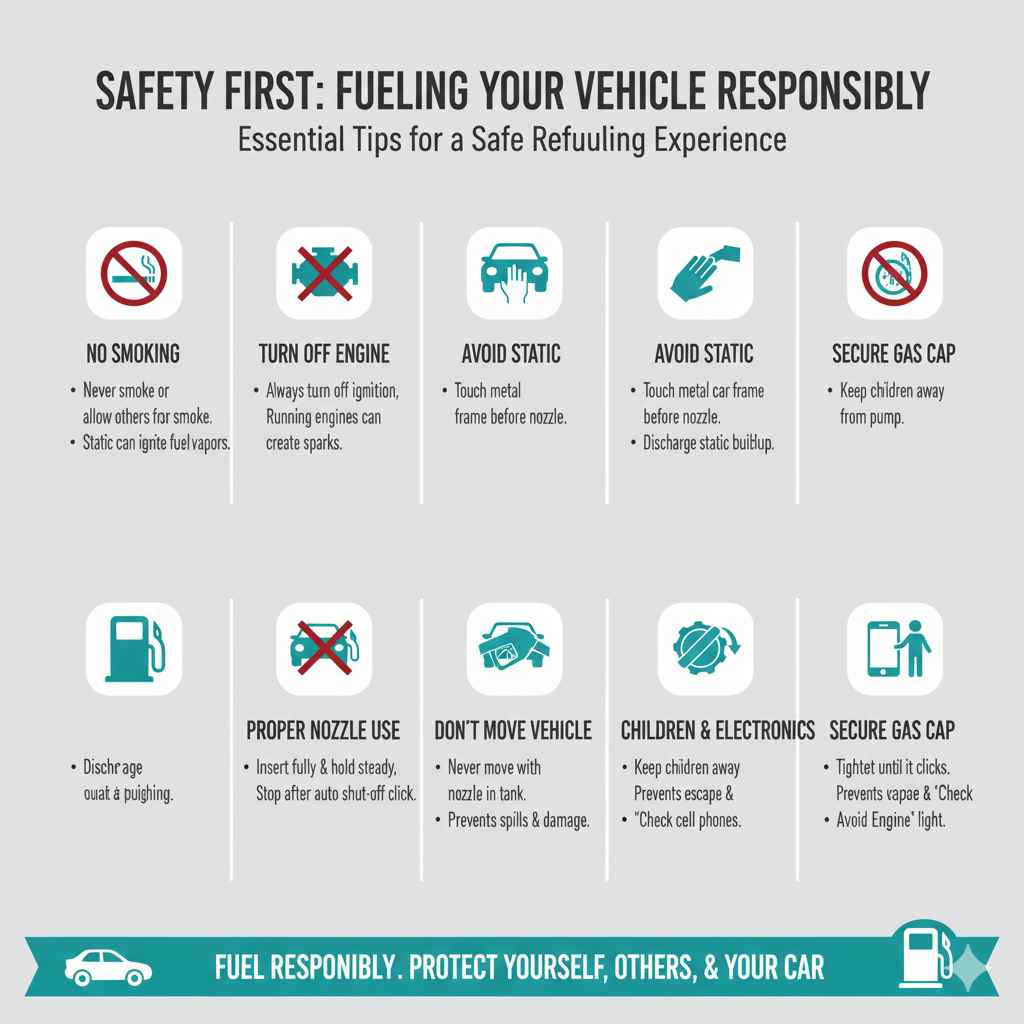
Safety First: Fueling Your Vehicle Responsibly
Fuel is flammable, and safety should always be your top priority at the gas station. Here are some essential safety tips to keep in mind:
No Smoking: Never smoke while fueling your vehicle, and ensure no one else does either. Static electricity from smoking could ignite fuel vapors.
Turn Off Your Engine: Always turn off your engine before starting to refuel. Running engines can create sparks.
Avoid Static Electricity: In dry weather, static electricity can build up. Touch a metal object (like your car’s door frame) before touching the fuel nozzle to discharge any static buildup.
Proper Nozzle Use: Insert the nozzle fully into the filler neck and hold it steady. Listen for the automatic shut-off click and stop pumping.
Don’t Move Your Vehicle: Never move your vehicle while the fuel nozzle is still in the filler neck. This can cause fuel spills and damage to the pump and nozzle.
Secure Your Gas Cap: Always tighten your gas cap until it clicks multiple times. A loose gas cap can trigger a “Check Engine” light and allow fuel vapors to escape.
Report Spills: If you accidentally spill fuel, report it to the gas station attendant immediately. Try to contain small spills if it can be done safely. Large spills may require professional cleanup.
* Children and Electronics: Keep children away from the fueling area. Also, avoid using cell phones while fueling, as there is a theoretical, albeit very small, risk of ignition from electronic devices.
By following these simple safety guidelines, you can ensure a safe and efficient refueling experience every time. Responsible fueling protects you, others, and your car.
Frequently Asked Questions (FAQ) about Overfilling Gas Tanks
Q1: I accidentally overfilled my tank and now my car stalls. What should I do first?
First, don’t try to force the engine to start repeatedly. Turn off the ignition, give your car a break for at least an hour, and then try starting it gently without pushing the accelerator hard on startup. If it struggles or stalls again, it might need further attention.
Q2: How much is “overfilling”? Is one extra little squeeze after the click bad?
Slightly topping off once in blue moon, where you add just a tiny bit more after the first click, is unlikely to cause immediate severe problems. However, consistently overfilling or forcing in gallons of extra fuel can definitely damage your car’s Evaporative Emission Control (EVAP) system. It’s a habit best avoided.
Q3: Will my “Check Engine” light come on if I overfill my gas tank?
Often, yes. Overfilling can disrupt the EVAP system, which is monitored by your car’s computer. This can trigger a “Check Engine” light with codes related to EVAP system leaks or incorrect flow.
Q4: How long does it take for a car to recover after overfilling?
If the overfilling was minor and didn’t severely damage the EVAP system, letting your car sit for a few hours or driving gently for a short period might be enough for it to recover.