Can You Start a Car at Minus 30 Degrees
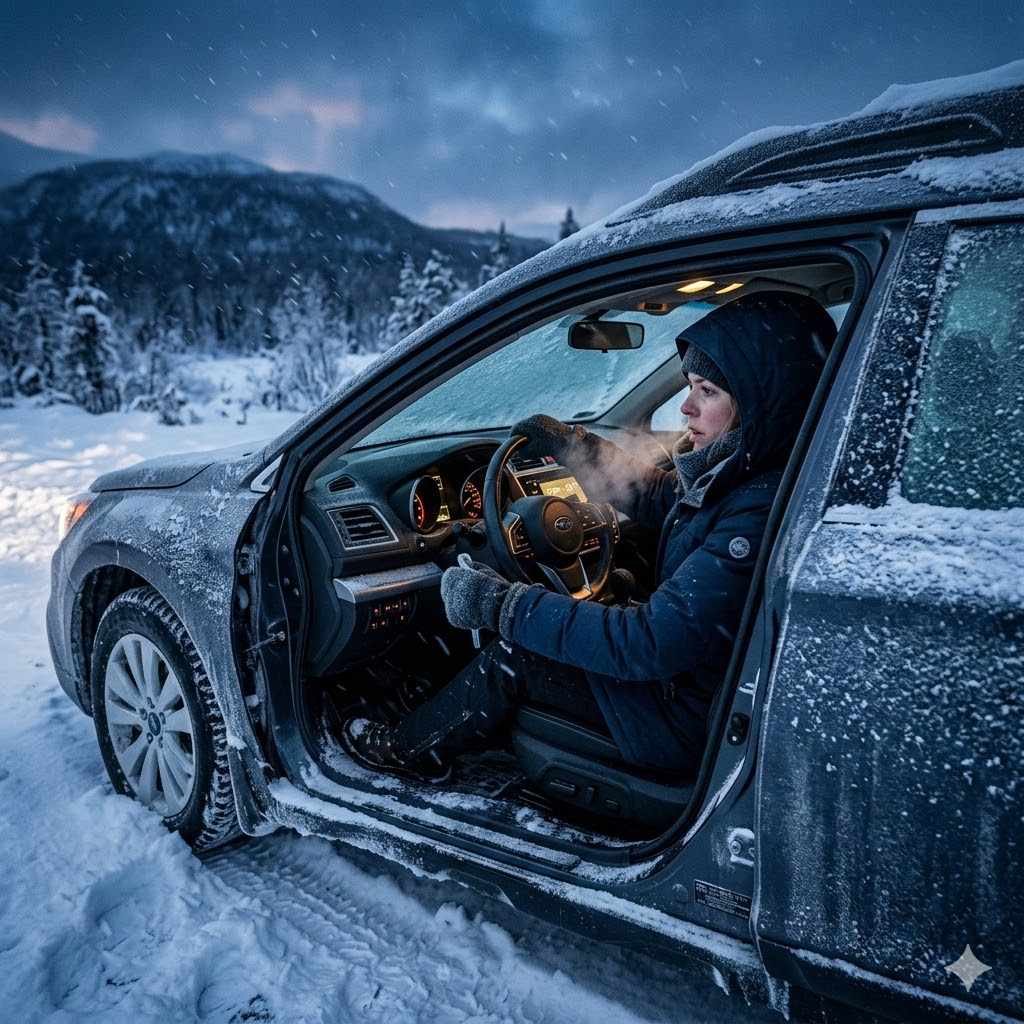
Have you ever wondered Can You Start a Car at Minus 30 Degrees? It sounds super cold, right? For many folks, especially those new to driving or living where it gets really chilly, starting a car in such extreme weather can feel like a big puzzle. It’s not as hard as it might seem, though!
We’re here to break it down step-by-step so you can get your car running even when it’s freezing outside. We’ll cover simple things you can do to make sure your car is ready for the cold.
Preparing Your Car for Extreme Cold
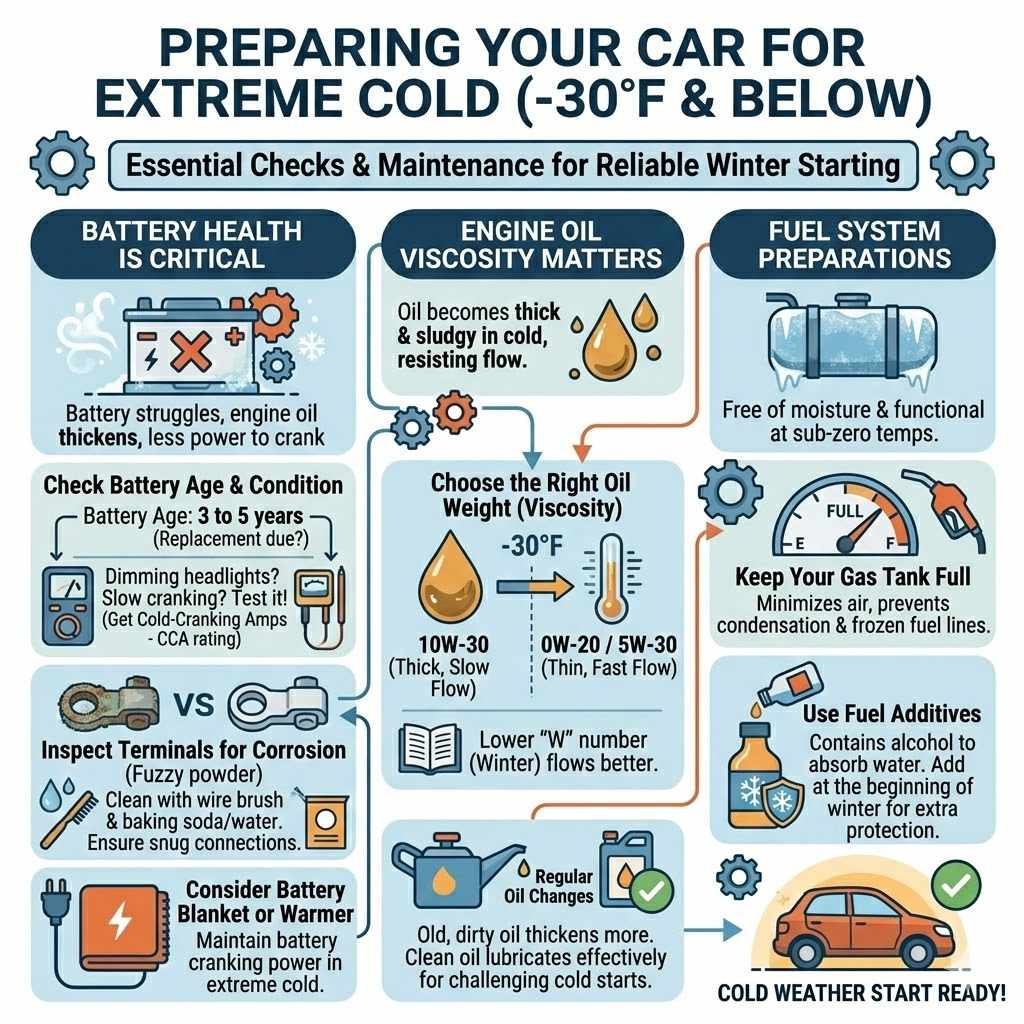
When winter brings seriously low temperatures, like minus 30 degrees Fahrenheit or even colder, your car needs a little extra attention to ensure it starts reliably. Proper preparation is key to avoiding frustrating mornings stuck in the cold. This section looks at the essential checks and maintenance steps you should take before the deepest freeze sets in.
Battery Health Is Critical
The car battery is often the first thing to struggle in extreme cold. Cold weather thickens the oil in the engine, making it harder for the starter motor to crank. It also reduces the battery’s efficiency, meaning it has less power to get the job done.
A battery that’s even a little weak in mild weather can completely fail when it’s minus 30 degrees.
- Check the Battery Age and Condition.
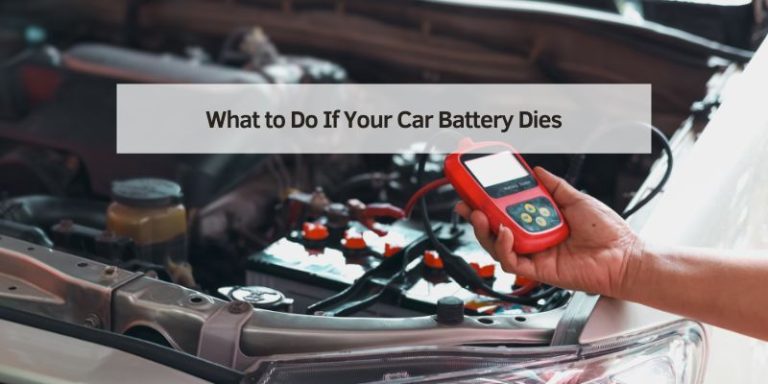
- Car batteries typically last 3 to 5 years. If yours is older, or if you’ve noticed dimming headlights or slow engine cranking, it’s a good idea to have it tested. Many auto parts stores offer free battery testing.
- This test will tell you if your battery has enough cold-cranking amps (CCA) to start your car in frigid temperatures. CCA is a rating that indicates how much power a battery can deliver in cold conditions.
- Inspect Terminals for Corrosion.
- Corrosion on battery terminals looks like a fuzzy white or bluish powder. It can prevent electricity from flowing properly. Clean the terminals with a wire brush and a mixture of baking soda and water.
- Make sure the connections are snug after cleaning. Corrosion acts like a barrier, resisting the flow of electrical current, which is vital for starting the engine, especially when the battery is already under strain from the cold.
- Consider a Battery Blanket or Warmer.
- For those living in extremely cold climates, a battery warmer can be a worthwhile investment. This device plugs into an electrical outlet and keeps the battery at a more optimal temperature. It helps maintain the battery’s cranking power.
Some people even use insulated covers. These accessories help to mitigate the effects of extreme cold on the battery’s chemical reactions and overall performance.
Engine Oil Viscosity Matters
Engine oil’s primary job is to lubricate moving parts and reduce friction. In cold weather, oil can become thick and sludgy. This makes it much harder for the engine to turn over.
Using the correct type of oil is crucial for cold starts.
- Choose the Right Oil Weight.
- Your car’s owner’s manual will specify the recommended oil viscosity (weight) for different temperature ranges. For very cold climates, a multi-viscosity oil with a lower “W” number (like 0W-20 or 5W-30) is usually recommended. The “W” stands for winter.
- A lower “W” number means the oil flows better at colder temperatures, reducing the strain on your engine during startup. For instance, 0W-20 oil is much thinner at very low temperatures than 10W-30 oil.
- Regular Oil Changes.
- Old, dirty oil can become even more viscous in the cold, further hindering performance. Sticking to a regular oil change schedule, as recommended by your vehicle manufacturer, ensures your oil is in good condition to handle all types of weather. Clean oil lubricates more effectively and contributes to a smoother engine operation, especially during those challenging cold starts.
Fuel System Preparations
The fuel system delivers gasoline to the engine. It needs to be free of moisture and able to function at sub-zero temperatures.
- Keep Your Gas Tank Full.
- This is a simple but very effective tip. A full tank of gas reduces the amount of air inside the tank, which helps prevent condensation from forming. Water in your fuel lines can freeze, blocking fuel flow and preventing your car from starting.
- Keeping the tank at least half full, and ideally closer to full, minimizes this risk significantly.
- Use Fuel Additives.
- There are fuel additives available that can help prevent fuel lines from freezing. These additives typically contain alcohol, which absorbs any small amounts of water present. If you live in a region prone to extreme cold, adding one of these at the beginning of winter can offer extra protection for your fuel system.
Always follow the product’s instructions for use.
Starting Your Car in Minus 30 Degree Weather
Even with excellent preparation, starting a car at minus 30 degrees can still require some specific techniques to ensure success. These steps are designed to minimize strain on your vehicle’s components and maximize your chances of a quick start.
The Starting Procedure
When you turn the key or push the start button, several things happen simultaneously. Understanding these actions can help you troubleshoot if your car doesn’t start immediately.
- Turn the Key or Push the Button.
- The first step is always to initiate the starting sequence. In most modern cars, this involves turning the ignition key to the “on” position for a few seconds before turning it fully to “start.” This allows the fuel pump to prime the system and the onboard computers to boot up. In cars with push-button start, you might press the button once without your foot on the brake to turn on accessories and prime the fuel system, then press and hold it with your foot on the brake to start the engine.
- Listen Carefully.
- Pay attention to the sounds your car makes. If you hear a rapid clicking sound, it often indicates a weak battery that doesn’t have enough power to turn the starter motor. If you hear a single, slow click, it might mean the starter motor is trying to engage but isn’t getting enough power, or there’s a mechanical issue.
- A healthy start will involve the starter motor spinning the engine and then the engine catching and running.
- Don’t Over-Crank the Engine.
- If the engine doesn’t start after a few seconds, don’t keep cranking it. Over-cranking can overheat the starter motor and drain the battery further. Most manufacturers recommend cranking for no more than 10-15 seconds at a time.
If it doesn’t start, give the battery and starter a few minutes to recover before trying again.
Dealing with a No-Start Situation
When the car just won’t turn over, it’s natural to feel frustrated. However, knowing what to do next can save you a lot of trouble.
- Attempt a Jump Start.
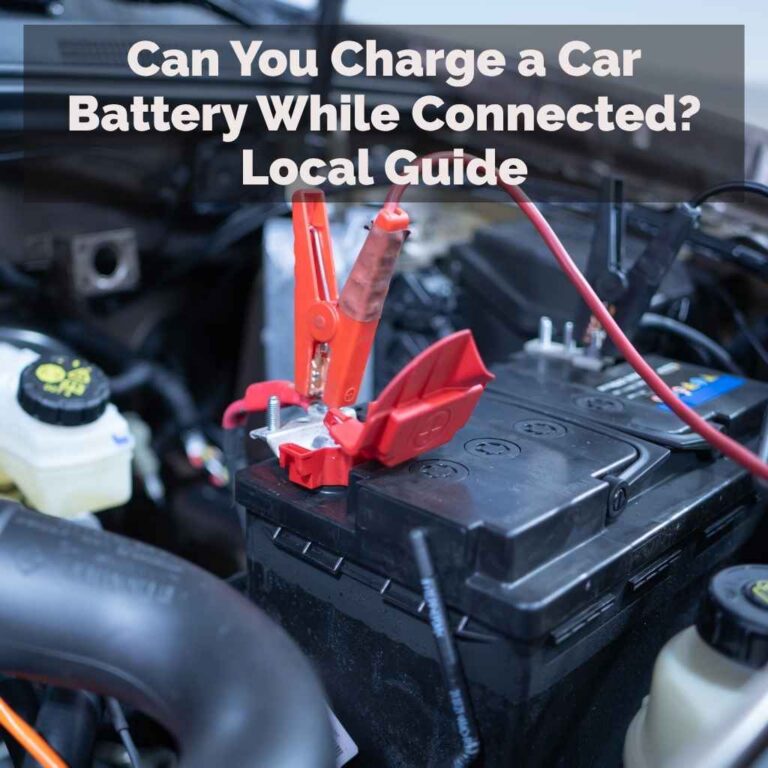
- If you suspect your battery is dead or very weak, a jump start is the most common solution. You’ll need jumper cables and another vehicle with a working battery. Connect the positive (red) cables first, then the negative (black) cables, following the correct procedure to avoid sparks.
Let the cars run for a few minutes with the cables connected before trying to start the dead car.
Jump Start Procedure Example:
-
- Connect one end of the red jumper cable to the positive (+) terminal of the dead battery.
- Connect the other end of the red jumper cable to the positive (+) terminal of the good battery.
- Connect one end of the black jumper cable to the negative (-) terminal of the good battery.
- Connect the other end of the black jumper cable to an unpainted metal surface on the engine block or chassis of the dead car, away from the battery.
- Start the engine of the good car and let it run for 5-10 minutes.
- Attempt to start the dead car. If it starts, let both cars run for a few more minutes with the cables still connected.
- Carefully disconnect the black cables first, then the red cables, in the reverse order of connection.
- Use a Block Heater.
- If your car is equipped with a block heater, plug it in at least 2-4 hours before you plan to start it. A block heater warms the engine coolant, which in turn warms the engine block and oil. This makes it much easier for the engine to turn over and start.
- It’s a game-changer in extremely cold climates.
- Check for Frozen Fuel Lines.
- If you suspect fuel lines are frozen, you can try parking the car in a warmer garage if possible. Otherwise, a fuel line de-icer additive can sometimes help. Avoid using open flames or excessive heat, as this can be dangerous.
If you’ve kept your fuel tank full and used additives, this is less likely to be an issue.
Letting the Engine Warm Up
Once your car is running, it’s important to let it warm up properly, especially in extreme cold.
- Gentle Operation.
- Don’t rev the engine aggressively right after starting. Drive gently for the first few minutes. Modern cars don’t need long idling periods to warm up like older cars did, but allowing the oil to circulate and reach all parts of the engine is important.
- Driving at low speeds for a short distance is often more effective than idling.
- Monitor Gauges.
- Keep an eye on your temperature gauge and oil pressure light. Ensure the engine temperature is rising normally and that the oil pressure light turns off promptly after starting. These indicators can alert you to any immediate problems.
Factors Affecting Cold Starts
Several components and conditions beyond the battery and oil play a role in how well your car starts in freezing temperatures. Understanding these factors can help you predict and prevent starting issues.
The Role of the Starter Motor
The starter motor is an electric motor powered by the battery. Its job is to engage with the engine’s flywheel and spin the crankshaft, getting the engine rotating fast enough for combustion to begin. In freezing temperatures, several things can affect its performance.
- Gear Lubrication.
- The grease inside the starter motor can become very thick and stiff in extreme cold. This resistance makes it harder for the starter motor to spin freely, requiring more power from the battery. If the starter motor is old or has been exposed to moisture, its internal components can also be more prone to issues in the cold.
- Electrical Connections.
- Loose or corroded electrical connections to the starter motor can impede the flow of the high electrical current needed to operate it. Even if the battery is strong, a poor connection can prevent the starter from receiving enough power. Ensuring these connections are clean and tight is essential for reliable starting.
Spark Plugs and Ignition System
Spark plugs ignite the fuel-air mixture in the cylinders. A healthy ignition system is vital for combustion, especially when the engine is cold.
- Spark Plug Condition.
- Worn or fouled spark plugs can lead to misfires or a complete no-start condition in cold weather. The extra resistance needed to ignite a cold, dense fuel-air mixture means that spark plugs need to be in excellent condition. If your car is experiencing rough idling or reduced power, spark plugs are a common culprit.
- Ignition Coils.
- Modern cars use ignition coils to generate the high voltage needed for the spark plugs. If a coil is weak or failing, it might provide a weak spark that isn’t sufficient to ignite the fuel in cold, dense air. This can result in the engine cranking but not starting, or starting very roughly.
Fuel Injectors and Fuel Delivery
Fuel injectors spray a fine mist of gasoline into the engine. Their performance can be affected by cold temperatures.
- Injector Clogging.
- Dirt or deposits can clog fuel injectors, reducing the amount of fuel delivered to the engine. In cold weather, when the engine needs a slightly richer fuel mixture to start, clogged injectors can prevent the engine from getting enough fuel. Keeping your fuel system clean with quality fuel and occasional injector cleaner can help.
- Fuel Pump Operation.
- The fuel pump pushes fuel from the tank to the engine. While less common than battery issues, a failing fuel pump can struggle to deliver adequate pressure, especially in extreme cold. This can lead to a no-start situation or the engine dying shortly after starting.
Real-World Scenarios and Statistics
Understanding how these issues play out in real life can offer valuable insight. Cold weather automotive problems are not uncommon.
Scenario 1 The Morning Commute Mishap
Sarah lives in Fargo, North Dakota, where winter temperatures frequently dip below minus 20 degrees Fahrenheit, often reaching minus 30 degrees. One particularly frigid Monday morning, her car wouldn’t start. She heard a weak clicking sound.
Her battery, a few years old, had been tested the previous fall and seemed fine, but the extreme cold had finally taken its toll. She remembered her mechanic had suggested a battery warmer last year. This experience highlighted the critical need for regular battery checks and considering cold-weather accessories in regions with harsh winters.
Scenario 2 The Weekend Cabin Trip Freeze
Mark drove his SUV to a remote cabin for a weekend getaway. The temperature dropped to minus 30 degrees overnight. When he tried to start his car to head back home, the engine cranked very slowly.
He realized he had been running on a lower-quality fuel for a while, and there might have been some moisture in the lines. He had a can of fuel line de-icer in his emergency kit. After adding it and waiting a bit, the car finally sputtered to life, but it was a close call.
This emphasized the importance of using quality fuel and preventative fuel system maintenance.
Statistics on Cold Weather Car Problems
According to AAA, extreme cold weather can reduce a car battery’s power by up to 50%. This is why most jump starts and battery-related service calls occur during the winter months. Data from various automotive service centers show a significant increase in calls for battery issues, towing, and general starting problems when temperatures consistently fall below 0 degrees Fahrenheit.
| Automotive Issue | Winter Increase (Approximate) |
|---|---|
| Battery Failure | 30-60% |
| Towing Services | 20-40% |
| Starting System Issues | 25-50% |
These figures underscore the significant impact of cold temperatures on vehicle reliability. Proactive maintenance becomes even more vital when facing such conditions.
Can You Start a Car at Minus 30 Degrees?
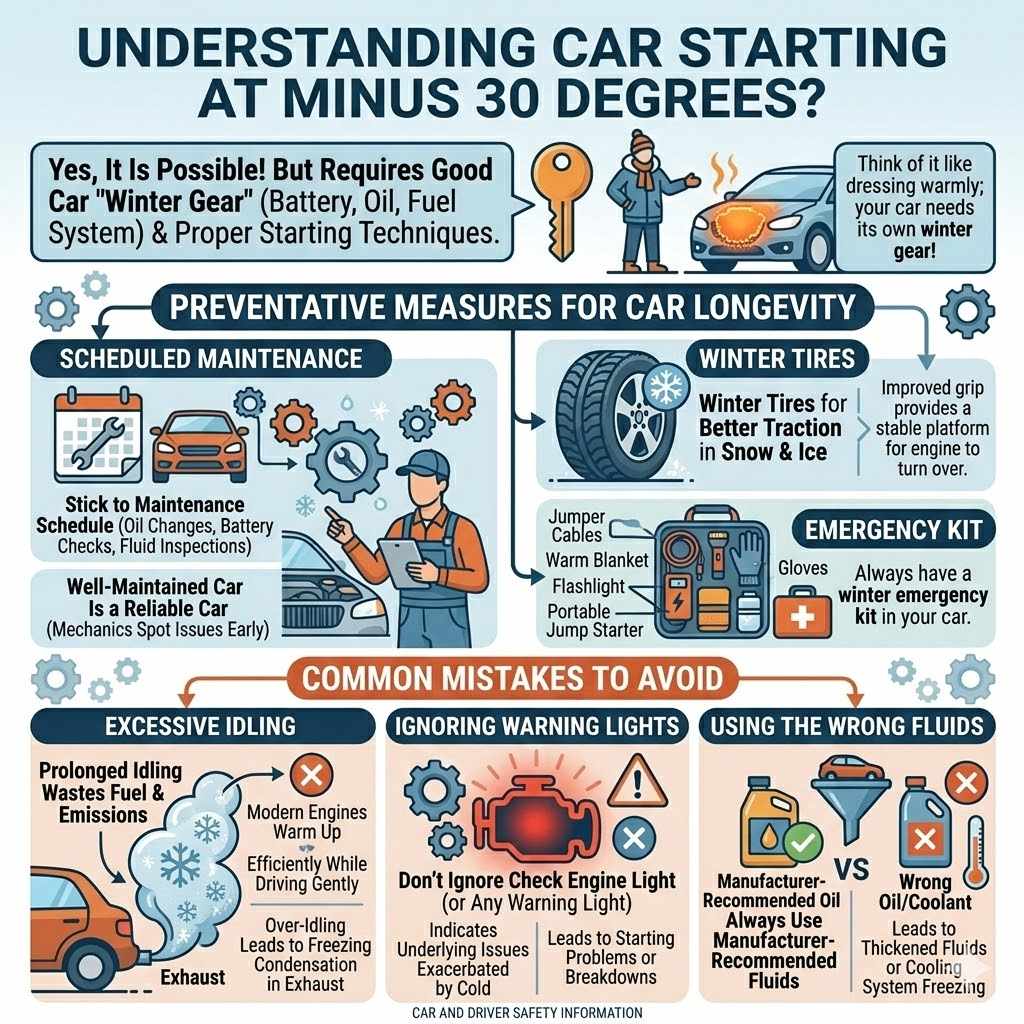
The question Can You Start a Car at Minus 30 Degrees? is a valid concern for many. The answer is yes, but it requires attention to your car’s health and proper starting techniques. If your car is well-maintained, especially its battery, oil, and fuel system, starting it in such extreme cold is absolutely possible.
Think of it like preparing yourself for a cold day; you dress warmly, and your car needs its own “winter gear” through good maintenance.
Preventative Measures for Longevity
Taking steps before winter truly sets in can save you a lot of trouble and expense. Regular checks and upgrades can ensure your vehicle is ready for the worst.
- Scheduled Maintenance.
- Stick to your car’s maintenance schedule. This includes oil changes, battery checks, and inspections of all fluid levels. A well-maintained car is a reliable car, no matter the weather.
- Mechanics can often spot potential issues before they become major problems, especially those related to cold weather performance.
- Winter Tires.
- While not directly related to starting, winter tires offer better traction in snow and ice. This improved grip can indirectly help your car start more easily by providing a more stable platform for the tires to grip the road as the engine turns over.
- Emergency Kit.
- Always have a winter emergency kit in your car. This should include jumper cables, a warm blanket, a flashlight, gloves, and possibly a portable jump starter. Being prepared can turn a stressful situation into a manageable one.
Common Mistakes to Avoid
Certain actions, while seemingly helpful, can actually worsen the situation when trying to start a car in the cold.
- Excessive Idling.
- While letting the engine warm up is good, prolonged idling can waste fuel and contribute to emissions. Modern engines are designed to warm up more efficiently while driving gently. Over-idling can also lead to the accumulation of condensation in the exhaust system, which can freeze and block it.
- Ignoring Warning Lights.
- If your check engine light or any other warning light is on, don’t ignore it, especially before winter. These lights often indicate underlying issues that can be exacerbated by cold temperatures, leading to starting problems or breakdowns.
- Using the Wrong Fluids.
- Always use the manufacturer-recommended fluids for your vehicle. Using the wrong type of oil or coolant can lead to significant problems in extreme cold, from thickened fluids to freezing of the cooling system.
Frequently Asked Questions
Question: What is the most common reason a car won’t start in minus 30 degree weather?
Answer: The most common reason is a weakened or dead car battery. Extreme cold reduces a battery’s power output significantly, making it unable to provide enough energy to crank the engine.
Question: How long should I let my car warm up in very cold weather?
Answer: Modern cars don’t need to idle for very long. Letting the engine run for 1-2 minutes is usually sufficient for the oil to circulate. Driving gently for the first few minutes is more effective for warming up the engine and drivetrain.
Question: Can I use ether to start my car in the cold?
Answer: While ether (starting fluid) can help start an engine in extremely cold conditions, it should be used very cautiously and sparingly. It is highly flammable and can cause engine damage if overused or used incorrectly, especially in modern engines.
Question: Does keeping my gas tank full really help in the cold?
Answer: Yes, a full gas tank minimizes the amount of air space inside, which reduces the potential for condensation to form. Water in the fuel lines can freeze and cause starting problems.
Question: What’s the minimum temperature a car can typically start in?
Answer: Most cars are designed to start down to around minus 20 to minus 30 degrees Fahrenheit. However, this depends heavily on the condition of the battery, the type of oil used, and the overall maintenance of the vehicle.
Summary
Starting a car at minus 30 degrees is achievable with the right preparation and techniques. A healthy battery, the correct engine oil, and a well-maintained fuel system are your best allies against the cold. Simple steps like checking your battery, keeping your gas tank full, and using a block heater when available can make all the difference.
Be patient, listen to your car, and you’ll likely get it running.