How Do You Measure a Car Speaker: Expert Guide
Are you tired of subpar sound quality in your car and wondering how to get the best audio experience possible? The secret might just lie in understanding how to measure a car speaker.
Whether you’re a music enthusiast or simply enjoy crisp and clear audio while driving, knowing how to measure your car speakers can make all the difference. In this guide, we’ll reveal the essential steps to take your car’s audio system from ordinary to extraordinary.
Imagine cruising down the road with sound so vibrant, it feels like your favorite artists are performing just for you. Get ready to transform your driving experience and unlock the full potential of your car’s sound system. Stay with us, and you’ll learn how to ensure every car ride is a concert on wheels.
Credit: www.crutchfield.com
Importance Of Speaker Measurements
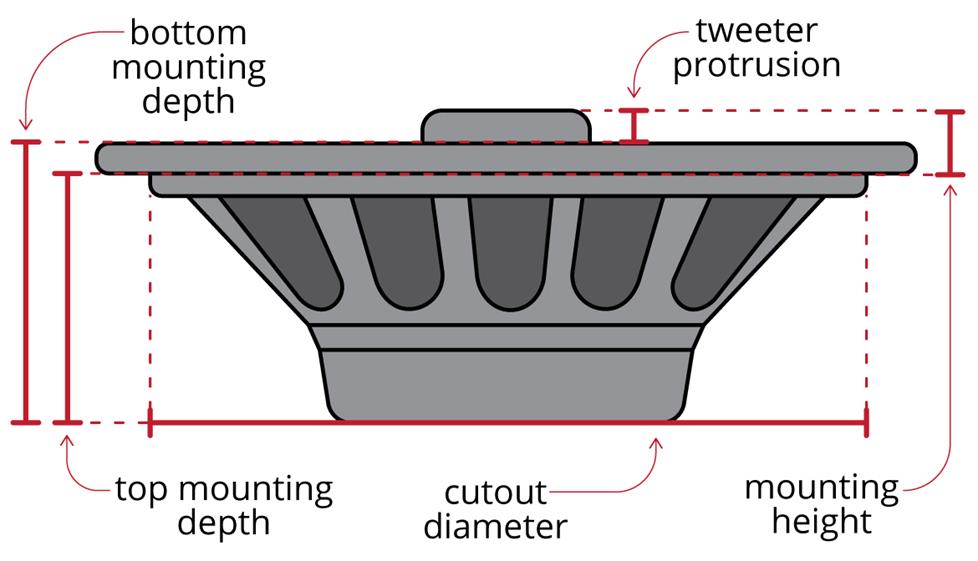
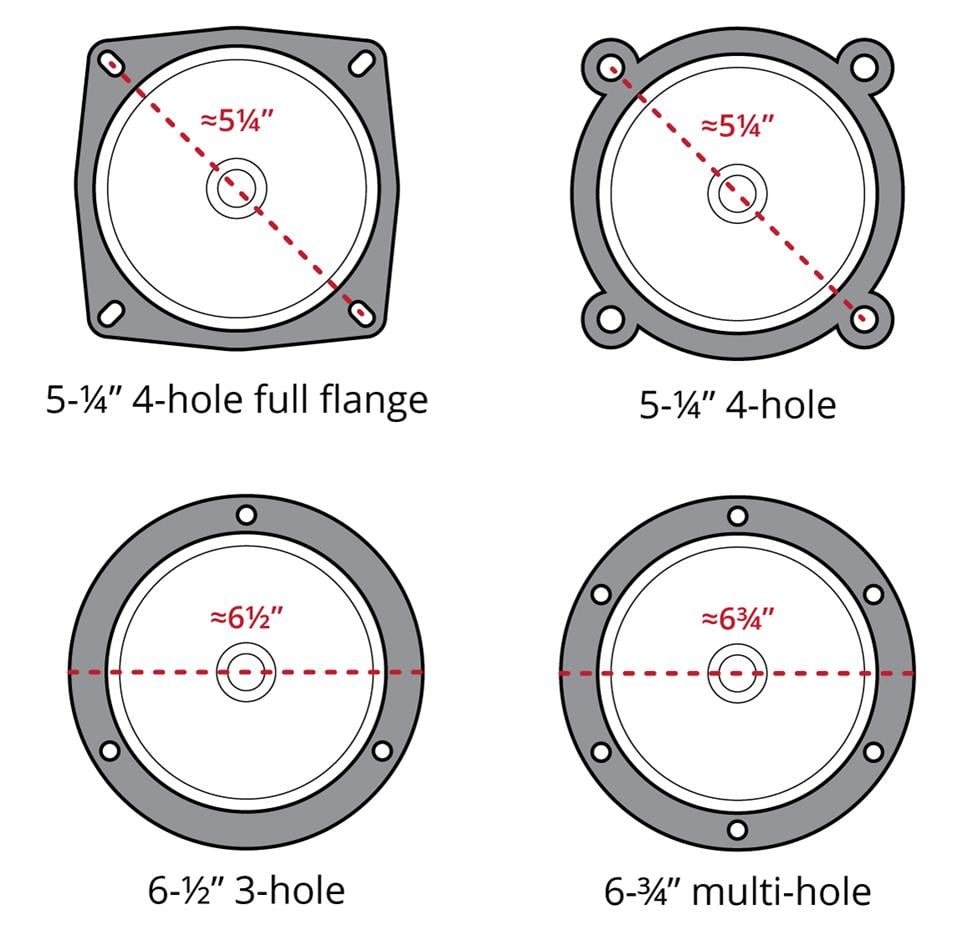
Measuring a car speaker is very important. It helps you find the right size. A speaker that is too big won’t fit. A small one might not sound good. Proper measurements ensure a perfect fit in your car. You need to know the diameter of the speaker. This tells you how wide it is. Measure from one side to the other. Also, check the depth. This shows how deep the speaker is. It helps in choosing the right spot for it.
Look at the mounting holes too. These help you attach the speaker. If they are not right, the speaker will not stay in place. Knowing these measurements helps in getting the best sound. You can enjoy your music better. A well-fitted speaker works great and lasts long. Accurate measurements make all the difference.
Key Specifications To Consider
Sensitivity tells how loud a speaker is. It uses a small power. A speaker with high sensitivity needs less power. This means it can save energy. A typical good sensitivity is around 90 dB. Higher numbers mean louder sound.
Frequency response shows the range of sounds a speaker can play. It is measured in Hertz (Hz). A wide range is better. It means more sound detail. Look for speakers with a range from 20 Hz to 20,000 Hz.
Power handling tells how much power a speaker can take. It is measured in watts. More watts mean the speaker can play louder music. Always match power handling with your car stereo. This keeps the speaker safe.
Tools Required For Measurement
A multimeter is a handy tool. It can measure voltageand resistance. Set the multimeter to the ohm setting. Use it to test the speaker’s resistance. It shows if the speaker is working well. The multimeter helps find any broken wires too.
This tool measures sound. It shows how loudthe speaker is. Place it near the speaker. The meter gives a sound reading. Check the reading at different volumes. This helps know the speaker’s performance. Ensure it is not too loud or too soft.
A test tone generator sends tones to the speaker. It helps check how the speaker works. Use different tones for different tests. The speaker should play all tones well. This tool helps spot any issues. It is simple and fast to use.
Step-by-step Measurement Process
Choose a quiet place to measure your car speaker. Noise can affect results. Make sure you have a measuring tape and tools ready. Ensure the car is off and doors are closed. This helps keep external sounds out. You need a stable surface to place the speaker. Ensure lighting is good to see measurements clearly.
Use an impedance meter to test the speaker. Set the meter to the correct ohm setting. Connect the meter leads to the speaker terminals. Read the display to find the impedance value. The number shows how hard the speaker works. Impedance affects sound quality. Make sure connections are secure for accurate results.
Play music through the speaker at normal volume. Listen for clarity and distortion. Good speakers have clear sound and no buzzing. Try different music styles. This checks how the speaker handles different sounds. Bass and treble should be balanced. Take note of any unusual noises. This helps identify issues with the speaker.
Common Mistakes To Avoid
Ignoring external noisecan lead to wrong speaker readings. Always check the area. Make sure it’s quiet. Noise can affect sound quality. A closed room is best for testing. Car engines can be loud. Turn them off during measurements.
Incorrect tool usagecan cause issues. Use the right tools for speaker testing. An SPL meter is crucial. Many use wrong meters. This leads to false readings. Follow tool instructions carefully. Proper usage ensures accurate results.
Misinterpreting resultshappens often. Understand what the numbers mean. High SPL means loud sound. Low SPL means soft sound. Read charts carefully. Double-check your data. Mistakes can lead to poor sound choices.
Tips For Accurate Measurements
Calibration ensures your tools are accurate. Check them often. Tools can drift. Use standard weights and measures. Follow instructions. Keep a log. Record changes in settings. Adjust when necessary. Calibration keeps measurements true.
Specifications tell you what to expect. Read them carefully. They guide you on size and performance. Compare specs with actual measurements. Use them to check accuracy. Learn terms like frequency response and sensitivity. Specifications are your blueprint.
Reference tracks help in testing sound. Choose tracks you know well. Listen for clarity and balance. Check bass and treble. Compare with other speakers. A good track reveals speaker quality. Use tracks consistently for best results.
Interpreting Measurement Results
Understanding car speaker measurementshelps in knowing their quality. One can compare these results with industry standards. These standards tell if a speaker works well. They provide a benchmark for performance.
Comparing Against Industry Standards
Industry standards are like rules. Speakers should meet these rules for good sound. Measurements show if a speaker is loud enough. They also show the clarity of sound. Good speakers meet or beat these standards. This means they offer high-quality sound.
Identifying Performance Issues
Sometimes speakers have issues. Measurements help find these problems. Weak sound or distortion can mean issues. Fixing these issues improves the sound quality. Regular checks ensure speakers work well. This means having clear and strong sound always.
Credit: www.crutchfield.ca
Choosing The Right Speaker Based On Measurements
Different people like different sounds. Bass lovers need speakers with strong lows. Clarity seekers prefer clear highs. Measurements help find the right speaker. Look at frequency range and sensitivity. High sensitivity means louder sound. Wide frequency range covers more notes. Match speaker size with car space. Big speakers need more room. Small cars fit smaller speakers better.
Car shape affects sound. Curved surfaces bounce sound around. Flat surfaces may absorb it. Speaker placement is crucial. Doors, dashboards, and trunks all change sound. Test sound before buying. Listen in different spots. Some spots might sound better. Adjust speaker settings for best sound. Balance bass and treble for clear audio. Comfortable listening makes car rides fun.

Credit: soundcertified.com
Frequently Asked Questions
How Do You Measure Car Speaker Size?
Measure car speaker size by checking the diameter of the speaker cone. Use a ruler to measure from edge to edge of the speaker cone. Ensure to note the speaker depth for fitting. Proper measurement ensures correct replacement or upgrade for optimal sound.
What Does 6×9 Speaker Mean?
A 6×9 speaker refers to its dimensions: 6 inches by 9 inches. It provides good bass and sound quality. Ideal for car audio systems, these speakers are oval-shaped. They fit easily in many vehicles and enhance audio experience. Perfect for music lovers seeking improved sound performance.
How Do You Know The Size Of A Speaker?
To determine a speaker’s size, measure the diameter of its cone in inches. This measurement typically refers to the overall diameter of the speaker’s main driver. Check the manufacturer’s specifications for precise details, as the size can impact sound quality and compatibility with audio systems.
How Do I Find Out What Speakers I Have In My Car?
Check your car’s manual for speaker details. Inspect the speaker grills for branding. Use online forums or contact the manufacturer for specifications.
Conclusion
Measuring car speakers is not as hard as it seems. Knowing the size helps with replacements. Accurate measurements ensure a good fit. It’s crucial for sound quality. Follow simple steps to get the size right. Use a ruler or measuring tape.
Note the speaker diameter carefully. Check the speaker depth too. Remember to consider the mounting style. All these details help in choosing the perfect speaker. With this guide, you can measure confidently. Enjoy your music with the right speaker fit.
Happy listening!