Moose Compared to a Car: Real Size, Weight & Collision Danger
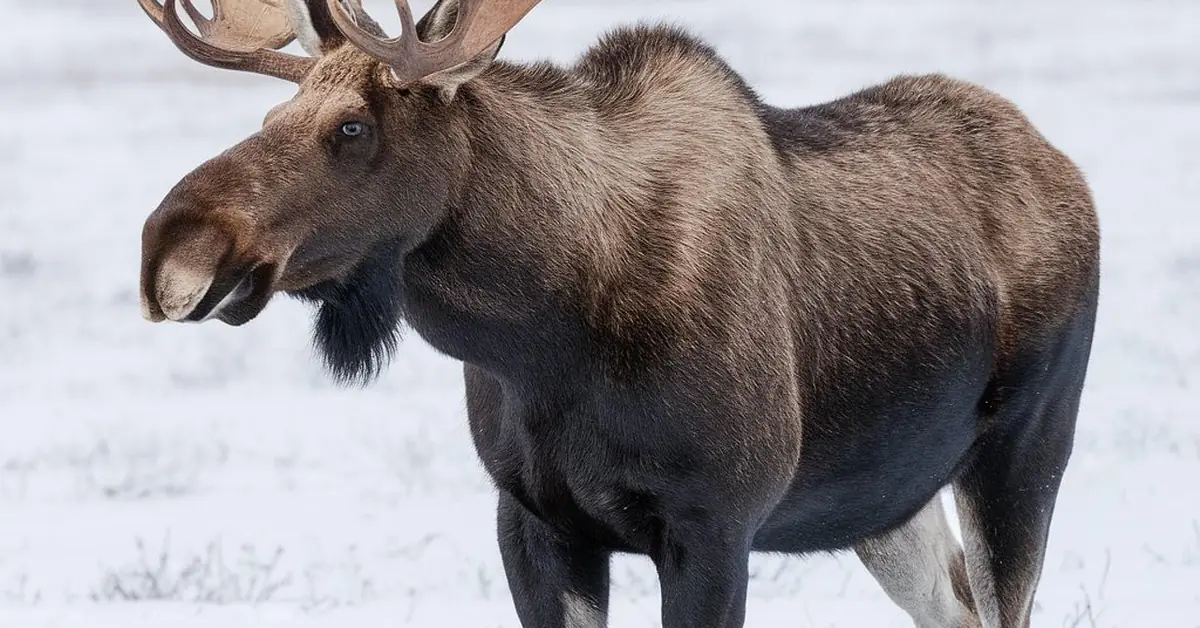
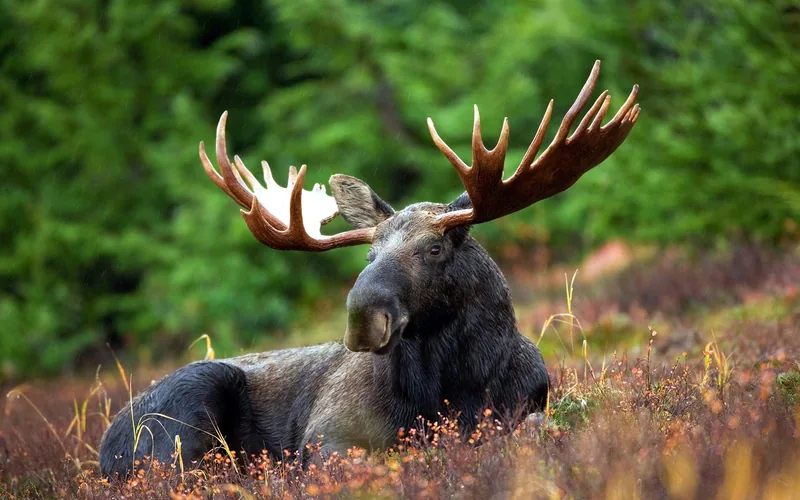
A bull moose stands 6.5 to 7 feet at the shoulder — taller than most cars — but weighs only 1,200 to 1,600 pounds, less than half an average 3,500-pound sedan’s curb weight. That height gap makes moose-vehicle collisions up to 13 times deadlier than deer strikes: long legs skip the crumple zone, dropping full body weight onto the windshield. This guide compares moose and car size and covers what to do if you meet one.
Insert your Affiliate Disclosure reusable block here
Quick Answer
A moose is taller than almost any car (6.5–7 ft at the shoulder vs. about 5 ft for a car roofline) but lighter overall — a bull moose tops out around 1,600 pounds, while an average car weighs 3,500–4,000 pounds. That height, not weight, is the problem: a moose’s body lands on the hood and windshield instead of the bumper, which is why moose strikes are far more dangerous than hitting a same-size animal like a deer.
Moose vs. Car Size Comparison Table
Side by side, a moose and a car are actually close in a few dimensions and wildly different in others. Here’s how a full-size bull moose stacks up against an average passenger car, using figures from the National Park Service and Alaska Department of Fish and Game for moose, and average U.S. vehicle specs for cars.
| Measurement | Bull Moose | Average Car | Bigger One |
|---|---|---|---|
| Height (shoulder vs. roofline) | 6.5–7 ft | ~4.9–5 ft (59 in) | Moose |
| Body length | ~8.5 ft (6.6–10 ft range) | ~14.5–15 ft | Car |
| Weight | 1,200–1,600 lbs | ~3,500–4,000 lbs | Car |
Why a Taller Moose Still Doesn’t Weigh More Than Most Cars
A moose is the largest living species of deer, standing taller at the shoulder than almost any production car on the road. But height and weight are not the same measurement, and this is where a lot of size comparisons get it backward: a full-grown bull moose caps out around 1,500–1,600 pounds, while even a compact sedan like a Honda Civic or Toyota Corolla weighs 2,800–3,200 pounds — nearly double. A midsize sedan or SUV can weigh 3,500 pounds or more, over twice the weight of the average moose.
Why Moose Are More Dangerous to Hit Than Deer
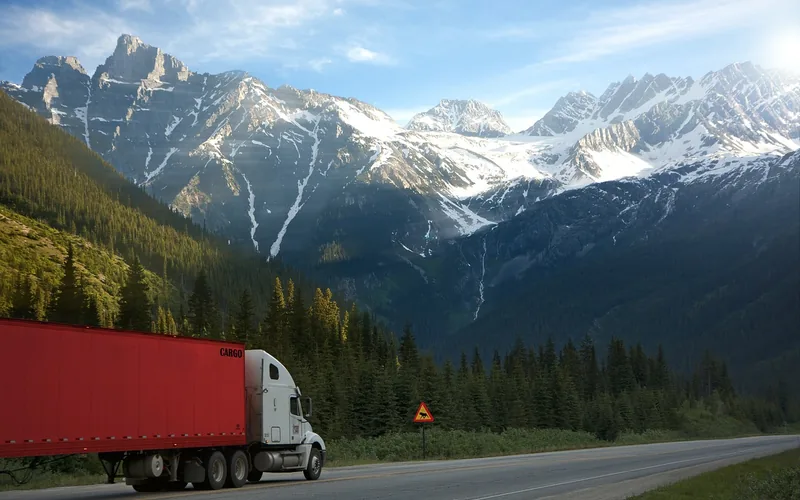
Weight isn’t what makes a moose collision so dangerous — it’s the mismatch between a moose’s height and where a car is built to absorb impact. A car’s bumper, headlights, and crumple zone sit low, designed to catch an animal roughly deer-height or shorter. A moose’s legs are so long that a car’s front end often passes underneath its belly entirely, so none of that structural crumple zone ever engages. Instead, the moose’s full torso — the heaviest part of its body — comes down directly on the hood, windshield, and roof pillars, right where the passenger compartment is.
📊 Vehicle crashes involving moose are roughly 13 times more likely to result in a human fatality than crashes involving deer — Source: American Council on Science and Health, 2019, citing Maine collision data (26 fatalities across roughly 7,000+ moose collisions vs. 10 fatalities across roughly 50,000+ deer collisions).
Most moose-vehicle crashes cluster around dusk, dawn, and after dark, especially in winter when deep snow pushes moose toward cleared roadways.
How to Reduce Your Risk of a Moose Collision
Moose-vehicle collisions cluster in specific conditions, and most of them are avoidable with a few habits behind the wheel. According to the National Park Service, here’s what actually reduces your risk on roads through moose habitat:
- Slow down at dusk, dawn, and after dark: most moose-vehicle crashes happen when visibility is lowest, especially in winter when deep snow pushes moose onto cleared roads.
- Scan both shoulders, not just the road ahead: moose often step out of tree lines with little warning, particularly near posted moose-crossing signs.
- Keep your windshield and headlights clean: road grime cuts your effective visibility distance right when you need it most.
- Brake hard and steer straight if a collision is unavoidable: swerving to dodge a moose is a leading cause of secondary crashes — hitting it head-on at a lower speed is safer than rolling your vehicle to avoid it.
- Ease off the brake just before impact: this lets the front of the vehicle rise slightly, which can reduce the chance of the moose’s body coming through the windshield.
Best Roadside Safety Kit Pick
Everlit Survival Car Emergency Kit
A full roadside kit built for the exact conditions moose collisions happen in — remote, dark, rural highways.
- Best for: winter and rural highway driving through moose habitat
- Why we picked it: tire inflator, jumper cables, tow strap, first aid kit, and flashlight cover most post-collision situations
- Main drawback: bulkier than a minimalist kit and takes up trunk space
Compare more moose-country driving safety gear
 Option 1 Dual Dash Cam, Front & Inside
|
 Option 2 DOT-Approved Warning Triangles, 3-Pack
|
 Option 3 General Medi 127-Piece Roadside Kit
|
As an Amazon Associate we earn from qualifying purchases.
What Actually Happens When a Car Hits a Moose
A common myth is that a moose is heavy enough to flatten a car on impact. In reality, most moose-vehicle collisions destroy the car’s front end, hood, and windshield without the moose “crushing” the vehicle the way people picture — the damage comes from where the impact lands, not from the moose out-massing the car. Because the animal’s body strikes at windshield height, occupant injuries most often involve the head, face, and neck, and the moose itself is frequently killed or badly injured, since it absorbs a multi-thousand-pound impact on legs built for browsing, not collisions.
Compare that to hitting a large domestic animal like a cow, where the outcome and liability questions are different — see what happens if you hit a cow with your car for how that scenario plays out. A moose strike is closer in mechanism to a deer strike, just scaled up — for the lower-speed, lower-mass version of this collision, see what to do if a deer hits your car.
Frequently Asked Questions
How tall is a moose compared to a car?
A bull moose stands 6.5 to 7 feet at the shoulder, taller than nearly every car on the road — the average car roofline sits around 4.9 to 5 feet (59 inches). Cow moose are shorter, at 5.5 to 6 feet, but still typically taller than a sedan or compact SUV.
Does a moose weigh more than a car?
No. A bull moose weighs 1,200 to 1,600 pounds at most, while an average car weighs roughly 3,500 to 4,000 pounds — over twice as much. A moose is taller than a car, but a car outweighs a moose in almost every case.
Why are moose collisions more dangerous than deer collisions?
A moose’s long legs let its heavy torso land directly on the hood and windshield instead of the bumper, where a car’s crumple zone is designed to absorb impact. Vehicle crashes involving moose are roughly 13 times more likely to be fatal than crashes involving deer, according to Maine collision data.
What should you do if a moose is in the road ahead of you?
Brake firmly and steer straight rather than swerving — swerving to avoid a moose is a leading cause of secondary crashes, including rollovers. Ease off the brake just before impact if a collision is unavoidable, which lets the front of the vehicle rise slightly.
Can a car survive hitting a moose?
Most cars are drivable-damaged rather than totaled outright, but severe front-end, hood, and windshield damage is common, and airbags frequently deploy. Whether the car is repairable usually comes down to speed at impact and where on the vehicle the moose’s body lands.
When are moose most likely to be on the road?
Moose-vehicle collisions cluster at dusk, dawn, and after dark, and increase in winter, when deep snow pushes moose out of the woods toward cleared roadways and plowed shoulders. Slowing down and scanning both sides of the road matters most during these windows.
Conclusion
A moose beats a car on height but loses on weight — a bull moose’s 6.5- to 7-foot shoulder height is the real hazard, not its mass, since it puts a half-ton-plus animal directly at windshield level instead of bumper level. Slow down in moose habitat, especially at dusk and after dark, and brake straight instead of swerving if one steps into the road. For related size comparisons, see how much does a car weigh, and for the more common wildlife hazard, see why deer run in front of cars.
Products related to this article
Sponsored / affiliate links. As an Amazon Associate I earn from qualifying purchases. I may earn additional commission from eligible campaigns.