How Long Can a Car Run With Low Engine Fluid? Risks Explained
Wondering How Long Can a Car Run With Low Engine Fluid? Risks Explained is a common worry for many car owners, especially when you’re new to cars or just notice a warning light. It can feel a bit confusing, but don’t worry!
We’ll break it down super simply, step by step, so you know exactly what to do and what to watch out for. Keep reading, and we’ll show you how to keep your car happy and safe on the road.
This section will explore the critical question of how long a car might continue to operate with low engine fluid levels and the significant dangers associated with such a situation. Understanding the immediate and long-term consequences is vital for preventing severe mechanical damage. We will look at the different types of engine fluids and their roles, as well as the specific effects low levels have on engine performance and longevity.
Engine Fluid Basics What It Is and Why It Matters
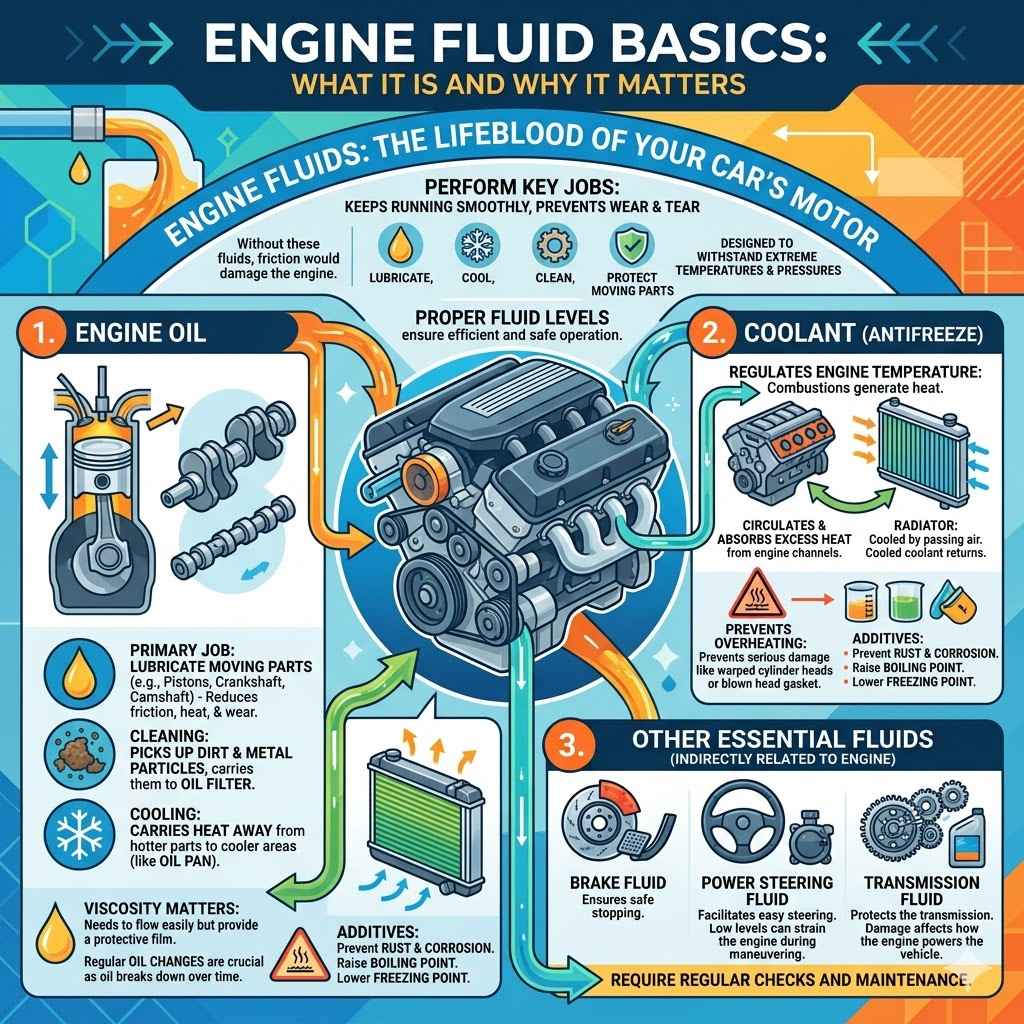
Engine fluids are the lifeblood of your car’s motor. They perform several key jobs that keep everything running smoothly and prevent wear and tear. Think of them as the oil, coolant, and other liquids that work together to lubricate, cool, clean, and protect the many moving parts inside your engine.
Without these fluids, friction would quickly damage the engine. They are designed to withstand extreme temperatures and pressures found within the engine bay. Proper fluid levels ensure that your engine can operate efficiently and safely.
Engine Oil
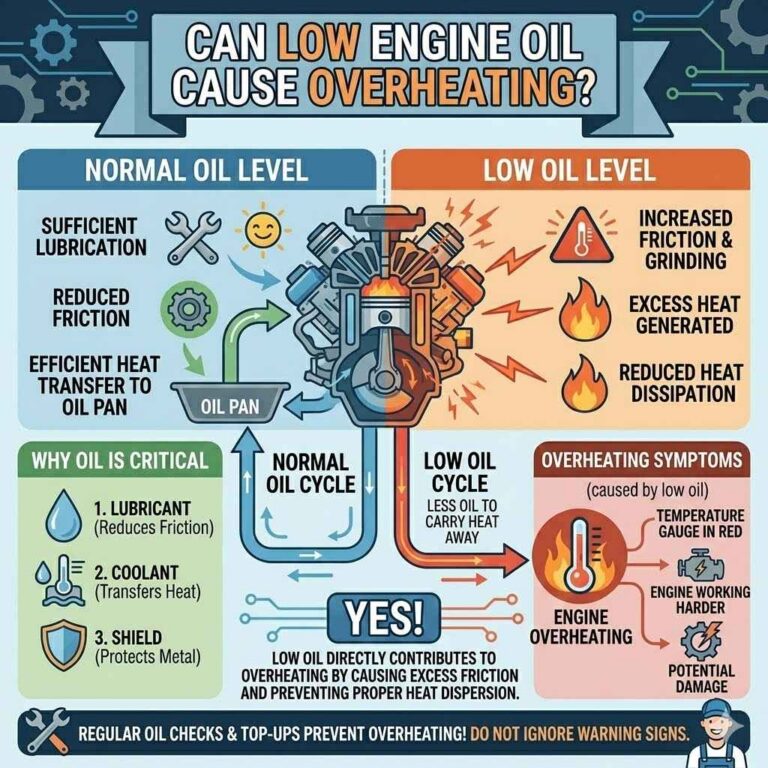
Engine oil is probably the most well-known engine fluid. Its primary job is to lubricate all the moving parts of the engine, like the pistons, crankshaft, and camshaft. Lubrication reduces friction, which in turn reduces heat and wear.
Oil also plays a role in cleaning. As it circulates, it picks up small bits of dirt and metal particles, carrying them to the oil filter to be removed. Additionally, oil helps to cool the engine by carrying heat away from the hotter parts to cooler areas, like the oil pan.
The viscosity, or thickness, of the oil is important. It needs to be thin enough to flow easily but thick enough to provide a protective film between metal parts. Over time, oil can break down due to heat and contamination, which is why regular oil changes are so crucial for engine health.
Coolant (Antifreeze]
Coolant, often called antifreeze, is responsible for regulating the engine’s temperature. The combustion process inside an engine generates a tremendous amount of heat. Coolant circulates through channels in the engine block and cylinder head, absorbing this excess heat.
The heated coolant then flows to the radiator, where it is cooled by air passing through the radiator fins. This cooled coolant then returns to the engine to repeat the cycle. Without adequate coolant, the engine would quickly overheat, leading to serious damage like warped cylinder heads or a blown head gasket.
Coolant also contains additives that prevent rust and corrosion within the cooling system and raise the boiling point of the water, preventing it from boiling over in hot conditions. It also lowers the freezing point, protecting the engine in cold weather.
Other Essential Fluids
While oil and coolant are the most critical for engine operation, other fluids are indirectly related to the engine’s performance and the car’s overall functionality. These include brake fluid, power steering fluid, and transmission fluid. While low levels of these don’t cause immediate engine failure in the same way as oil or coolant, they can lead to loss of control or driveability issues that indirectly impact the engine’s workload.
For instance, low power steering fluid can make steering much harder, potentially causing strain on the engine when maneuvering. Low transmission fluid can lead to transmission damage, which can affect how the engine powers the vehicle. These fluids are also subject to wear and require regular checks and maintenance.
How Long Can a Car Run With Low Engine Fluid? The Immediate Impact
The question of How Long Can a Car Run With Low Engine Fluid? Risks Explained doesn’t have a single, simple answer because it depends on many factors. However, the impact of low engine fluid, especially oil, can be felt almost immediately.
Even a slight drop can start the process of increased wear.
When engine oil is low, the oil pump may struggle to pick up enough oil from the oil pan. This means less oil reaches the vital components that need constant lubrication. The protective film between metal parts becomes thinner or breaks down entirely.
The Effect of Low Engine Oil
Low engine oil is the most direct threat to an engine’s immediate health. When the oil level drops below the minimum mark on the dipstick, the oil pump can start to draw air along with oil, or it might not pick up enough oil at all. This starved lubrication scenario causes metal-on-metal contact within the engine.
This friction generates excessive heat and can quickly lead to scoring of cylinder walls, damage to bearings, and wear on the camshaft and crankshaft. You might start to hear knocking or ticking sounds from the engine, which are warning signs of internal damage. In severe cases, the engine can seize up completely, meaning it stops turning and is irreparable.
The time it takes for significant damage to occur varies greatly. Driving for just a few minutes with critically low oil can cause damage. If the oil pressure warning light comes on, it means oil is not circulating properly, and you should stop driving immediately.
Continuing to drive with the oil light on is extremely risky.
The Effect of Low Coolant
Low coolant levels pose a different but equally serious threat: overheating. When there isn’t enough coolant, the engine’s cooling system cannot effectively dissipate the heat generated during combustion. The temperature gauge on your dashboard will start to climb rapidly.
An overheating engine can suffer from warped cylinder heads, blown head gaskets, cracked engine blocks, and damaged pistons. These are very expensive repairs, often costing thousands of dollars. If you notice your temperature gauge rising, pull over safely and turn off the engine as soon as possible.
Driving with a very low coolant level, even for a short period in mild conditions, can trigger overheating. In hot weather or under heavy load (like climbing a hill), the engine can overheat much faster, potentially causing catastrophic damage within minutes of the temperature gauge entering the red zone.
What the Warning Lights Mean
Modern cars have sophisticated warning systems to alert drivers to potential problems. Two crucial warning lights relate to engine fluids: the oil pressure light and the engine temperature light.
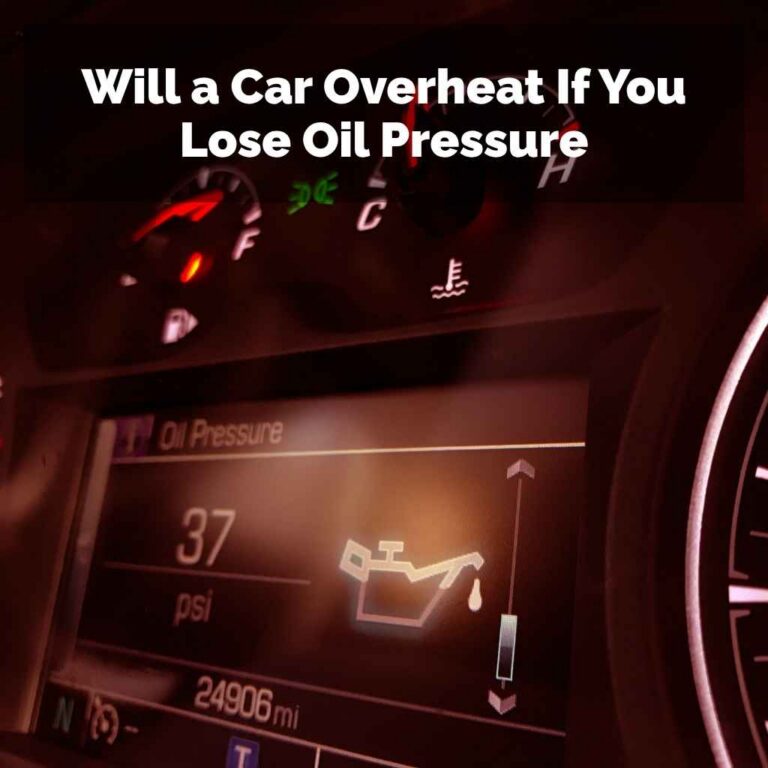
The oil pressure light (often looks like an oil can) typically indicates a problem with the engine oil system. It could mean the oil level is critically low, the oil pump is failing, or there’s a blockage in the oil passages. If this light illuminates, it means there is insufficient oil pressure to lubricate the engine properly.
You should pull over safely and turn off the engine immediately. Do not restart the engine until the issue is diagnosed and fixed.
The engine temperature light (often looks like a thermometer in wavy lines) indicates that the engine is overheating. This is usually a sign of low coolant levels, a faulty thermostat, a clogged radiator, or a problem with the cooling fan. If this light comes on, turn off the engine to allow it to cool down and prevent severe damage.
Risks Explained Severe Consequences of Neglect
Ignoring low engine fluid levels isn’t just a minor inconvenience; it’s a direct path to major, costly damage. The cumulative effect of insufficient lubrication or cooling can lead to the premature demise of your engine, turning a relatively minor maintenance issue into a significant financial burden.
The integrity of countless moving parts within your engine relies entirely on the presence and proper circulation of specific fluids. When these fluids are depleted, the protective barriers they create are compromised, leading to accelerated wear, overheating, and eventually, complete mechanical failure.
Engine Seizure What Happens and How It’s Caused
Engine seizure is one of the most catastrophic failures an engine can experience. It occurs when the internal components of the engine expand due to extreme heat and friction, essentially welding themselves together. This typically happens when there is a severe lack of lubrication, usually due to extremely low engine oil levels.
Without oil, the pistons can overheat and expand within the cylinders. The crankshaft bearings can overheat and seize onto the crankshaft. This metal-to-metal friction generates immense heat, causing the metal parts to seize, or lock up.
The engine will suddenly stop rotating, and you will likely hear a loud bang or clunk as it locks.
An engine that has seized is almost always irreparable without a complete rebuild or replacement of the engine. This can cost several thousand dollars, making preventative maintenance incredibly important. The warning signs, such as knocking sounds or the oil pressure light, should never be ignored.
Overheating and Head Gasket Failure
Overheating is a common consequence of low coolant levels. The engine’s operating temperature is designed to be within a specific range. When the coolant is insufficient, the cooling system cannot remove heat effectively, and the engine’s temperature rises beyond its safe limits.
This extreme heat can cause metal components to warp or expand unevenly.
A particularly vulnerable component is the head gasket, a seal between the engine block and the cylinder head. Excessive heat and pressure can cause the head gasket to fail, often leading to coolant leaking into the combustion chambers or oil passages, or exhaust gases entering the cooling system. This results in symptoms like white smoke from the exhaust, loss of power, and the engine running rough.
Replacing a head gasket is a complex and expensive repair that requires significant disassembly of the engine. The damage from overheating can also extend to cracked cylinder heads or blocks, making the repair even more costly. Regularly checking and maintaining coolant levels is therefore essential.
Long-Term Wear and Reduced Lifespan
Even if your car doesn’t immediately seize or overheat after running low on fluid, the damage accumulates over time. Continuous operation with reduced lubrication or inadequate cooling puts constant stress on engine components. This accelerated wear reduces the overall lifespan of the engine.
Parts like pistons, rings, bearings, and valve train components experience increased friction and heat. This leads to them wearing out faster than they should. While the car might still run, its performance will likely degrade over time.
You might notice a decrease in fuel efficiency, a loss of power, or an increase in oil consumption as seals and rings wear out.
A car that has experienced periods of low fluid levels, even if repaired, might have a reduced resale value because its engine has been subjected to undue stress. Preventative maintenance is far more economical than dealing with the consequences of neglect.
Factors Affecting How Long A Car Can Run
The duration a car can operate with low engine fluid is highly variable. Several factors influence this, making it impossible to give a definitive timeline. These elements range from the type of fluid that is low to how the car is being driven.
Understanding these variables helps set realistic expectations and reinforces the importance of not pushing your luck. What might seem like a small amount of lost fluid can have dramatically different outcomes depending on the driving conditions and the vehicle’s specific design.
Type of Fluid Low
As discussed, low engine oil and low coolant have immediate and severe impacts. However, other fluids also play a role. For example, low transmission fluid can lead to overheating and damage to the transmission, which will eventually prevent the car from moving.
Low brake fluid can lead to brake failure, a critical safety issue. Low power steering fluid can make the car extremely difficult to steer, especially at low speeds, increasing driver fatigue and the risk of accidents. While these might not directly damage the engine’s internal components, they compromise the vehicle’s safe operation and can indirectly stress the engine.
Severity of the Fluid Loss
The amount of fluid lost is perhaps the most significant factor. A slight drop below the recommended level might go unnoticed for a while and cause minimal immediate harm, though it still contributes to wear. However, a significant loss, where the fluid level is near or below the minimum mark on the dipstick or in the reservoir, is a serious emergency.
A car might run for a few minutes or even a few miles with slightly low oil, but it’s actively damaging itself. With critically low coolant, overheating can occur within minutes, especially in demanding conditions. The closer the fluid level is to empty, the less time the car has before critical failure.
Driving Conditions and Style
How you drive your car plays a huge role. Driving gently on a flat road at moderate speeds puts less stress on the engine than aggressive driving, rapid acceleration, hard braking, or climbing steep hills. These high-demand scenarios generate more heat and friction.
For example, driving with slightly low oil on a highway might not cause immediate failure, but taking that same car on a long, arduous mountain road could lead to overheating or oil starvation very quickly. Similarly, prolonged idling in hot weather with low coolant can lead to rapid overheating.
Vehicle Make Model and Age
Different vehicles have different designs and tolerances. Some engines are built to be more robust and might withstand minor fluid deficiencies for longer than others. Older vehicles, especially those that haven’t been well-maintained, are often more susceptible to damage from low fluid levels.
Modern engines often have more complex cooling systems and lubrication pathways. While advanced, these systems can also be sensitive to fluid levels. The materials used in older engines might also be less resistant to the increased heat and friction caused by low oil.
Preventative Maintenance Checking Your Fluids
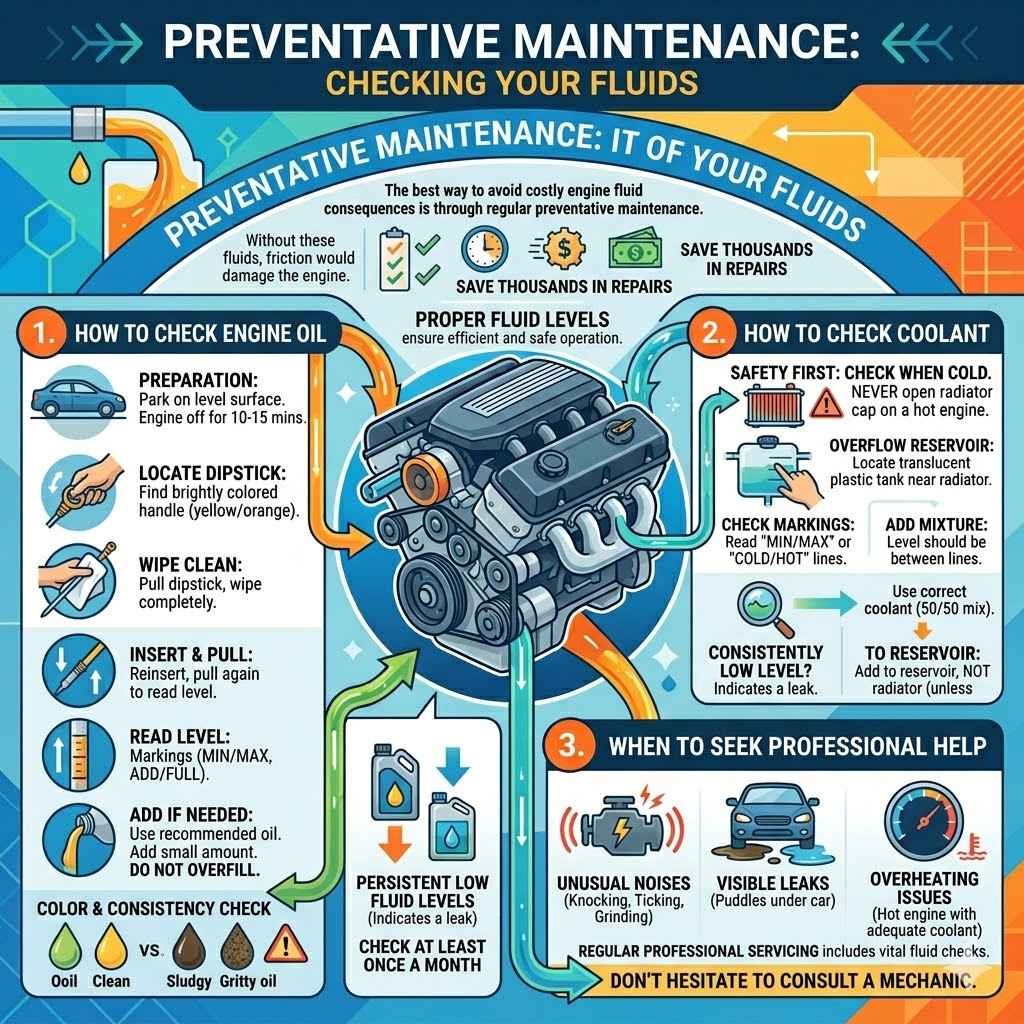
The best way to avoid the costly consequences of low engine fluid is through regular preventative maintenance. This involves simple checks that you can perform yourself or have done during routine servicing. Catching a low fluid level early can save you thousands in repairs.
Making fluid checks a habit is a small investment of time that yields significant returns in engine longevity and reliability. Knowing what to look for and when to check can prevent major breakdowns and ensure your car serves you well for years to come.
How to Check Engine Oil
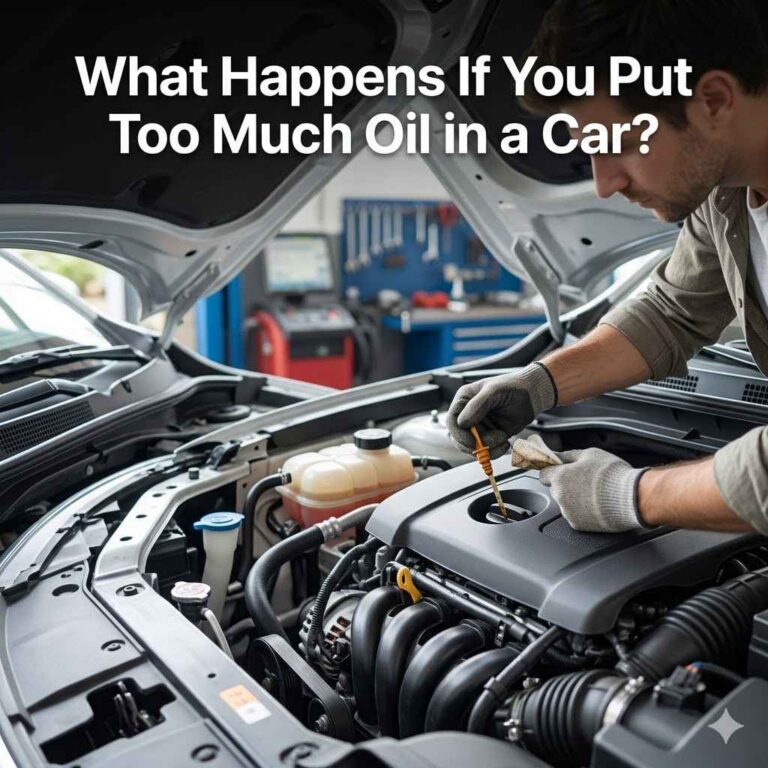
Checking your engine oil is one of the easiest and most important maintenance tasks. It should be done regularly, at least once a month, and before long road trips. Make sure your car is parked on a level surface and the engine has been off for at least 10-15 minutes to allow the oil to drain back into the oil pan.
Locate the oil dipstick, usually a brightly colored handle (often yellow or orange). Pull it out completely, wipe it clean with a rag or paper towel, and then re will be markings on the dipstick indicating the minimum and maximum oil levels (often shown as dots, lines, or the words “MIN” and “MAX” or “ADD” and “FULL”).
If the oil level is at or below the minimum mark, you need to add oil. Use the type of oil recommended in your car’s owner’s manual. Add a small amount at a time, wait a minute, and recheck the level until it reaches the full mark.
Do not overfill. Check the color and consistency of the oil as well; if it’s very dark, sludgy, or has a gritty texture, it might be time for an oil change.
How to Check Coolant
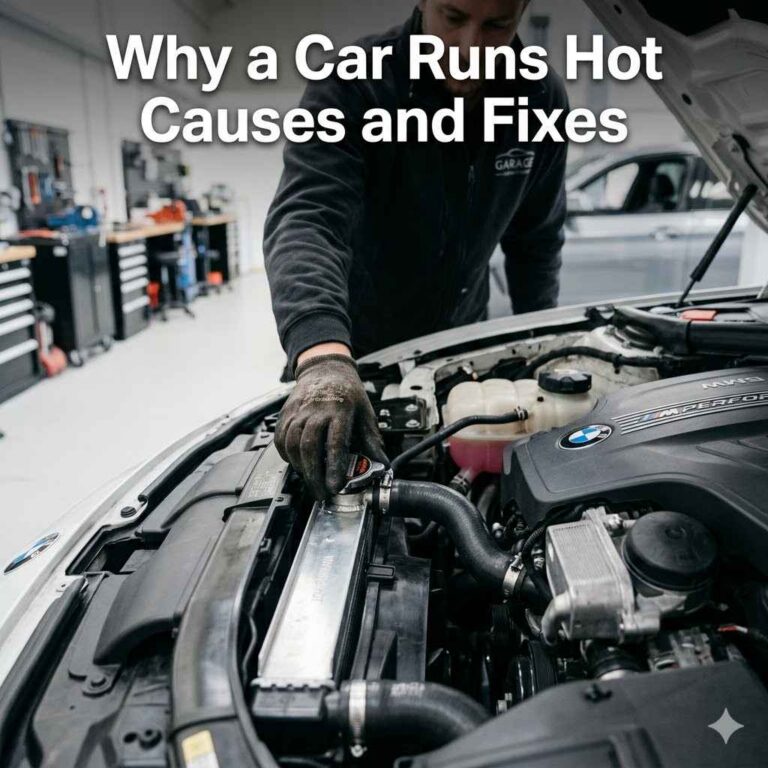
Checking coolant is also straightforward, but it’s crucial to do it safely. Never open the radiator cap when the engine is hot, as the pressurized hot coolant can spray out and cause severe burns. Instead, check the coolant level in the overflow reservoir (also called the expansion tank).
The overflow reservoir is typically a translucent plastic tank located near the radiator. It will have “MIN” and “MAX” or “COLD” and “HOT” lines marked on it. The coolant level should be between these lines when the engine is cold.
If the level is below the MIN or COLD line, you need to add coolant.
Use the correct type of coolant specified in your owner’s manual. Most modern cars use a 50/50 mixture of antifreeze and distilled water. If you need to top it up, add the mixture to the reservoir, not directly into the radiator unless the manual specifies.
If the reservoir is consistently low, it could indicate a leak in the cooling system that needs to be addressed by a mechanic.
When to Seek Professional Help
While checking your fluids is a simple DIY task, there are times when you should call a professional mechanic. If you notice any of the following, it’s best to get your car inspected:
- Persistent low fluid levels: If you regularly need to top up oil or coolant, it indicates a leak somewhere in the system. A mechanic can find and repair the leak.
- Unusual noises: Knocking, ticking, or grinding sounds from the engine, especially when the oil pressure light is on, are serious.
- Warning lights that won’t go away: If the oil pressure or engine temperature lights stay on after topping up fluids, there’s a deeper issue.
- Visible leaks: Puddles of oil or coolant under your car are a clear sign of a leak that needs immediate attention.
- Overheating issues: If your car consistently runs hot, even with adequate coolant, there might be a problem with the radiator, thermostat, water pump, or cooling fan.
Don’t hesitate to consult a mechanic if you’re unsure about any aspect of your car’s fluid levels or system health. Regular professional servicing also includes checks of these vital fluids, ensuring your car stays in good condition.
Frequently Asked Questions
Question: Can I drive my car with the oil light on?
Answer: No, you should never drive your car with the oil light on. This light indicates critically low oil pressure, meaning the engine is not being properly lubricated. Continuing to drive can cause severe internal damage, leading to engine seizure.
Question: How often should I check my engine oil?
Answer: It’s recommended to check your engine oil at least once a month and before any long road trips. More frequent checks are advisable if your car is older or known to consume oil.
Question: What happens if I put the wrong type of oil in my car?
Answer: Using the wrong type of oil can lead to improper lubrication and cooling, increasing engine wear and potentially causing damage. Always refer to your owner’s manual for the correct oil viscosity and specification.
Question: Can I mix different types of coolant?
Answer: It’s generally not recommended to mix different types of coolant, as they may contain different additive packages that can react and form a sludge, reducing cooling efficiency or causing corrosion. Always use the type specified in your owner’s manual.
Question: How long can a car run with no oil at all?
Answer: A car cannot run for long, if at all, with absolutely no oil. After a very short distance or time, the lack of lubrication will cause extreme friction and heat, leading to immediate and severe engine damage, likely resulting in seizure.
Summary
Running a car with low engine fluid, especially oil or coolant, can lead to immediate and severe damage. While a car might move for a short time, the risks of engine seizure, overheating, and costly repairs are extremely high. Regular checks of oil and coolant levels, as well as addressing any leaks promptly, are crucial for your car’s health and longevity.