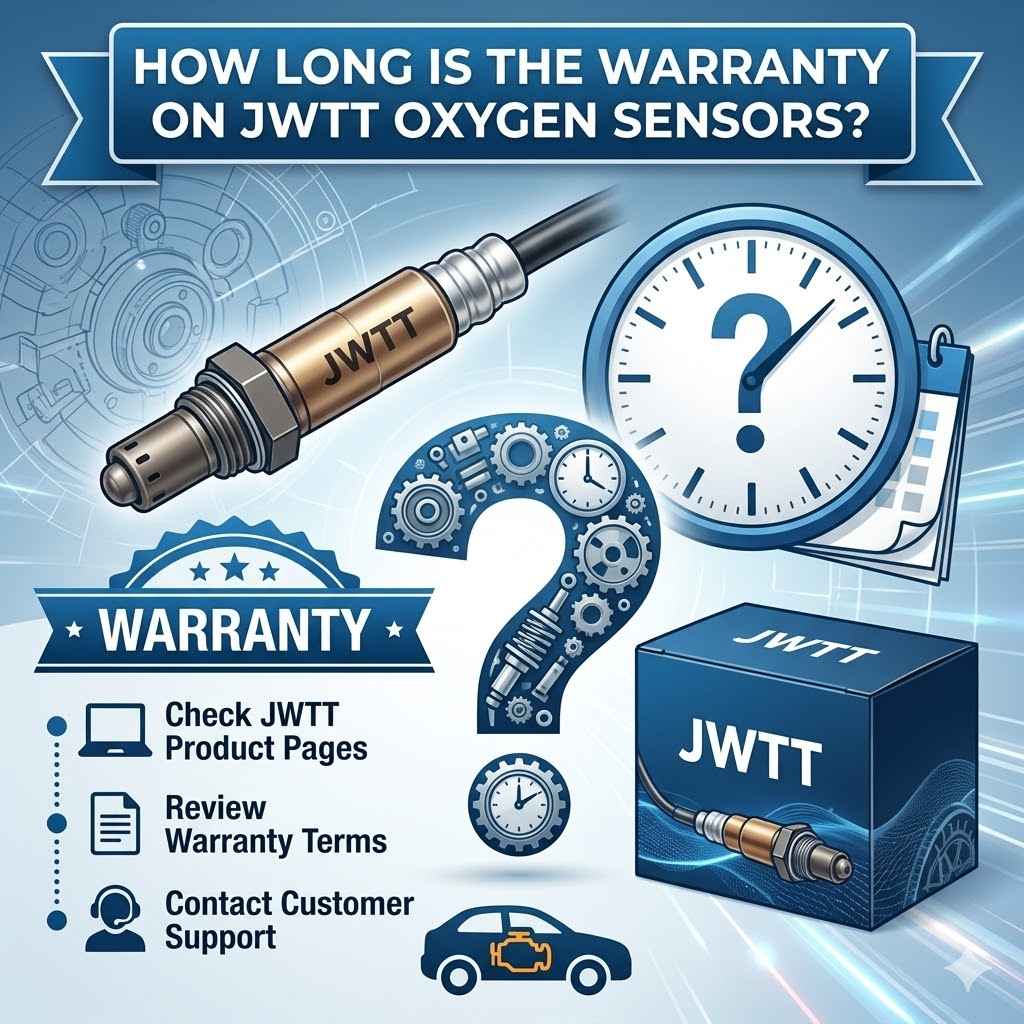
How Long Is the Warranty on JWTT Oxygen Sensors
Figuring out warranty details can sometimes feel tricky, especially for new car owners. You might wonder, How Long Is the Warranty on JWTT Oxygen Sensors? It’s a common question, and sometimes the information isn’t right in front of you. Don’t worry, this guide makes it super easy to find out.
We’ll walk you through it step by step so you know exactly what to expect. Let’s get started on finding your answer!
JWTT Oxygen Sensor Warranty Explained
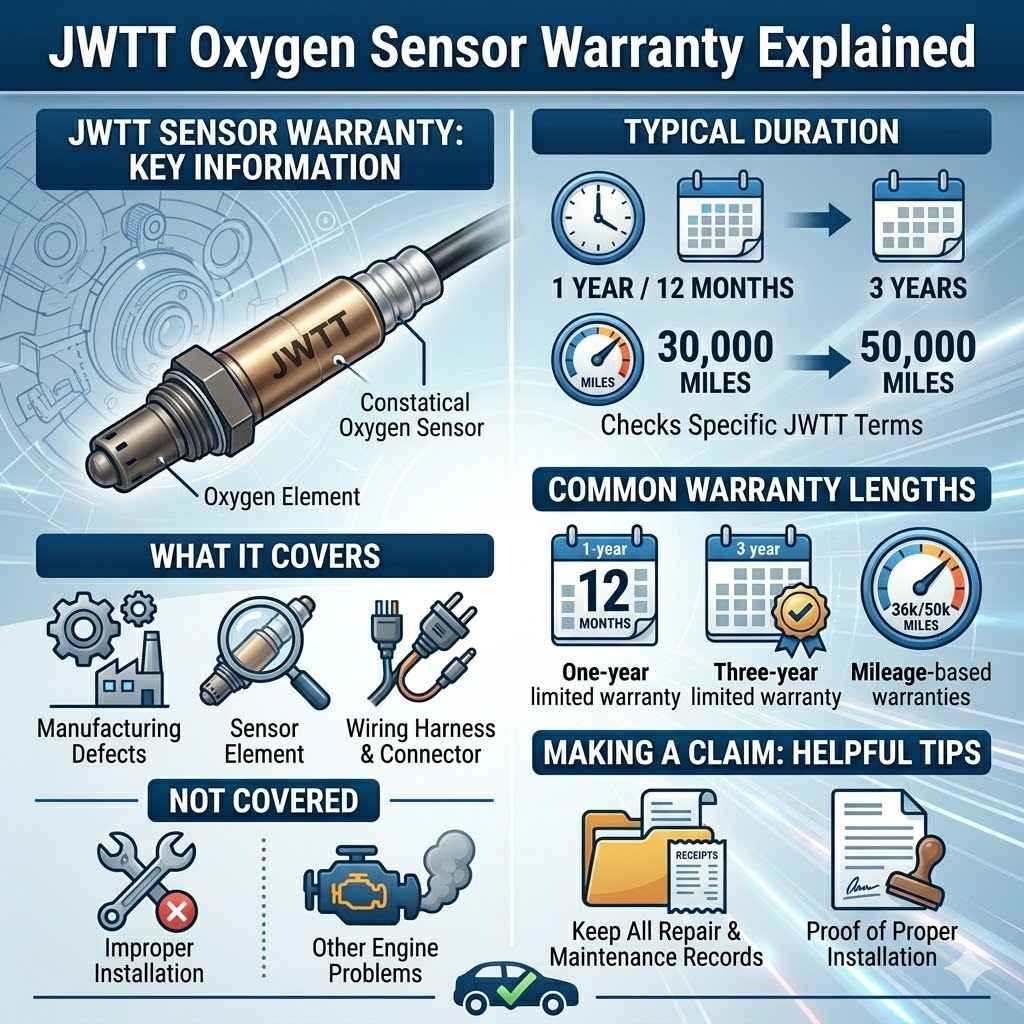
Understanding the warranty for your JWTT oxygen sensors is important for knowing your coverage. This section will break down what a typical JWTT oxygen sensor warranty includes. It will also cover how long these warranties usually last.
We want to make sure you have all the facts readily available.
What Does an Oxygen Sensor Warranty Cover
An oxygen sensor warranty protects you if the sensor fails due to a manufacturing defect. This means if the sensor stops working correctly because of how it was made, the warranty should cover it. It usually won’t cover issues caused by other engine problems or improper installation.
These warranties often cover the sensor itself. They might also cover labor costs if a mechanic needs to replace the faulty sensor. Always check the specific warranty document for details.
It is wise to keep all your repair and maintenance records. These can be very helpful if you ever need to make a warranty claim. Proof of proper installation is also key.
Components Typically Covered
- The sensor element itself This is the part that actually measures oxygen levels in your exhaust. If this internal component fails, the warranty should apply.
- The wiring harness and connector The wires and plug that connect the sensor to your car’s electrical system are usually included. Damage to these parts from normal use should be covered.
- Manufacturing defects These are flaws present from when the sensor was made. They are not caused by wear and tear or external damage.
Typical Warranty Duration
Warranty periods can vary quite a bit. Many automotive parts have limited warranties. JWTT oxygen sensors often come with a warranty that lasts for a specific period or mileage.
Some warranties might be for one year. Others could extend to three years. Mileage limits could be around 30,000 to 50,000 miles.
It is crucial to check the exact terms provided by JWTT.
These durations are common for many automotive sensors. They aim to give you peace of mind for a reasonable amount of time. Always check the product packaging or JWTT’s official website.
Common Warranty Lengths
You will often find JWTT oxygen sensor warranties fall into a few standard categories. These are based on how long they have been installed or how far you have driven your vehicle.
- One-year limited warranty This is a very common option for many auto parts. It covers defects for 12 months from the date of purchase.
- Three-year limited warranty Some premium sensors might offer a longer period. This provides extended protection for your investment.
- Mileage-based warranties These warranties are tied to how many miles your car has driven. A common limit might be 36,000 miles or 50,000 miles.
Factors Affecting JWTT Oxygen Sensor Warranty Claims
Several factors can influence whether a warranty claim for your JWTT oxygen sensor will be approved. It is important to know these to avoid any surprises. This section will explore common reasons why claims might be denied.
It will also explain what you can do to ensure your claim is successful.
Installation Requirements
Proper installation is a huge factor for any warranty. If the oxygen sensor is not installed correctly, the warranty may be void. This is because incorrect installation can damage the sensor or other engine parts.
This often means using the right tools and following the manufacturer’s specific instructions. It is usually best to have a qualified mechanic perform the installation. This provides a record of professional service.
If you install it yourself, be sure to read all instructions carefully. Keep any receipts for tools or parts used during the installation.
Professional Installation vs. DIY
- Professional Installation Certified mechanics have the training and tools needed. They ensure the sensor is fitted correctly. A professional installation also provides a documented service history. This is often required for warranty claims.
- DIY Installation If you choose to install it yourself, be extremely careful. Refer to your vehicle’s service manual and the JWTT installation guide. Document your work with photos or videos.
Maintenance and Other Vehicle Issues
The condition of your vehicle’s engine can also affect your warranty. If other engine problems cause the oxygen sensor to fail, the warranty might not apply. For instance, if your engine is burning too much oil, this can foul the sensor.
Regular maintenance is key. Following your car’s recommended service schedule helps prevent issues. This includes checking and replacing other engine components as needed.
Problems like exhaust leaks or engine misfires can also harm an oxygen sensor. These are often symptoms of other underlying issues that need fixing.
Common Issues That Void Warranties
- Engine Misfires Misfires mean the engine isn’t burning fuel efficiently. This can send unburned fuel into the exhaust, damaging the sensor.
- Coolant Leaks If coolant leaks into the combustion chamber, it can contaminate the exhaust and the sensor. This is a serious engine issue.
- Contaminated Fuel Using fuel with excessive additives or impurities can harm the sensor over time. Always use fuel from reputable stations.
- Physical Damage If the sensor is struck by road debris or damaged during other repairs, this is usually not covered.
When Does a Warranty Apply
A warranty is designed to cover defects in the product itself. If the JWTT oxygen sensor fails on its own without any external cause, the warranty should cover it. This includes failures due to faulty materials or poor workmanship during manufacturing.
The warranty applies when the sensor does not perform as intended due to a flaw within the sensor. It’s for issues that are not your fault or your car’s fault.
To make a claim, you will need proof of purchase. You will also need to show that the sensor was installed and maintained correctly.
Examples of Valid Claims
- Sensor fails shortly after installation without any apparent cause. This suggests a manufacturing defect.
- The sensor’s internal heating element stops working prematurely due to a defect. This is crucial for proper sensor function.
- Electrical connections within the sensor corrode or fail due to poor manufacturing. This prevents proper signal transmission.
How to Find Specific JWTT Oxygen Sensor Warranty Information
Getting the exact warranty details for your JWTT oxygen sensor is straightforward if you know where to look. This part will guide you to the most reliable sources. We will cover checking product packaging, official websites, and contacting JWTT directly.
Checking Product Packaging and Documentation
When you purchase a JWTT oxygen sensor, it usually comes with some paperwork. This documentation is your primary source for warranty information. Always check the box or any inserts that come with the sensor.
Look for a small booklet or a card that details the warranty terms. This will state the duration, what is covered, and any limitations. Keep this document in a safe place.
Sometimes, the warranty information is printed directly on the product’s label or the packaging itself. A quick glance might provide the answer you need.
What to Look For
- Warranty Period Look for phrases like “1-Year Limited Warranty” or “36,000 Mile Warranty.” This tells you the duration of coverage.
- Exclusions Read carefully for any listed exclusions. Common exclusions include damage from improper installation or external factors.
- Contact Information There should be contact details for JWTT customer support. This is helpful if you have more questions.
JWTT Official Website Resources
The official JWTT website is a treasure trove of information. Manufacturers usually have dedicated sections for product support, warranties, and FAQs. This is often the most up-to-date place for information.
Navigate to the automotive parts section or search for “oxygen sensors.” You should find product pages with detailed specifications, including warranty information.
Many websites also offer downloadable PDFs of product manuals and warranty statements. These are great for future reference.
Navigating the Website
- Product Support Section Look for a “Support” or “Customer Service” tab. Within that, you might find a “Warranty Information” link.
- Search Bar Use the website’s search function. Typing “oxygen sensor warranty” can directly lead you to the relevant pages.
- Product Catalog Browse the catalog of oxygen sensors. Individual product pages often list warranty details.
Contacting JWTT Customer Support
If you cannot find the information you need online or on the packaging, contacting JWTT directly is the best next step. Customer support can provide the most accurate and personalized answers. They can clarify any confusing terms.
You can usually reach them by phone or email. Have your product’s part number or model number ready. This will help them assist you faster.
Don’t hesitate to ask specific questions. It’s better to get a clear answer now than to face problems later.
How to Get In Touch
- Phone Support Look for a toll-free number on their website or product documentation. This is often the quickest way to get an answer.
- Email Support Many companies offer email support for less urgent inquiries. You can detail your question and attach any relevant photos if needed.
- Live Chat Some websites offer a live chat feature. This allows you to speak with a representative in real-time.
Comparing JWTT Warranties with Other Brands
When buying car parts, it is helpful to compare what different brands offer. This helps you make the best choice for your needs. This section will look at how JWTT’s oxygen sensor warranties might compare to those from other popular brands.
We will cover typical warranty durations and the scope of coverage.
Typical Warranty Durations Across Brands
Most reputable brands in the automotive aftermarket offer warranties on oxygen sensors. The length of these warranties is a key factor for consumers.
While many brands offer a one-year warranty, some may extend this to two or even three years. Mileage limitations are also common. These can range from 30,000 to 100,000 miles.
JWTT’s offerings often fall within this standard range.
It is rare to find lifetime warranties on oxygen sensors. They are considered wear-and-tear items.
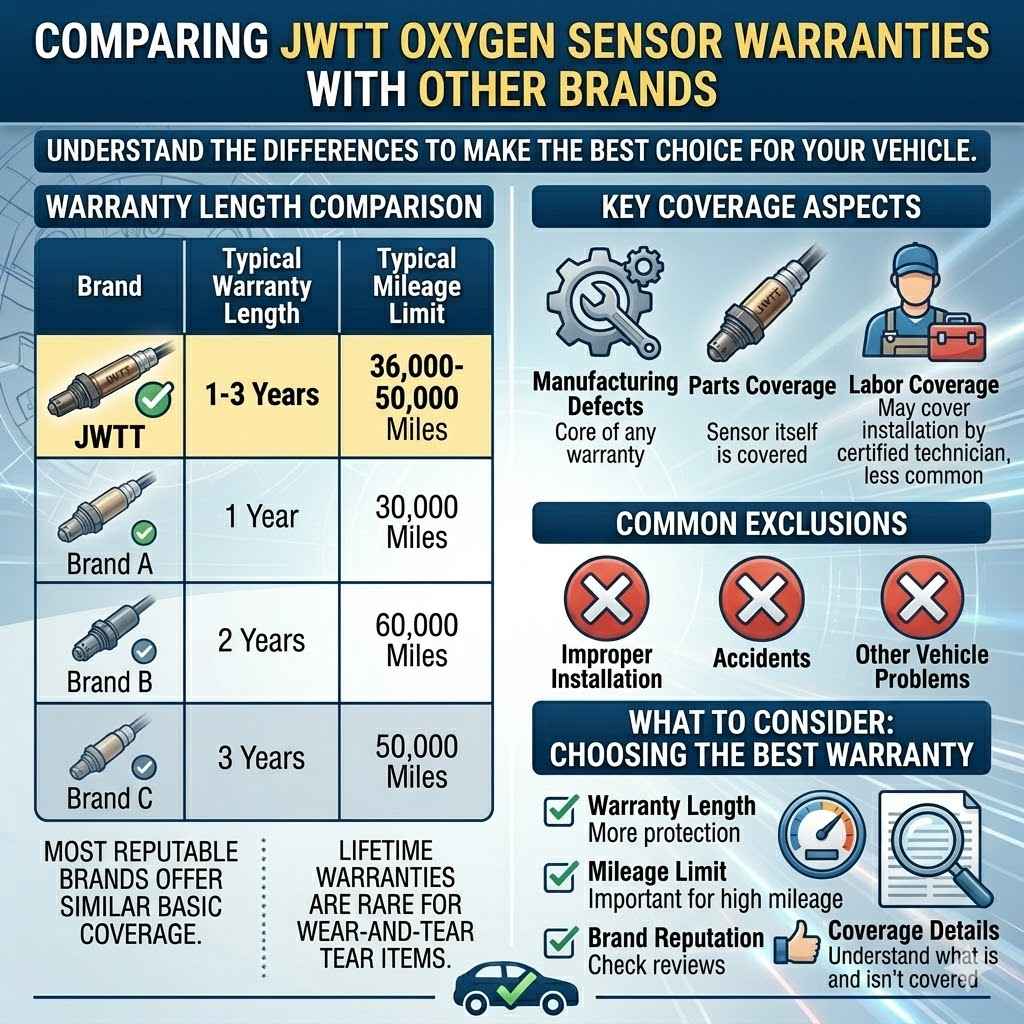
Warranty Length Comparison
| Brand | Typical Warranty Length | Typical Mileage Limit |
|---|---|---|
| JWTT | 1-3 Years | 36,000-50,000 Miles |
| Brand A | 1 Year | 30,000 Miles |
| Brand B | 2 Years | 60,000 Miles |
| Brand C | 3 Years | 50,000 Miles |
Scope of Coverage Similarities and Differences
The scope of coverage for oxygen sensor warranties is generally quite similar across brands. Most warranties cover manufacturing defects. They will typically include parts and sometimes labor if installation is done by a certified technician.
However, there can be nuances. Some warranties might have stricter requirements for installation proof. Others might be more lenient with minor issues.
It is always best to read the fine print for each brand.
Factors like product quality and brand reputation can also influence perceived warranty value.
Key Coverage Aspects
- Manufacturing Defects All reputable brands cover defects that arise from how the sensor was made. This is the core of any warranty.
- Parts Coverage The sensor itself is always covered. If it fails due to a defect, it will be replaced.
- Labor Coverage Some warranties may cover the cost of installation labor, but this is less common. It often requires installation by an authorized professional.
- Exclusions All warranties have exclusions. These typically involve damage from improper installation, accidents, or other vehicle problems.
Choosing the Best Warranty
When choosing an oxygen sensor, consider the warranty alongside the product’s reputation and price. A longer warranty or a higher mileage limit can offer more peace of mind. However, make sure the brand itself is reliable.
A warranty is only as good as the company backing it. Look for brands with strong customer reviews and responsive support.
JWTT often provides a competitive warranty that balances duration and value. Compare this with other brands to see what fits your needs best.
What to Consider
- Warranty Length A longer warranty offers more protection.
- Mileage Limit This is important if you drive many miles.
- Brand Reputation Check reviews and see how the company handles warranty claims.
- Coverage Details Understand what is and isn’t covered before you buy.
Frequently Asked Questions
Question: What is the standard warranty period for JWTT oxygen sensors?
Answer: The standard warranty period for JWTT oxygen sensors typically ranges from one to three years, often with a mileage limit such as 36,000 to 50,000 miles.
Question: Does the JWTT warranty cover installation labor?
Answer: Coverage for installation labor can vary. Some JWTT warranties might include it if installed by a certified professional, but it is often limited to the sensor part itself. Always check the specific warranty documentation.
Question: What kind of issues are usually NOT covered by a JWTT oxygen sensor warranty?
Answer: Issues not covered typically include damage from improper installation, physical damage from accidents or road debris, and failures caused by other engine problems like misfires or coolant leaks.
Question: How can I find the exact warranty details for my specific JWTT oxygen sensor model?
Answer: You can find exact warranty details on the product packaging, in the documentation that came with the sensor, or by visiting the official JWTT website and searching for your product model.
Question: What should I do if I believe my JWTT oxygen sensor is defective and still under warranty?
Answer: If you suspect a defect, contact JWTT customer support with your proof of purchase and installation details. They will guide you through the warranty claim process.
Summary
JWTT oxygen sensors generally come with warranties lasting one to three years or a specific mileage. These warranties cover manufacturing defects but not damage from improper installation or other vehicle issues. Always check the product packaging or the JWTT website for exact terms.