How Much Does It Cost To Fix An AC Leak In A Car
Figuring out How Much Does It Cost to Fix an AC Leak in a Car? can feel tricky, especially if you’re not a car whiz. It’s a common worry because a leaky car AC can make your drives uncomfortable, and you just want to get it fixed without surprises. You might wonder if it’s a quick, cheap fix or something that will empty your wallet.
Don’t stress! We’ll break down what affects the cost and what you can expect, making it super simple to understand so you can get your cool air back.
Understanding Car AC Leak Repair Costs
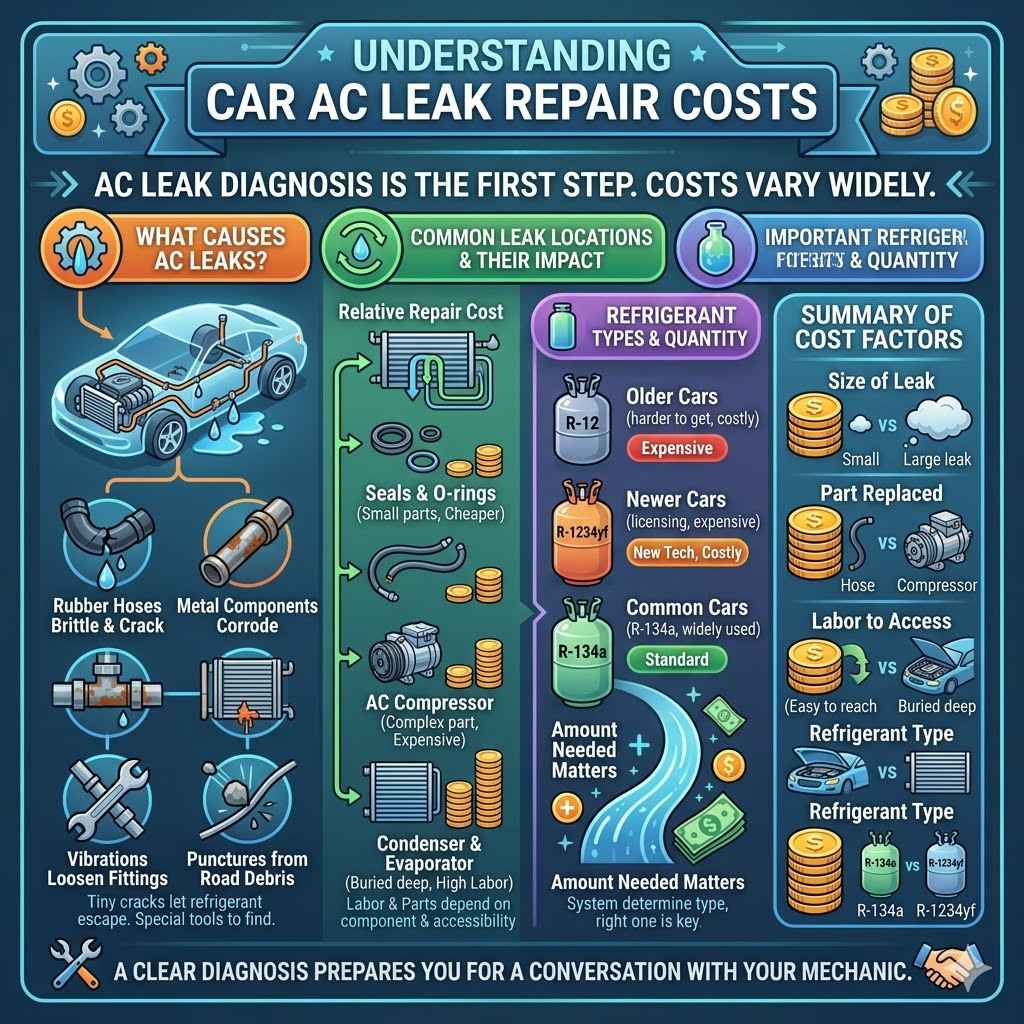
When your car’s air conditioning stops blowing cold air, a leak is often the culprit. This section helps you grasp why the price tag for fixing it can vary so much. We’ll look at the main factors that influence the total bill, from the size of the leak to the parts that need replacing.
This will give you a clear picture of what goes into the cost, preparing you for a conversation with your mechanic.
What Causes AC Leaks?
Car AC systems are made of many parts, and any of them can develop a leak. Common places for leaks include the refrigerant lines, seals, O-rings, and even the AC compressor itself. Over time, rubber hoses can get brittle and crack, or metal components can corrode.
Vibrations from driving can also loosen fittings. Sometimes, small punctures from road debris can cause damage. Even a tiny crack can let the precious refrigerant escape, which is what makes your AC cool.
Identifying the exact source of the leak is the first step in the repair process. Mechanics use special tools like UV dye and electronic leak detectors to find these hidden issues. Without pinpointing the leak, any repair might just be a temporary fix.
Understanding these causes helps you appreciate why diagnosis is an important part of the overall repair expense.
Common Leak Locations and Their Impact
The part of your AC system that is leaking plays a big role in how much the repair will cost. For instance, a leak in a simple rubber hose might be cheaper to fix than a leak in the expensive AC compressor. Seals and O-rings are small but vital.
If they fail, refrigerant can escape. Replacing just these small parts can sometimes solve the problem. However, if the leak is in a more complex component like the evaporator or condenser, the labor and parts cost can go up significantly.
The location also affects how easy it is for a mechanic to access the faulty part. Some parts are out in the open, while others are buried deep within the car’s engine bay. The more time and effort it takes to get to the leak, the higher the labor costs will be.
This is why getting a proper diagnosis is so important to understand the scope of the work involved.
The Importance of Refrigerant Type
Different cars use different types of refrigerant, and this can affect repair costs. Older cars might use R-12, which is more expensive and harder to get than newer refrigerants like R-134a or R-1234yf. R-1234yf, in particular, is currently more costly due to its newer technology and licensing.
The amount of refrigerant needed also matters. If your system has lost a lot of refrigerant, it will cost more to refill.
Refrigerant is not just a top-up; it’s a key component for your AC’s cooling function. The type of refrigerant your car uses is determined by its make and model year. It’s important for mechanics to use the correct type, as using the wrong one can damage the system.
This is why it’s good to have an idea of what your car uses, or ask your mechanic for clarification.
Estimating the Cost of AC Leak Repair
Now that we know what causes leaks, let’s talk about what you can expect to pay. The cost of fixing an AC leak in your car isn’t a single fixed price. It can really range quite a bit.
We will break down the typical expenses you might encounter, from simple repairs to more involved ones. This will help you budget and understand the value of getting this important system working again.
Diagnostic Fees
Before any repairs can begin, a mechanic needs to figure out exactly where the leak is and what’s causing it. This is called diagnosis. Diagnostic fees can vary between shops.
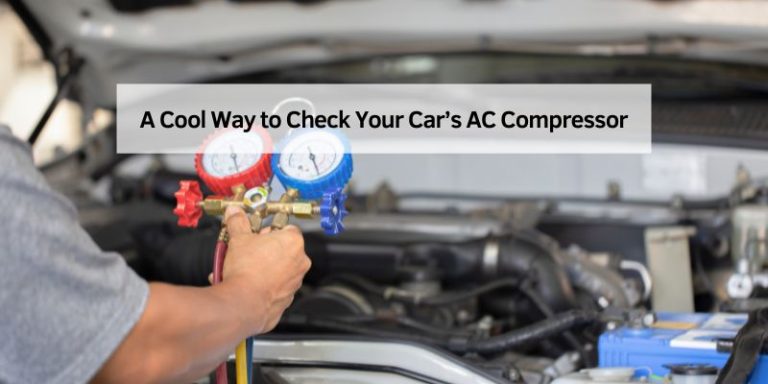
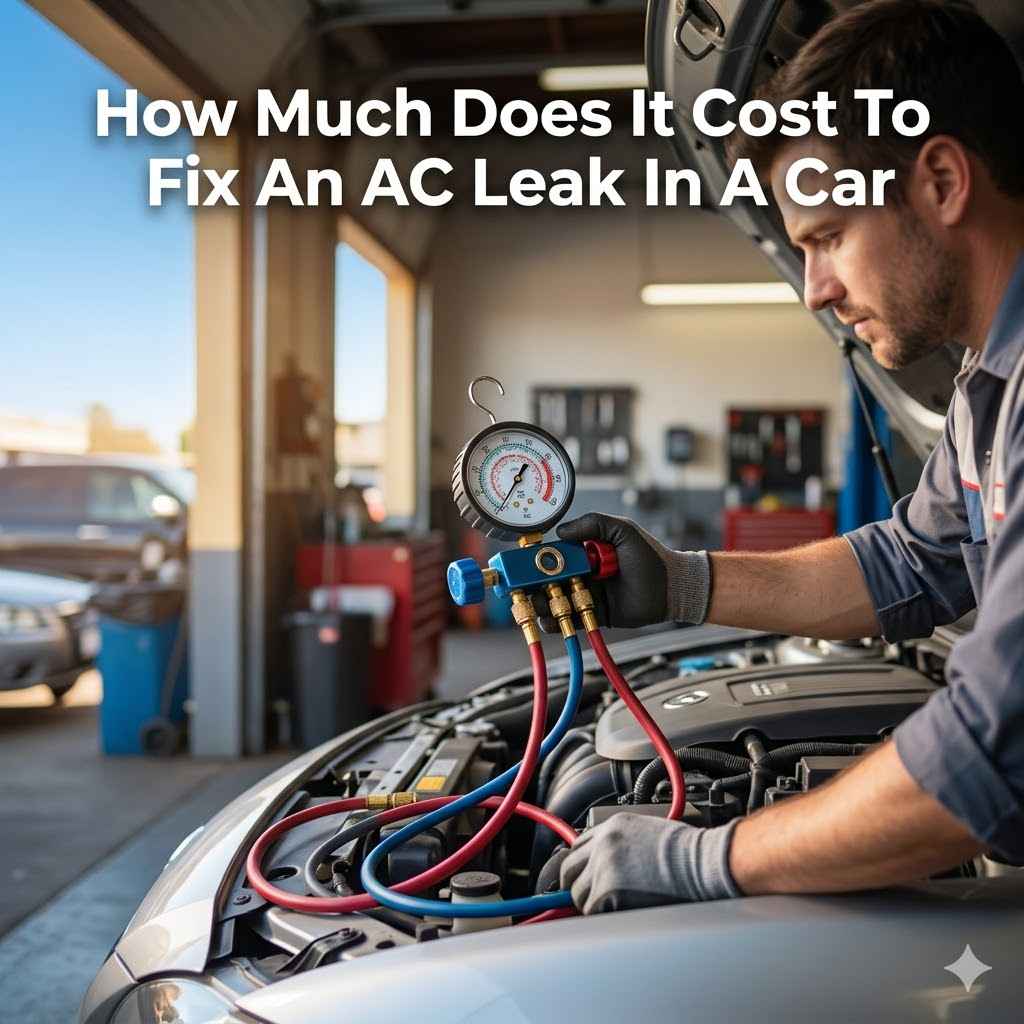
Some might charge a flat rate for AC system diagnosis, while others might charge by the hour. This fee covers the mechanic’s time and the use of specialized equipment like leak detectors and manifold gauges to check the system’s pressure and find the problem.
A thorough diagnosis is crucial because fixing the wrong thing or missing a secondary leak can lead to repeated problems and wasted money. It’s like a doctor needing to figure out what’s wrong before prescribing medicine. Expect to pay anywhere from $75 to $200 for a good diagnostic service.
Some shops might waive the diagnostic fee if you proceed with the repair at their facility, so it’s always worth asking.
For example, a common diagnostic process involves:
- Visual inspection of AC components.
- Connecting manifold gauges to measure system pressures.
- Using an electronic leak detector to pinpoint refrigerant escape.
- Injecting UV dye into the system and looking for glowing leaks under a UV light.
These steps help ensure the problem is accurately identified, which is key to a successful and lasting repair. Without this, you’re essentially guessing and could end up paying for multiple fixes.
Cost of Parts for AC Leak Repair
The price of parts can swing the total bill quite a bit. Small parts like O-rings and seals are usually inexpensive, costing anywhere from a few dollars to $20 each. Hoses and lines can range from $50 to $200 or more, depending on the specific hose and your car model.
A new AC compressor is typically the most expensive part, often costing between $300 and $1000, or even more for luxury vehicles.
Other components like the condenser ($100-$400), evaporator ($200-$600), or expansion valve ($30-$100) can also be sources of leaks and add to the cost. The brand of the part also matters. Original Equipment Manufacturer (OEM) parts tend to be pricier than aftermarket parts, but they often come with a better warranty and fit more precisely.
Here’s a general idea of part costs:
| Part | Estimated Cost Range |
|---|---|
| O-rings/Seals | $5 – $20 |
| Refrigerant Lines/Hoses | $50 – $200 |
| AC Compressor | $300 – $1000+ |
| Condenser | $100 – $400 |
| Evaporator | $200 – $600 |
| Expansion Valve | $30 – $100 |
Remember, these are just estimates. Actual prices can vary based on your vehicle’s make, model, and the specific supplier.
Labor Costs for AC Repair
Labor is a significant part of the repair bill. Mechanics typically charge an hourly rate, and the time it takes to fix an AC leak depends on the complexity of the job. Simple repairs, like replacing a few O-rings, might only take an hour or two.
More involved repairs, such as replacing a compressor or evaporator, can take several hours, sometimes even a full day.
Hourly labor rates can range from $75 to $150 or more, depending on your location and the type of shop (dealerships are often more expensive than independent garages). When a part is difficult to access, the labor cost will naturally increase. This is why getting an estimate that details both parts and labor is essential.
Consider these scenarios:
- Simple Hose Leak: A mechanic might need 1-2 hours to diagnose and replace a leaky hose.
- Compressor Replacement: This is a major job that could take 4-6 hours, including evacuating and recharging the system.
- Evaporator Core Issue: This often requires removing the entire dashboard, which can take 8+ hours of labor.
The mechanic’s expertise also plays a role. Highly skilled technicians might be faster and more efficient, potentially saving you money in the long run, even if their hourly rate is slightly higher.
Refrigerant Recharge Cost
After repairing a leak, the AC system needs to be recharged with refrigerant. The cost of the refrigerant itself varies. As mentioned, R-1234yf is more expensive than R-134a.
The amount of refrigerant needed also depends on your car’s system capacity. A typical recharge can cost anywhere from $50 to $150, or more if a large amount of refrigerant is lost.
This process also involves evacuating the system to remove any air or moisture before refilling it with the correct amount of refrigerant. Proper evacuation is critical for the system’s efficiency and longevity. It prevents damage that can be caused by moisture contamination.
Factors Influencing the Total AC Leak Repair Bill
We’ve covered the basic costs, but several other elements can push the final bill higher or lower. Understanding these factors will help you make informed decisions when getting your car’s AC fixed. This section explores the variables that can impact your wallet beyond the direct cost of parts and labor.
Vehicle Make and Model
The make and model of your car significantly influence repair costs. Luxury vehicles or those with complex AC systems often use more expensive parts and require specialized tools and expertise. For example, parts for a BMW or Mercedes might be considerably more costly than for a Honda or Toyota.
Some car manufacturers also design their systems in ways that make certain repairs more labor-intensive.
Even the year of your car can be a factor. Older vehicles might use refrigerants that are no longer common or readily available, driving up their cost. Newer vehicles might have more advanced, and thus more expensive, components integrated into their AC systems.
Always provide your exact vehicle details to get the most accurate quote.
Location and Type of Repair Shop
Where you choose to get your car fixed matters. Dealerships generally have higher labor rates and parts costs compared to independent repair shops. However, dealerships often offer specialized knowledge for your specific car brand and may have better warranty options.
Independent shops can offer competitive pricing, and many are just as capable, especially those that specialize in auto air conditioning.
Mobile mechanics can sometimes be a more affordable option, as they have lower overhead costs. However, they might not have all the specialized equipment found in a brick-and-mortar shop. When getting quotes, it’s a good idea to compare prices from a few different types of service providers in your area.
Severity of the Leak
The size and location of the leak directly impact the repair cost. A small leak in an easily accessible hose might be a quick and inexpensive fix. However, a large leak in a hard-to-reach component, like the evaporator core located behind the dashboard, will be much more costly due to the extensive labor involved in accessing it.
Some leaks might require replacing multiple components, not just the one with the initial breach.
Sometimes, a leak can go unnoticed for a while, allowing the entire system to lose its charge and potentially suffer damage from lack of lubrication provided by the refrigerant oil. In such cases, a more comprehensive repair might be needed, including flushing the system and replacing the compressor oil. The longer a leak goes unaddressed, the more complex and expensive the repair often becomes.
Additional AC System Issues
It’s not uncommon for a leaky AC system to have other underlying problems. For instance, a faulty blower motor, a clogged cabin air filter, or a malfunctioning blend door actuator can all mimic AC issues or be caused by neglect. If the mechanic discovers these additional problems during diagnosis, they will add to the total repair cost.
It’s important to address all identified issues for optimal AC performance.
Sometimes, a leak can also cause secondary damage to other components due to refrigerant loss and pressure changes. For instance, if the system runs low on refrigerant for an extended period, the compressor might not get enough lubrication and could eventually seize up. This would turn a relatively simple leak repair into a much more expensive replacement of the compressor and potentially other components.
How Much Does It Cost to Fix an AC Leak in a Car A Detailed Breakdown
Let’s put some numbers to it. Understanding How Much Does It Cost to Fix an AC Leak in a Car? requires looking at the common repair scenarios. Here, we provide estimated cost ranges for typical AC leak repairs.
These figures are meant to give you a ballpark idea, and actual costs will vary based on the factors we’ve already discussed.
Scenario 1: Minor Leak (O-rings, Small Hose)
If the leak is from a simple O-ring seal on a refrigerant line or a small crack in an accessible hose, the repair is usually straightforward. The mechanic will drain the system,
Estimated Cost: $150 – $400
- Diagnosis: $75 – $150
- Parts (O-rings, small hose section): $10 – $50
- Labor: 1-2 hours at $75 – $150/hour = $75 – $300
- Refrigerant Recharge: $50 – $100
This scenario represents the best-case outcome for an AC leak, where the damage is minimal and easily fixed. It highlights the importance of catching leaks early before they worsen.
Scenario 2: Moderate Leak (Larger Hose, Sealant Issue)
A moderate leak might involve a more significant hose
Estimated Cost: $400 – $800
- Diagnosis: $75 – $150
- Parts (Larger hose, condenser seals): $50 – $200
- Labor: 2-4 hours at $75 – $150/hour = $150 – $600
- Refrigerant Recharge: $50 – $150
This range accounts for more complex work. For instance, replacing the condenser might involve removing other engine components for access, driving up labor hours.
Scenario 3: Major Leak (Compressor, Evaporator, Condenser Replacement)
This is the most expensive category. If the AC compressor has failed due to lack of lubrication from refrigerant loss, or if the evaporator or condenser has a significant leak, the repair cost can be substantial. These are major components, and their replacement is labor-intensive.
Estimated Cost: $800 – $2500+
- Diagnosis: $100 – $200 (may include system flush)
- Parts (Compressor, Evaporator, Condenser): $300 – $1000+
- Labor: 4-8+ hours at $75 – $150/hour = $300 – $1200+
- Refrigerant Recharge: $75 – $150
Replacing an evaporator often involves removing the entire dashboard, which can take a full day or more of labor alone. A failed compressor can also mean that metal shavings have contaminated the system, requiring a complete flush and potentially replacing other parts like the expansion valve.
Real-Life Example
Sarah drives a 2015 Honda Civic. Her AC stopped blowing cold air. The mechanic diagnosed a leak in the AC compressor seal.
The repair involved replacing the compressor, a new receiver-drier, and recharging the system with R-134a. The total bill came to $950. This included about $500 for the compressor, $100 for the receiver-drier, $50 for refrigerant, and $300 for labor.
Another driver, Mark, with a 2018 Ford F-150, noticed a faint hissing sound from his AC. His mechanic found a leaking O-ring on one of the refrigerant lines. The repair was completed in under two hours and cost $220, with $15 for the O-rings and $205 for labor and refrigerant recharge.
These examples show the wide range of costs. Sarah’s issue was a major component failure, while Mark’s was a minor, inexpensive fix. Early detection is key to avoiding higher costs.
Tips for Managing AC Leak Repair Costs
Paying for car repairs can be stressful, but there are smart ways to approach fixing your AC leak that can help save you money. This section offers practical advice to make the process more manageable and less of a financial burden. We’ll cover how to get the best price and avoid unnecessary expenses.
Get Multiple Quotes
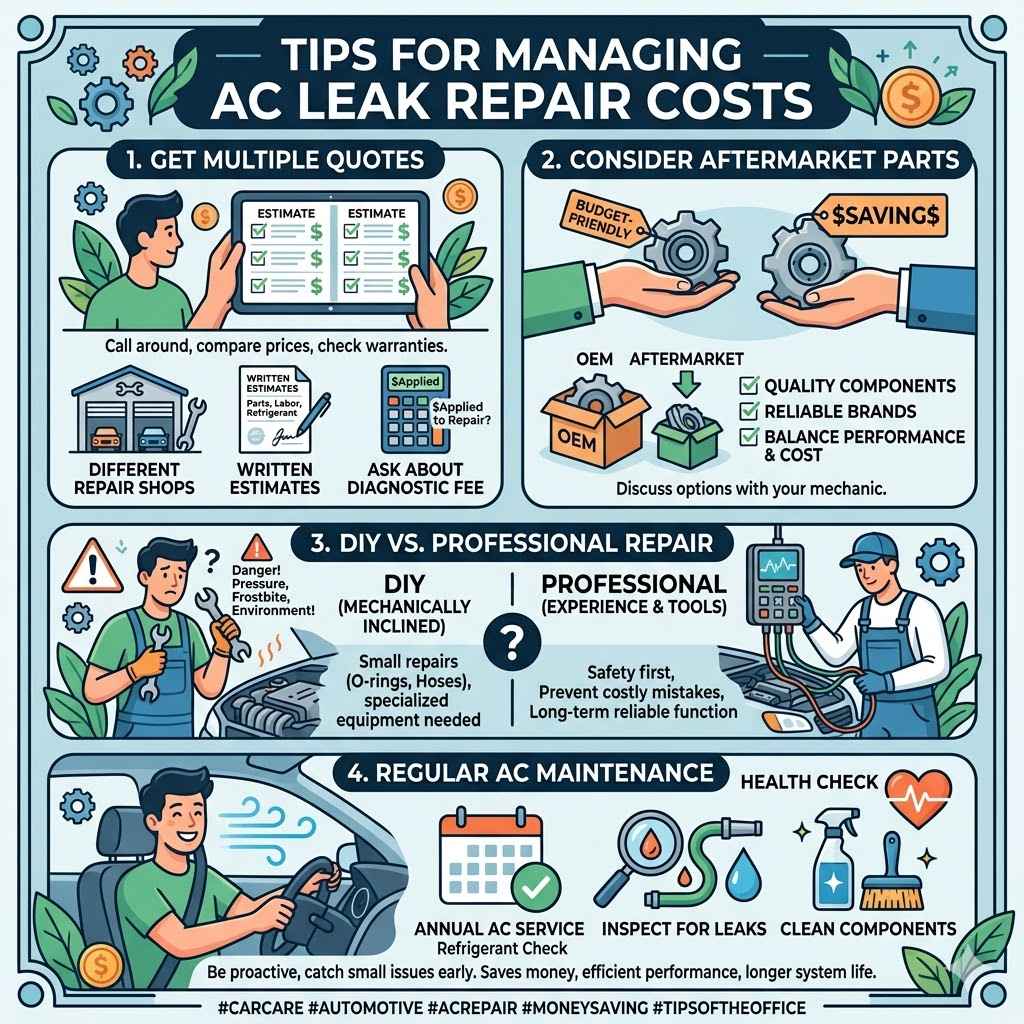
Just like shopping for anything else, getting quotes from several different repair shops is a smart move. Prices can vary significantly from one mechanic to another. Don’t just go to the first place you find.
Call around or visit a few shops in person to get written estimates. Make sure each quote details the diagnosis, the parts needed, the labor hours, and the type of refrigerant used.
When getting quotes, be sure to ask if the diagnostic fee will be applied to the repair cost if you choose to have the work done there. Some shops offer this as an incentive. Also, inquire about the warranty they offer on parts and labor; a good warranty can save you money in the long run if something goes wrong.
Consider Aftermarket Parts
While OEM (Original Equipment Manufacturer) parts are often preferred for their quality and perfect fit, aftermarket parts can be a more budget-friendly option. Many reputable aftermarket brands offer reliable AC components that can significantly reduce the overall cost of repair. However, it’s important to choose parts from well-known and trusted brands to ensure durability and proper function.
Ask your mechanic about the options available. They can often recommend good quality aftermarket parts that will save you money without sacrificing too much in terms of performance or longevity. Be wary of unusually cheap parts, as they might be of lower quality and fail sooner, costing you more in the long run.
DIY vs. Professional Repair
For some minor AC issues, like replacing an easily accessible O-ring or a simple hose, a mechanically inclined individual might consider a DIY approach. However, working with AC systems can be dangerous if you don’t have the right knowledge and equipment. Refrigerants are under pressure and can cause frostbite or eye injury.
Improper handling can also harm the environment.
Recharging an AC system requires specialized equipment to measure the exact amount of refrigerant needed. Overcharging or undercharging can damage the system. Unless you are experienced and have the proper tools and safety gear, it’s usually best to leave AC leak repairs to the professionals.
The cost of the repair is often less than the cost of fixing mistakes made during a DIY attempt.
Regular AC Maintenance
Preventative maintenance is key to avoiding costly AC repairs down the line. Regularly checking your AC system, getting it serviced annually, and addressing small issues promptly can prevent them from becoming major problems. A simple AC service might include checking refrigerant levels, inspecting for leaks, and cleaning components.
Think of it like taking care of your health. Regular check-ups can catch problems early when they are easier and cheaper to fix. A well-maintained AC system will not only keep you cool but also last longer and perform more efficiently, saving you money on fuel and repairs over time.
This proactive approach can help avoid the unexpected large bills associated with major AC leaks.
Frequently Asked Questions
Question: What are the signs of an AC leak in my car?
Answer: Common signs include air not blowing cold, a hissing sound from the AC system, strange smells, or visible oily residue around AC components. You might also notice the AC performance degrading over time.
Question: Can I drive my car with an AC leak?
Answer: Yes, you can typically drive your car with an AC leak, but the cooling performance will be reduced or absent. However, it’s best to get it fixed soon, as driving with low refrigerant can sometimes damage other AC components.
Question: How long does an AC leak repair typically take?
Answer: A simple leak repair might take 1-3 hours. More complex issues, like replacing a compressor or evaporator, can take a full day or more, depending on accessibility and the extent of the work.
Question: Is it worth fixing an AC leak on an old car?
Answer: It depends on the car’s overall condition and the cost of the repair. If the car is otherwise in good shape and the repair is not excessively expensive, it can be worthwhile. However, if the car has many other issues, you might want to weigh the repair cost against the car’s value.
Question: Can I use a DIY AC stop leak product?
Answer: While DIY stop leak products exist, they are often a temporary fix and can sometimes cause damage to your AC system or make professional repairs more difficult later. It is generally recommended to have a qualified mechanic diagnose and repair the leak.
Wrap Up
Understanding How Much Does It Cost to Fix an AC Leak in a Car? involves knowing about diagnosis, parts, and labor. Costs range from around $150 for minor fixes to over $2500 for major component replacements. Getting multiple quotes and considering parts options can help manage expenses.
Regular maintenance is the best way to prevent big repair bills.