How to Clean Corroded Car Fuse Box: Easy DIY Steps
Have you ever popped open the hood of your car, only to find the fuse box looking a little worse for wear? Corrosion can sneak up on you, causing all sorts of electrical headaches.
But don’t worry—you’re not alone, and there’s a simple solution. In this guide, we’ll walk you through the easy steps to clean your corroded car fuse box. You’ll discover how a bit of elbow grease can save you from costly repairs or replacements.
By the end, you’ll have the know-how to keep your car’s electrical system in tip-top shape. Ready to dive in and tackle that corrosion? Let’s get started!
Signs Of Corrosion In Fuse Box
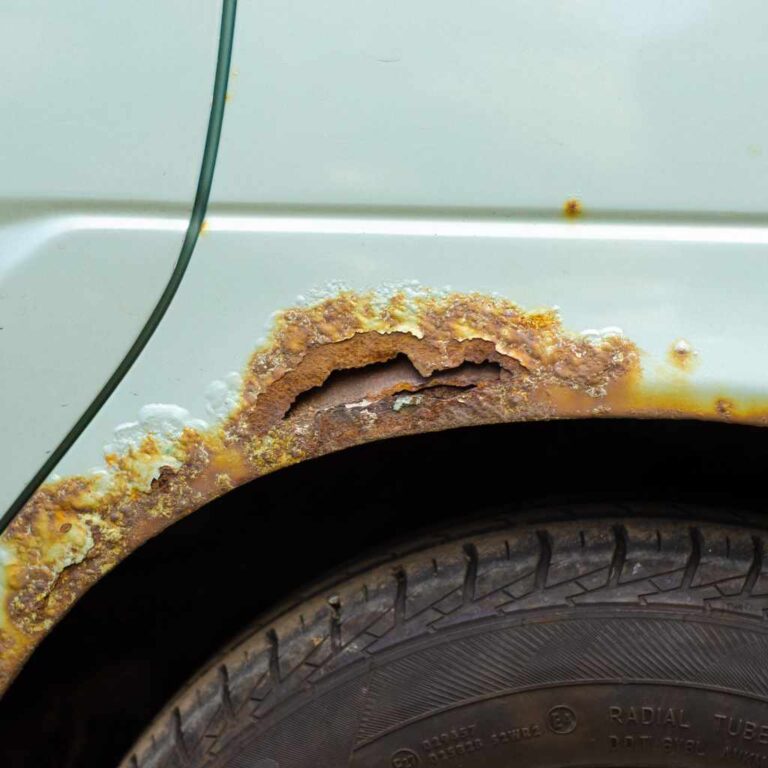
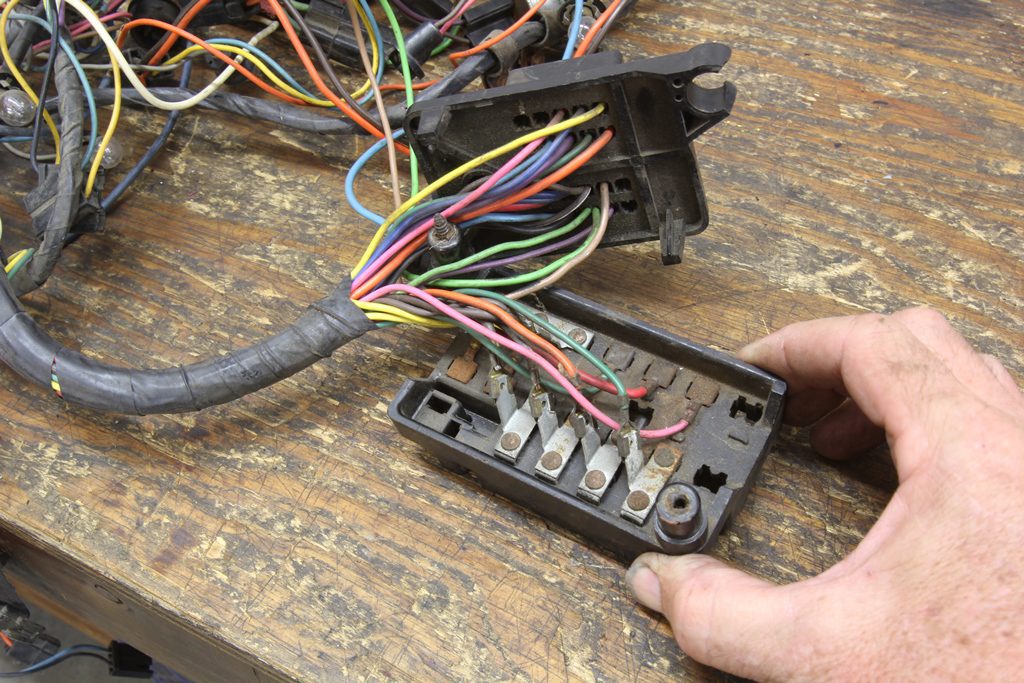
Rusty spots can appear on the metal parts. Green or white residue might be visible. These are clear signs of corrosion. Burn marks on the fuse box are serious. They indicate potential damage. Discoloration of the fuses is another clue. It shows chemical change.
Flickering lights can occur if fuses corrode. Failing electrical devices might become a problem. They stop working properly. Engine not starting could be a sign. It means the power supply is weak. Blown fuses are common with corrosion. They need frequent replacement.
Credit: www.alfabb.com
Tools And Materials Needed
Always have a wrenchto remove the battery terminal. Use a small brushto clean tight spots. A screwdriverhelps open the fuse box. Keep a clothhandy for wiping. Wear glovesfor safety. A torchcan help you see better. Gather these tools before starting.
Baking soda is good for cleaning. Mix it with water. It helps clear corrosion. Vinegar is another choice. It works well on rust. Isopropyl alcohol is great for cleaning too. It dries fast and cleans well. Gather these agents for a clean job.
Preparation Steps
Wear gloves to protect your hands. Goggles keep your eyes safe. Work in a well-lit area. Keep a fire extinguisher nearby. Ensure the car is on a flat surface. Make sure no loose clothes are around. Ventilation is important to avoid inhaling fumes.
Turn off the car first. Use a wrench to loosen the battery terminals. Remove the negative terminal first. This stops electric flow and avoids shocks. After that, remove the positive terminal. Place them away from each other. This ensures safety while working.
Credit: www.youtube.com
Cleaning The Fuse Box
First, turn off the car’s power. This step is very important. Then, open the fuse box. Look for any corroded fuses. Use a fuse puller or a pair of pliers. Carefully remove each corroded fuse. Be gentle to avoid breaking them. Place removed fuses on a clean surface. Keep them organized to remember their positions.
After removing the fuses, check the contacts. Corrosion can cause poor contact. Use a small brush or sandpaper. Gently scrub the contacts. Remove any rust or debris. Make sure contacts are shiny and clean. This helps with better electrical connection.
To protect from future corrosion, apply a special solution. Use a cotton swab or small brush. Apply the solution on the contacts. This creates a protective layer. It helps in preventing rust. Ensure the solution covers all areas. Let it dry before replacing the fuses.
Reassembly Process
Replacing fusesis simple. Find the broken fuse in the fuse box. Remove it gently. Take the new fuse. Insert it in the empty slot. Make sure it fits snugly. This step restores electrical flow. The car’s devices will work again.
Reconnecting the batteryis crucial. Attach the battery cables. Connect the positive cable first. Then, connect the negative cable. Tighten both cables securely. This ensures the car will start. Check connections for firmness. Loose cables can cause problems.
Testing And Final Checks
Clean a corroded car fuse box by carefully removing fuses and using a brush to clear rust. Ensure connections are dry before testing the vehicle. Regular checks prevent electrical issues.
Checking Electrical Systems
Ensure all electrical systemsare working. Start the engine and observedashboard lights. Check if headlights and tail lights are operational. Turn on the radio to test its function. Verify the air conditioningunit. Ensure it blows air properly. Inspect the wipersfor smooth operation. Test the car horn. Ensure it sounds loud and clear. Keep an eye on the batteryindicator. Confirm it shows sufficient charge.
Ensuring Secure Connections
Inspect all wire connections. Make sure they are tightand secure. Check the fuse boxcover. Confirm it is properly closed. Ensure no wires are looseor exposed. Tighten any loose screwsor bolts. Use a screwdriver if necessary. Examine the battery terminals. Ensure they are cleanand tight. Look for signs of corrosion. Clean any that you find. Use the correct tools for cleaning. Inspect the connectors for signs of damage.
Preventive Measures
Keep your car fuse box dry and clean. Check it every month for any dirt. Use a soft brush to remove dust. Inspect the fuses for any signs of corrosion. Replace them if needed. Ensure the fuse box cover is tightly closed. This keeps water away. Clean connections with a small amount of alcohol. It helps avoid rust.
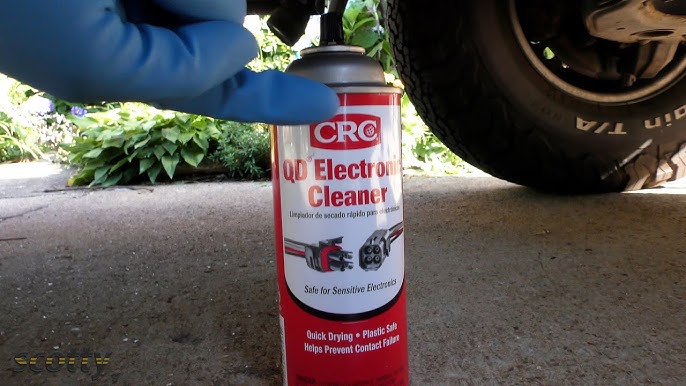
Apply a thin layer of protective spray on the fuse box. This prevents rust and moisture. Use a spray that is safe for electronics. Follow the instructions on the spray can. Coat all metal parts lightly. Do not use too much spray. Let the spray dry before closing the box. This helps keep the fuse box safe and clean.
Credit: www.ssrfanatic.com
Frequently Asked Questions
What Causes Corrosion In Car Fuse Boxes?
Corrosion in car fuse boxes often occurs due to moisture and humidity. Water can seep in through damaged seals or cracks, leading to rust. This can disrupt electrical connections, causing malfunctions. Regular inspections and maintenance can help prevent corrosion and ensure the fuse box functions properly.
Can I Clean A Corroded Fuse Box Myself?
Yes, you can clean a corroded fuse box yourself with basic tools. First, disconnect the battery to ensure safety. Use a cleaning solution like vinegar or a commercial product. Gently scrub the corroded areas with a brush and dry thoroughly.
Always ensure all connections are secure before reconnecting the battery.
What Tools Are Needed For Cleaning?
You need a screwdriver, cleaning solution, brush, and protective gloves. A screwdriver helps to remove fuse box covers. Use a brush and cleaning solution to scrub away corrosion. Gloves protect your hands from harsh chemicals and sharp edges. Ensure all tools are non-conductive to avoid electrical hazards.
How Often Should A Fuse Box Be Checked?
Check your fuse box every six months for signs of corrosion or damage. Regular inspections help identify issues early, preventing severe problems. This also ensures your car’s electrical system functions efficiently. Keeping a maintenance schedule can prolong the life of the fuse box.
Conclusion
Cleaning a corroded car fuse box is simpler than it seems. Keep tools handy and follow safety steps closely. Regular maintenance prevents future corrosion issues. Check connections and fuses often. Clean carefully to avoid damage. A clean fuse box ensures smooth car performance.
Don’t delay this essential task. Your car’s reliability depends on it. Invest time in maintenance for peace of mind. Car care keeps you safe on the road. Always prioritize safety and efficiency in car upkeep.