How to Kill Mold in Car: Effective Cleaning Tips
Imagine stepping into your car, ready for the day’s adventures, only to be greeted by the unsightly presence of mold. This common yet pesky problem can not only ruin your mood but also pose health risks and damage your vehicle’s interior.
If you’ve noticed a musty smell or spotted those unmistakable green or black patches, it’s time to take action. You might be wondering how you can effectively tackle this issue without breaking the bank or relying on harsh chemicals. Good news — this article is designed specifically for you.
We’ll guide you through practical, easy-to-follow steps to kill mold in your car and prevent it from returning. Say goodbye to the headache of mold and hello to a fresher, healthier driving experience. Dive in to discover how you can reclaim your car’s cleanliness and enjoy peace of mind every time you hit the road.
Credit: www.youtube.com
Identifying Mold In Your Car
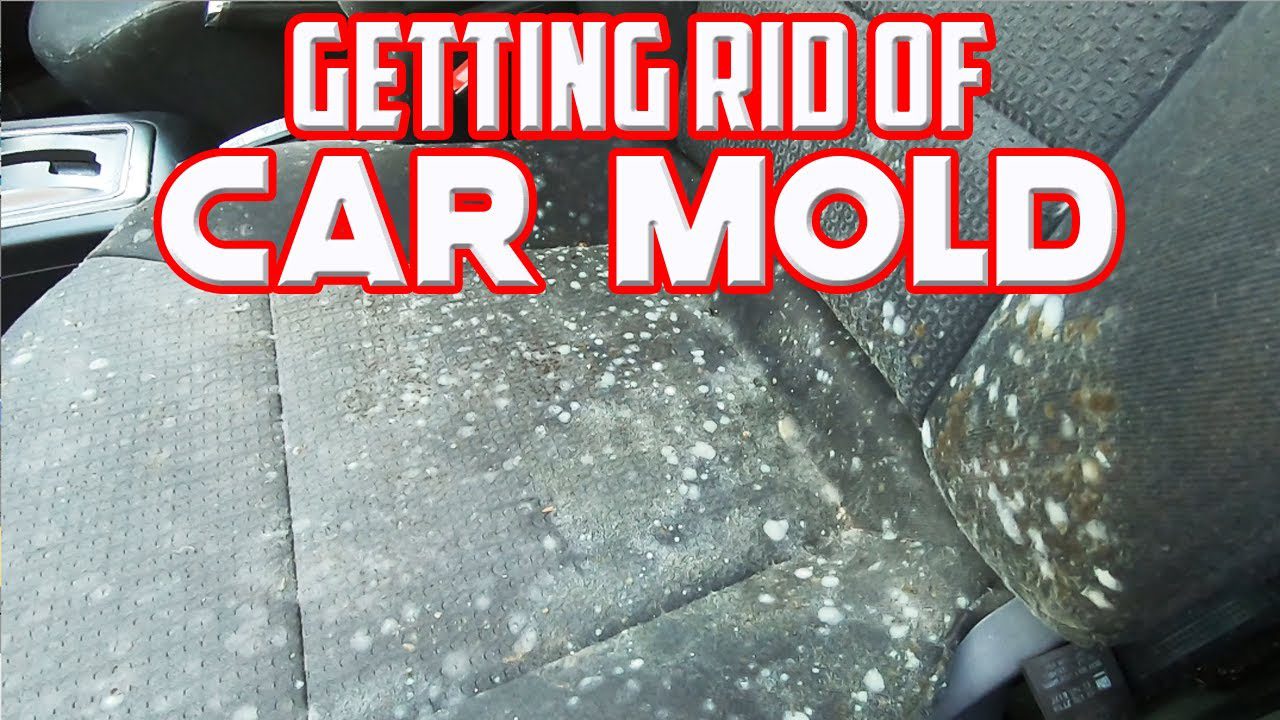
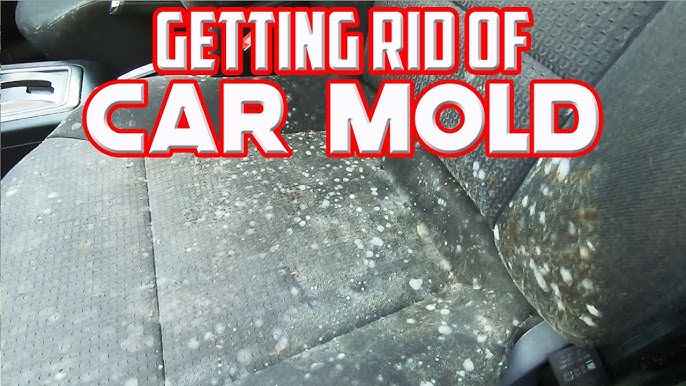
Mold has a musty smell. This smell is often strong. Mold can cause sneezing. You may notice coughing. Mold can irritate the eyes. Look for discolored spots. Spots may be green or black. Mold can grow on seats. It can spread on carpet. Mold thrives in damp places.
Mold loves damp areas. Seats can get wet. They are often a mold spot. Carpets hold moisture. Mold grows there easily. Check under floor mats. Mold hides in unseen areas. Air vents can spread mold spores. Mold can be on the dashboard. Trunk is often damp. Mold can grow there too.
Health Risks Of Car Mold
Car mold can cause breathing problems. Mold spores float in the air. Breathing them can make you cough. It can also make you sneeze a lot. Asthma can get worse. People with weak lungs are at risk. They can feel very uncomfortable.
Fresh air helps a lot. Opening windows can let it in. Keeping the car clean is very important. Mold can grow in hidden places. This makes it hard to find. It can hide in air vents too.
Mold can make you itchy. Eyes can become red and watery. Skin can get rashes. Some people might get a runny nose. These are signs of an allergy.
Avoiding mold is the best way. Check your car often. Clean it thoroughly and regularly. This can stop allergies. Health is important. Keeping the car mold-free keeps you safe.
Essential Cleaning Supplies
Some natural agents can help remove mold. Vinegar is very effective. Spray it on the moldy area. Let it sit for a while. Then wipe it away. Baking soda is another great option. Mix it with water to make a paste. Apply it to the mold. Let it dry, then scrub it off. Tea tree oil can also be used. Mix a few drops with water. Spray and leave it on the mold. These natural methods are gentle and safe.
Commercial products are available for mold removal. Mold sprays are easy to find. They kill mold fast. Disinfectant wipes can also work well. They are great for small areas. Foam cleaners are another option. They reach into cracks and crevices. Always follow the instructions. Wear gloves to protect your skin. These products are strong and effective.

Credit: goodcar.com
Preparing Your Car For Cleaning
Safety is the first step. Wear gloves to protect your hands. Use a mask to avoid breathing mold spores. Choose a safe cleaner that doesn’t harm the car. Read labels before using any chemicals. Don’t mix cleaners; it can be dangerous.
Open windows for fresh air. Fresh air helps reduce mold. Keep doors open too. Air flow is important. Place a fan inside if possible. Fans move air fast. This helps dry surfaces. Dry surfaces stop mold growth. Air circulation is your friend.
Step-by-step Mold Removal
Spray a vinegar solution on moldy spots. Let it sit for a while. Scrub the area with a soft brush. Wipe with a clean cloth. Ensure the upholstery dries well. Sunlight can help dry and kill mold. Repeat if mold persists.
Turn off the car’s air system. Use a vacuum with a brush attachment. Clean inside the vents gently. Spray a mold-killing spray in the ducts. Let it sit for a few minutes. Turn the air system on to circulate. This helps clean the ducts.
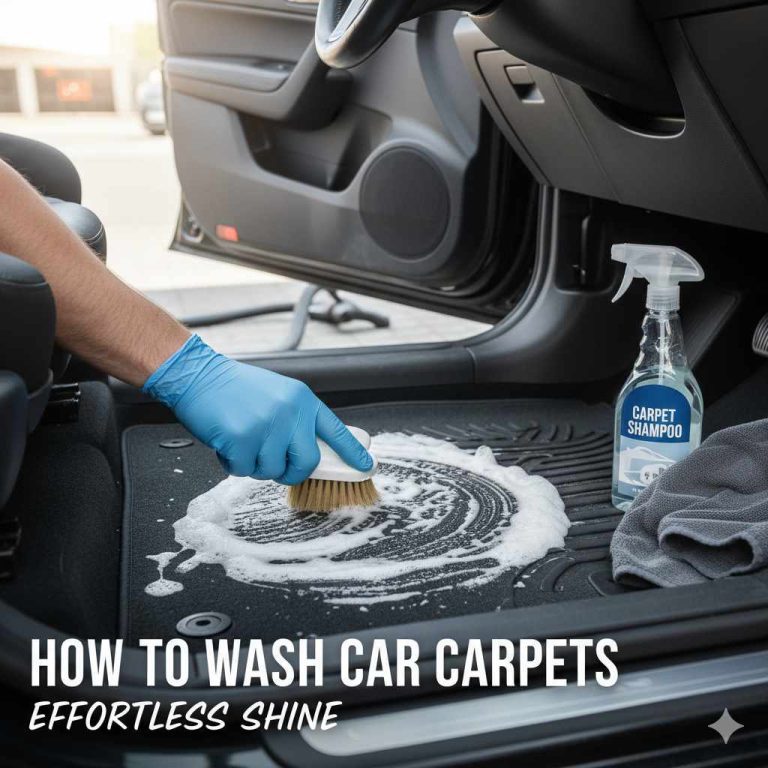
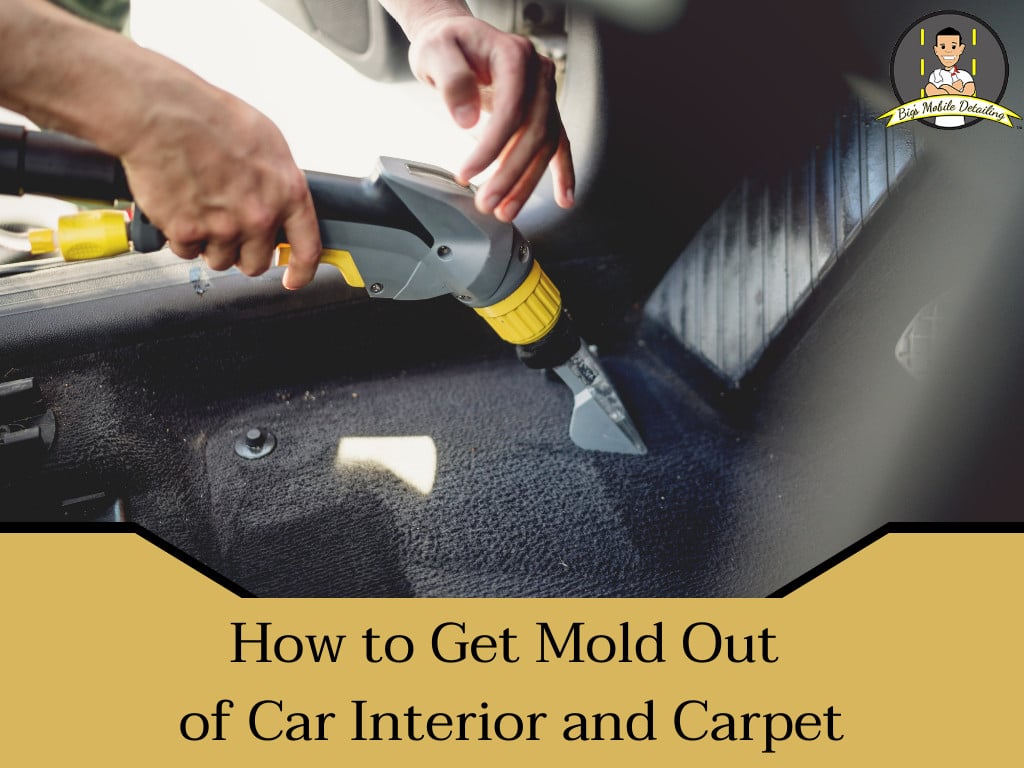
Remove the mats and vacuum them. Wash with soap and water if needed. Use a baking soda paste on moldy spots. Scrub with a brush. Rinse well and let them dry. For carpets, use a steam cleaner if available. It helps kill mold deep in fibers.
Preventing Mold Recurrence
Keep the car interior dryto stop mold. Use silica gel packsor dehumidifiersinside the car. These items absorb moisture. Open windows on sunny days. Let air flow through to dry it out. Avoid parking in damp areas. Wet spots encourage mold growth. Fix any leaks right away. Wet carpets or seats are mold magnets.
Check your car’s interior often. Look for mold signs. Spotting mold early helps in cleaning. Inspect under seats and mats. Mold hides in dark corners. Smell the air inside the car. A musty smell is a mold warning. Remove any wet items. Dry them before placing them back. Regular checks keep your car mold-free.
When To Seek Professional Help
Persistent mold issuesin a car can be very frustrating. Cleaning methods might not work. Mold keeps coming back. It can spread fast. It can damage car interiors. This might need expert help. Professionals know how to treat mold properly. They use special equipment. They ensure mold is gone for good.
In cases of severe infestation, mold can be dangerous. It may cause health issues. Breathing problems can occur. Allergies might worsen. Experts can handle these problems. They have the right tools. They make sure your car is safe. Hiring them could be the best choice.
Credit: bigsmobile.com
Frequently Asked Questions
What Causes Mold In Cars?
Mold in cars is caused by moisture and humidity. Leaks, spills, or condensation can create a breeding ground. Regular cleaning and ventilation help prevent mold growth by reducing moisture accumulation and maintaining a dry environment. Address any sources of water promptly to keep mold at bay.
Is Mold In Cars Dangerous?
Yes, mold in cars can be harmful. It can trigger allergies, respiratory issues, and skin irritation. Mold spores can spread through the air, affecting health. It’s crucial to remove mold quickly and effectively to ensure a safe driving environment and maintain good air quality inside your vehicle.
How To Prevent Mold In My Car?
Prevent mold by keeping your car dry and clean. Use dehumidifiers and silica gel to absorb moisture. Regularly check for leaks and spills, and fix them promptly. Ensure proper ventilation by opening windows occasionally. Cleaning and vacuuming regularly also help in preventing mold growth.
Can Vinegar Kill Mold In Cars?
Yes, vinegar can kill mold in cars effectively. It has antifungal properties that eliminate mold spores. Mix equal parts vinegar and water in a spray bottle. Apply to affected areas and scrub gently. Let it sit for a few minutes, then wipe clean.
Repeat as necessary for stubborn mold.
Conclusion
Mold in your car is a real problem. It affects health and comfort. Regular cleaning and ventilation help prevent it. Use vinegar or baking soda for small mold spots. For bigger infestations, consider professional help. Always wear gloves and a mask when cleaning mold.
This keeps you safe from harmful spores. Keep your car dry and clean to avoid mold in the future. Pay attention to leaks and damp spots. Consistency is key in mold prevention. With these steps, you can enjoy a mold-free car environment.
Stay proactive and protect your health.