How To Read A Gas Meter On A Car
I’ll never forget my first road trip in my old pickup truck. I was cruising down a quiet highway, singing along to the radio, when I glanced at the dashboard and saw the gas meter needle hovering near “E.” Panic hit! I had no idea how much fuel was left or how to read that thing properly. Sound familiar? Don’t worry, learning how to read a gas meter on a car is a piece of cake, and I’m here to guide you through it. This article will break down what a car fuel gauge is, give you easy steps to read it, share tips to avoid my rookie mistakes, and answer common questions. Whether you’re a new driver or just want to brush up, you’ll be a gas gauge pro in no time!
What Is a Car Gas Meter?
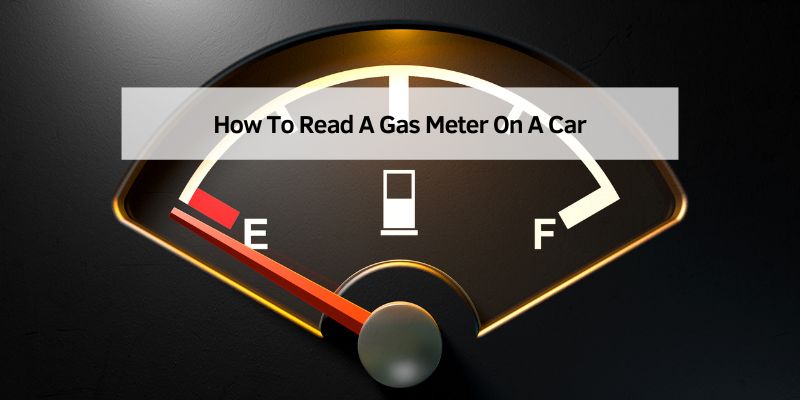
A car gas meter, or fuel gauge, shows how much gas is left in your tank. It’s usually a needle or digital display on your dashboard, marked with “F” for full and “E” for empty. Knowing how to read it helps you avoid running out of gas and plan refueling stops. It’s like your car’s way of saying, “Hey, I’m thirsty!” or “I’m good for now!” Most cars have this gauge in the dashboard gauge cluster, right near the speedometer.
Why It Matters
Reading your car fuel gauge is key to safe driving. Running out of gas can leave you stranded, and nobody wants that! Plus, it helps you budget for fuel and spot issues if the gauge acts weird. I once ignored a low fuel warning and barely made it to a gas station—lesson learned!
How to Read Your Car’s Gas Meter: Step-by-Step
Reading a gas level indicator is super easy once you know what to look for. Here’s a simple guide to get you started, based on my years of driving everything from clunky sedans to zippy sports cars.
Step 1: Find the Fuel Gauge
Look at your dashboard, usually above the steering wheel. The fuel gauge is often a small dial or digital bar with “F” at one end and “E” at the other. It might have a gas pump icon nearby. In my old truck, it was right next to the speedometer, impossible to miss!
Step 2: Check the Needle or Display
If your car has a needle, see where it points between “F” and “E.” For example, if it’s halfway, you’ve got about half a tank. Digital gauges show bars or a percentage—fewer bars mean less gas. My new car has a digital gauge that says “50%” when half full. Easy peasy!
Step 3: Understand the Markings
Most gauges have lines for full, three-quarters, half, one-quarter, and empty. If the needle’s on the one-quarter mark, you’ve got about 25% of your tank left. For a 16-gallon tank, that’s around 4 gallons. I always fill up at this point to avoid stress.
Step 4: Watch for the Low Fuel Warning
When your gas is low, a low fuel warning light (usually a gas pump icon) will glow. This means you’ve got about 1-2 gallons left—time to find a station! My car’s warning light saved me on a late-night drive once.
Visual Ideas
- Diagram of a Fuel Gauge: A simple sketch showing “F,” “E,” and quarter marks with a needle.
- Dashboard Photo: A picture of a typical dashboard with the fuel gauge circled.
- Low Fuel Light Icon: A close-up of the gas pump warning light.
Tools and Tips for Accurate Reading
You don’t need fancy tools to read a fuel meter, but a few habits can make it easier. Here’s what I’ve learned from years of driving:
- Check at Rest: Look at the gauge when your car is parked on flat ground. Slopes can tilt the fuel and mess with the reading.
- Know Your Tank Size: Check your car’s manual to find your tank’s capacity (e.g., 12 gallons). This helps you estimate how much gas is left.
- Use the Trip Odometer: Reset it after refueling to track how far you’ve driven. My car’s manual says I can go about 300 miles on a full tank.
Table 1: Estimating Gas Left by Gauge Reading
| Gauge Reading | % of Tank Left | Approx. Gallons (16-gal Tank) |
|---|---|---|
| Full (F) | 100% | 16 gallons |
| 3/4 | 75% | 12 gallons |
| 1/2 | 50% | 8 gallons |
| 1/4 | 25% | 4 gallons |
| Empty (E) | ~5-10% | 1-2 gallons |
Caption: Use this table to estimate how much gas is left based on your car fuel gauge reading.
Benefits of Reading Your Gas Meter
Knowing how to read a gas meter on a car saves you from headaches. Here are some perks:
- Avoid Getting Stranded: No one wants to push a car to the gas station (trust me, I’ve seen it happen!).
- Save Money: Refuel before prices spike at far-off stations.
- Plan Trips Better: Estimate how far you can go without stopping.
Drawbacks to Watch For
Fuel gauges aren’t perfect. Sometimes the fuel-sending unit (a sensor in the tank) fails, making the gauge read wrong. I once had a car where the needle stuck at half, even after filling up! Also, digital gauges can glitch in extreme weather. If your gauge acts odd, get it checked at a shop.
Common Mistakes to Avoid
New drivers (and even pros) mess up sometimes. Here are mistakes I’ve made or seen:
- Ignoring the Low Fuel Light: That warning means business—don’t push your luck!
- Assuming “E” Means Totally Empty: Most cars have a small reserve, but don’t count on it.
- Not Checking Regularly: Glance at your gauge daily to stay ahead.
My Personal Tips for Gas Gauge Mastery
After years of driving, I’ve got a few tricks up my sleeve:
- Fill Up at 1/4 Tank: It’s a safe habit to avoid running low. I learned this after a close call on a desert road!
- Know Your Car’s Range: My sedan gets about 25 miles per gallon, so a 16-gallon tank gives me 400 miles. Check your car’s specs on sites like FueEconomy.gov.
- Look for the Gas Cap Arrow: Many gauges have a small arrow showing which side your gas cap is on. No more guessing at the pump!
Table 2: Troubleshooting Fuel Gauge Issues
| Issue | Possible Cause | What to Do |
|---|---|---|
| Needle stuck on full/empty | Faulty fuel-sending unit | Visit a mechanic |
| Gauge jumps around | Loose wiring | Check connections or get help |
| Low fuel light always on | Sensor glitch | Reset gauge or see a pro |
Caption: Use this table to spot and fix common fuel meter problems.
Alternative Approaches
If your gauge is broken, you can still estimate fuel. Track your mileage with the trip odometer and your car’s average miles per gallon. For example, if your car gets 20 miles per gallon and you’ve driven 200 miles since refueling, you’ve used about 10 gallons. Apps like Fuelly can help track this. Another trick? Fill up your tank fully, then note how many gallons it takes to refill after driving a set distance.
Visual Idea
- Mileage Tracker Chart: A simple table showing miles driven vs. gallons used for common car types.
Frequently Asked Questions
What Does “E” Really Mean on a Gas Meter?
Your car’s “E” means you’re low on fuel, usually with 1-2 gallons left. It’s not totally empty, but don’t risk it—head to a gas station right away!
How Accurate Is My Car’s Fuel Gauge?
Most car fuel gauges are pretty accurate, but they can be off by a bit due to slopes or sensor issues. Check your manual for specifics.
Can a Fuel Gauge Break?
Yes, a fuel-sending unit or wiring can fail, causing wrong readings. If your gauge acts weird, like sticking, get it checked by a mechanic.
How Far Can I Drive on a Low Fuel Warning?
It depends, but most cars can go 20-50 miles after the low fuel warning. Check your car’s manual and refuel ASAP to be safe.
What’s the Arrow by My Gas Gauge?
The arrow near the dashboard gauge points to the side of your car where the gas cap is. It’s a handy trick for new drivers!
Why Does My Gauge Show Full After a Partial Fill?
A partial fill might not move the fuel meter much if the tank’s sensor is slow. Fill up completely for an accurate reading.
How Do I Reset a Faulty Gas Gauge?
Try this: turn the ignition to “ON,” press the Trip/ODO button three times, holding it on the third press for 5 seconds. If it doesn’t work, see a mechanic.
Conclusion
Reading how to read a gas meter on a car is a simple skill that saves you stress and money. Just check the needle or digital display, know your tank’s size, and refuel before you hit “E.” My road trip scare taught me to never ignore that low fuel warning! Try glancing at your gauge next time you drive—it’s no big deal once you get the hang of it. Got a funny gas gauge story? Share it with friends or check out more tips at AAA. Happy driving!