How to Remove a Governor from a Chevy Truck (PCM Reflash Guide)
The “governor” on a modern Chevy truck is not a physical part — it’s a speed limit programmed into the PCM (powertrain control module), typically capped around 98 mph on Silverados. Removing it means reflashing the PCM with a handheld tuner, not unbolting an assembly, and trucks from 2015 on need their PCM unlocked first before any tuner can write to it. This guide covers how the limiter actually works, the real tools used to remove it, and what changes after you do.
Modern Chevy trucks are often equipped with electronic speed limiters, also known as a governor, to restrict the vehicle’s maximum speed. However, some owners may seek to remove this feature for various reasons, such as performance enhancement or off-road use.
Before attempting to remove the governor, it is crucial to consider the legal and safety implications, as well as any potential warranty issues. Additionally, consulting a professional mechanic is advisable to ensure the modification is performed correctly and does not compromise the vehicle’s reliability and safety. Understanding the potential risks before proceeding is essential to make an informed decision about removing the governor from a Chevy truck.
Quick Answer
A Chevy truck’s speed governor is PCM software, not a mechanical part. Remove or raise it with a handheld tuner (DiabloSport, HP Tuners, or similar) connected to the OBD2 port — on 2015+ trucks the PCM must be unlocked first. There’s no “governor assembly” to physically unbolt.
Understanding The Governor In Your Chevy Truck
In this section, we’ll delve into the crucial understanding of the governor in your Chevy truck and how it impacts the overall performance. It’s essential to comprehend the role and limitations imposed by the governor and explore the methods to remove it for enhanced driving experience.
What Is a Governor in a Chevy Truck?
A Chevy truck’s governor is a speed limit written into the PCM’s (powertrain control module) firmware, not a mechanical part — the ECU reads the vehicle speed sensor and cuts fuel delivery once the truck hits the programmed limit, commonly around 98 mph on Silverados. There is no physical assembly to unbolt; the only way to remove or raise it is by reflashing the PCM.
The Role And Impact Of A Governor On The Truck’s Performance
The governor significantly influences the performance of your Chevy truck. It regulates the engine’s RPM (revolutions per minute), imposing a ceiling on the speed and power output. This can affect the vehicle’s acceleration, especially on uphill climbs or when attempting to reach higher speeds.
How The Governor Limits The Truck’s Speed And Engine Power
The governor achieves speed limitation by intervening in the fuel or ignition system, preventing the engine from exceeding a certain RPM threshold. This control mechanism restricts the acceleration and overall velocity, which can be particularly noticeable when driving on highways or towing heavy loads.

Importance Of Removing The Governor
Removing the governor from your Chevy truck can significantly enhance its performance. The governor is a device that limits the top speed of the vehicle, and removing it can unlock its full potential. Whether you’re a performance enthusiast or simply looking to have a more responsive and powerful driving experience, removing the governor from your Chevy truck is an important step toward achieving those goals.
Advantages Of Removing The Governor
By removing the governor from your Chevy truck, you can experience a range of benefits that go beyond just increased top speed. Here are some of the key advantages:
- Enhanced acceleration
- Improved throttle response
- Unrestricted top speed
- Freedom to customize and optimize performance
Unleashing The Full Potential Of Your Truck
When you remove the governor from your Chevy truck, you’re essentially unleashing its full potential. The factory-set limitations are removed, allowing the vehicle to perform at its peak capabilities. This not only enhances the driving experience but also opens up opportunities for further customization and performance enhancements.
Enhanced Acceleration And Top Speed
One of the most noticeable benefits of removing the governor is the enhanced acceleration and top speed. With the limitations lifted, your Chevy truck can reach higher speeds more quickly, providing a thrilling and exhilarating driving experience. This can be particularly appealing for those who enjoy performance driving or want to maximize the potential of their vehicle.
Step-by-step Guide To Removing The Governor
Removing the governor from a Chevy truck can improve its performance by allowing it to reach higher speeds. However, it’s essential to approach this task carefully and consider various factors, including legal implications, warranty, and aftermarket modifications. In this step-by-step guide, we’ll delve into each aspect to help you understand the process thoroughly.
Research And Understand The Legal Implications
Before proceeding with governor removal, it’s crucial to research and understand the legal implications. Each state or region may have specific laws and regulations regarding vehicle modifications, including the removal of governors. It’s important to adhere to these regulations to avoid potential legal issues.
Understanding The Laws And Regulations Regarding Governor Removal
Take the time to familiarize yourself with the laws and regulations concerning governor removal in your area. Whether it pertains to speed limits, emissions standards, or vehicle safety, understanding these regulations can guide your decision-making process.
Consulting Local Authorities Or Professionals If Necessary
If you’re unsure about the legal implications of governor removal, consider consulting local authorities or professionals who specialize in automotive regulations. Their expertise can provide valuable insights and ensure compliance with relevant laws.
Assessing The Truck’s Warranty And Implications Of Governor Removal
Before removing the governor, it’s essential to assess the implications on your truck’s warranty. This is particularly important if your vehicle is still covered by a warranty. Any modifications that violate the warranty terms could lead to potential issues with coverage.
Potential Impact On The Warranty
Consider the potential impact on the warranty when removing the governor. It’s advisable to review the warranty terms and evaluate whether governor removal could void or affect the warranty. In some cases, it may be necessary to weigh the performance benefits against potential warranty implications.
Considering Aftermarket Modifications And Their Effects
When removing the governor, consider the broader implications of aftermarket modifications. Evaluating how this change may impact other components or systems in the truck is crucial. Understanding the potential effects can help you make informed decisions about governor removal and any associated modifications.
Tools And Parts Needed
There is no wrench-and-socket teardown here — since the governor lives in software, the only “parts” involved are a tuner and, on newer trucks, an unlock service. Here is what you actually need:
- Handheld tuner: DiabloSport, HP Tuners, or Edge Products all sell OBD2-connected tuners that can raise or remove the factory speed limiter.
- PCM unlock (2015+ trucks): GM began locking PCM calibration files starting with the 2015 model year, so newer trucks need an unlock purchased through the tuner manufacturer before any tune will write.
- OBD2 scanner: useful separately, for confirming there are no stored trouble codes before and after the reflash.
- Laptop (bench-reflash option): if you’d rather not buy a handheld unit, a tuning shop can pull the PCM and reflash it on a bench for you.
📊 GM caps Silverado top speed around 98 mph from the factory, a limit tied to the OE tire speed rating and the fact that driveshafts on these trucks are known to fail above roughly 115 mph. — Source: Chevrolet
Owners on truck forums consistently report the same lesson: there’s no bolt-on “governor” to remove — every real fix goes through a tuner reflashing the PCM, and 2015-and-newer trucks need the PCM unlocked first or the tuner simply won’t write.
Best Speed Limiter Tuner Pick
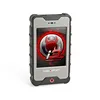
DiabloSport inTune i3 Handheld Tuner
Connects to the OBD2 port and lets you adjust the speed limiter, read stored codes, and revert to the stock tune whenever you want.
- Best for: raising or removing the factory speed limiter without an outside tuning shop
- Why we picked it: saves the stock calibration automatically before writing any new tune
- Main drawback: 2015+ trucks need a separate PCM unlock purchased before this will write
Compare more tuning and diagnostic tools
 Option 1 DiabloSport Predator 2
|
 Option 2 ANCEL AD310 OBD2 Scanner
|
 Option 3 FOXWELL NT301 Scanner
|
As an Amazon Associate we earn from qualifying purchases.
The Removal Process
The real process is a software reflash, not a teardown. Here is what it actually looks like:
- Check your model year: if your truck is a 2015 or newer, confirm whether your PCM is locked or unlocked before buying a tuner — most 2015+ trucks ship locked.
- Buy the unlock if needed: tuner manufacturers (DiabloSport, HP Tuners) sell PCM unlock services separately for locked trucks; this must be done before the tuner can write a new tune.
- Connect the tuner to the OBD2 port: the port is under the dash near the steering column on every Chevy truck since the mid-1990s.
- Read the stock file first: the tuner reads and saves your truck’s current calibration so you can revert to stock later if needed.
- Select the speed limiter setting: most handheld tuners list the top speed limiter as its own adjustable parameter, separate from power and fuel tables.
- Write the new tune: the tuner flashes the modified calibration back to the PCM — this takes several minutes and the engine should not be started until it finishes.
Disconnect the battery only if the tuner’s instructions specifically call for it — most modern handheld tuners write through the OBD2 port with the key on and the engine off, no battery disconnection required.
Testing And Verification
Once the governor has been removed from your Chevy truck, it is crucial to carry out thorough testing and verification processes to ensure that the truck’s performance is optimized and operates within safe parameters. This step is essential to guarantee that the removal process has been successful and that the truck’s functionality is not compromised in any way.
Verifying The Governor’s Successful Removal
To ensure that the governor has been successfully removed, you can perform a visual inspection of the engine to confirm that the governor components have been eliminated or bypassed as per the removal instructions. Additionally, you can use diagnostic tools to check for any remaining governor restrictions in the system.
Conducting Test Runs And Performance Evaluations
After verifying the governor’s removal, it is important to conduct test runs and performance evaluations to assess the truck’s acceleration, top speed, and overall power delivery. This process allows you to gauge the impact of the removal on the truck’s performance and identify any potential issues that may arise post-removal.
Ensuring The Truck Operates Within Safe Parameters Post-removal
Once the test runs and performance evaluations have been completed, it is essential to ensure that the truck operates within safe parameters. This involves checking the engine temperature, monitoring fuel efficiency, and inspecting the overall stability and control of the vehicle to guarantee that the removal has not compromised the safety of the truck.
Additional Considerations And Maintenance
When removing the governor from a Chevy truck, there are essential additional considerations and maintenance tasks that need to be addressed to ensure optimum performance and safety. These steps will help in tuning the truck post-governor removal and maintaining it for long-term use.
Tuning The Truck Post-governor Removal
After removing the governor from your Chevy truck, tuning the vehicle becomes essential to optimize its performance and power delivery.
Understanding The Tuning Process For Optimized Performance
Understanding the tuning process involves adjusting various parameters such as fuel delivery, ignition timing, and throttle response for the best performance.
Considering Professional Assistance For Tuning
Professional assistance for tuning can ensure that the truck is finely tuned for optimal performance and efficiency, especially if you are not familiar with the process.
Exploring Maintenance Adjustments
After governor removal, it is important to explore maintenance adjustments that may be required to keep the truck running smoothly.
Identifying Potential Maintenance Needs Post-governor Removal
Identifying potential maintenance needs, such as upgrading cooling systems and transmission components, will help ensure the truck continues to perform at its best.
Ensuring Long-term Performance And Safety Optimizations
Regular maintenance, including checking for wear and tear on engine components, is crucial to ensuring long-term performance and safety optimizations.
Frequently Asked Questions On How To Remove A Governor From A Chevy Truck
How Does A Governor Affect A Chevy Truck’s Performance?
A governor restricts the top speed of a vehicle for safety reasons. It limits the engine’s RPM and thus the speed at which the vehicle can travel. Removing it can enhance the truck’s performance, increasing its top speed and acceleration.
Why Would Someone Want To Remove The Governor From Their Chevy Truck?
Removing the governor can allow the driver to reach higher speeds and accelerate more quickly, especially in racing or off-road situations. It can enhance the overall performance and driving experience of the truck.
Is It Legal To Remove The Governor From A Chevy Truck?
The legality of removing the governor varies by location. It’s important to ensure compliance with local laws and regulations before making any modifications to the vehicle. Some areas allow it for off-road use only, while others prohibit it entirely. For the broader legal and safety picture on speed limiters in general, see do cars have speed limiters.
Can Removing The Governor Damage The Chevy Truck’s Engine?
Removing the governor itself does not directly damage the engine, but it can lead to excessive strain on the components if not done properly. It’s crucial to follow the correct procedure and consider any necessary engine upgrades or modifications.
Conclusion
Removing a governor from a Chevy truck can enhance its performance and power. By following the steps outlined in this guide, you can safely and effectively eliminate the governor on your vehicle. With the right tools and knowledge, you can enjoy a smoother and unrestricted driving experience.
Say goodbye to speed limitations and hello to a more responsive and capable Chevy truck.
Products related to this article
Sponsored / affiliate links. As an Amazon Associate I earn from qualifying purchases. I may earn additional commission from eligible campaigns.