How to Remove Grease Stains from Car Seats Easily
Grease can be a real pain when it lands on your car seats. It often feels like a permanent mark, especially for people just starting out with car cleaning. Don’t worry, though!
Getting rid of these tough spots is easier than you think. This guide will walk you through simple steps to make your car seats look clean again. We will cover everything you need to know to tackle those greasy messes effectively.
Why Grease Stains Are Tricky
Grease stains on car seats present a unique cleaning challenge because grease is an oily substance. It doesn’t mix well with water, which is the basis of many cleaning solutions. This means that just wiping with a damp cloth often spreads the stain rather than lifting it.
The porous nature of many car seat materials, like fabric or leather, allows the grease to soak in. This makes it harder to reach and remove completely. For beginners, this can be frustrating, leading to concerns about damaging the seat material or leaving behind a residue.
The key is using the right products and techniques to break down the oil and lift it from the fibers.
Understanding Grease and Seat Materials
Grease is a type of lipid, an oily or fatty substance. When it gets on your car seats, it adheres to the fibers of the fabric or the surface of the leather. Because oil and water don’t mix, common cleaning methods that rely on water can be ineffective.
Instead, you need something that can emulsify the grease, meaning it breaks it down into smaller particles that can then be rinsed away or absorbed. Different car seat materials react differently to cleaning agents. Fabric seats, especially those with absorbent fibers, can soak up grease quickly.
Leather seats, while less absorbent, can become discolored or permanently stained if the grease is left too long. Understanding these properties helps you choose the best approach.
For instance, a common mistake is to scrub vigorously. While it seems like more force would help, excessive scrubbing can push the grease deeper into fabric fibers or even damage the surface of leather, making the stain worse. Another issue is using harsh chemicals that are not designed for automotive upholstery.
These can fade colors, weaken materials, or leave behind an unpleasant smell. The goal is to lift the stain gently and effectively, preserving the integrity and appearance of your car’s interior. Knowing your seat material is the first step to choosing the right cleaning agent and method.
Common Causes of Car Seat Grease Stains
Grease stains on car seats can happen in many ways, often from everyday activities. A common culprit is food. Think about fast food wrappers, greasy snacks, or even spillages from drinks that have an oily component.
Mechanics or anyone working with cars might bring grease into the vehicle on their clothes or hands. Children can also be a source, especially if they’re eating messy snacks on the go. Even something as simple as transferring oils from your hair to the headrest can create a subtle, gradual stain over time.
These varied sources mean that no two grease stains are exactly alike, and some might require different approaches.
Sometimes, the transfer of grease can be unintentional. For example, if you’re carrying oily items in your car, like a can of oil or a greasy tool kit, it might leak and stain your seats. Pets can also contribute, especially if they have oily fur or track in dirt that contains grease.
The type of fabric also plays a role. Some synthetic fabrics might repel grease better than natural fibers, while others can be more prone to absorbing it. Identifying the source can sometimes help in choosing the most effective cleaning method, as different types of grease might respond better to certain treatments.
However, the fundamental principle of breaking down the oil remains the same.
Essential Cleaning Supplies You’ll Need
To tackle grease stains on your car seats effectively, you’ll need a few key items. Having the right tools makes the job much easier and ensures you get the best results without damaging your seats. These are generally household items or readily available automotive cleaning products.
Gentle Degreasers and Cleaners
For tackling grease, you need something that can break down the oily residue. Dish soap is a fantastic degreaser. Just a small amount mixed with water can work wonders.
It’s designed to cut through grease on dishes, so it’s effective on fabric and leather too. You can also find specialized automotive upholstery cleaners. These are formulated to be safe for car interiors and are very effective at lifting stains.
Look for ones labeled as ‘degreaser’ or ‘all-purpose interior cleaner.’ Avoid harsh chemicals like bleach or strong solvents, as these can damage your car’s interior materials and color.
A common misconception is that you need very strong chemicals to remove tough stains. However, for most grease stains, a mild approach is often best. For fabric seats, a solution of warm water and a few drops of dish soap can be very effective.
For leather, a dedicated leather cleaner or a very mild soap solution is recommended. Always test any cleaner on an inconspicuous area first to ensure it doesn’t cause discoloration or damage. This simple precaution can save you a lot of trouble later on.
When choosing a degreaser, consider the type of car seat you have. For fabric seats, a spray cleaner or a concentrated liquid that you dilute can work well. For leather, a cream or liquid cleaner designed specifically for leather is ideal.
These often contain conditioners that help keep the leather supple after cleaning. Always read the product label carefully to ensure it’s suitable for your specific seat material and follow the instructions precisely. Using the wrong product could lead to permanent damage, so caution is key.
Absorbent Materials
Once you apply a cleaning solution, you need something to lift the dissolved grease away. Clean microfiber cloths are perfect for this. They are soft, highly absorbent, and won’t leave lint behind.
You’ll want several of these, as you’ll use some to apply the cleaner and others to blot the stain. Paper towels can also work, especially for initial blotting, but microfiber cloths are generally more effective for thorough cleaning and are reusable. If the stain is particularly stubborn, you might also consider using an absorbent powder like baking soda or cornstarch.
These can help draw out excess grease from fabric seats.
The role of absorbent materials is crucial in the cleaning process. After you’ve applied a cleaning solution to break down the grease, the absorbent material acts like a sponge. It soaks up both the cleaning solution and the loosened grease from the seat.
This prevents the grease from simply being spread around. Microfiber cloths are excellent because their fine fibers create a larger surface area, allowing them to absorb more liquid and grease efficiently. For powders, their fine particles can absorb oil directly from the fabric, helping to lift it out of the material’s structure.
When using paper towels, opt for the strong, absorbent kind. They are good for initial blotting to remove as much excess grease as possible before applying any cleaning solution. However, they can sometimes leave behind paper fibers, especially on textured fabrics.
Microfiber cloths are the preferred choice for the main cleaning and drying steps due to their superior absorbency and gentle nature on upholstery. Having a good supply of clean cloths ensures you always have a fresh surface to work with, preventing re-contamination of the seat.
Tools for Application and Removal
You’ll also need a spray bottle for mixing cleaning solutions, a soft-bristled brush or toothbrush for gently working cleaners into fabric, and a clean bucket for rinsing your cloths. For leather seats, a soft detailing brush is also useful for gently agitating cleaning solutions. If you’re dealing with a very deep stain or have a large area to clean, a wet/dry vacuum or a portable carpet cleaner can be a great asset.
These machines can extract the cleaning solution and lifted grime effectively. However, for most common grease stains, manual methods are perfectly sufficient.
The right tools make a big difference in how well you can clean your car seats. A spray bottle allows for even application of cleaning solutions, preventing over-saturation which can be an issue, especially with fabric. A soft-bristled brush is designed to agitate the cleaning solution into the stain without damaging the fabric fibers.
For leather, using a brush that is specifically designed for car interiors is important to avoid scratching the surface. These tools help to ensure that the cleaning agent reaches the grease effectively and that the stain is lifted properly.
Using a clean bucket is vital for rinsing your cloths. If you reuse a dirty cloth without rinsing it properly, you’ll just be transferring dirt and grease back onto your seats. Having a separate bucket for rinsing ensures that your cloths are clean and ready to absorb more of the stain.
If you have access to a wet/dry vacuum, it’s a game-changer for cleaning car interiors. It can suck up liquid spills and cleaning solution, significantly speeding up the drying process and ensuring that all the loosened dirt is removed. This is particularly helpful for fabric seats where excessive moisture can lead to mildew if not dried properly.
Step-by-Step Guide to Removing Grease Stains
Now that you have your supplies ready, let’s walk through the process of removing those stubborn grease stains from your car seats. We’ll cover fabric and leather seats separately, as they require slightly different approaches.
Cleaning Fabric Car Seats
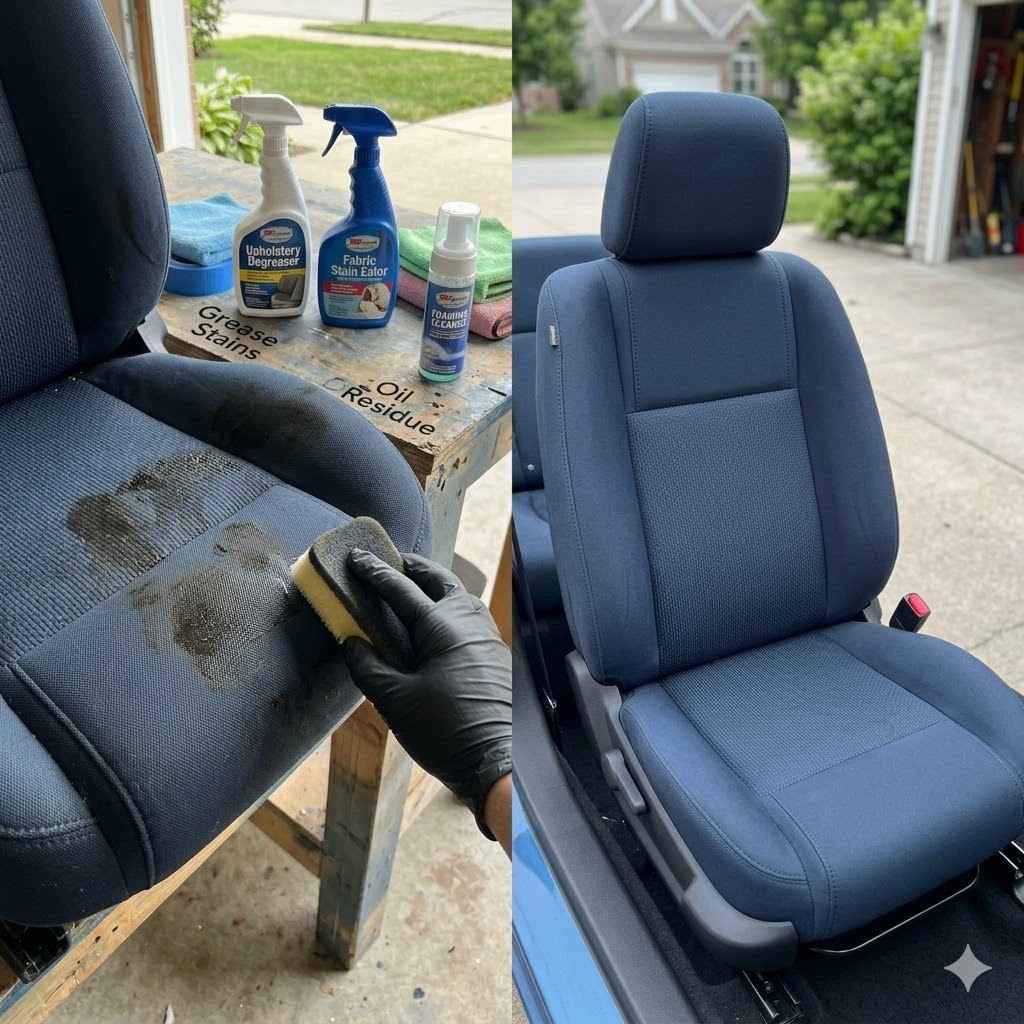
For fabric seats, the goal is to break down the grease and then lift it out. Start by blotting up any excess grease with a clean cloth or paper towel. Then, prepare a mild cleaning solution.
A good option is one part mild dish soap to four parts warm water. Alternatively, use a commercial upholstery cleaner specifically designed for fabric.
Initial Blotting and Degreasing
Begin by gently blotting the greasy area with a clean, dry microfiber cloth or paper towels. The aim here is to absorb as much of the loose grease as possible without spreading it further. Press down firmly but avoid rubbing, as rubbing can push the grease deeper into the fabric fibers.
If the grease is still wet, continue blotting with fresh sections of the cloth until no more grease is transferring onto it.
Once you’ve removed the excess, you can apply a small amount of a mild degreasing agent directly to the stain. For most fabric types, a few drops of dish soap applied directly or mixed with a little water works well. Alternatively, a specialized fabric upholstery cleaner can be sprayed onto the area.
The idea is to saturate the stain just enough to start breaking down the oily components.
Applying the Cleaning Solution
Lightly spray your chosen cleaning solution onto the stained area. You want to dampen the fabric, not soak it. If using dish soap and water, a spray bottle is ideal.
For commercial cleaners, follow the product instructions. Let the solution sit for a few minutes to allow it to work on the grease. This is a critical step where the degreaser starts to emulsify the oil, making it easier to remove.
If the stain is older or more set in, you might need to use a soft-bristled brush to gently agitate the cleaner into the fabric. Work from the outside of the stain towards the center to prevent spreading. Be gentle to avoid damaging the fabric fibers.
After agitating, let the solution sit for another 5-10 minutes. This dwell time is important for the cleaner to penetrate the stain effectively. Remember to always test any cleaner in an inconspicuous area first.
Blotting Away the Stain
Now, take a clean, damp microfiber cloth and start blotting the treated area. Again, press down firmly rather than rubbing. You should see the grease and cleaning solution transferring onto your cloth.
Keep rinsing your cloth in clean water and blotting until no more stain appears on the cloth. This may take several passes.
If the stain is particularly stubborn, you can repeat the cleaning and blotting process. For very deep or old stains, applying an absorbent powder like baking soda or cornstarch to the damp spot after blotting can help. Let it sit for a few hours to absorb any remaining grease, then vacuum it away.
This draws out the oil from within the fabric. Once you’ve removed the stain, rinse the area with a clean, damp cloth to remove any soap residue. This step prevents attracting dirt later.
Rinsing and Drying
After the stain is gone, it’s important to rinse the area thoroughly. Use a clean cloth dampened with plain water to wipe down the treated spot. This removes any leftover cleaning solution residue.
If you leave soap in the fabric, it can attract more dirt and create a new stain over time. Blot the area dry with a clean, dry microfiber cloth. You can also use a wet/dry vacuum to extract excess moisture.
Ensure the seat dries completely. Open windows or use a fan to speed up the drying process. Proper drying prevents mold and mildew.
A common mistake is to stop cleaning once the visible stain is gone. However, rinsing is crucial for a truly clean result. Residue from cleaning products can dull the fabric and attract dirt, leading to the stain reappearing or a new one forming.
For fabric seats, ensuring complete dryness is also key. Damp fabric can develop an unpleasant mildew smell, and in severe cases, mold can grow. If possible, using a wet/dry vacuum to remove as much moisture as possible after rinsing is highly recommended.
This significantly reduces drying time and helps maintain the freshness of your car’s interior.
Cleaning Leather Car Seats
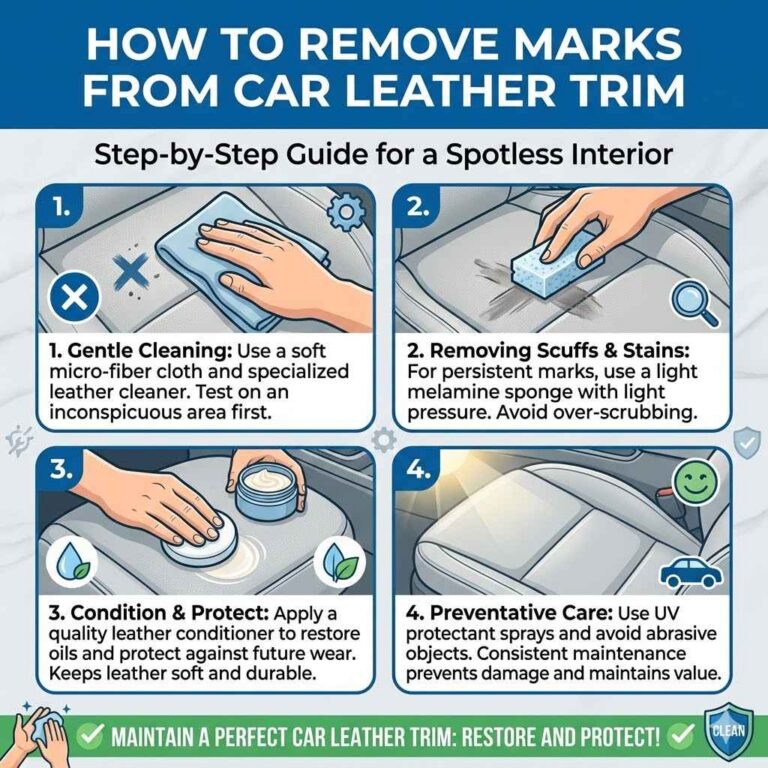
Leather seats require a gentler approach. Harsh chemicals can dry out or damage the leather. The key is to use products specifically designed for leather care.
Initial Wipe Down
Start by wiping the greasy area with a clean, slightly damp microfiber cloth. This removes any surface-level grease. For leather, it’s important to avoid excessive moisture, as it can seep into the material.
If the grease is still wet, blot it gently with a dry cloth to absorb as much as possible before proceeding.
When cleaning leather, always use a soft touch. The material is more delicate than fabric, and aggressive scrubbing can lead to scratches or scuffs. For initial cleaning, a simple wipe with a dry or very lightly damp cloth is usually sufficient to remove loose dirt and surface grease.
If there’s a significant amount of grease, blotting is much more effective than wiping or rubbing, as it lifts the grease away without spreading it.
Using a Leather Cleaner
Apply a small amount of a dedicated leather cleaner to a clean microfiber cloth. Never apply the cleaner directly to the leather. Gently wipe the stained area in a circular motion.
Work from the outside of the stain inwards to avoid spreading it. Most leather cleaners are designed to break down oils and dirt without stripping the leather’s natural conditioning agents.
For tougher grease stains on leather, you can try a specialized leather degreaser. These products are formulated to tackle oily residues while still being safe for leather. Apply the degreaser to a cloth, not directly to the seat, and gently work it into the affected area.
Allow it to sit for the time recommended on the product label, typically a few minutes, before wiping it away. Always test any leather cleaner or degreaser in an inconspicuous spot first to check for colorfastness and material compatibility.
Conditioning the Leather
After cleaning, it’s essential to condition the leather. Cleaning can sometimes strip away natural oils, leaving the leather dry. Apply a good quality leather conditioner to a clean cloth and gently rub it into the entire seat.
This restores moisture, protects the leather, and keeps it supple. Conditioning also helps to prevent future stains from setting in as deeply.
Leather is a natural material that needs regular care, much like your skin. Cleaning, especially with degreasers, can remove some of its natural oils. These oils are crucial for keeping the leather soft, flexible, and resistant to cracking.
Therefore, conditioning after cleaning is not just about making it look good; it’s about maintaining the health of the leather. A good leather conditioner will replenish these oils, leaving the surface feeling smooth and preventing it from becoming dry and brittle over time. This also makes the leather more resilient to future spills and stains.
Dealing with Stubborn Stains
If a grease stain persists after the initial cleaning, don’t give up. You can try a slightly stronger method, but always proceed with caution.
Repeat the Process
Sometimes, a second or even third attempt is all that’s needed. Repeat the cleaning and blotting steps. Ensure you are using a clean cloth each time and allowing the cleaner to work its magic.
Stubborn stains often require patience. It’s better to do multiple gentle cleaning sessions than one aggressive attempt that could damage your seats. Make sure you are giving the cleaning solution enough time to penetrate and break down the grease between applications.
Always allow the area to dry slightly between attempts to properly assess the stain’s progress.
Using Absorbent Powders (for Fabric)
For fabric seats, after applying a cleaner and blotting, you can sprinkle a generous amount of baking soda or cornstarch over the damp spot. Let it sit for several hours or overnight. The powder will absorb any remaining grease.
Then, vacuum it up thoroughly. This is an effective way to draw out deep-seated grease.
Baking soda and cornstarch are natural absorbents. They work by drawing oil out of the fabric fibers and into the powder. This is especially useful for older, set-in grease stains where the oil has had time to penetrate deeply.
The longer you leave the powder on, the more grease it can absorb. Once it has done its job, a good vacuum will remove both the powder and the trapped grease. This method is safe for most fabric types and is a great non-chemical approach.
Specialized Stain Removers
If all else fails, consider a specialized automotive stain remover designed for grease. Read reviews and choose a reputable brand. Always test these stronger products in an inconspicuous area first.
There are many powerful stain removers on the market designed specifically for automotive interiors. These can be very effective for grease, oil, ink, and other tough stains. When using these products, it’s absolutely critical to follow the manufacturer’s instructions to the letter.
Some may require dilution, a specific dwell time, or a particular rinsing method. Improper use of a strong chemical cleaner can lead to discoloration, fabric damage, or an unpleasant chemical smell that is difficult to remove.
Preventing Future Grease Stains
Prevention is always better than cure. Taking a few simple steps can help keep your car seats free from grease stains.
Be Mindful of Food and Drinks
Try to avoid eating greasy foods in the car. If you must, use napkins and be extra careful. Clean up any spills immediately.
This is perhaps the most straightforward advice for preventing grease stains. Many common car seat stains originate from food. Think about greasy chips, fried chicken, or even oily sauces from sandwiches.
By being conscious of what you’re eating and where, you can significantly reduce the risk of spills. Having a designated trash bin in your car also makes cleanup easier and prevents greasy wrappers from lingering.
Use Seat Covers
For added protection, consider using seat covers, especially during activities prone to grease transfer, like DIY projects or outdoor adventures.
Seat covers act as a physical barrier between the grease and your car’s upholstery. They come in various materials, from durable canvas to comfortable fabric, and can be easily removed and washed. This is a practical solution for keeping your original seats pristine, especially if you frequently transport items or people that might cause stains.
Clean Spills Immediately
The longer a stain sits, the harder it is to remove. Wipe up any spills as soon as they happen.
This is a golden rule of stain removal, not just for cars but for everything. Grease, in particular, has a tendency to soak into porous materials quickly. The sooner you can blot up a spill, the less chance it has to penetrate deeply into the fabric or leather.
A quick wipe with a damp cloth or a few paper towels can often prevent a minor mishap from becoming a major stain.
Regular Cleaning and Conditioning
Wipe down your car seats regularly with appropriate cleaners and conditioners to maintain their condition and prevent buildup.
Regular maintenance is key to keeping your car’s interior looking its best. For fabric seats, vacuuming regularly removes dust and debris that can contribute to wear and tear. For leather, a regular conditioning treatment will keep it supple and less likely to absorb stains.
These routine cleanings also make it easier to spot and address any minor spills before they become serious problems.
Frequently Asked Questions
Question: How often should I clean my car seats for grease stains?
Answer: It’s best to clean grease stains as soon as you notice them. For regular maintenance, vacuum your car seats weekly and consider a deep clean every 3-6 months, or more often if you frequently eat in the car or transport pets.
Question: Can I use baby wipes to clean grease off my car seats?
Answer: Baby wipes may work for very minor, fresh grease spots. However, they often contain mild soaps and moisture that could spread the stain on fabric or leave residue. Specialized cleaners are generally more effective and safer for car upholstery.
Question: What’s the difference between cleaning fabric and leather seats?
Answer: Fabric seats can handle more moisture and sometimes stronger cleaning agents, but require thorough drying. Leather seats are more sensitive to moisture and harsh chemicals; they need specific leather cleaners and conditioners to prevent damage and dryness.
Question: Is it safe to use a pressure washer on car seats?
Answer: No, using a pressure washer on car seats is not recommended. The high pressure can damage upholstery fibers, push stains deeper, and force too much water into the seat, leading to mold or mildew issues.
Question: How do I know if a cleaner is safe for my car seats?
Answer: Always test any cleaning product on a small, inconspicuous area of the seat first. Wait for it to dry completely to check for any discoloration, fading, or damage before applying it to the main stain.
Summary
Effectively removing grease stains from your car seats is achievable with the right approach. By understanding your seat material and using appropriate cleaning agents and tools, you can restore their appearance. Always start gently, test products, and allow for thorough drying, especially with fabric.
Regular maintenance and prompt spill cleanup are your best defenses against future greasy messes, keeping your car’s interior looking great.