How to Break In a Carhartt Jacket: Wash, Wear & Soak Methods
A stiff new Carhartt jacket softens fastest with a cold-water wash, a vinegar soak, and regular wear — not fabric softener or high heat, which strip its water-repellent coating. Skip the vinegar and use hot water instead, and the same duck canvas built to last decades can shrink or turn brittle in a single load. This guide covers wash-and-wear break-in methods, what ruins the fabric, and why Firm Duck and Washed Duck jackets soften at completely different speeds.
This post contains affiliate links. As an Amazon Associate we earn from qualifying purchases. See our Affiliate Disclaimer for details.
Quick Answer
Break in a stiff Carhartt jacket by washing it inside out in cold water with one cup of white vinegar, then air dry or tumble dry on low with a few tennis balls. Combined with regular wear, most 12-ounce duck canvas noticeably softens within one to two weeks — full, second-skin comfort can take a month of steady use.
Why Does Carhartt Gear Need Breaking In?
Carhartt clothing is famous for its durability. It’s made from heavy-duty materials, primarily rugged cotton duck canvas, and often features reinforced stitching. This construction is designed to withstand tough conditions, long work hours, and the test of time. However, this same toughness means the fabric is initially stiff and inflexible.
Think of it like a brand-new pair of leather boots. They’re built to last, but they’re not comfortable right out of the box. The canvas fibers are tightly woven and can feel rigid. Without a proper break-in period, this stiffness can restrict your movement, feel uncomfortable against your skin, and even make your work harder.
The goal of breaking in your Carhartt is to relax those canvas fibers, soften the fabric, and allow the garment to conform to your body’s shape and movements. This process not only enhances comfort but also improves the overall fit and feel, making your gear a pleasure to wear, not a chore. Let’s dive into how you can achieve this transformation.

Understanding Carhartt Fabrics
Carhartt uses a variety of durable fabrics, but their most iconic material is 100% cotton duck canvas. This fabric is treated to be wind-resistant and water-repellent (though not fully waterproof). It’s this canvas that gives Carhartt its legendary toughness and its initial stiffness.
Other Carhartt products might use different blends, like cotton-polyester for added strength and wrinkle resistance, or specialized fabrics for their rain gear or insulated jackets. The break-in method can vary slightly depending on the specific fabric, but the core principles remain the same: softening the material through wear and gentle manipulation.
Knowing what to expect from your specific Carhartt item is key. For most traditional canvas items, the following methods will be highly effective — but as the next section explains, not every Carhartt jacket starts out equally stiff.
Firm Duck vs. Washed Duck: Why Some Carhartt Jackets Barely Need Breaking In
Not every Carhartt jacket needs the same amount of work. Carhartt sells the same duck canvas in a few different finishes, and which one you own has more effect on stiffness than any washing trick.
| Duck Type | Feel Out of the Package | Typical Break-In Time | Best For |
|---|---|---|---|
| Firm Duck | Stiffest; tight, unwashed ring-spun weave | 2–4 weeks of regular wear or washing | Maximum durability; you don’t mind breaking it in yourself |
| Washed Duck | Pre-softened at the factory | Days — often comfortable immediately | Wearing right out of the package |
| Rugged Flex® Duck | Semi-stiff, with stretch woven in | 1–2 weeks | Jobs with lots of bending, climbing, or reaching |
Fabric descriptions per Carhartt’s own Duck Fabric Guide.
"Firm Duck is an ultra-tough, ring-spun cotton material…with a tight weave that naturally resists snags and water penetration."
📊 Washed Duck jackets go through a factory pre-washing process specifically so they need less break-in time than unwashed Firm Duck. — Source: Carhartt, Duck Fabric Guide
Best Firm Duck Pick (Needs Breaking In)

Carhartt Men’s Iconic J140 Firm Duck Active Jac
The classic unwashed Firm Duck jacket — the stiffest version Carhartt makes, and the one this guide’s break-in methods are built for.
- Best for: Maximum durability and a custom, worn-in fit over time
- Why we picked it: It’s Carhartt’s benchmark Firm Duck jacket, the exact fabric this guide’s wash-and-soak methods are written for
- Main drawback: Noticeably stiff for the first few weeks — budget time for a proper break-in
Compare more Carhartt duck jacket options
 Washed Duck Carhartt Washed Duck Active Jac
|
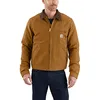 Blanket-Lined Classic Carhartt Iconic J01 Duck Detroit Jacket
|
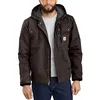 Insulated Washed Duck Carhartt Washed Duck Bartlett Jacket
|
As an Amazon Associate we earn from qualifying purchases.
Methods to Break In Your Carhartt
There are several tried-and-true methods to break in your Carhartt gear, ranging from simply wearing it to more active approaches. Combining a few of these will speed up the process and give you the best results.
1. The Power of Everyday Wear
This is the most natural and often the most effective way to break in your Carhartt. The simple act of wearing your jacket, pants, or overalls during your daily activities allows the fabric to conform to your body’s movements. Every time you bend, reach, or sit, you’re gently stretching and softening the canvas.
- Consistency is Key: Wear your Carhartt as often as possible, especially during the initial stages. If it’s a work jacket, wear it at work. If it’s a pair of pants, wear them for chores or casual outings.
- Movement Matters: Don’t just stand still! Engage in activities that require bending, squatting, stretching, and reaching. This will help the fabric break in faster in all the right places.
- Layering: Wear a comfortable shirt underneath. This not only adds a layer of protection for your skin against the initial stiffness but also helps the garment mold around your form.
The more your Carhartt moves with you, the quicker it will start to feel less stiff and more like part of you. Don’t be discouraged if it takes a few days or even a couple of weeks, depending on how frequently you wear it.
2. Washing: A Strategic Approach
Washing can significantly speed up the softening process, but it needs to be done correctly to avoid damaging the fabric or compromising its water-repellent treatments.
Machine Washing: The Gentle Way
A machine wash is a great way to soften the canvas. Follow these steps for the best results:
- Turn Inside Out: Always turn your Carhartt garment inside out before washing. This protects the outer surface from abrasion and helps the detergent penetrate the fibers more effectively from the inside.
- Use Cold Water: Opt for a cold water wash. Hot water can cause shrinkage and potentially damage the fabric’s integrity or protective treatments.
- Mild Detergent: Use a small amount of mild, liquid laundry detergent. Harsh chemicals or excessive amounts can strip the fabric of its natural oils and durability. Avoid fabric softeners, as they can clog the pores of the canvas and reduce its breathability and water-repellent properties.
- Gentle Cycle: Select a gentle or delicate cycle on your washing machine. This will agitate the garment less aggressively, preventing unnecessary wear and tear.
- Rinse Thoroughly: Ensure a good rinse cycle to remove all detergent residue.
Machine Drying: Use with Caution
Drying can also help soften the fabric, but over-drying can lead to shrinkage or damage.
- Low Heat or Air Dry: The safest bet is to air dry your Carhartt. However, if you must use a dryer, set it to the lowest heat setting or use an air-fluff cycle.
- Add Tennis Balls: Placing a few clean tennis balls or dryer balls in the dryer can help to tumble the fabric and further break it in, similar to how they are used to soften new tennis shoes.
- Don’t Over-Dry: Remove the garment while it’s still slightly damp, or just dry to the touch. Over-drying can make canvas brittle and prone to shrinking.
By washing and drying strategically, you can significantly soften your Carhartt without compromising its longevity.
3. The “Wear and Flex” Method
This method involves actively manipulating the fabric while wearing your gear. It’s like giving your Carhartt a workout alongside your own.
For Pants and Overalls:
- Sit Down and Stand Up: Repeatedly sit down and stand up.
- Squat: Perform deep squats.
- Kneel: Spend time kneeling.
- Bend at the Waist: Practice bending at your waist.
- Leg Extensions: While sitting, extend your legs and flex your ankles.
For Jackets and Shirts:
- Reach for the Sky: Stretch your arms upwards repeatedly.
- Full Arm Circles: Make large, forward and backward arm circles.
- Twist Your Torso: Gently twist your upper body from side to side.
- Flex Your Shoulders and Elbows: Bend and extend your arms through their full range of motion.
This active engagement helps to quickly loosen the weave of the canvas and break in the areas that experience the most stress during movement.
4. Soaking: For Stubborn Stiffness
If your Carhartt feels particularly stiff, a good soak can help. This is a more intensive method and should be used sparingly.
- Fill a Tub: Use a clean bathtub or a large basin.
- Lukewarm Water: Fill it with lukewarm, not hot, water.
- Optional: A Splash of White Vinegar: Some people find that adding about a cup of white vinegar to the soak helps to significantly soften the canvas. Vinegar is acidic and can help break down some of the fabric treatments while also acting as a natural deodorizer.
- Submerge and Swish: Fully submerge the garment and gently swish it around in the water for a few minutes.
- Soak Time: Let it soak for 30 minutes to a couple of hours. Don’t leave it to soak for days.
- Rinse Thoroughly: Drain the dirty water and rinse the garment multiple times in clean, cool water until all traces of vinegar (if used) are gone.
- Line Dry: Always line dry after a soak. Do not put it in the dryer.
📊 White vinegar is acidic and neutralizes alkaline substances like hard-water scale and detergent residue — part of why a vinegar soak helps loosen stiff canvas without the coating-damaging effects of fabric softener. — Source: Utah State University Extension, Home Cleaning Chemistry
A soak can dramatically soften very stiff canvas, but it’s important to rinse extremely well afterward to remove any residual vinegar smell.
5. Using a Clothes Dryer (with Caution!)
A dryer can be a quick way to soften fabric, but it needs to be managed carefully. As mentioned in the washing section, use low heat or air fluff.
- Set to Low Heat: Always use the lowest heat setting or the air-only cycle.
- Add Damp Items: You can tumble dry Carhartt with a few slightly damp bath towels. The towels will absorb some of the heat and create a softer tumbling action.
- Tennis Balls: As mentioned before, clean tennis balls are great for softening.
- Short Cycles: Run shorter cycles and check the fabric frequently.
- Avoid Over-Drying: This is crucial. Over-drying can lead to shrinkage and make the canvas brittle.
The goal here is to mimic the softening effect of wear with gentle tumbling and minimal heat.
What to Avoid When Breaking in Carhartt
While there are many ways to break in your Carhartt, some methods can do more harm than good. Knowing what to avoid will help you preserve the integrity and longevity of your gear.
- Fabric Softeners: These can leave a residue on the canvas, reducing breathability and water-repellent properties, and making the fabric feel greasy or waxy over time.
- Harsh Detergents or Bleach: These can degrade the strong cotton fibers and strip the canvas of its natural durability and protective treatments.
- High Heat Drying: As repeatedly stressed, high heat is the enemy of durable fabrics like canvas. It can cause significant shrinkage and make the material stiff and brittle.
- Ironing: Unless absolutely necessary for a very specific look, avoid ironing. High heat from an iron can press down the fibers, making the fabric stiffer.
- Excessive Washing: While washing helps, washing too frequently can prematurely wear down the fabric. Stick to washing only when necessary.
By steering clear of these common mistakes, you can ensure your Carhartt gear softens beautifully and remains a reliable companion for years to come.
How Long Does it Take?
The time it takes to break in your Carhartt varies depending on several factors:
- Frequency of Wear: The more you wear it, the faster it breaks in. Daily wear for a few weeks is typically effective.
- Activity Level: Actively working or moving in your gear speeds up the process considerably.
- Washing/Soaking: Strategic washes or a soak can accelerate softening significantly, often doing in a wash cycle what might take days of wear.
- Material Thickness: Heavier duck canvas will naturally take longer to break in than lighter-weight fabrics.
Generally, you can expect a noticeable difference within a week or two of consistent wear. For full, plush comfort, it might take a month or more of regular use. Don’t rush the process; enjoy the journey as your Carhartt becomes uniquely yours.
Carhartt Break-In Timeline Example
To give you a better idea, here’s a typical timeline:
| Timeframe | What to Expect | Active Steps |
|---|---|---|
| Day 1-3: | Still quite stiff, feels rigid. Movement might feel a bit restricted. | Wear it for light tasks, bend and stretch occasionally. |
| Day 4-7: | Slightly softer, especially in areas of frequent bending (knees, elbows, waist). Still feels durable. | Wear it for more demanding tasks, perform active flex exercises. Consider a cold wash + low heat dry. |
| Week 2-4: | Noticeably more comfortable. Conforms better to body shape, less restriction. Stiffness is greatly reduced. | Continue regular wear. Wash only if dirty. |
| Month 1+: | Feels like a second skin. Supple, comfortable, perfectly molded to you. | Enjoy your broken-in Carhartt! Normal wear and washing as needed. |
This is a general guide. Your experience may vary, but consistency is the key to achieving that perfect Carhartt feel.
Caring for Your Broken-In Carhartt
Once your Carhartt gear is broken in, proper care will help maintain its comfort and durability. The principles are similar to the break-in process but with a focus on preservation.
- Wash When Necessary: Don’t over-wash. Only clean your gear when it’s actually dirty.
- Cold Water & Mild Detergent: Continue using cold water and mild detergent for washes.
- Air Dry Preferred: Whenever possible, air dry your Carhartt. Hang it on a sturdy hanger away from direct sunlight or heat.
- Low Heat for Dryers: If you use a dryer, stick to the lowest heat setting and remove promptly.
- Inspect Regularly: Check for any loose threads or small tears. Repair them promptly to prevent them from becoming larger issues. Carhartt’s own care guidance can provide specific instructions for their products.
By treating your softened Carhartt with care, you’ll extend its lifespan and keep it comfortable for many years of hard work and adventure.
Frequently Asked Questions
Can I just throw my new Carhartt in the washing machine multiple times to break it in faster?
Washing helps, but doing it too often wears down the durable fabric prematurely. Stick to one or two strategic washes spaced out with regular wear, or a single vinegar soak if needed. Consistent wear is still the best long-term method.
Will washing my Carhartt shrink it?
Yes, 100% cotton duck canvas can shrink, especially in hot water. Always use cold water and a gentle cycle, and stick to low heat when drying. Following these steps keeps shrinkage minimal, but never use hot water on a new Carhartt.
Is fabric softener really that bad for Carhartt?
Yes. Fabric softener coats the canvas fibers, making the material less breathable and reducing its water-repellent qualities over time. It also doesn’t contribute to genuine softening the way wear and washing do.
My new Carhartt jacket feels really stiff around the collar. How can I break that part in?
Gently bend and flex the collar repeatedly while wearing the jacket, or rub the fabric between your thumbs when it’s dry. Regular washing and wearing will naturally soften that area along with the rest of the garment.
I bought my Carhartt online and it feels too big. Can breaking it in help it fit better?
Breaking in makes a jacket more comfortable and lets it mold to your shape, but it won’t meaningfully reduce the size. If it still feels oversized after wearing it in, double-check that you ordered the size Carhartt recommends — their fit runs generous for layering.
Can I use hot water to speed up the break-in process?
No. Hot water causes significant shrinkage and can make canvas fibers brittle — the opposite of what breaking in is supposed to do. Always use cold water when washing Carhartt, especially while it’s still new.
What’s the difference between Firm Duck and Washed Duck Carhartt jackets?
Firm Duck is Carhartt’s unwashed, ring-spun cotton canvas — it’s the stiffest option and needs the most break-in time. Washed Duck goes through a factory pre-washing process, so it’s noticeably softer out of the package and breaks in much faster.
Should I buy a Carhartt jacket a size bigger if I plan to break it in with washing?
It’s worth considering. Because 100% cotton duck canvas can shrink slightly with washing and drying, some wearers size up when they know they’ll be doing a cold wash or vinegar soak. If you’re only breaking it in through everyday wear, Carhartt’s standard size chart is fine.
Every Carhartt item softens on its own timeline, but the combination of regular wear, a cold-water wash, and an occasional vinegar soak works faster and safer than any single trick alone. Treat the canvas gently while it breaks in, and it will reward you with years of durable, comfortable wear.
Products related to this article
Sponsored / affiliate links. As an Amazon Associate I earn from qualifying purchases. I may earn additional commission from eligible campaigns.