How to Store a Car Battery for 12 Months Safely
Storing a car battery for a long time might seem tricky, especially if you’ve never done it before. You might wonder if it will still work later or how to keep it from getting damaged. It’s a common question for many car owners, and luckily, it’s not as hard as you think. This guide will show you exactly how to do it step by step, so your battery stays in great shape. We’ll cover everything you need to know for how to store a car battery for 12 months safely.
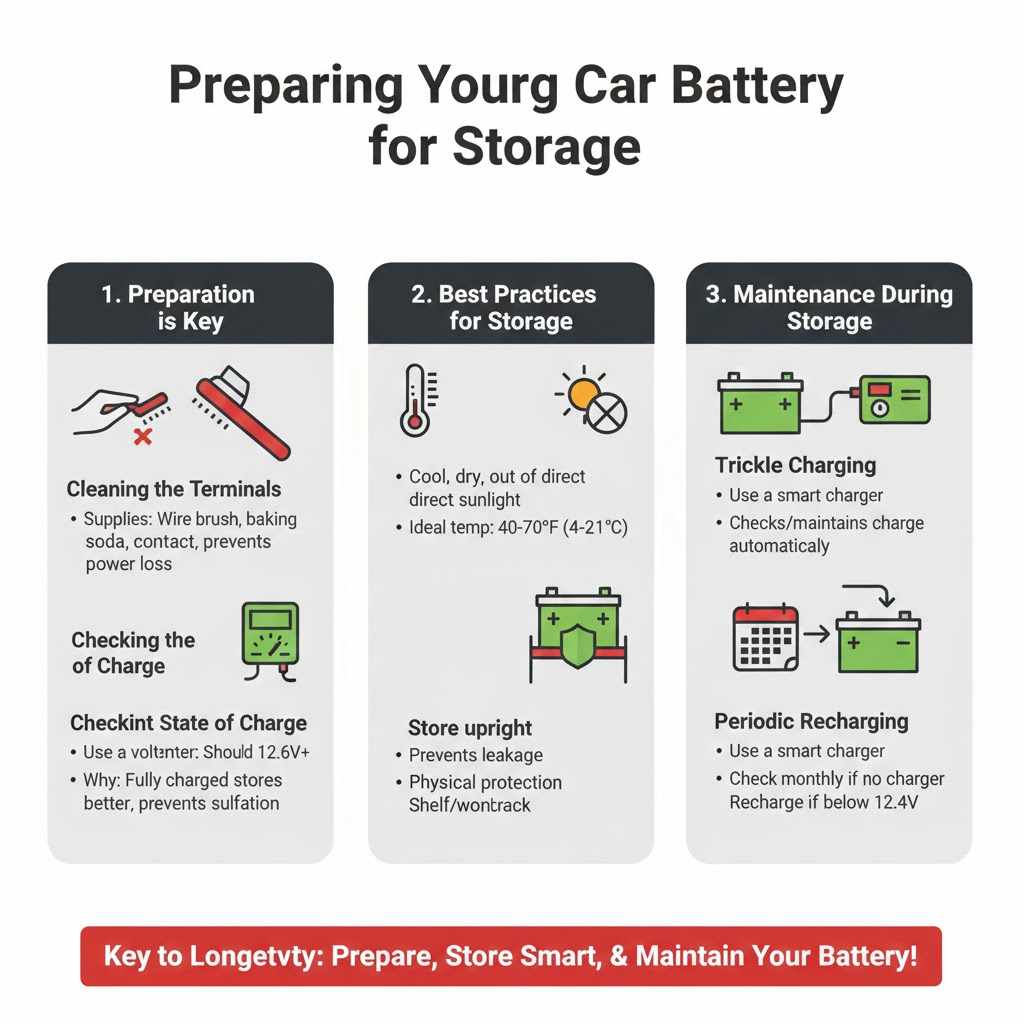
Preparing Your Car Battery for Storage
Before you put your car battery away, a little preparation makes a big difference. This step is all about making sure the battery is in the best condition to handle a long rest. Proper cleaning and checking the charge level are key here. It’s like getting ready for a long nap; you want to be comfortable and healthy before you start.
Cleaning the Battery Terminals
Dirty terminals can cause power loss and corrosion. You’ll want to clean them well.
- Gather your supplies. You will need a wire brush, baking soda, water, and some protective gloves.
Cleaning the terminals ensures good electrical contact. This is important so the battery doesn’t lose its charge faster than it should. A clean connection helps maintain the battery’s power over time.
Checking the Battery’s State of Charge
A fully charged battery stores better. You can check this using a voltmeter.
- A healthy battery should read around 12.6 volts or higher when fully charged.
If the charge is low, it’s best to charge it up before storing. A battery that is already low on charge is more likely to suffer from sulfation, which can permanently damage it.
Best Practices for Storing a Car Battery
Where and how you store your battery matters a lot. The environment plays a huge role in preventing damage and maintaining its lifespan. Think of it like storing food; the right conditions keep it fresh longer.
Choosing the Right Storage Location
The ideal place is cool, dry, and out of direct sunlight.
- A temperature range between 40°F and 70°F (4°C and 21°C) is usually recommended.
Extreme heat can cause the battery to lose charge faster and can damage its internal components. Extreme cold can also be an issue, though a fully charged battery can withstand colder temperatures better than a discharged one.
Protecting the Battery from Damage
The battery should be stored upright to prevent leakage. It also needs protection from physical impact.
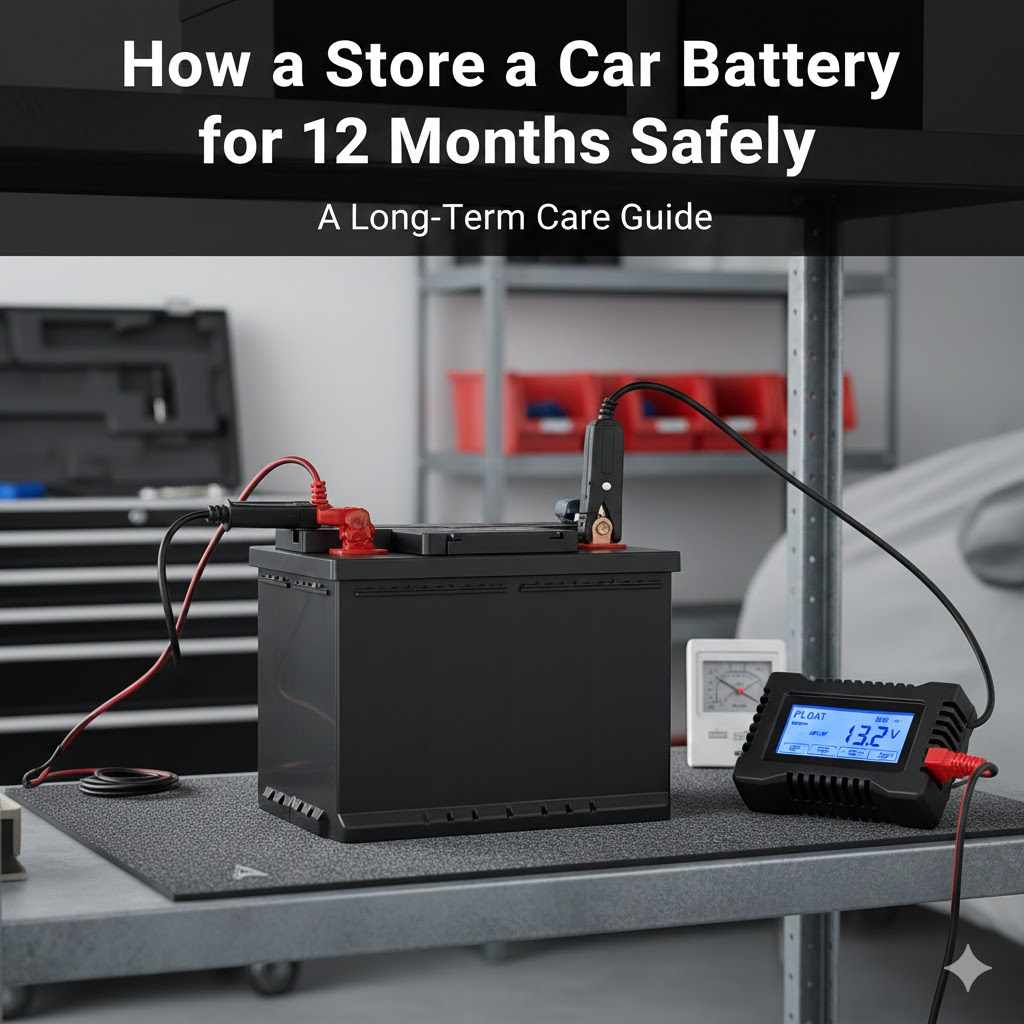
- Place it on a shelf or workbench, not directly on a concrete floor.
While it was once thought that concrete floors discharged batteries faster, modern batteries are less susceptible. However, placing it on a shelf still protects it from accidental bumps or spills.
Maintaining Battery Charge During Storage
Even in storage, batteries can slowly lose their charge. Keeping it topped up is essential for long-term health. This is where a smart charger comes in handy.
Using a Battery Tender or Maintainer
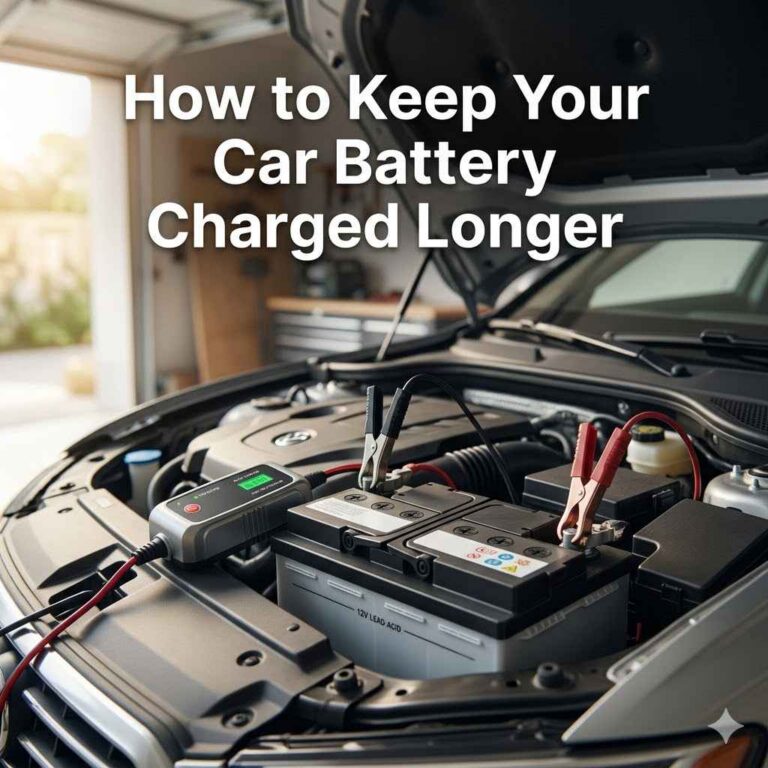
A battery tender is designed to keep a battery at its optimal charge level without overcharging it.
- These devices automatically monitor the battery’s voltage and deliver a small amount of charge when needed.
This process prevents deep discharge, which is the main enemy of a stored battery. A battery tender ensures that the battery remains ready to use when you need it again.
The Role of Sulfation
Sulfation is a process where lead sulfate crystals form on the battery plates. This happens when a battery is left discharged for too long.
- Early and consistent charging prevents significant sulfation.
Over time, these crystals can harden and become difficult or impossible to dissolve, reducing the battery’s capacity and lifespan. A battery tender helps avoid this.
Testing and Reinstalling Your Stored Battery
After a long storage period, you’ll want to make sure your battery is still good to go. A few simple tests will tell you its condition.
Testing the Battery’s Voltage and Load
Before putting the battery back in your car, test it.
- Use a voltmeter to check the charge. A reading above 12.4 volts is generally good for reinstallation.
You might also want to use a load tester, which simulates the demands placed on the battery when starting a car. This gives a better idea of its performance.
Steps for Reinstallation
When reinstalling, ensure the terminals are clean and tight.
- Connect the positive terminal first, then the negative terminal.
Make sure all connections are secure. A loose connection can cause electrical problems or prevent the car from starting.
Frequently Asked Questions
Question: How often should I check on a stored car battery
Answer: If you are not using a battery tender, you should check the battery’s charge level at least every 3 months. This helps you recharge it before significant sulfation occurs.
Question: Can I store a car battery on its side
Answer: No, car batteries should always be stored upright to prevent electrolyte leakage, which can be corrosive and dangerous.
Question: What is the best temperature for storing a car battery
Answer: The ideal temperature is cool and dry, generally between 40°F and 70°F (4°C and 21°C).
Question: Will a car battery lose its charge if stored on a concrete floor
Answer: Modern car batteries are less affected by concrete floors than older types, but it is still best practice to store them on a shelf or raised surface for extra protection.
Question: How long can a car battery last in storage
Answer: With proper care, including regular charging or using a battery tender, a car battery can remain in good condition for several months, even up to a year.
Conclusion
Storing a car battery for up to 12 months safely is achievable with simple steps. Keeping it clean, charged, and in a cool environment prevents damage. Using a battery tender is a smart way to maintain its power. Testing it before reinstallation ensures it’s ready to go. Follow these guidelines, and your battery will serve you well when you need it again.