How to Wash a Car with PPF (Paint Protection Film) Safely
Hey there! If you’re like me, you’ve probably invested in paint protection film (PPF) to keep your car’s exterior looking pristine. It’s a fantastic way to shield your vehicle from scratches, rock chips, and environmental damage while maintaining that showroom shine. But here’s the thing—washing a car with PPF isn’t quite the same as washing a regular car. You’ve got to be gentle, use the right products, and follow a specific process to ensure the film stays in top shape. I’ve spent years perfecting my car-washing routine, and I’m excited to share my insights with you.
In this guide, I’ll walk you through everything you need to know about washing a car with PPF, from the tools you’ll need to the techniques that’ll keep your film flawless. Let’s dive in!
Quick Answer
Wash a PPF-coated car by hand with a pH-neutral soap and the two-bucket method, using straight top-to-bottom motions with a soft microfiber mitt. Skip automatic car washes (brushes can lift the film’s edges), keep pressure washers under 1,500 PSI and 8-12 inches away, and wait 7-14 days after installation before the first wash.
What Is Paint Protection Film, and Why Does It Matter?
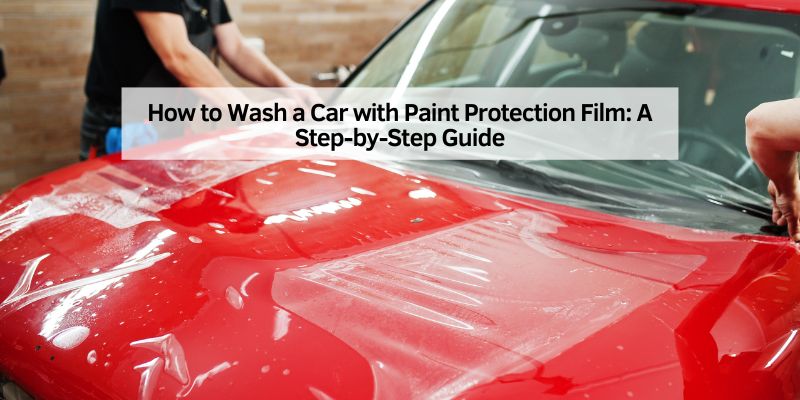
Paint protection film, or PPF, is like an invisible shield for your car’s paint. It’s a thin, transparent layer of polyurethane that’s applied to your vehicle’s exterior—think hood, bumpers, side mirrors, or even the entire car. This film is designed to protect against scratches, UV rays, bird droppings, and road debris. Some high-end PPF even has self-healing properties, meaning minor scratches disappear with a bit of heat from the sun or hot water.
I remember when I first got PPF installed on my car. I was thrilled about the protection but a little nervous about how to care for it. Would regular car washing damage it? Could I still use my pressure washer? The good news is, with the right approach, maintaining PPF is straightforward. But it’s crucial to understand that improper washing can shorten the film’s lifespan or cause it to peel. That’s why I’m sharing this guide—to help you keep your car looking brand new without compromising the film.
Why Washing a Car with PPF Requires Special Care
You might be wondering, “Why can’t I just wash my car like I always do?” Well, PPF is durable, but it’s not indestructible. Harsh chemicals, abrasive tools, or aggressive washing techniques can damage the film, reduce its clarity, or even cause it to lift at the edges. For example, using a high-alkaline soap or scrubbing too hard with a dirty sponge can scratch the film or strip away its protective topcoat.
When I first started washing my PPF-coated car, I made the mistake of using a regular dish soap. Big mistake! It left my film looking dull and streaky. After some research and trial-and-error, I learned that PPF requires gentle, pH-neutral products and a careful approach. Regular maintenance is also key—washing your car every one to two weeks prevents dirt and contaminants from embedding into the film, which can lead to premature wear. Trust me, a little extra care goes a long way in preserving your investment.
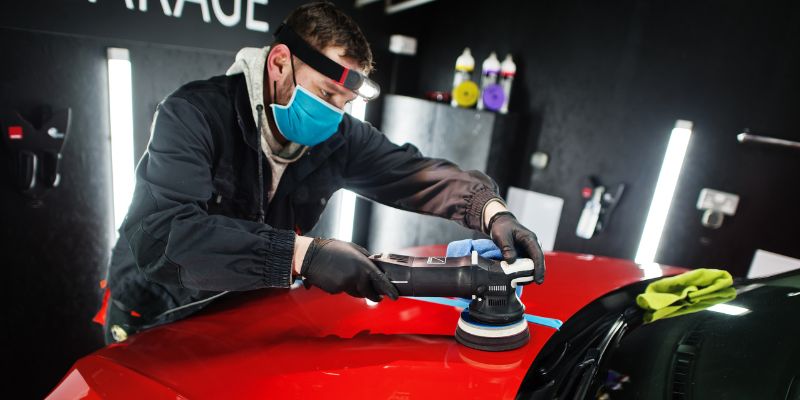
Tools and Products You’ll Need
Before we get into the washing process, let’s talk about the tools and products you’ll need. Having the right gear makes all the difference. Here’s what I keep in my garage for washing my PPF-coated car:
| Tool/Product | Purpose | My Recommendation |
|---|---|---|
| Two buckets with grit guards | Prevents dirt from scratching the film during washing | Any sturdy bucket with a grit guard insert |
| pH-neutral car wash soap | Gently cleans without damaging the PPF’s topcoat | Meguiar’s Gold Class or Chemical Guys Honeydew |
| Microfiber wash mitts | Soft, non-abrasive mitts to safely clean the surface | The Rag Company Premium Microfiber Mitt |
| Hose or pressure washer | Rinses off loose dirt and debris (use low pressure for PPF) | A standard garden hose or low-PSI pressure washer |
| Microfiber drying towels | Absorbs water without scratching the film | Chemical Guys Woolly Mammoth Drying Towel |
| Spray detailer | Adds lubrication and enhances shine after washing | Gtechniq Quick Detailer |
| Soft wheel brush | Safely cleans wheels without scratching PPF-covered areas | Mothers Wheel Brush |
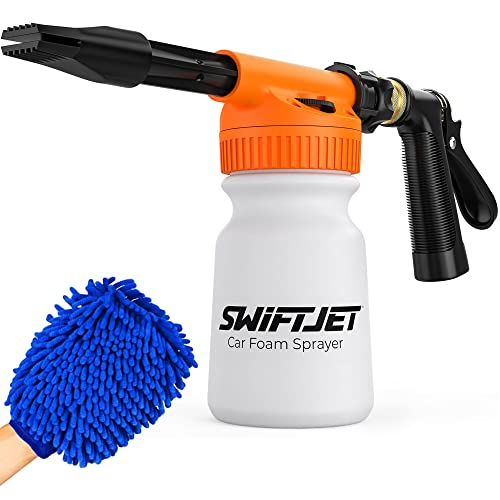
| Foam cannon (optional) | Applies thick foam to loosen dirt before washing | MTM Hydro PF22.2 Foam Cannon |
I always make sure to have two buckets—one for soapy water and one for rinsing the mitt. This “two-bucket method” keeps dirt from getting back onto the car. Also, avoid household detergents like dish soap—they’re too harsh and can degrade the film over time. Stick to products labeled “PPF-safe” or “pH-neutral” for the best results.
Best PPF-Safe Wash Soap Pick
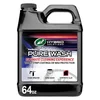
Turtle Wax Hybrid Solutions Pure Wash, pH Neutral Extreme Foaming Car Wash Soap…
A pH-neutral foaming soap safe for PPF’s topcoat — no waxes or petroleum solvents that can degrade the film.
- Best for: Weekly two-bucket washes without stripping PPF’s protective coating.
- Why we picked it: pH-neutral formula matches this guide’s soap requirement exactly.
- Main drawback: Less sudsy than harsher soaps, so use with a foam cannon for best coverage.
Compare more PPF washing essentials
 Option 1 Chemical Guys Chenille Premium Scratch-Free …
|
 Option 2 VIKING Automotive Bucket Insert Grit Trap fo…
|
 Option 3 Chemical Guys HydroSpeed Ceramic Quick Detai…
|
As an Amazon Associate we earn from qualifying purchases.
Step-by-Step Guide to Washing Your PPF-Coated Car
Now, let’s get to the fun part—washing your car! I’ve broken this down into clear, easy-to-follow steps based on my own routine. Follow these, and your car will stay sparkling clean without risking damage to the PPF.
Step 1: Pre-Rinse to Remove Loose Dirt
Start by rinsing your car with clean water to remove loose dirt, dust, and debris. I use a garden hose with a gentle spray nozzle, but if you’re using a pressure washer, keep it on a low setting (around 1200-1500 PSI) and stay at least 8-12 inches away from the surface. This prevents high pressure from lifting the film’s edges.
I like to start at the top of the car and work my way down. This ensures that dirt flows downward and doesn’t pool on already-cleaned areas. Pay extra attention to areas like the hood and bumper, where bugs and road grime tend to stick. A thorough rinse sets the stage for a scratch-free wash.
Step 2: Apply a Pre-Wash Foam (Optional)
If your car is extra dirty—say, after a long road trip—I recommend using a foam cannon to apply a thick layer of pH-neutral snow foam. This step loosens stubborn dirt and contaminants, making them easier to rinse off. I let the foam sit for 3-5 minutes, but never let it dry on the surface, as that can leave water spots.
When I first tried a foam cannon, I was amazed at how much easier it made the washing process. It’s like giving your car a gentle bubble bath! Just make sure the foam is PPF-safe, and rinse it off thoroughly before moving to the next step.
Step 3: Wash with the Two-Bucket Method
Fill one bucket with pH-neutral car wash soap and water, following the product’s dilution instructions. Fill the second bucket with clean water for rinsing your mitt. Dip your microfiber wash mitt into the soapy water, then gently wash one section of the car at a time, starting from the top.
I always use light, straight-line motions rather than circular ones to avoid swirl marks. After washing a section, rinse the mitt in the clean water bucket to remove dirt, then dip it back into the soapy water. This prevents abrasive particles from scratching the PPF. Be extra gentle around the film’s edges, as aggressive scrubbing can cause lifting.
Step 4: Clean Wheels and Tires Separately
Wheels and tires collect a lot of grime, so I clean them separately to avoid transferring brake dust or dirt onto the PPF. Use a dedicated wheel brush and a PPF-safe wheel cleaner. I like to use a separate microfiber mitt for the wheels to keep things clean.
When I first started, I made the mistake of using the same mitt for the body and wheels—yikes! That’s a surefire way to spread contaminants. Now, I keep my tools separate, and it’s made a huge difference in keeping my PPF scratch-free.
Step 5: Rinse Thoroughly
Once you’ve washed the entire car, rinse it thoroughly with clean water. I make sure to get into crevices and seams where soap can hide. A good rinse prevents soap residue from drying on the film, which can cause streaks or water spots.
If you’re washing in direct sunlight, work quickly to avoid water evaporating too fast. I prefer washing in the shade or during cooler parts of the day to keep the PPF safe and prevent spotting.
Step 6: Dry with Microfiber Towels
Drying is just as important as washing. I use plush microfiber drying towels to gently pat or blot the surface dry. Avoid dragging the towel across the PPF, as this can cause micro-scratches, especially if any tiny particles are left on the surface.
For hard-to-reach areas, I sometimes use an air blower or a leaf blower on a low setting. It’s a game-changer for preventing water spots, especially on a glossy PPF finish. Just be careful not to blow air too close to the film’s edges.
Step 7: Apply a Spray Detailer (Optional)
For an extra touch of shine, I like to finish with a PPF-safe spray detailer. It adds lubrication, enhances gloss, and helps protect the film. I spray a small amount onto a clean microfiber towel and gently wipe it over the surface in straight lines. This step makes my car look like it just rolled out of a detailing shop!
Common Mistakes to Avoid
Over the years, I’ve learned a few lessons the hard way. Here are some common mistakes to steer clear of when washing a PPF-coated car:
- Using Harsh Chemicals: Avoid acidic or alkaline cleaners, bug and tar removers, or dish soap. They can degrade the film’s topcoat or cause discoloration.
- Washing in Direct Sunlight: Heat can soften the PPF and make it more prone to damage. Plus, water evaporates quickly, leaving spots.
- Using Abrasive Tools: Sponges, brushes, or dirty mitts can scratch the film. Stick to soft microfiber materials.
- Ignoring Contaminants: Bird droppings, tree sap, and bug splatter are acidic and can etch into the PPF if left too long. Remove them immediately with water or a spray detailer.
- Pressure Washing Too Close: High pressure near the edges can lift the film. Keep your distance and use a low setting.
I once used a cheap sponge from a gas station car wash kit, thinking it would be fine. It left tiny scratches on my PPF that were a pain to buff out. Lesson learned—invest in quality tools!
How Often Should You Wash a PPF-Coated Car?
I wash my car every one to two weeks, depending on how much I drive. If you live in an area with heavy pollen, dust, or road salt, you might need to wash weekly. Regular washing prevents contaminants from bonding to the film, which can cause staining or damage over time.
For an occasional deep clean, I do a decontamination wash every 3-6 months. This involves using a clay bar or iron remover to get rid of embedded contaminants like tar or tree sap. Just make sure the products are PPF-safe, and follow up with a regular wash.
Can You Use a Ceramic Coating on PPF?
Here’s something I get asked a lot: can you apply a ceramic coating over PPF for extra protection? The answer is yes, and I’ve done it myself! A ceramic coating adds a hydrophobic layer that makes water and dirt slide off the PPF, reducing the need for frequent washing. It also enhances the gloss and protects against UV damage.
When I applied a ceramic coating to my PPF, I noticed my car stayed cleaner for longer, and water beaded up beautifully. Just make sure the coating is compatible with PPF, and wait at least 7-14 days after PPF installation before applying it to let the film fully cure.
Tips for Long-Term PPF Maintenance
Beyond washing, there are a few extra steps I take to keep my PPF in top condition:
- Inspect Regularly: Check for lifting edges or minor damage, especially after long drives. If you notice issues, consult a professional installer for repairs.
- Avoid Automatic Car Washes: Those abrasive brushes and harsh chemicals are a nightmare for PPF. Stick to hand washing or touchless washes.
- Apply a Sealant: A PPF-safe sealant adds an extra layer of protection and enhances shine. I apply one every few months.
- Park Smart: Avoid parking under trees where sap or bird droppings can fall. If you can’t avoid it, rinse off contaminants as soon as possible.
These small habits have kept my PPF looking flawless for years, and they’ll do the same for you.
Conclusion
Washing a car with paint protection film doesn’t have to be intimidating. With the right tools, products, and techniques, you can keep your car looking showroom-fresh while protecting your investment. I’ve shared my personal routine—honed over years of trial and error—to help you avoid common pitfalls and make your PPF last as long as possible. From the two-bucket method to choosing pH-neutral soaps, every step matters. So, grab your microfiber mitts, set aside some time, and give your car the TLC it deserves. There’s nothing like the feeling of driving a sparkling clean car with PPF that shines like new. Happy washing!
FAQs
How Soon Can I Wash My Car After PPF Installation?
You should wait at least 7-14 days before washing your car after PPF installation. This gives the film time to fully cure and adhere to the paint. Washing too soon can disrupt the curing process or cause the edges to lift. I always check with my installer for specific recommendations based on the film brand.
Can I Use a Pressure Washer on PPF?
Yes, but be cautious. I use a pressure washer on a low setting (1200-1500 PSI) and keep the nozzle 8-12 inches away from the surface. Too much pressure or getting too close can lift the film’s edges. If you’re unsure, a garden hose with a gentle spray is safer.
What Should I Do If I Get Bug Splatter or Bird Droppings on My PPF?
Act fast! Acidic contaminants like bug splatter or bird droppings can etch into the PPF if left too long. I rinse them off immediately with water or a spray detailer. If they’re stubborn, soak the area with soapy water and gently wipe with a microfiber cloth.
Is It Okay to Wax a PPF-Coated Car?
Waxing isn’t recommended for PPF, as it can build up along the edges and look unsightly. Instead, I use a PPF-safe spray detailer or sealant to enhance shine and protect the film. If you want extra protection, consider a ceramic coating designed for PPF.
How Do I Know If My PPF Is Damaged?
Look for signs like lifting edges, discoloration, or visible scratches that don’t self-heal. I inspect my PPF every few months, especially after long drives. If you notice damage, take your car to a professional installer for repairs rather than trying to fix it yourself.
Products related to this article
Sponsored / affiliate links. As an Amazon Associate I earn from qualifying purchases. I may earn additional commission from eligible campaigns.