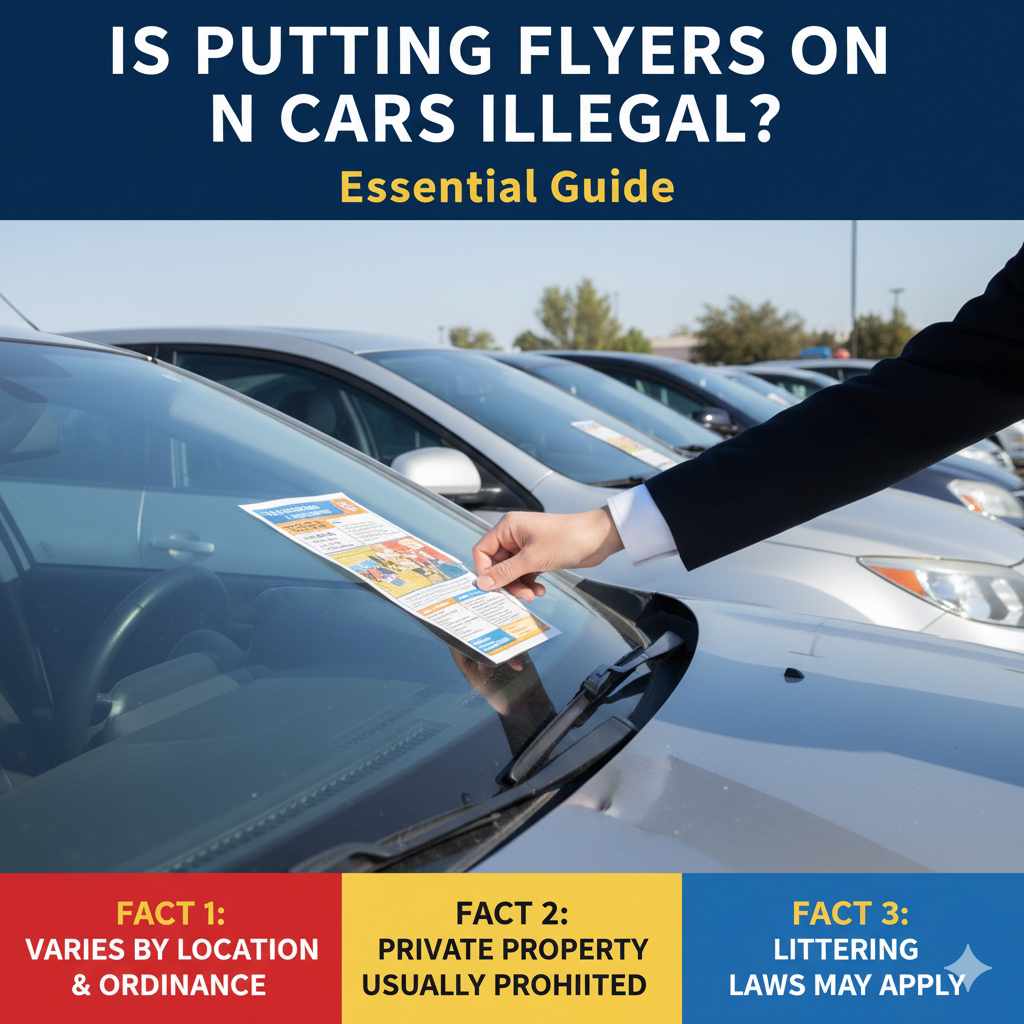
Is Putting Flyers on Cars Illegal? Essential Guide
Putting flyers on cars isn’t automatically illegal everywhere, but it can be. Laws vary by city and state, and many places prohibit it due to littering concerns or private property restrictions. Always check local ordinances before distributing flyers on vehicles to avoid fines.
Is Putting Flyers on Cars Illegal? An Essential Guide
Have you ever found a flyer tucked under your car’s windshield wiper? It’s a common sight, whether it’s for a local restaurant, a car wash special, or a community event. But have you ever wondered, “Is putting flyers on cars illegal?” This is a question that pops up for many businesses and organizers, and the answer isn’t always a simple yes or no. It can be frustrating for those trying to get the word out, and even more so for car owners who feel their vehicle has been targeted by unsolicited advertising.
Navigating these rules can feel like a maze, but don’t worry! As your trusted automotive guide, I’m here to break down exactly what you need to know. We’ll explore the common concerns, the legality, and how to stay on the right side of the law, ensuring your marketing efforts don’t lead to unexpected trouble. Stick around to get the clear, easy-to-understand answers you need.
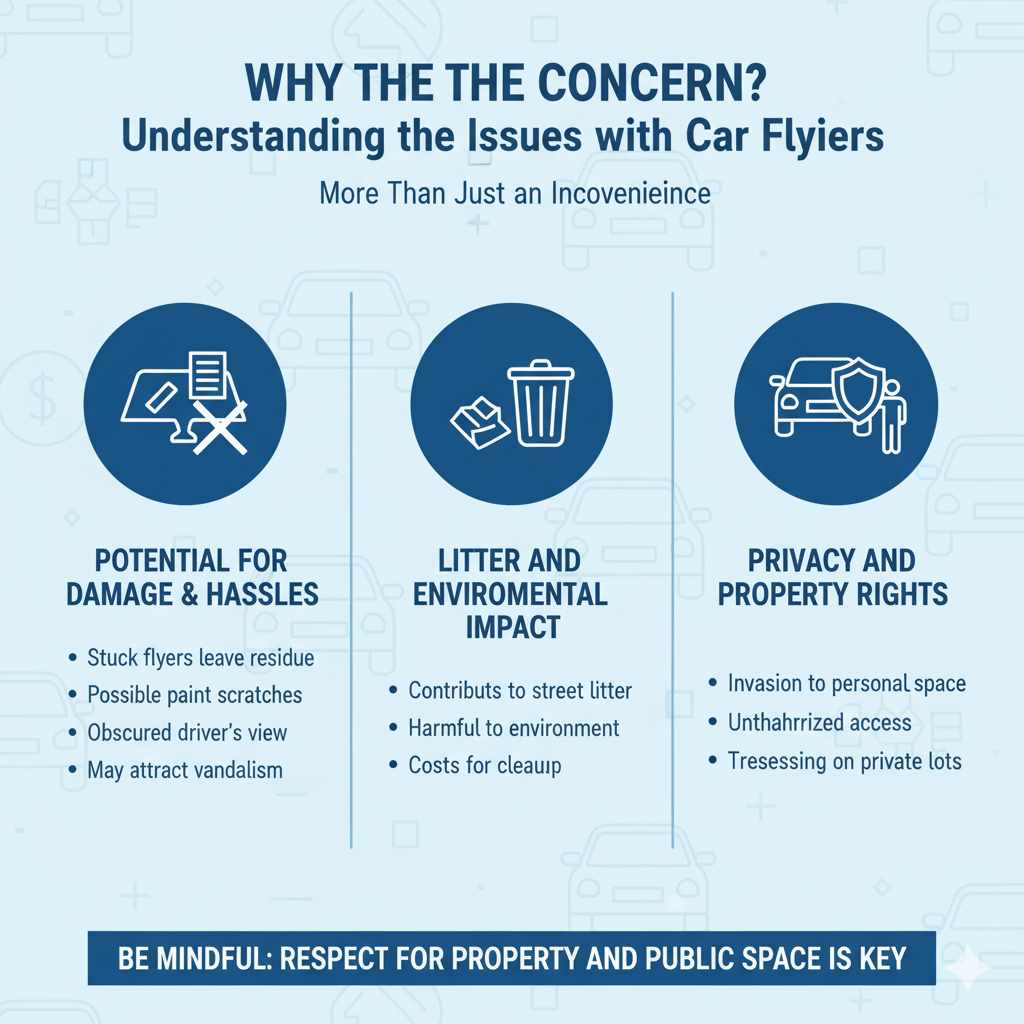
Why the Concern? Understanding the Issues with Car Flyers
The practice of placing flyers on car windshields sparks debate for several understandable reasons. It’s more than just an inconvenience; there are practical, legal, and ethical considerations at play. Let’s look at why this method of advertising is often questioned.
Potential for Damage and Hassles
Imagine finding a flyer that’s stuck too well, leaving residue or worse, scratching your car’s paint when you try to remove it. While most flyers are harmless, poorly placed or waterlogged flyers can cause problems. Sometimes, a flyer can obstruct the driver’s view, making it a potential safety hazard. People also worry about the potential for flyers to attract vandalism or petty theft, especially if they signal an unoccupied car.
Litter and Environmental Impact
A significant concern is litter. When flyers are left behind or blown away, they contribute to street litter, which is not only unsightly but also harmful to the environment. Cleaning up this litter costs local governments time and money. Responsible distribution is key to minimizing this impact.
Privacy and Property Rights
For some car owners, it feels like an invasion of their personal space. Vehicles are private property, and unauthorized access, even for placing a flyer, can be seen as trespassing. This is especially true in private parking lots or residential areas where specific rules might be in place.
The Legal Landscape: Where Do Laws Stand on Car Flyers?
So, is putting flyers on cars illegal? The short answer is: it depends heavily on where you are and the specific context. There isn’t a single federal law governing this. Instead, regulations are typically handled at the local level – by cities, counties, and sometimes even specific property owners.
City and Municipal Ordinances
Many cities have ordinances that prohibit or restrict the placement of advertising materials on vehicles. These rules are often put in place to combat littering and maintain public spaces. Some cities might require permits for distributing any type of advertising. For example, a quick search might reveal ordinances like those in:
Los Angeles, California: The city has strict rules against placing advertising on vehicles, classifying it as a form of littering and distributing unsolicited materials.
Chicago, Illinois: Similar to Los Angeles, Chicago has ordinances that can penalize those who leave unaddressed mail or advertising materials on cars.
These ordinances often fall under broader anti-littering laws or specific rules about commercial solicitation. Ignoring them can lead to fines.
State Laws and Regulations
While less common for direct flyer distribution, some states have broader consumer protection laws or regulations concerning advertising and public nuisance that could indirectly apply. These might focus on what’s considered deceptive advertising or what constitutes a public nuisance.
Private Property Rules
Even if a city doesn’t have a specific ban, private property owners (like shopping malls, apartment complexes, or office parks) can and often do prohibit the distribution of flyers on vehicles parked on their lots. They have the right to set rules for their property, and violating these can result in being asked to leave or facing other consequences.
When is Distributing Flyers on Cars Generally Allowed?
Despite the restrictions, there are situations where it might be permissible, or at least less likely to cause issues.
Public Land with No Specific Restrictions: In areas without explicit local ordinances banning flyer distribution on cars, and on public streets where parking is allowed, it might technically be permitted. However, even here, it’s a grey area due to potential littering complaints.
Permission from Property Owners: If you have explicit permission from the owner of a private parking lot (e.g., a small business owner allowing you to advertise for a local charity event), it’s generally okay.
Community Events with Designated Areas: Sometimes, at specific events held on public or private grounds, organizers may designate areas for flyer distribution, or attendees may be more receptive.
The Consequences: What Happens if You’re Caught?
Receiving a ticket or a warning for placing flyers on cars might seem like a minor annoyance, but it can have real consequences, especially for businesses.
Fines and Penalties
Local authorities can issue fines to individuals or businesses caught distributing flyers illegally. These fines can range from a small amount for a first offense to significantly larger sums for repeat violations. Businesses that rely on this method may face substantial financial penalties, impacting their budget.
Reputational Damage
Being seen as a nuisance or a provider of litter can harm a business’s reputation within the community. Customers may associate the brand with inconsiderate practices rather than the service or product offered. This can lead to negative word-of-mouth and a loss of goodwill.
Legal Action
In some extreme cases, persistent violations or issues arising from flyer distribution (like damage to vehicles) could potentially lead to more significant legal disputes, though this is less common for simple advertising flyers.
How to Check Local Laws: Your Research Checklist
Before you or your business starts distributing flyers on cars, it’s crucial to do your homework. Here’s a simple checklist to help you stay informed and compliant:
1. Consult Your Local City or County Clerk’s Office
This is your primary resource. Visit the official website or call the clerk’s office for the city or county where you plan to distribute flyers. Ask specifically about ordinances related to:
Advertising on vehicles
Littering and public nuis —
Commercial solicitation in public spaces
Permit requirements for advertising
Many municipal codes are available online, making this research accessible from home.
2. Check for Local Business or Zoning Regulations
Sometimes, business licensing departments or zoning boards have specific rules regarding advertising methods. It’s worth a quick check on their websites or a phone call.
3. Investigate Private Property Policies
Understand that even if your city has no ban, private parking lots often have “no solicitation” or “no loitering” rules. You can often find signage at the entrance of these lots indicating such policies. If in doubt, contact the property management.
4. Look for Nearby Municipalities
If you’re operating in a region with multiple towns or cities, remember that laws can differ from one jurisdiction to the next. Always check the specific ordinances for each area you plan to target.
Here’s a table that can help you organize your findings:
| Location | Ordinance Details (e.g., Ban, Permit Required, Fines) | Contact Person/Department | Date Checked | Notes |
|---|---|---|---|---|
| City of [Your City] | ||||
| County of [Your County] | ||||
| [Specific Mall/Business Park Name] |
To find official government resources, you can often search for terms like “[Your City/County] municipal code” or “[Your City/County] ordinances.” The U.S. Government websites like USA.gov can be a good starting point for finding official government links.
Alternative and Legal Advertising Methods
If placing flyers on cars proves to be illegal or too risky in your area, don’t fret! There are many effective and legal ways to get your message out. As someone who believes in smart and safe practices, I always recommend exploring these options.
Digital Marketing
Reach a wider audience with less hassle:
Social Media Marketing: Targeted ads on platforms like Facebook, Instagram, and X (formerly Twitter) can reach specific demographics in your area.
Local SEO: Ensure your business shows up when people search online for services you offer in your local area. This includes having a Google Business Profile.
Email Marketing: Build an email list and send out newsletters or promotions to interested customers.
Local Online Directories: List your business on sites like Yelp, Google Maps, and other local directories.
Traditional Advertising (with a Modern Twist)
Local Newspaper or Magazine Ads: Still a viable option, especially for reaching older demographics or specific community segments.
Direct Mail Campaigns: Sending postcards or letters directly to homes in your target area can be very effective and is generally legal.
Community Event Sponsorship or Booths: Participate in local fairs, festivals, or farmers’ markets. This allows direct interaction with potential customers.
Flyers in Approved Locations: Distribute flyers at community bulletin boards, in local businesses (with permission), or hand them out at busy intersections.
Vehicle Wraps and Decals
Instead of temporary flyers, consider making your own vehicle a moving billboard. Highly visible and compliant with advertising laws (as it’s part of your business’s presence), vehicle wraps are a great long-term investment.
Best Practices for Flyer Distribution (If Permitted)
If you’ve confirmed that flyer distribution on cars is legal in your specific area and parking locations, here are some guidelines to be a responsible advertiser:
- Obtain Necessary Permits: If your municipality requires permits, get them first.
- Get Property Owner Permission: Always secure explicit permission from the owners of private parking lots.
- Distribute During Reasonable Hours: Avoid early mornings or late nights. Standard business hours are typically best.
- Place Flyers Carefully: Don’t cover windows entirely. Tuck them under wipers or place them on the dashboard where they are easily removable and won’t damage the car. Never use tape or adhesive that can leave residue.
- Be Brief and Professional: Keep the message concise and focused.
- Clean Up After Yourself: This is crucial. If you distribute a stack of flyers, ensure none are dropped or blown away. Pick up any stray flyers in the vicinity.
- Respect “No Trespassing” or “No Soliciting” Signs: If you see these signs, do not distribute flyers in that area.

Frequently Asked Questions (FAQ)
Q1: Can I be fined for putting flyers on cars in my city?
Yes, you can be fined. Many cities have specific ordinances that prohibit placing advertising materials on vehicles. These are often related to littering or commercial solicitation laws. Always check your local city or county regulations.
Q2: What if I’m just advertising a non-profit event? Is it still illegal?
The legality typically depends on the ordinance itself, not solely on whether it’s a for-profit or non-profit endeavor. Some ordinances are strict and apply to all forms of advertising. However, some cities might have exceptions or require a different type of permit for non-profits. It’s best to confirm with your local authorities.
Q3: Is it okay to put flyers on cars in a public parking lot?
It depends. If the parking lot is managed by the city and has no specific signage or ordinances prohibiting it, it might be technically allowed. However, if it’s a private parking lot (like a mall or grocery store), you almost certainly need permission from the property owner, as they have the right to set rules for their property.
Q4: What are the risks of placing flyers on cars without permission?
The main risks include receiving fines from local law enforcement, being asked to leave private property, potential damage to your business’s reputation, and in rare cases, even being considered trespassing.
Q5: How can I find out the specific laws in my area?
The best way is to contact your local City Clerk’s office or County Recorder’s office. You can usually find their contact information and often their municipal codes or ordinances on the official city or county government website.
Q6: Are there specific types of flyers that are illegal to place on cars?
While the act of placing the flyer is usually the focus of the law, the content of the flyer itself could be subject to laws regarding deceptive advertising, hate speech, or illegal substances. However, the primary legal concern for distribution is usually the act of placing it on the vehicle itself.
Conclusion
Navigating the rules around flyer distribution on cars can seem a bit complicated, but understanding your local laws is the key. While it might be a tempting marketing tactic due to its direct reach, the risks of fines, reputational damage, and environmental impact are significant. Always prioritize checking with your city or county officials before you start distributing anything on vehicles.
Remember, effective marketing doesn’t have to be a gamble. By exploring legal and creative alternatives like digital marketing, direct mail, or participating in local events, you can reach your audience effectively and responsibly. Staying informed and choosing compliant methods ensures your efforts build your business without causing problems for yourself or your community. Keep driving forward with smart advertising!