Kidde Carbon Monoxide Alarm Code L6: Decode the Beeps!
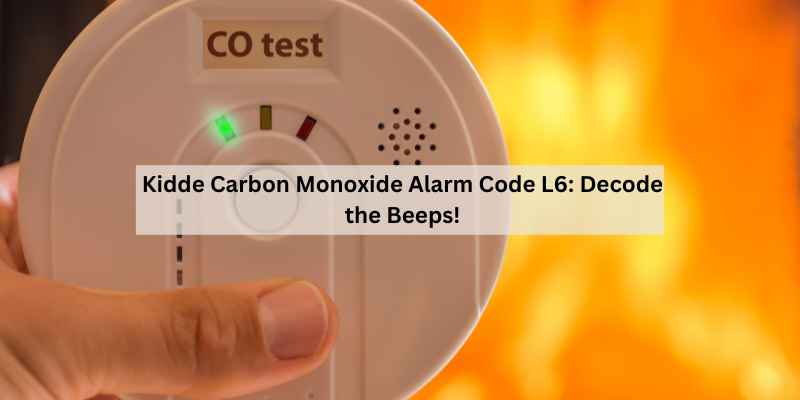
The Kidde Carbon Monoxide Alarm Code L6 indicates a malfunction. This error requires immediate attention and may need a replacement.
Carbon monoxide (CO) alarms play a crucial role in home safety. They detect this odorless, colorless gas, which can be deadly. Kidde is a trusted brand known for its reliable safety products. Understanding the meaning of alarm codes like L6 can help homeowners respond quickly.
A malfunctioning alarm may fail to detect dangerous CO levels, putting lives at risk. Regular maintenance and testing of your CO alarm are essential. Familiarizing yourself with the alarm’s codes ensures you stay informed about its status. Always prioritize safety by monitoring your alarms and addressing any issues promptly. Stay safe and protect your home from carbon monoxide threats.
Introduction To Kidde Carbon Monoxide Alarm
The Kidde Carbon Monoxide Alarm is essential for home safety. It detects carbon monoxide, a dangerous gas. This gas is colorless and odorless, making it hard to notice. Installing an alarm can save lives by providing early warnings.
Carbon monoxide can come from many sources. Common sources include furnaces, gas stoves, and vehicles. Breathing it in can cause serious health issues. Symptoms include headaches, dizziness, and confusion. A reliable alarm helps keep your family safe.
| Feature | Description |
|---|---|
| Battery Backup | Continues to work during power outages. |
| Test Button | Allows easy testing of the alarm. |
| LED Display | Shows CO levels and alarm status. |
What Does Code L6 Mean?
The Kidde Carbon Monoxide Alarm displays Code L6 for a specific reason. This code means there is a malfunction in the unit. Understanding this code is important for safety.
Interpreting Kidde alarm codes can be tricky. Each code has a unique meaning. Users should consult the manual for details on the codes.
Common misconceptions exist about Code L6. Some believe it indicates high carbon monoxide levels. This is not true; it only signals a problem with the alarm itself.
Always take Code L6 seriously. Check your alarm immediately for issues. This ensures your home stays safe from carbon monoxide dangers.
The Science Behind Carbon Monoxide Detection
Carbon monoxide detectors are important for safety. They sense carbon monoxide in the air. This gas is colorless and odorless, making it dangerous. The alarm sounds when it detects harmful levels. Most detectors use electrochemical sensors or metal oxide sensors. These sensors react to the presence of carbon monoxide.
Timely detection can save lives. Exposure to carbon monoxide can cause serious health issues. Symptoms include headaches, dizziness, and confusion. Immediate action is essential if the alarm goes off. Evacuate the area and seek fresh air. Always check your detectors and replace batteries regularly.
Decoding The Beeps
Understanding the beep patterns of your Kidde Carbon Monoxide Alarm is vital. Each pattern tells you something important. Here are the common beep patterns and their meanings:
| Beep Pattern | Meaning |
|---|---|
| 4 beeps, 5 seconds apart | Carbon monoxide detected |
| 1 beep every minute | Low battery warning |
| Continuous beeping | Unit malfunction |
Take immediate action upon hearing these beeps. If you hear 4 beeps, leave the building quickly. Call 911 or your local emergency number. If it’s a low battery warning, replace the batteries right away. For a continuous beep, check the unit and contact support.
Troubleshooting Common Issues
To reset your Kidde Carbon Monoxide Alarm, press and hold the test/reset button for 15 seconds. This action clears errors and returns the alarm to normal. Always check the battery after resetting.
Replace your detector every 5 to 7 years. Older alarms may not work as well. Check the manufacture date on the back. If the alarm sounds continuously, it may need replacement.
Keep a replacement schedule to ensure safety:
| Action | Frequency |
|---|---|
| Test Alarm | Monthly |
| Change Batteries | Yearly |
| Replace Alarm | Every 5-7 years |
Maintenance Tips For Your Kidde Alarm
Perform a regular checkup of your Kidde Carbon Monoxide Alarm. Test the alarm every month. Press the test button to ensure it works. Replace batteries at least once a year. Keep track of the expiration date on the unit.
Keeping the detector clean is very important. Dust and dirt can affect its performance. Use a soft, dry cloth to wipe the alarm. Avoid using cleaners or sprays. Make sure the vents are clear of any obstructions.
Check the installation location regularly. Ensure it is not near vents or windows. Install alarms on every level of your home. This helps keep your family safe from carbon monoxide.
What To Do In Case Of A Carbon Monoxide Alert
Upon hearing a carbon monoxide alert, act quickly. First, evacuate everyone from the area. Get outside to fresh air. Do not ignore the alarm, as it indicates a serious danger.
Once you are safe, contact emergency services immediately. Call your local fire department or emergency number. Explain the situation clearly and follow their instructions.
Do not re-enter the building until it is declared safe. Wait for the professionals to check for carbon monoxide levels. They will ensure that the area is safe before anyone returns.
Frequently Asked Questions
What Does L6 Mean On A Carbon Monoxide Detector?
L6 on a carbon monoxide detector indicates a high concentration of CO. This level signifies a serious risk to health. Immediate action is required, such as evacuating the area and seeking fresh air. Always prioritize safety and consult professionals for further assistance.
Why Is My Carbon Monoxide Detector Beeping L6?
The L6 beep on your carbon monoxide detector indicates a low battery or a malfunction. Replace the batteries first. If the beeping continues, consider replacing the unit. Regular maintenance ensures your safety from carbon monoxide exposure. Always follow the manufacturer’s instructions for troubleshooting.
How Do I Stop My Kidde Carbon Monoxide Alarm From Beeping?
To stop your Kidde carbon monoxide alarm from beeping, check the batteries. Replace them if they are low. Ensure the alarm is clean and free of dust. If beeping continues, reset the unit by pressing the reset button. Consult the user manual for further troubleshooting steps.
How Do You Reset A Kidde Carbon Monoxide Detector?
To reset a Kidde carbon monoxide detector, press and hold the reset button for 15-20 seconds. Ensure the unit is powered on. If the alarm continues, check for carbon monoxide sources or replace the detector if necessary. Regular maintenance is essential for safety.
Conclusion
Understanding the Kidde Carbon Monoxide Alarm Code L6 is crucial for safety. This model offers reliable protection against CO poisoning. Regular maintenance and testing ensure optimal performance. Stay informed about its features and alerts. A well-functioning alarm can save lives, making it an essential part of your home safety plan.