P0008 Chevy Traverse Fix: Stop Guessing, Diagnose It Right
You’re driving your Traverse and the check engine light pops on. Maybe there’s a rough idle, maybe a rattle on a cold start. You pull the code and it reads P0008. Now what?
Most people panic or start throwing parts at it. This code is rarely a simple sensor failure. It’s a mechanical warning about the engine’s timing system. This guide walks you through exactly what P0008 means, how to confirm the real root cause before spending money, and what a proper fix actually involves.
ANCEL
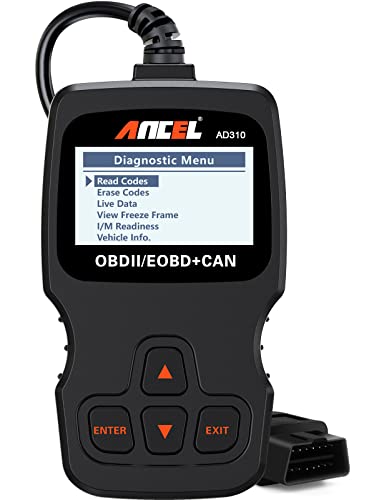
ANCEL AD310 Classic Enhanced Universal OBD II…
- CEL Doctor: The ANCEL AD310 is one of the best-selling OBD II scanners on the market and is recommended by Scotty Kilmer, a YouTub…
- Sturdy and Compact: Equipped with a 2.5 foot cable made of very thick, flexible insulation. It is important to have a sturdy scann…
- Accurate Fast and Easy to Use: The AD310 scanner can help you or your mechanic understand if your car is in good condition, provid…
You’ll learn the difference between the 2026-2026 and 2026+ engines, the exact oil pressure specs you need to check, and a clear breakdown of DIY versus shop costs. No fluff, just the diagnostic path a good mechanic would take.
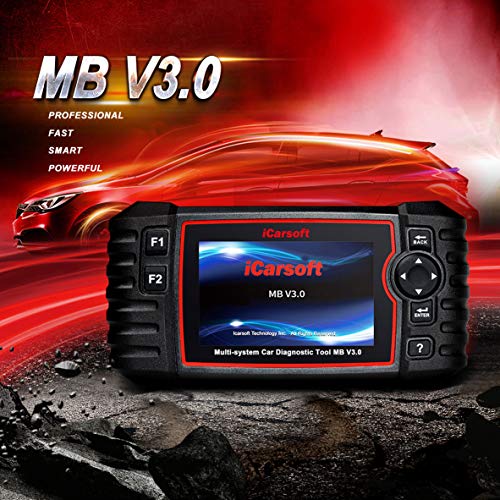
Before you start digging into the engine bay, grab a reliable code reader. The ANCEL AD310 scanner is a solid, inexpensive tool that reads and clears codes in seconds. It gives you the freeze frame data and lets you verify the code is actually P0008 and not something else hiding alongside it.
What Does P0008 Mean on a Chevy Traverse?
P0008 stands for “Engine Position System Performance – Bank 1.” In plain English, the engine computer detected that the camshaft on bank 1 (the side with cylinder 1) is not in the correct position relative to the crankshaft. The two are out of sync by a measurable amount.
This is a serious diagnostic code, not a minor glitch. The engine uses variable valve timing (VVT) to adjust camshaft timing for performance and fuel economy. When the computer commands a certain camshaft position and the actual position doesn’t match within a set tolerance, it sets this code after two consecutive failed drive cycles.
On the Traverse’s 3.6L V6 engine, this almost always points to a mechanical timing issue. The timing chain connects the crankshaft to the camshafts. If that chain stretches, skips a tooth, or the tensioner fails, the camshaft falls out of sync with the crank. The engine computer sees this as a performance fault.
P0008 Symptoms: What Your Traverse Will Feel Like
You might notice nothing at first. The check engine light can be the only symptom for a while. But as the problem worsens, the symptoms get harder to ignore.
- Rough idle: The engine may shake or vibrate at a stop light. The idle can feel uneven, almost like a misfire.
- Cold start rattle: A metallic clatter or rattle for a few seconds when you start the engine after it’s been sitting overnight. This is the timing chain slapping against the guides because the tensioner isn’t holding it tight.
- Engine noise: A whirring or grinding sound from the front of the engine, especially during acceleration.
- Reduced power: The engine feels sluggish. The VVT system can’t advance the camshaft properly, so you lose low-end torque and throttle response.
- Poor fuel economy: The engine runs less efficiently when the valve timing is off. You might see a noticeable drop in miles per gallon.
- Hard start: In severe cases, the engine may crank longer before starting or struggle to start at all.
If you have any of these symptoms alongside P0008, don’t delay. This is not a code that fixes itself.
Root Causes: Why the Camshaft and Crankshaft Fall Out of Sync
Several things can cause P0008 on a Traverse. They range from common to rare, and knowing which one you’re dealing with saves you a lot of money.
The #1 Culprit: Timing Chain Stretch and Worn Guides
This is the big one. The 3.6L engines in the Traverse are notorious for timing chain issues. The chains stretch over time, especially if oil changes were skipped or intervals were too long. A stretched chain has more slack, which throws off the camshaft timing relative to the crankshaft.
The timing chain guides and tensioner also wear out. The guides are plastic and can crack or break. The tensioner uses oil pressure to keep the chain tight. If the tensioner bleeds down or the internal check valve fails, the chain gets loose.
On the 2026-2026 models with the LLT or LFX engine, this is a known weak point. The 2026+ models with the LGX engine improved the design slightly, but they’re still not immune. The failure rate is lower on the newer engines, but it’s still the first thing to suspect.
Oil Pressure Issues and Sludge Buildup
The VVT system runs on engine oil pressure. The camshaft actuators (phasers) use oil to rotate the camshaft. If oil pressure is low, the phasers can’t move the camshaft fast enough, and the computer sees a timing fault.
Oil sludge is a major contributor here. Sludge clogs the small oil passages in the cylinder heads and the phasers themselves. This restricts oil flow to the VVT components. A common cause of sludge is going too long between oil changes or using the wrong viscosity oil.
Low oil level is another simple cause. If the oil is low, the pickup tube can suck air, causing pressure drops. Always check the dipstick first.
Faulty VVT Actuators and Sensors
The camshaft phasers themselves can fail. They have internal locking pins that can stick, and the spring-loaded mechanisms wear out. A stuck phaser prevents the camshaft from moving to the commanded position.
Less common, but possible, are the camshaft position sensors and the crankshaft position sensor. These sensors send the timing data to the engine computer. If a sensor is faulty or its wiring is damaged, the computer gets wrong data and sets the code.
Here’s the trap: replacing the VVT solenoid or cleaning the oil pressure switch rarely fixes P0008. Many people try this first because it’s cheap and easy. It almost never works. The solenoid controls oil flow to the phaser, but if the chain is stretched, no amount of solenoid replacement will fix the mechanical timing error.
How to Diagnose P0008 Correctly (Step-by-Step)
You need a systematic approach. Skip the guesswork and follow this order. It saves you time and money.
Step 1: Verify the Code and Check Freeze Frame Data
First, scan the vehicle with a code reader. A basic OBD-II scanner like the ANCEL AD310 works fine for this. Clear the code and drive the vehicle. If the code comes back immediately, the problem is current. If it takes a few drive cycles, it’s intermittent.
Check the freeze frame data. This shows the engine conditions when the code was set. Look at the engine RPM, coolant temperature, and load. If the code set at idle with a cold engine, that points to a different issue than if it set under heavy load at highway speed.
Also check for other codes. P0008 often appears alongside P0010, P0011, or P0016 codes. These relate to camshaft position actuator circuits or crankshaft/camshaft correlation. They give you more clues about which side or component is failing.
Step 2: Check Oil Level, Condition, and Pressure
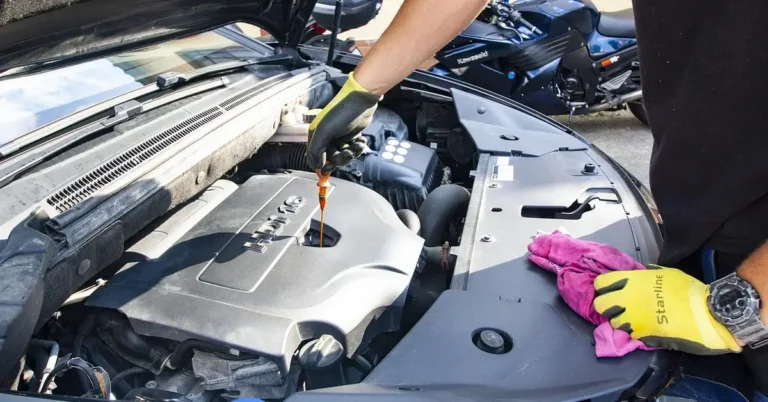
Before condemning the timing chain, verify the oil system is healthy. Pull the dipstick and check the level. Low oil is an easy fix.
Check the oil condition. Is it black and gritty? Does it smell burnt? If the oil is sludge, that’s a red flag. The VVT system needs clean oil to function.
Now check oil pressure with a mechanical gauge. You’re looking for specific numbers. At idle, a warm 3.6L engine should have at least 6-8 PSI. At 2,000 RPM, you need a minimum of 20 PSI. If the pressure is below these numbers, you have an oil starvation problem. Fix that first before touching the timing chain. Low oil pressure can mimic a timing chain issue because the phasers aren’t getting enough oil to move.
If the oil pressure is good, move on to the mechanical inspection.
Step 3: Mechanical Timing Inspection (The Definitive Test)
This is the only way to know for sure if the timing chain is the problem. It requires some work but it’s definitive.
Remove the front engine cover. On the Traverse, this means removing the serpentine belt, the crankshaft balancer, and the front cover. It’s a big job, but it’s the only way to see the chain and guides.
Once the cover is off, check the timing marks. The crankshaft sprocket and both camshaft sprockets have alignment marks. Rotate the engine by hand to top dead center on cylinder 1. The marks should all line up perfectly. If the marks are off by even a few degrees, the chain has stretched or skipped a tooth.
Check the chain tension. Grab the chain between the two camshaft sprockets. It should be tight. If you can deflect it more than a quarter inch, the tensioner is worn or the chain is stretched. Check the guides for cracks, wear, or broken pieces. Check the tensioner for oil leaks or a weak spring.
If the timing marks are off or the chain is loose, you’ve found your problem. The fix is a complete timing chain replacement.
The Real Fix: Repair Options and Costs
Once you’ve confirmed the timing chain is the issue, you have two paths: DIY or professional repair. Here’s a realistic breakdown.
Timing Chain Replacement (The Standard Fix)
This is the standard fix for P0008 on a Chevy Traverse. It involves replacing the timing chains, guides, tensioners, and often the camshaft phasers. Most mechanics recommend replacing everything at once because the labor is the same. You don’t want to go back in there six months later to replace a phaser you skipped.
The parts kit typically includes:
- Two timing chains (one for each bank)
- Four camshaft phasers (actuators)
- Timing chain guides and tensioners
- Front cover gasket and seals
- Crankshaft balancer bolt (one-time use)
Special tools are required. You need a camshaft holding fixture to keep the cams in place while you remove the chains. You also need a crankshaft balancer puller and installer. These tools can be rented from auto parts stores, but they add complexity to the job.
This is not a beginner-level repair. It’s a full day of work even for an experienced DIYer. If you have the tools and the patience, you can save a lot of money. If you’re not confident, take it to a shop.
Oil System Flush and Actuator Replacement (Rare Cases)
In rare cases, the timing chain is fine, but the phasers are stuck due to sludge. If your oil pressure check showed normal pressure and the mechanical timing marks are correct, this might be your situation.
A professional oil system flush can sometimes clear sludge from the phasers. This is a chemical cleaning process that runs through the engine. It’s not guaranteed to work, but it’s cheaper than a full tear-down.
If the phasers are mechanically stuck, they need replacement. This is nearly as involved as a timing chain job. The phasers sit behind the timing cover, so the labor is similar.
Before you spend money on either of these, double-check your diagnosis. A timing chain replacement is the fix for 90% of P0008 cases on this engine.
Can You Drive with P0008? Risks and What to Avoid
Short answer: you shouldn’t. Driving with P0008 risks catastrophic engine failure.
A stretched timing chain can skip a tooth. If it skips enough teeth, the pistons will hit the valves. That’s an interference engine. The result is bent valves, damaged pistons, and a destroyed cylinder head. That’s a $4,000+ repair, or a new engine.
If the chain breaks entirely while you’re driving, the engine dies instantly. The damage is immediate and severe.
Here’s what to avoid:
- Don’t ignore the check engine light. The longer you wait, the worse the chain gets.
- Don’t drive hard. Avoid heavy acceleration and highway speeds. The extra load stresses the chain.
- Don’t just replace the VVT solenoid. It’s a waste of money and time. The problem is mechanical.
- Don’t clear the code and hope it goes away. It won’t. The engine will keep setting the code until the mechanical issue is fixed.
If you must drive it, keep it local and gentle. Get it to a shop as soon as possible.
How to Prevent P0008 from Coming Back
Once you’ve fixed the timing chain, you need to protect your investment. The number one cause of timing chain failure on this engine is poor oil maintenance.
Change your oil every 5,000 miles, not the 7,500 miles the owner’s manual suggests. The 3.6L engine is hard on oil, and the VVT system needs clean, fresh oil. Use the recommended viscosity. For most Traverse models, that’s 5W-30. Check your owner’s manual to be sure.
Use a quality oil filter. A cheap filter can restrict oil flow or bypass internally, starving the engine of oil pressure. Stick with AC Delco or a premium aftermarket brand.
Listen for cold start rattles. If you hear a rattle on startup after an oil change, investigate immediately. It might be the tensioner bleeding down. Catching it early can save you from another full repair.
Keep an eye on the oil pressure gauge if your Traverse has one. A sudden drop in pressure at idle is a warning sign. If you have a car oil fix guide handy, review the basics of oil pressure and level checks.
P0008 Chevy Traverse: Final Verdict and Next Steps
P0008 on a Chevy Traverse is a serious code that points to a worn timing chain. It’s not a sensor glitch. The fix is a timing chain replacement, which is expensive but necessary to prevent engine destruction.
Here’s what you should do next:
- Scan the vehicle and confirm the code. Use a reliable scanner like the ANCEL AD310 to read and clear codes.
- Check the oil level and pressure first. Rule out simple oil issues before diving into the engine.
- Inspect the timing marks and chain tension. This is the definitive test for P0008.
- Get a quote from a reputable shop. The cost will be significant, but compare it to the cost of a new engine.
- Check with a GM dealer for any open recalls or extended warranties. Some 3.6L engines have extended coverage on timing components. Have your VIN ready and ask.
- If you DIY, rent the special tools and give yourself a full weekend. Don’t rush the job.
- After the repair, stick to a strict 5,000-mile oil change interval to prevent a repeat failure.
This repair is not cheap, but it’s cheaper than a new engine. Address it now, and your Traverse will give you many more miles. Ignore it, and you’re rolling the dice on a catastrophic failure.
For related Traverse issues, check out our guide on P0496 Chevy Traverse and the Chevy Traverse towing guide.
Frequently Asked Questions
How much does it cost to fix P0008 on a Chevy Traverse?
Labor is the bulk of the cost. Expect to pay between $1,500 and $2,500 at a reputable independent shop. Dealerships will quote higher, often $2,500 to $3,500. The parts kit costs $400 to $700. The rest is labor, which is 8 to 10 hours of book time. If you DIY, you save the labor but need special tools and a full weekend.
Can I just replace the camshaft position sensor to fix P0008?
No. The camshaft position sensor is rarely the cause of P0008. The sensor is reporting the camshaft’s actual position. If that position is wrong, it’s because the chain stretched or the phaser is stuck, not because the sensor is lying. Replacing the sensor is a waste of money unless you’ve verified it’s faulty with a scope.
Is P0008 the same as P0016?
They’re related but different. P0008 is a general performance code for bank 1 camshaft/crankshaft correlation. P0016 is a more specific code for the same correlation issue. Both point to the same root cause: the timing chain is stretched or skipped. The diagnostic process is identical for both codes.
Will an oil change fix P0008?
No. If the timing chain is physically stretched, fresh oil won’t fix it. An oil change might help if the issue is purely low oil pressure from a low level or severely degraded oil. But once the chain has stretched, the only fix is replacement. If the oil is sludged, a flush might free up a stuck phaser, but that’s a long shot.
How long can I drive with P0008 before it destroys the engine?
There’s no safe mileage. It depends on how badly the chain is stretched. You might get a few hundred miles, or the chain could skip a tooth on your next drive. The risk is immediate. Every mile you drive with a stretched chain increases the chance of catastrophic engine failure. Get it fixed or parked.
Products related to this article
Sponsored / affiliate links. As an Amazon Associate I earn from qualifying purchases. I may earn additional commission from eligible campaigns.