Checking Transmission Fluid 2009 Malibu: Expert Steps
Sometimes, tasks like Checking Transmission Fluid 2009 Malibu: Expert Local Steps can feel a bit tricky, especially if you haven’t done it before. You might wonder if you’re doing it right or if you’ll miss an important detail. But don’t worry, it’s actually a pretty straightforward process once you know what to look for.
We’re going to walk through it together, step by step, making it easy to understand and perform.
Why Checking Transmission Fluid Matters
Regularly checking your transmission fluid is super important for keeping your car running smoothly and preventing costly repairs down the road. The transmission fluid acts like oil for your transmission, lubricating all the moving parts and keeping things cool. If the fluid level gets too low, or if it’s dirty, your transmission can start to wear out much faster.
This is especially true for a 2009 Malibu, where consistent fluid maintenance is key to its long-term health.
Think of it like the oil in your engine. If your engine oil is low, the engine can seize up. The same idea applies to your transmission.
Low fluid means more friction, more heat, and more damage to delicate components. Ignoring this can lead to slipping gears, strange noises, and eventually, a transmission that needs complete replacement – a repair that can cost thousands of dollars.
The Role of Transmission Fluid
Transmission fluid has several vital jobs. It lubricates the gears and other internal parts, reducing wear and tear. It also acts as a coolant, carrying away heat generated by friction.
Additionally, it helps to transmit hydraulic power, which is essential for shifting gears.
- Lubrication: This is the primary role. Without enough fluid, metal-on-metal contact occurs, causing rapid wear and damage.
- Cooling: The transmission generates a lot of heat during operation. The fluid absorbs this heat and carries it away to the transmission cooler.
- Hydraulic Power Transmission: In automatic transmissions, the fluid is used to engage clutches and bands, allowing for gear changes.
- Cleaning: The fluid picks up small particles and debris from wear and carries them to the filter.
When transmission fluid is low, these functions are compromised. Lubrication is reduced, leading to increased friction and heat. The cooling system becomes less effective, further accelerating wear.
And the hydraulic system can’t operate properly, resulting in poor shifting performance.
Signs of Low or Dirty Transmission Fluid
Your car will often give you clues that something is wrong with the transmission fluid. Paying attention to these signs can help you catch problems early. Common indicators include a burning smell, difficulty shifting gears, or strange noises coming from the transmission.
- Burning Smell: If you smell a burnt odor, it often means the transmission fluid is overheating or has been damaged. This usually happens when the fluid is low or contaminated.
- Shifting Issues: Hesitation when shifting, delayed engagement, or rough shifts are clear signs that the transmission fluid might be the culprit.
- Strange Noises: Whining, clunking, or buzzing sounds that change with gear shifts can point to low fluid levels or internal damage.
- Slipping Gears: If your car feels like it’s losing power or the engine revs up without the car speeding up, the transmission might be slipping due to insufficient fluid.
These symptoms shouldn’t be ignored. They are often early warnings that a simple fluid check and top-off could resolve, or at least identify a bigger issue before it becomes catastrophic.
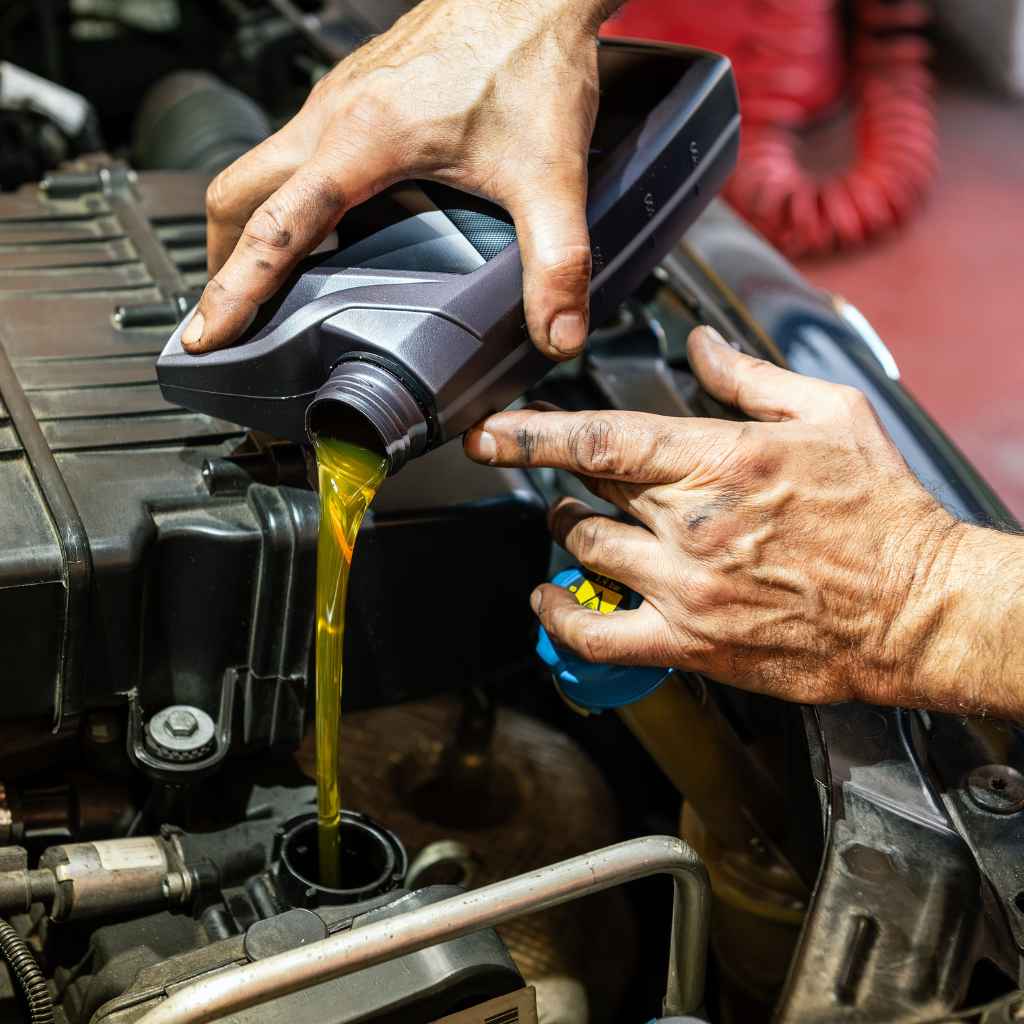
Checking Transmission Fluid 2009 Malibu Expert Local Steps
For your 2009 Malibu, knowing how to check the transmission fluid is a handy skill. While some cars make it as simple as checking engine oil, others have specific procedures. We will cover the most common method for your model, providing clear, expert local steps that anyone can follow.
The key to a successful transmission fluid check for your 2009 Malibu lies in preparation and following the correct procedure. It’s not overly complicated, but a few details can make all the difference in getting an accurate reading and ensuring your transmission stays healthy. We’ll guide you through gathering what you need and performing the check safely and effectively.
Gathering Your Supplies
Before you start, make sure you have everything ready. This includes safety items and the tools you’ll need for the job. Having these on hand will make the process go much smoother and prevent you from having to stop midway.
- Gloves: To keep your hands clean.
- Rags or Paper Towels: For wiping the dipstick and cleaning up any spills.
- Owner’s Manual: This is crucial, as it will detail the exact procedure for your specific 2009 Malibu, including the type of fluid needed.
- Transmission Fluid: If you need to add fluid, be sure to use the exact type recommended in your owner’s manual. Using the wrong type can cause serious damage.
It’s always best to consult your owner’s manual first. It’s your car’s ultimate guide and contains manufacturer-specific information that is vital for maintenance. It will confirm if your Malibu has a dipstick for transmission fluid and what to do if it doesn’t.
Locating the Transmission Dipstick
Finding the transmission dipstick is the first practical step. In many vehicles, it’s located near the engine. However, for some models, the transmission fluid is not checked with a dipstick, requiring a different method.
For the 2009 Malibu, it’s important to know where to look.
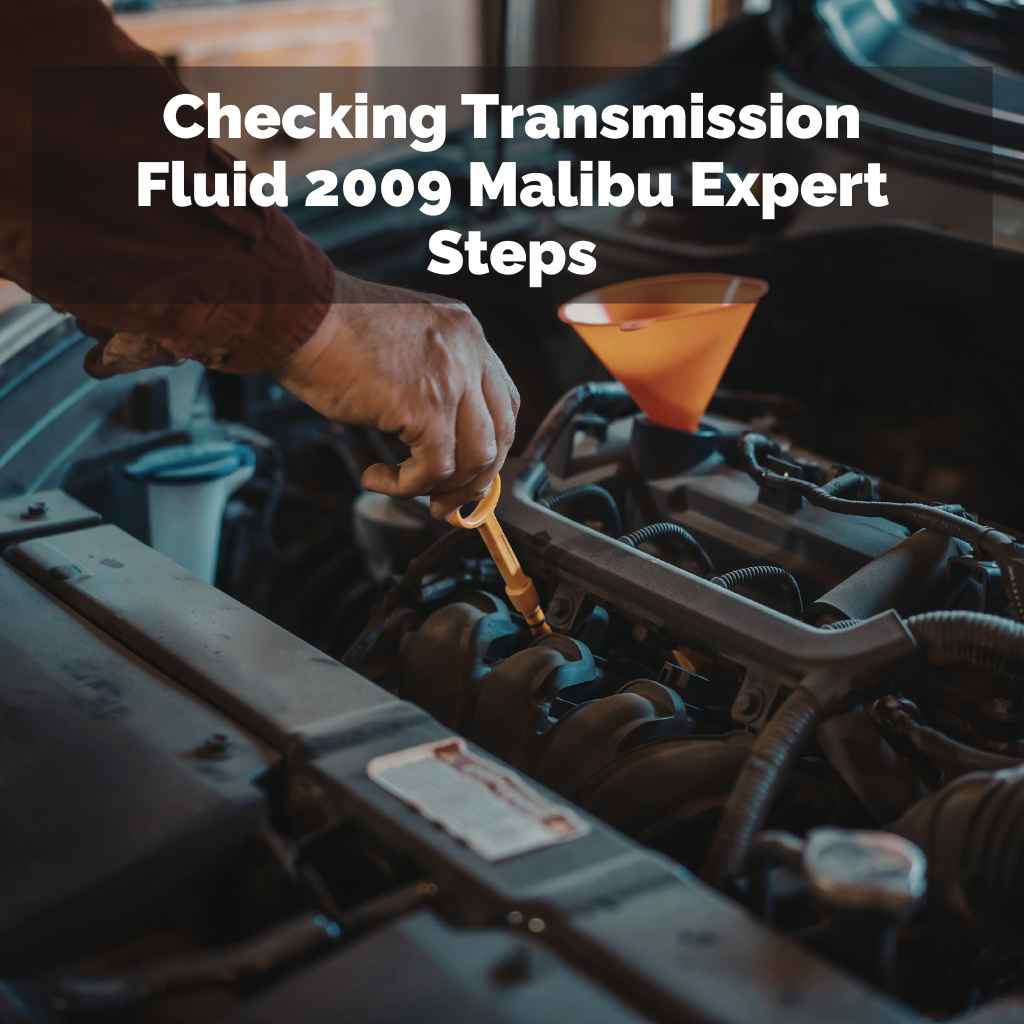
Your 2009 Malibu should have a transmission fluid dipstick. It’s usually a brightly colored loop or handle, often red or yellow, located towards the back of the engine bay. It might be labeled “Transmission” or have a similar marking.
If you have trouble finding it, refer to your owner’s manual.
The Step-by-Step Process
Now that you have your supplies and know where to look, let’s go through the steps for Checking Transmission Fluid 2009 Malibu: Expert Local Steps.
Warm Up the Engine: Start your car and let the engine run for about 10-15 minutes. The transmission fluid needs to be at operating temperature for an accurate reading. Drive the car briefly if needed.
Park on a Level Surface: Ensure your car is parked on a perfectly flat surface. This is critical for an accurate fluid level measurement.
Keep the Engine Running: With the car still in Park or Neutral (check your manual for the specific requirement for your 2009 Malibu, but typically Park is used), keep the engine running.
Locate and Pull the Dipstick: Find the transmission fluid dipstick (usually red or yellow). Pull it out completely.
Wipe the Dipstick Clean: Use a clean rag or paper towel to wipe the entire length of the dipstick clean.
Reinsert the Dipstick: Push the dipstick back into its tube until it is fully seated.
Pull the Dipstick Out Again: Remove the dipstick carefully.
Check the Fluid Level: Look at the end of the dipstick. You should see two marks indicating the “hot” and “cold” fluid levels. The fluid level should be between these marks, ideally closer to the “hot” mark since the engine is warm.
Inspect the Fluid Condition: The fluid should be bright red and clear. If it’s dark brown or black, or if it smells burnt, it’s time for a transmission fluid change. You may also see tiny metal particles, which indicate wear.
Add Fluid if Necessary: If the fluid level is low, add the correct type of transmission fluid in small increments, rechecking the level frequently until it reaches the proper mark. Do not overfill.
It’s vital to add fluid slowly. Overfilling can be just as damaging as having too little fluid. Add a little, wait a minute, and recheck.
Repeat until the level is correct.
What to Do If Fluid Is Low or Dirty
If you find that your transmission fluid is low or dirty, don’t panic. This is usually a sign that it’s time for maintenance. For a low fluid level, you’ll need to add the correct type of fluid as described above.
If the fluid is dark, smells burnt, or contains debris, it’s a stronger indicator that a transmission fluid flush and filter change is needed. This process removes old, degraded fluid and
- Low Fluid Levels: Add the specific type of transmission fluid recommended by the manufacturer. Use a funnel and add it slowly, checking the level often.
- Dark or Burnt Smelling Fluid: This suggests the fluid has overheated or broken down. A transmission fluid change is recommended.
- Fluid with Debris: Small metal particles or other debris in the fluid indicate wear inside the transmission. This requires immediate attention and likely a fluid and filter change.
The frequency of fluid checks and changes can vary based on driving conditions and mileage. Your owner’s manual will provide specific recommendations, but generally, checking it every few months or every other oil change is a good practice.
Understanding Fluid Types and Additives
Using the correct transmission fluid is critical for your 2009 Malibu. The manufacturer specifies a particular type of fluid for a reason. Different fluids have different friction modifiers, viscosity levels, and additive packages designed to work with the specific transmission components.
For your 2009 Malibu, General Motors (GM) typically recommends Dexron-VI transmission fluid. However, it is absolutely essential to confirm this in your owner’s manual. Using a fluid that isn’t compatible can lead to shifting problems, increased wear, and internal transmission damage.
Dexron-VI: This is a synthetic automatic transmission fluid developed by GM. It is known for its improved viscosity stability and resistance to thermal breakdown compared to older Dexron fluids. It’s designed for modern GM transmissions.
Friction Modifiers: These are chemicals that help the clutch plates engage smoothly and prevent slipping. Different transmission designs require specific friction characteristics.
Viscosity Index Improvers: These additives help the fluid maintain its thickness across a wide range of temperatures. A good viscosity index is important for proper lubrication at both cold start-up and high operating temperatures.
Anti-Wear Agents: These compounds protect metal surfaces from friction and abrasion, extending the life of transmission components.
Avoid using universal transmission fluids unless explicitly stated as compatible by the manufacturer for your specific vehicle. They might work in a pinch but can compromise long-term performance and durability.
When to See a Professional Mechanic
While checking your transmission fluid is a task many can do at home, there are times when it’s best to consult a professional. If you’re unsure about any step, uncomfortable with the process, or if you notice significant problems, a mechanic can help.
Common signs that warrant a professional visit include persistent shifting issues, loud noises that you can’t identify, leaks under your car, or if the fluid check reveals a serious problem like a transmission fluid cooler leak or internal damage.
- Uncertainty About the Process: If you’re not confident about locating the dipstick or interpreting the readings, a mechanic can show you.
- Persistent Shifting Problems: If adding fluid doesn’t resolve gear shifting issues, there might be a more complex mechanical problem.
- Loud or Unusual Noises: Strange sounds from the transmission area are a cause for concern and should be diagnosed by a professional.
- Visible Leaks: If you notice red or brown fluid puddles under your car, it indicates a leak that needs to be fixed.
- Fluid with Metal Shavings: This is a serious sign of internal transmission wear and requires immediate professional attention.
A mechanic has specialized tools and knowledge to diagnose and repair transmission issues accurately. They can perform a thorough transmission service, including checking for leaks, diagnosing sensor issues, and performing a full fluid flush and replacement if needed.
Troubleshooting Common Transmission Fluid Issues
Even with careful checking, you might encounter some common issues with your transmission fluid. Understanding these problems and their solutions can save you time and money.
The most frequent problems involve the fluid level being too low, too high, or the fluid quality degrading over time. Each of these can lead to distinct symptoms and require specific actions to correct.
Dealing With Low Transmission Fluid
If your transmission fluid is below the “cold” or “hot” mark on the dipstick, it needs to be topped up. This is often caused by minor leaks in the system or simply evaporation over a long period, though true evaporation is rare.
Cause of Low Fluid: The most common reason is a leak. This could be from a cracked transmission pan, a worn gasket, a leaky seal, or a problem with the transmission cooler lines. Your car might also be consuming fluid if there’s an internal seal issue, but this is less common.
Solution: First, add the recommended type of transmission fluid in small amounts. After adding fluid, drive the car for a few minutes to allow it to circulate, then recheck the level. If the level drops again quickly, you have a leak that needs to be found and repaired by a mechanic.
Ignoring a leak can lead to significant transmission damage.
Addressing Overfilled Transmission Fluid
While less common than low fluid, overfilling can also be detrimental. Too much fluid can cause foaming, which reduces the fluid’s ability to lubricate and cool effectively. Foaming can also push fluid into areas where it shouldn’t be, like the air vents of the transmission.
Cause of Overfilling: This usually happens when fluid is added without properly checking the level or when the wrong amount is added during a service. Some DIYers might add more fluid than needed, thinking “more is better.”
Solution: If you’ve accidentally overfilled, you’ll need to remove the excess fluid. This is typically done by draining some fluid from the transmission pan. If you’re unsure how to do this safely, a mechanic can quickly remove the extra amount for you.
The process involves slightly loosening the drain plug on the transmission pan or using a fluid extractor. It’s important to only remove enough to bring the level back within the recommended range.
Recognizing Fluid Degradation
Transmission fluid doesn’t last forever. Over time, it breaks down due to heat and the accumulation of contaminants. Degraded fluid loses its lubricating properties and can become acidic, corroding internal transmission parts.
Signs of Degradation: The fluid will change color from bright red to dark brown or black. It may also develop a burnt smell. The presence of tiny metal particles on the dipstick or in the fluid is another clear sign that the fluid is not performing its protective function.
Solution: A transmission fluid and filter change is the standard remedy. This involves draining the old fluid, replacing the transmission filter, and refilling with fresh fluid of the correct type. This service helps to restore the transmission’s performance and longevity.
For severe degradation, a transmission flush might be recommended, though some mechanics prefer a simpler drain and fill.
Maintenance Tips for Your 2009 Malibu Transmission
Proactive maintenance is the best way to ensure your transmission lasts for many years. Following a few simple tips can prevent common issues and keep your 2009 Malibu shifting smoothly.
Regular checks, timely fluid changes, and addressing small problems quickly are key. These habits will protect your investment and ensure reliable transportation.
- Regular Fluid Checks: Make it a habit to check your transmission fluid every few months, or at least every time you check your engine oil. This allows you to catch low levels or degradation early.
- Adhere to Fluid Change Intervals: Consult your owner’s manual for the recommended transmission fluid change intervals. Driving habits, such as frequent towing or stop-and-go traffic, may require more frequent changes.
- Use the Correct Fluid Type: Always use the exact transmission fluid specified in your owner’s manual. Using the wrong fluid can cause significant damage.
- Address Leaks Promptly: If you notice any red or brown fluid spots under your car, have them checked and repaired immediately. Small leaks can quickly become big problems.
- Avoid Harsh Driving: Aggressive acceleration, sudden braking, and high-speed driving for extended periods can put extra stress on your transmission.
By incorporating these simple maintenance practices into your routine, you significantly increase the lifespan and reliability of your 2009 Malibu’s transmission. It’s an investment in your car’s future.
Transmission Fluid Change Frequency
The frequency for changing transmission fluid varies greatly depending on the vehicle, the type of fluid used, and driving conditions. For a 2009 Malibu, General Motors usually recommends a fluid change interval based on mileage or time, whichever comes first.
Typically, for standard driving conditions, transmission fluid and filter changes are recommended somewhere between 30,000 to 100,000 miles. However, your owner’s manual is the definitive source for this information.
Normal Driving Conditions: This includes mostly highway driving and moderate city use. Follow the manufacturer’s schedule, often around 60,000-100,000 miles.
Severe Driving Conditions: This includes frequent towing, heavy hauling, stop-and-go city driving, driving in extreme temperatures, or off-road use. For these conditions, you might need to change the fluid more often, perhaps every 30,000-50,000 miles.
A proactive fluid change can prevent the fluid from breaking down and causing internal damage. It’s a relatively inexpensive maintenance item that can prevent very costly repairs.
The Benefits of a Transmission Fluid Flush
A transmission fluid flush is a more comprehensive service than a simple drain and fill. It uses special equipment to remove virtually all of the old fluid from the transmission, torque converter, and cooler lines, replacing it with new fluid.
Complete Fluid Replacement: A drain and fill typically only replaces about 40-50% of the transmission fluid, as much of it remains in the torque converter and valve body. A flush replaces nearly 100%.
Removal of Contaminants: The flushing process helps to dislodge and remove sludge, varnish, and debris that can accumulate in the transmission system over time. This is especially beneficial for transmissions with high mileage or those that haven’t had regular maintenance.
Restored Performance: By circulating fresh fluid and removing contaminants, a flush can help restore smooth shifting and overall transmission performance. It can sometimes resolve minor shifting issues caused by degraded fluid.
However, it’s worth noting that a flush is not always recommended for very high-mileage transmissions with a history of poor maintenance. In some rare cases, the disturbance caused by a flush could dislodge existing sludge and cause new problems. Always discuss the best approach with a trusted mechanic.

Frequently Asked Questions
Question: How often should I check my transmission fluid?
Answer: It’s a good idea to check your transmission fluid every few months or at least every other time you change your engine oil. This regular check helps catch any issues early.
Question: What happens if I don’t check my transmission fluid?
Answer: If you don’t check your transmission fluid, it can lead to low levels, which causes overheating and increased wear on transmission parts. This can result in expensive repairs or even complete transmission failure.
Question: Can I use regular motor oil as transmission fluid?
Answer: No, you should never use motor oil as transmission fluid. Transmission fluid has specific properties needed for the transmission’s operation, and motor oil will not work correctly and can cause damage.
Question: My 2009 Malibu’s transmission fluid smells burnt. What should I do?
Answer: A burnt smell usually means the fluid is overheated or has broken down. You should have your transmission fluid checked and likely replaced by a mechanic as soon as possible.
Question: Is checking transmission fluid the same for all cars?
Answer: No, the process can vary. Some cars have a dipstick like your 2009 Malibu, while others require checking the fluid level through a fill plug, often needing the car to be on a lift. Always consult your owner’s manual.
Wrap Up
Keeping your 2009 Malibu’s transmission healthy is manageable. By following these expert local steps for checking transmission fluid and performing regular maintenance, you ensure smooth operation and avoid costly repairs. Your car will thank you with reliable performance.
Products related to this article
Sponsored / affiliate links. As an Amazon Associate I earn from qualifying purchases. I may earn additional commission from eligible campaigns.