Restart Car Alarm: Your Essential and Genius Guide
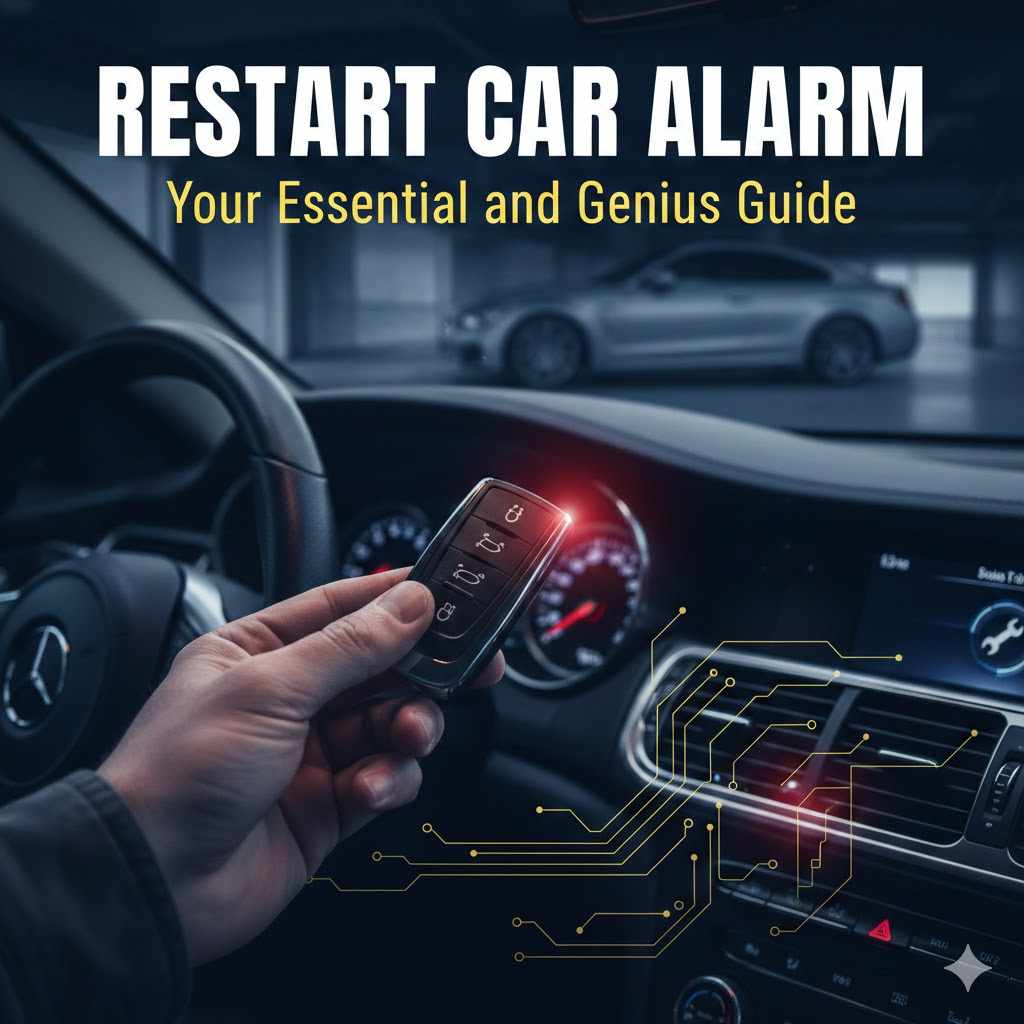
To restart your car alarm, use your key fob to lock and then unlock the doors. If this doesn’t work, insert your key into the driver’s side door and turn it to unlock. As a next step, try starting the engine. For persistent issues, a simple battery reset often solves the problem.
Has your car alarm ever started blaring for no reason? Or maybe it won’t turn off, no matter what you do. It’s a frustrating problem that can wake up the whole neighborhood. You might feel helpless, but don’t worry. Fixing a misbehaving car alarm is often much easier than you think. You don’t need to be a mechanic to get it sorted out.
In this guide, I’ll walk you through the simple, safe steps to restart your car alarm. We will cover everything from the easiest fixes to slightly more advanced tricks. Let’s get your car back to being quiet and secure, so you can have peace of mind.
Why Car Alarms Go Rogue: Understanding the Common Causes
Before we dive into the fixes, it helps to know why your car alarm is acting up in the first place. Think of it like a guard dog that’s a little too jumpy. Understanding the cause can help you fix it faster and prevent it from happening again. Here are the most common culprits.
1. Low Key Fob Battery
Your key fob sends a signal to your car to arm or disarm the alarm. When its battery is dying, the signal becomes weak or inconsistent. Your car might not “hear” the command to turn the alarm off, leaving it blaring. This is often the simplest fix!
2. A Weak or Dying Car Battery
The car’s main battery powers everything, including the alarm system. When the battery’s voltage drops, it can cause the car’s computer to get confused. This electrical confusion can trigger the alarm randomly or prevent it from turning off. You might also notice dim headlights or trouble starting the car.
3. Sensitive or Faulty Sensors
Modern car alarms use different types of sensors to detect threats:
- Shock Sensors: These detect impacts, like someone hitting your car. If they are too sensitive, a strong gust of wind, a passing truck, or even a cat jumping on the hood can set them off.
- Door Sensors: These sensors check if the doors, hood, or trunk are properly closed. If one is faulty or a door isn’t shut all the way, the alarm might think someone is trying to break in.
- Voltage Sensors: These detect a drop in electrical voltage, such as when an interior light turns on from an opened door. A faulty electrical component can trigger this sensor.
4. A Recent Break-In Attempt
This is a serious but important possibility. If a burglar tried to override your alarm system, they might have damaged the wiring or the alarm control module itself. In this case, the alarm might go off continuously or fail to arm correctly because its internal system has been compromised. You might see signs of forced entry on your door locks or windows.
5. Poor Installation (Aftermarket Alarms)
If you have an aftermarket alarm (one that didn’t come with the car from the factory), a poor installation job is a common source of problems. Loose wires, bad connections, or an improperly grounded system can lead to all sorts of frustrating and random alarm triggers.
| Symptom | Most Likely Cause | Quick Check |
|---|---|---|
| Alarm won’t turn off with key fob. | Dead key fob battery. | Try your spare key fob or use the physical key in the door. |
| Alarm goes off randomly, day or night. | Overly sensitive shock sensor or weak car battery. | Notice if it happens during windy weather. Check your headlights for dimness. |
| Alarm goes off right after you lock the doors. | A door, hood, or trunk sensor is faulty. | Open and firmly shut all doors, the hood, and the trunk. |
| Alarm system is completely unresponsive. | Blown fuse or severe battery issue. | Check the car’s interior lights. If they don’t work, it’s likely the battery. |
Safety First: A Quick Checklist Before You Begin
Your safety is the number one priority. Before you start touching wires or fuses, take a moment to run through this quick checklist. It will keep you safe and prevent any accidental damage to your car’s electrical system.
- Work in a Safe, Well-Lit Area: If possible, work in your garage or a well-lit driveway. Avoid working on the side of a busy street.
- Turn Off the Engine: Make sure your car is off and the keys are out of the ignition before you inspect fuses or disconnect the battery.
- Wear Protective Gear: Safety glasses and gloves are always a good idea, especially when you are working near the battery.
- Have Your Owner’s Manual Handy: This booklet is your car’s bible. It will show you where the fuse box is located and provide other critical information. If you’ve lost it, you can often find a digital version on the manufacturer’s website.
- Know Your Limits: These steps are for basic resets. If you see frayed wires, smell burning plastic, or feel uncomfortable at any point, it’s time to call a professional.
Your Step-by-Step Guide to Restarting a Car Alarm
Ready to silence that alarm for good? Let’s go through the solutions, starting with the easiest and working our way up. Try these in order, as the simplest fix is often the right one.
Method 1: The Classic Fixes (Key Fob and Door Lock)
These two steps solve the problem more than 90% of the time. They are designed by car manufacturers as the primary way to control your alarm.
- Use the Key Fob: Stand near your car and press the “unlock” button on your key fob. Sometimes, the car just needs to receive a clear signal. If that doesn’t work, try pressing the “lock” button, followed by the “unlock” button. You can also try the “panic” button, letting it sound for a few seconds before pressing it again to turn it off. This can reset the alarm’s state.
- Use the Physical Key: If the key fob fails (likely due to a dead battery), use the physical key that’s hidden inside it. Insert the key into the driver’s side door lock. Turn it to unlock the car, then turn it to lock it. This physical action often tells the car’s computer that the rightful owner is present, deactivating the alarm. For some cars, you may need to turn the key to the unlock position and hold it there for a couple of seconds.
Method 2: Start the Car’s Engine
Starting your car is another official way to tell the security system that everything is okay. The ignition process communicates with the car’s main computer, which can override and reset the alarm module.
- Get inside your car (even if the alarm is still going off).
- Insert the key into the ignition and turn it to the “On” or “Acc” position (where the radio and lights turn on, but the engine isn’t running).
- Leave it in this position for a minute or two. This can sometimes be enough to reset the system.
- After a minute, turn the key to start the engine. In most cases, the alarm will shut off immediately.
Method 3: Check Your Car’s Battery Health
A weak battery sends confusing signals throughout your car’s electrical system, and the alarm is often the first thing to act up. Check for these signs of a failing battery:
- The engine cranks slowly when you try to start it.
- Your headlights and interior lights are dim.
- You see a battery warning light on your dashboard.
- The battery is more than 3-5 years old.
If you suspect a battery issue, you can get it tested for free at most auto parts stores. A simple resource for understanding battery health is the U.S. Department of Energy‘s guide on battery function, which helps explain why stable voltage is so important.
Method 4: Perform a Battery Reset (The “Hard Reset”)
If the simple fixes don’t work, a battery reset is the next logical step. Disconnecting the battery cuts power to the car’s computer, forcing it to reboot and clear any glitches—including the one setting off your alarm. It sounds technical, but it’s quite simple if you follow the steps carefully.
- Open the Hood: Secure it with the prop rod.
- Identify the Battery Terminals: You will see two terminals. The negative terminal is usually black and marked with a minus sign (-). The positive is usually red and marked with a plus sign (+).
- Disconnect the Negative Terminal: Using a wrench (usually 10mm), loosen the nut on the negative terminal clamp. You only need to loosen it enough to wiggle the cable off the post. You do NOT need to disconnect the positive terminal. Tucking the disconnected negative cable to the side ensures it won’t accidentally touch the terminal again.
- Wait Patiently: Leave the battery disconnected for about 15-20 minutes. This gives all the car’s electronic modules enough time to fully power down and reset their memory.
- Reconnect the Negative Terminal: Place the cable back onto the negative post and tighten the nut with your wrench. Make sure it’s snug but don’t overtighten it.
- Test It Out: Close the hood, get in your car, and start the engine. The alarm should now be reset. You may need to reset your radio presets and clock.
Method 5: Inspect the Alarm Fuse
A fuse is a small safety device that protects an electrical circuit from damage. A blown fuse in the alarm circuit could cause it to malfunction. Your owner’s manual is your best friend here, as it will show you exactly where your fuse boxes are and which fuse belongs to the alarm.
- Locate Your Fuse Box(es): Most cars have two fuse boxes—one in the engine bay and one inside the cabin (often near the driver’s left knee or behind the glove box).
- Find the Alarm Fuse: Check the diagram on the back of the fuse box cover or in your owner’s manual. It might be labeled “Alarm,” “Security,” or “Horn.”
- Remove the Fuse: Use the small fuse puller tool usually included in the fuse box, or a pair of needle-nose pliers, to gently pull the fuse out.
- Inspect the Fuse: Hold the fuse up to the light. You should see a small metal strip inside. If that strip is broken or looks burnt, the fuse is blown and needs to be replaced.
- Replace if Necessary: Replace the blown fuse with a new one of the exact same amperage. Using a higher amperage fuse is a fire hazard. For general information on vehicle safety standards, including electrical systems, the National Highway Traffic Safety Administration (NHTSA) is an excellent resource.
Method 6: Find and Use the Valet Switch
Many aftermarket alarm systems (and some factory ones) have a secret weapon: the valet switch. This is a small button or toggle switch hidden somewhere in the car, usually under the dashboard on the driver’s side. Its purpose is to temporarily disable the alarm system, for example, when a valet is parking your car.
Finding it can be a small treasure hunt. Look for a small, unlabeled button or switch near your knees, by the hood release lever, or on the side of the center console. Once you find it, the reset procedure is usually simple:
- Put the key in the ignition and turn it to the “On” position.
- Press and hold the valet switch for a few seconds until you hear a chirp from the alarm or see the alarm light on the dash change its pattern.
- Turn the ignition off. This should reset the system.
Factory vs. Aftermarket Alarms: What’s the Difference?
Knowing what kind of alarm you have can help you troubleshoot it better. A factory alarm is built-in by the car manufacturer, while an aftermarket alarm is installed later.
| Feature | Factory Alarm | Aftermarket Alarm |
|---|---|---|
| Control | Integrated into your main key fob. | Often has a separate, dedicated fob. |
| Reset Method | Responds well to key-in-door, ignition cycle, and battery reset. | Often has a specific valet switch or a more complex reset procedure. |
| Complexity | Simpler, usually just monitors doors, hood, and trunk. | Can be more complex with shock sensors, proximity sensors, and remote start. |
| Troubleshooting | Information is readily available in the owner’s manual. | May require tracking down the manual for that specific alarm brand (e.g., Viper, Clifford). |
When to Call a Professional Mechanic
You can solve most alarm issues yourself with the steps above. However, some problems need an expert touch. Don’t hesitate to call a trusted mechanic if you encounter any of the following:
- You Suspect a Break-In: If you see signs of tampering like damaged door locks, broken window seals, or cut wires under the dash, your first call should be to the police, followed by a mechanic. They need to assess the damage to the security system.
- The Problem Keeps Coming Back: If you reset the alarm and it starts acting up again within a day or two, there’s likely an underlying electrical issue that needs professional diagnosis.
- You Smell Burning Plastic or See Smoke: This is a major red flag for a serious electrical short. Disconnect the battery immediately (if it is safe to do so) and call for a tow. Do not attempt to drive the car.
- You’re Simply Not Comfortable: There is no shame in knowing your limits. If you’re not comfortable disconnecting a battery or digging into a fuse box, a mechanic can handle it quickly and safely.
Frequently Asked Questions (FAQ)
1. Why does my car alarm go off randomly for no reason?
The most common causes are an overly sensitive shock sensor, a low car battery providing unstable voltage, or a faulty sensor on a door, hood, or trunk that makes the system think it’s being opened.
2. Can a dying key fob battery trigger the car alarm?
Not directly, but it can prevent you from turning the alarm off. If the fob’s signal is too weak for the car to receive the “unlock” command, the alarm will continue to sound.
3. Will disconnecting the car battery harm my car?
No, it will not harm your car. Performing a battery reset is a standard diagnostic procedure. The only inconvenience is that it will reset your radio presets, trip meter, and clock. Your car’s main computer will relearn its settings as you drive.
4. How much does it cost to fix a car alarm?
The cost can vary greatly. A simple fix like replacing a key fob battery costs only a few dollars. If a sensor needs to be replaced, it could be $100-$250. A more complex electrical issue or a faulty alarm control module could cost several hundred dollars to diagnose and repair.
5. Can I just disable my car alarm permanently?
Yes, it’s possible, but not always recommended. A mechanic can disable it by removing the main fuse or disconnecting the alarm’s control module. However, this will leave your car unprotected and may even cause your insurance premium to increase.
6. Where is the valet switch usually located?
The valet switch is almost always hidden but accessible from the driver’s seat. Check under the dashboard near your knees, on the driver’s side kick panel (by your left foot), or inside the glove box.
7. My alarm went off after someone tried to break in. What should I do?
First, ensure you are safe and report the incident to the police. Do not try to fix it yourself right away. A break-in attempt can cause hidden damage to the wiring. It’s best to have a professional mechanic inspect the security system thoroughly to ensure it is functioning correctly and is secure.
Conclusion: You’ve Got This!
A car alarm that won’t cooperate is one of the most annoying issues a car owner can face. But as you’ve seen, the solution is often simple and requires no special tools or mechanical genius. By following these steps—from using your key fob to checking the battery and fuses—you can take control of the situation and restore peace and quiet.
Remember to always prioritize safety and trust your instincts. You are more capable than you think, and handling these small repairs builds confidence for the road ahead. Now you not only know how to restart your car alarm, but you also understand why it happens, empowering you to keep your vehicle safe and sound.