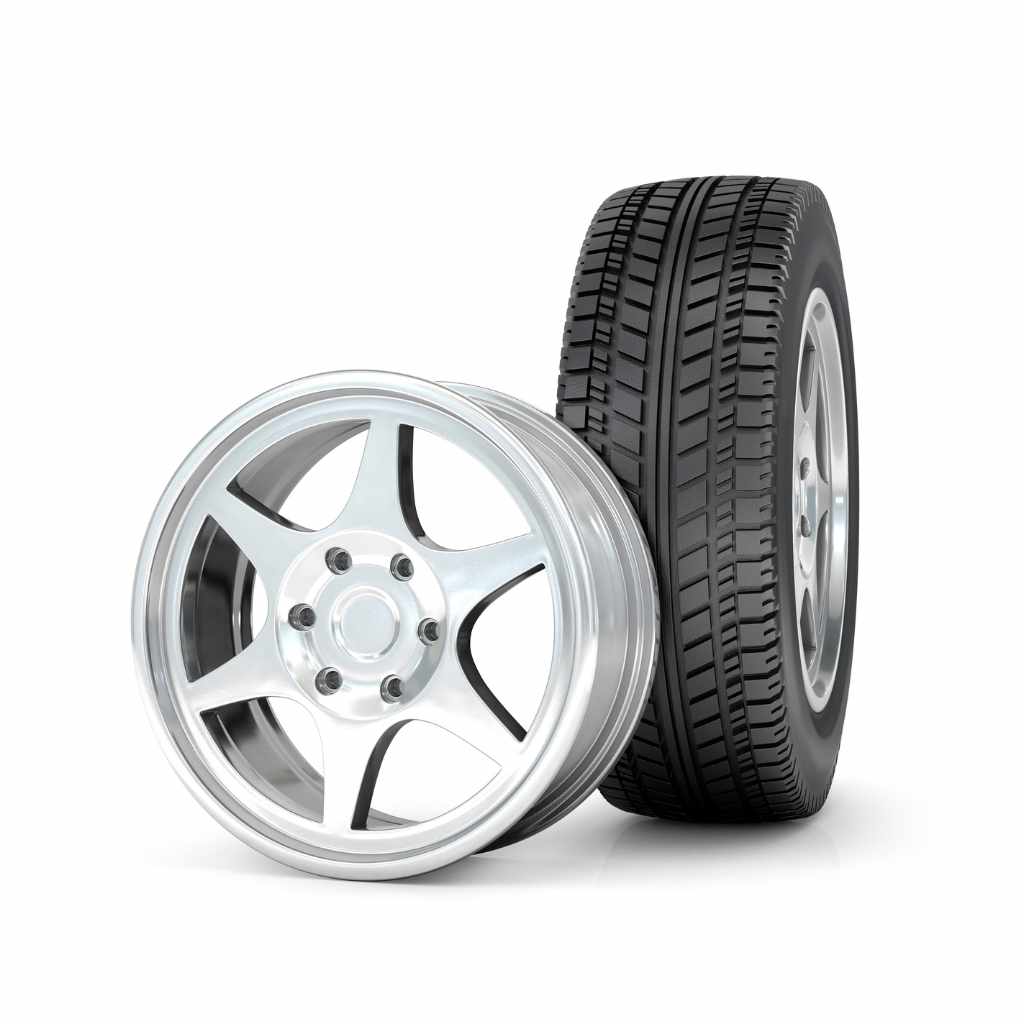
What Are Car Rims Made Of? Materials Compared
Wondering What Are Car Rims Made Of? Materials Compared can feel a bit tricky when you’re just starting out. There are different types, and knowing which is best can be confusing.
But don’t worry, we’re going to break it all down for you super simply, step by step. Get ready to learn all about what makes your wheels tick!
Understanding Car Rim Materials
Car rims, also called wheels, are more than just round things that hold your tires. They play a big role in how your car looks, handles, and even how much gas it uses. The material they’re made from is super important because it affects their strength, weight, and cost. When you look at cars, you’ll see a few main types of rims, each with its own good and not-so-good points. Knowing these differences helps you understand why some rims are cheaper or lighter than others, and why certain cars come with specific types.
Steel Rims
Steel rims are the old reliable of the car world. They’ve been around forever and are found on a lot of base model cars and trucks. They’re made from strong steel, which is basically iron mixed with carbon. This makes them very tough and able to take a beating, like when you hit a pothole. Because they are so tough, they are less likely to bend or crack easily compared to other materials.
One of the biggest advantages of steel rims is their cost. They are the cheapest to make, which is why manufacturers use them on less expensive vehicles. They are also easy to repair. If a steel rim gets bent, a mechanic can often fix it without needing to replace the whole thing.
However, steel rims have some downsides. The main one is their weight. They are quite heavy, and this extra weight can affect your car’s fuel efficiency. Heavier wheels mean the engine has to work harder to turn them, burning more gas. They also don’t look as fancy as other types of rims. Most steel rims have a plain, utilitarian look and are often covered by a plastic or metal hubcap to make them look better.
Pros of Steel Rims
- Very strong and durable
- Low cost to produce and buy
- Easy to repair
- Resistant to damage from impacts
Cons of Steel Rims
- Very heavy, affecting fuel economy
- Plain appearance
- Can rust if not protected
Alloy Rims
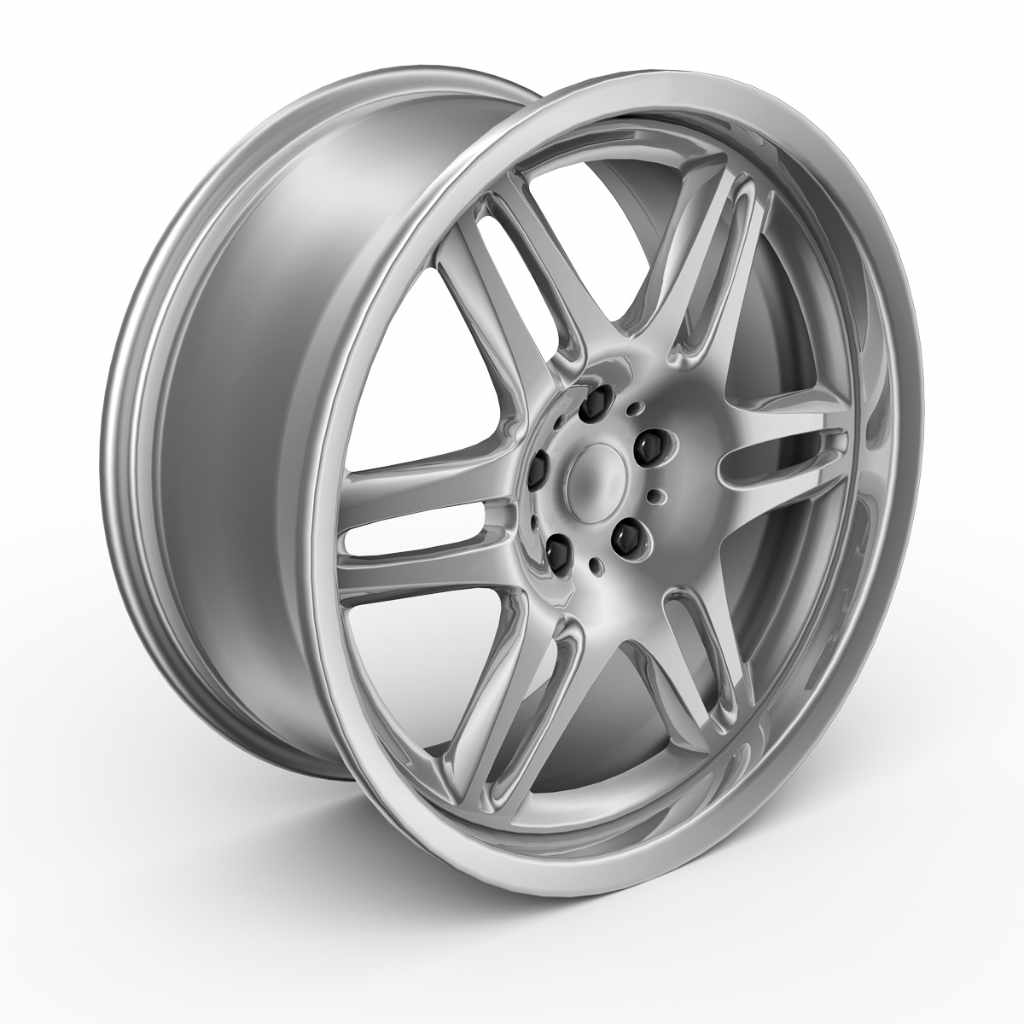
Alloy rims are a very popular choice for many cars, from sporty sedans to luxury SUVs. “Alloy” means a mix of metals. Most car alloy rims are made from aluminum mixed with other metals like magnesium, nickel, or copper. These additions help make the aluminum stronger and more durable.
The biggest advantage of alloy rims is their weight. They are significantly lighter than steel rims. This lighter weight means your car can accelerate faster, brake better, and get better gas mileage because the engine doesn’t have to work as hard. Plus, alloy rims look great. They can be cast or forged into many different, stylish designs, which is why they are often seen as an upgrade from steel wheels. They give cars a more premium and sporty look.
However, alloy rims are also more expensive than steel rims. The manufacturing process is more complex, and the materials themselves cost more. They are also generally less resistant to damage from severe impacts than steel. While they are strong, a hard hit can cause them to crack or bend more easily than steel. Repairing damaged alloy rims can also be more costly, and sometimes they need to be replaced entirely.
There are different types of alloy rims based on how they’re made.
Cast Alloy Rims
These are the most common type. They are made by pouring molten aluminum alloy into a mold. This process is relatively inexpensive but can sometimes create small air bubbles or imperfections within the metal, making them slightly less strong than forged alloys. They are still much lighter and better looking than steel.
Forged Alloy Rims
These are made by taking a solid block of aluminum alloy and using immense pressure and heat to shape it. This process forces the metal molecules closer together, creating a very dense, strong, and lightweight rim. Forged alloy rims are typically stronger and lighter than cast alloy rims but are also considerably more expensive. They are often found on high-performance cars.
| Feature | Cast Alloy | Forged Alloy |
|---|---|---|
| Manufacturing | Molten metal poured into mold | Solid metal shaped under high pressure |
| Strength | Good | Excellent |
| Weight | Light | Very Light |
| Cost | Moderate | High |
Pros of Alloy Rims
- Lightweight, improving performance and fuel economy
- Attractive designs and finishes
- Can be molded into complex shapes
- Resistant to rust
Cons of Alloy Rims
- More expensive than steel
- Can be more prone to damage from severe impacts
- Repair can be costly
Chrome Rims
When people talk about chrome rims, they usually mean alloy rims that have been coated with a layer of chrome. Chrome plating is a finishing process where a thin layer of chromium metal is electroplated onto the surface of another metal, typically steel or aluminum alloy. This gives the rim a very shiny, mirror-like, and attractive appearance.
Chrome plating is done for both looks and protection. The shiny chrome finish can make a car stand out and look very luxurious. It also adds a layer of protection against corrosion, though it’s not foolproof.
However, true chrome-plated rims are usually steel rims that have been chromed. These are very heavy, like regular steel rims, but with a shiny finish. More commonly today, when people refer to “chrome rims,” they are often talking about alloy rims that have a chrome-like finish achieved through other plating methods or a bright polished aluminum. These will still have the weight and performance benefits of alloy wheels.
The biggest drawback of chrome plating, especially on steel rims, is its tendency to chip or peel over time, particularly in harsh weather conditions or if the protective coating is damaged. Once the chrome starts to fail, the metal underneath can corrode. Chrome wheels, especially genuine chrome-plated ones, can also be quite expensive.
Pros of Chrome Rims
- Extremely shiny and attractive appearance
- Can add a luxurious look
- Provides some corrosion resistance
Cons of Chrome Rims
- Can be very expensive
- May chip or peel over time
- Can be heavy if based on steel
- Requires careful maintenance to preserve finish
Carbon Fiber Rims
Carbon fiber rims are the new kid on the block, representing the cutting edge of wheel technology. They are made from carbon fiber, which is a material made of very thin strands of carbon woven together and then bonded with a resin. This creates a material that is incredibly strong yet extremely lightweight.
The main advantage of carbon fiber rims is their astonishingly low weight. They are significantly lighter than even the lightest alloy rims. This extreme lightness leads to massive improvements in a car’s performance. It reduces the unsprung weight (the weight not supported by the suspension), which allows the suspension to work more effectively, improving handling, ride comfort, and reducing braking distances. They also offer a huge boost to fuel efficiency.
Carbon fiber is also incredibly strong and can be molded into aerodynamic shapes that further enhance performance. This is why they are often found on high-performance sports cars, supercars, and race cars.
However, carbon fiber rims come with a very high price tag. The manufacturing process is complex and expensive, and the raw materials are costly. While very strong, carbon fiber can be brittle. Under certain types of severe impact, it might fracture or shatter rather than bend, which can be a safety concern and make repairs difficult or impossible. For these reasons, they are not practical for everyday vehicles.
Pros of Carbon Fiber Rims
- Extremely lightweight, offering significant performance gains
- Very strong
- Can be molded into advanced aerodynamic shapes
- Excellent fuel efficiency
Cons of Carbon Fiber Rims
- Extremely expensive
- Can be brittle and may fracture on impact
- Repairs can be difficult or impossible
- Not practical for most everyday vehicles
What Are Car Rims Made Of? Materials Compared
When we look at What Are Car Rims Made Of? Materials Compared, it’s clear that each material offers a different balance of benefits and drawbacks. The choice of material directly influences a rim’s performance, durability, appearance, and cost.
Here’s a quick look at how the main materials stack up:
| Material | Typical Weight | Strength | Durability | Appearance | Cost | Best For |
|---|---|---|---|---|---|---|
| Steel | Heavy | High | High | Plain, often covered | Low | Budget cars, trucks, off-road |
| Alloy (Cast) | Light | Good | Good | Stylish, varied designs | Moderate | Most passenger cars, performance vehicles |
| Alloy (Forged) | Very Light | Very High | Very Good | Premium, intricate designs | High | High-performance sports cars |
| Chrome Plated (on Alloy) | Light | Good | Good (finish dependent) | Very Shiny, mirror-like | Moderate to High | Cars where appearance is key |
| Carbon Fiber | Extremely Light | Very High | Good (can be brittle) | Modern, sporty | Very High | Racing, exotic sports cars |
Choosing the Right Rim Material
The best rim material for you depends on what you value most.
If you’re on a tight budget and need something tough that can handle rough roads, steel rims are a solid choice. They are the most affordable and can take a lot of abuse.
For most car owners, alloy rims offer the best all-around package. They provide a good balance of being lightweight for better performance and fuel economy, looking good with many stylish designs, and being reasonably durable.
If you want the absolute best performance and weight savings and have the budget for it, forged alloy or carbon fiber rims are the way to go. These are usually for performance enthusiasts or those looking for the most advanced technology.
Chrome plating is mostly about looks. If you want a super shiny, eye-catching wheel and are willing to pay for it and maintain it carefully, it’s an option, but often achieved with polished or bright-finished alloy wheels.
Frequently Asked Questions
Question: Are steel rims bad for fuel economy?
Answer: Yes, steel rims are heavier than alloy rims. This extra weight means your engine has to work harder to get the car moving and keep it rolling, which uses more fuel. So, while they are tough, they can make your car less fuel-efficient.
Question: Can alloy rims be repaired?
Answer: Yes, alloy rims can often be repaired. Minor bends or scratches can sometimes be fixed by professionals. However, severe damage like cracks or significant warping might mean the rim needs to be replaced.
Question: Are chrome rims real metal?
Answer: When people say “chrome rims,” they often mean alloy rims that have been finished to look like chrome, or sometimes steel rims that have been plated with a layer of chromium metal. So, the base wheel is usually steel or alloy, and the shiny finish is the chrome part.
Question: Are carbon fiber rims safe for daily driving?
Answer: While carbon fiber is very strong, it can also be brittle. For daily driving with potential bumps and impacts, steel or alloy rims are generally considered safer and more practical because they tend to bend rather than shatter. Carbon fiber is best for controlled environments like racing.
Question: Which rim material is the lightest?
Answer: Carbon fiber rims are the lightest type of car rim available. They offer significant weight savings compared to alloy or steel wheels, which greatly benefits a vehicle’s performance.
Final Thoughts
So, when we look at What Are Car Rims Made Of? Materials Compared, it’s clear that each option has its own strengths. Steel rims are tough and affordable, great for durability and budget-conscious choices. Alloy rims offer a fantastic blend of lighter weight for better performance and fuel saving, along with stylish looks that many drivers appreciate. For those seeking the ultimate in lightweight performance, forged alloy and carbon fiber push the boundaries, though at a much higher cost. Chrome finishes are all about making a statement with that striking, reflective shine.
Choosing the right rim material is about finding what fits your driving needs and priorities best. Think about your budget, how you use your car, and what look you prefer. Whether you prioritize strength, weight, appearance, or cost, there’s a rim material out there that will suit your vehicle and your lifestyle. Explore your options and make a choice that enhances both your car’s performance and its presence on the road.