What Are Automotive Accessories? Definition and Examples
Automotive accessories are optional add-ons that improve convenience, style, protection, or safety without being required for the vehicle to run; if a component is needed for operation, it is a part, not an accessory. Mixing them up can waste money, create fitment problems, and affect safety decisions. This guide defines accessories, separates them from core parts with a simple test, and gives common examples in each category.
What are automotive accessories?
Automotive accessories are non-essential automotive parts or add-ons that change how a vehicle looks, feels, or functions without being necessary for driving. They can add comfort, organization, cargo capacity, or styling. The category includes interior and exterior items, and it can also include electronics and entertainment products.
A simple definition that holds up
Think of an accessory as an extra component or feature. It may protect the cabin, make daily use easier, or personalize the car. It does not replace a required system such as braking, steering, cooling, or engine operation.
Why accessories are optional
F1 and F5 give the cleanest line: automotive accessories are non-essential, while essential and typical parts belong to auto parts, not accessories. That means a car can run without floor mats, roof racks, seat covers, or phone mounts. It cannot run without the parts that make the vehicle function.
Interior and exterior categories
Interior accessories live in the cabin and cargo area. Exterior accessories attach outside the vehicle or change what it can carry, such as roof racks and body kits. Some items sit near the boundary, especially electronics, mounts, and lighting add-ons.
What is the difference between automotive accessories and car parts?
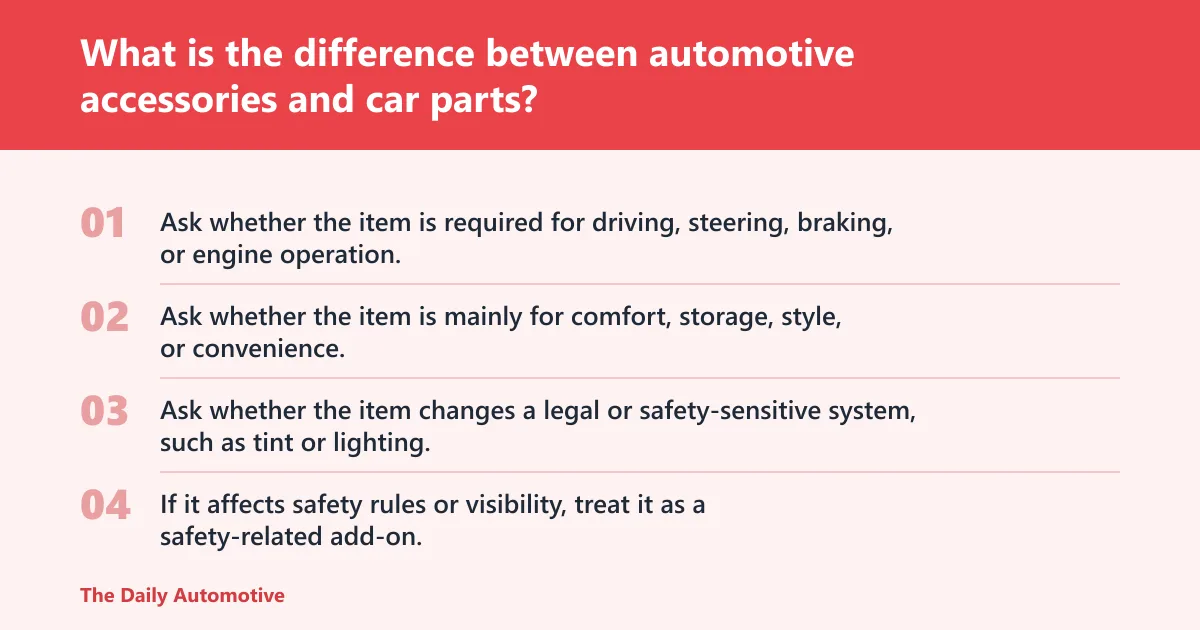
Car parts are essential components the vehicle needs to function, while automotive accessories are optional additions that improve appearance, functionality, comfort, or convenience. A practical test asks whether removing the item would stop the car from operating. If yes, it is a part. If not, it is usually an accessory or a safety-related add-on.
The boundary test
- Ask whether the item is required for driving, steering, braking, or engine operation.
- Ask whether the item is mainly for comfort, storage, style, or convenience.
- Ask whether the item changes a legal or safety-sensitive system, such as tint or lighting.
- If it affects safety rules or visibility, treat it as a safety-related add-on, not a casual cosmetic item.
Where safety-related add-ons fit
Some accessories do more than decorate. Window tint, auxiliary lighting, and certain mounts can affect visibility, driver attention, or legal compliance. They are still often sold as accessories, but buyers should treat them as safety-sensitive equipment. That means checking vehicle fit, local rules, and how the item alters the driver’s view or the car’s lighting pattern.
What counts as a part
Anything needed to run the car belongs in the parts bucket. Engine components, belts, brakes, tires, battery basics, and major electrical hardware are not accessories. Accessories may connect to those systems, but they do not replace them.

What are examples of automotive accessories?
Common examples include floor mats, seat covers, roof racks, phone mounts, GPS systems, organizers, sunshades, decals, lighting kits, and cargo carriers. Some improve comfort or storage. Others are about style or personalization. A few sit close to safety or legality, so the exact use case matters.
Common interior examples
Floor mats protect carpeting from dirt and water. Seat covers help limit wear and can improve comfort. Console trays, organizers, chargers, and phone mounts make daily use easier. GPS systems also fit here as a technology-based convenience accessory, especially when built for navigation rather than vehicle operation.
Common exterior examples
Roof racks add cargo-carrying utility. Body kits change appearance and can alter airflow. Spoilers and wings are exterior add-ons that affect styling and, in some setups, aerodynamics. Decals and trim pieces are also common. They personalize the car, but they are not needed for the car to move.
Examples by job
Protection examples include floor mats and seat covers. Convenience examples include phone mounts, chargers, and organizers. Style examples include LED lighting kits, decals, body kits, and some spoiler or wing packages. Utility examples include roof racks and cargo boxes.
Must-have
The must-have group for most drivers is small: floor mats, seat covers, and a safe phone-mounting and charging setup. These items are not required for operation, but they solve daily wear, comfort, and navigation problems. They are also among the easiest accessories to justify on a cost-versus-use basis.
 As an Amazon Associate we earn from qualifying purchases. Prices and availability are accurate as of the date shown and are subject to change.

Motor Trend FlexTough Floor Mats are a practical interior accessory because they protect the cabin floor from mud, slush, and spills. The trim-to-fit format helps with universal use, but the tradeoff is obvious: universal fit can mean extra trimming and a less tailored edge on some vehicles.
What to look for: deep channels, easy cleanup, and enough coverage for the footwell. The downside is that loose sizing can interfere with pedals if fitted badly, so careful trimming matters.
As an Amazon Associate we earn from qualifying purchases. Prices and availability are accurate as of the date shown and are subject to change.

Yeolpise Steering Wheel Cover is a comfort-and-wear accessory that can improve grip and reduce visible wear on the wheel. Its specific Tesla fit is a strength, but it also narrows compatibility. Buyers should confirm their exact wheel size and trim before ordering.
The drawback is installation. Hand-sewn wraps can take more effort than slip-on covers, and a poor fit may feel bulky or shift over time if installed carelessly.
As an Amazon Associate we earn from qualifying purchases. Prices and availability are accurate as of the date shown and are subject to change.

Teeran Wireless CarPlay and Android Auto Adapter is a convenience accessory for drivers whose factory system already supports wired phone integration. It adds wireless use without replacing the head unit. The limitation is compatibility: if the vehicle or phone setup does not match, the adapter becomes dead weight.
Look for stable reconnection, OEM control retention, and simple pairing. The tradeoff is that wireless adapters can add lag or occasional connection hiccups compared with a direct cable.
Nice-to-have
Nice-to-have accessories solve a specific use case rather than a daily baseline need. Roof racks, cargo boxes, organizers, GPS systems, sunshades, and style add-ons belong here for many owners. They make the car better for travel, commuting, or personalization, but not every driver needs them.
What to choose for cargo and travel
Roof racks are the clearest exterior utility accessory. Cargo boxes and trunk organizers also fit here because they expand storage without changing the vehicle’s core function. Choose these when you carry sports gear, luggage, or work equipment often enough to justify the bulk and wind noise.
What to choose for comfort and convenience
GPS systems, sunshades, console trays, and charging accessories help daily driving feel less cluttered. A common first-timer mistake is buying a bulky accessory for one road trip, then leaving it in place all year. If an item only helps on long trips, portable storage may be the smarter call.
What to choose for style and personalization
Decals, LED lighting kits, body kits, spoilers, and wings are usually about appearance first. Some also affect airflow or visibility. LED kits can be useful, but their placement matters. Interior strips are different from exterior auxiliary lighting, and exterior changes can trigger fitment or legal concerns.
As an Amazon Associate we earn from qualifying purchases. Prices and availability are accurate as of the date shown and are subject to change.
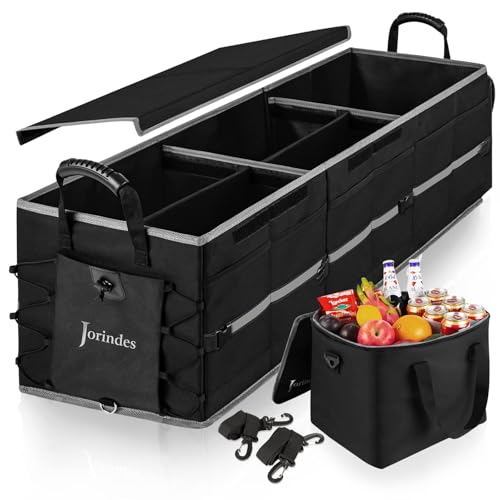
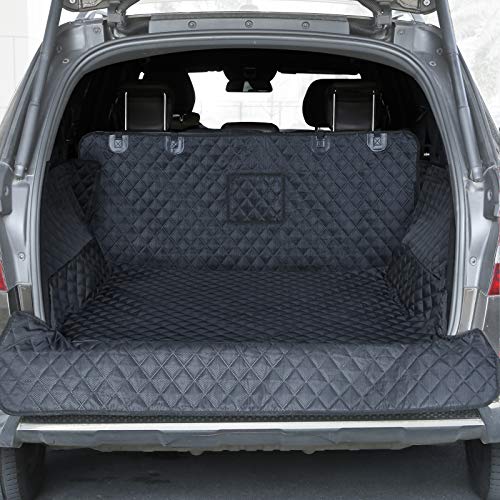
Jorindes Collapsible Trunk Organizer is a useful cargo accessory for drivers who want to keep groceries, tools, or emergency gear from sliding around. The leak-proof cooler bag adds flexibility, but the overall size may be more than a small trunk needs.
Look for fold-flat storage and dividers that stay upright. The drawback is that soft organizers can sag when overloaded, and hook-and-loop or strap systems may wear out over time.
As an Amazon Associate we earn from qualifying purchases. Prices and availability are accurate as of the date shown and are subject to change.
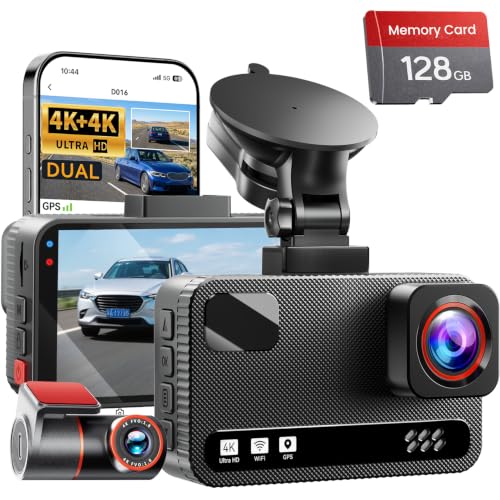
Aputeta 4K+4K Dual Dash Cam is better treated as safety-related add-on equipment than a styling accessory. It records front and rear footage, which can help after an incident. The downside is installation complexity, plus the need to manage power, memory, and mounting cleanly.
This type of device matters most for drivers who want documentation on commutes, parking, or highway trips. The tradeoff is that poor cable routing or an obstructed windshield view can create more problems than it solves.
Which car accessories are interior versus exterior?
Interior accessories affect the cabin: floor mats, seat covers, organizers, chargers, mounts, console trays, and many comfort items. Exterior accessories attach outside or change cargo and appearance: roof racks, body kits, spoilers, wings, decals, and some lighting kits. A few items can fit either category depending on placement.
Interior accessories
Interior accessories usually focus on protection, storage, and comfort. Floor mats protect carpeting. Seat covers protect upholstery. Organizers reduce clutter. Mounts and chargers improve daily usability. These items tend to be easier to remove and replace than exterior upgrades.
Exterior accessories
Exterior accessories usually affect carrying capacity, appearance, or airflow. Roof racks are the clearest example. Body kits and aero add-ons like spoilers and wings are more style-driven, though they can influence drag and stability depending on the design and vehicle speed range.
Items that can fall in either group
Lighting kits and electronics may blur the line. A cabin LED strip is interior. A grille light or auxiliary lamp is exterior and potentially safety-sensitive. Phone mounts can also vary by placement. A windshield mount is visually and legally sensitive in some places, while a dash tray mount may be less intrusive.
Consumables and spares: which accessory items wear out?
Accessory wear is real. Floor mats crack, seat covers stretch, adhesive mounts fail, and some organizers lose stiffness over time. Lighting can fade or stop working. The question is whether repair costs more than replacement. For many low-cost accessories, replacement is the cleaner choice.
Wear and fatigue by accessory type
Floor mats show heel wear and edge curl. Seat covers fray at seams and bolsters. Organizers sag when loaded beyond their design. Adhesive-backed mounts can fail in heat. Lighting kits may lose output or develop connection issues, especially if wiring was routed poorly.
When replacement beats repair
If the item is cheap, portable, and easy to reinstall, replacement often makes more sense than repair. That is especially true for worn mats, faded covers, and weak adhesive mounts. Replacing a worn accessory is usually simpler than trying to save a damaged one with clips, patches, or glue.
Maintenance and removal notes
Keep mats clean so they do not trap grit underfoot. Remove seat covers carefully to avoid stressing seams. Recheck mounts after heat cycles. If an accessory blocks controls, rattles, or shifts position, take it out and rethink the fit instead of living with the noise.
Budget setups
A sensible setup depends on the use case. Start with protection, then add convenience, then add style. A driver in a wet climate needs different accessories from someone who hauls bikes or wants a cleaner cabin. The table below shows three common budget directions.
| Setup | Best for | Example accessories | Approx. total |
|---|---|---|---|
| Starter | Daily commuting and cabin protection | Motor Trend FlexTough Floor Mats + Jorindes Trunk Organizer | $84.48 |
| Mid | Comfort and phone integration | Floor mats + Yeolpise Steering Wheel Cover + Teeran Wireless Adapter | $98.47 |
| Serious | Travel, documentation, and roadside readiness | Floor mats + Jorindes Organizer + Aputeta Dual Dash Cam + NOCO Boost GB40 | $358.98 |
Decision checklist: accessory, part, or safety-related add-on
Use this checklist to sort the item before you buy. If it is required for the car to run, it is a part. If it changes convenience, comfort, appearance, or storage, it is usually an accessory. If it affects visibility, driver attention, or legal compliance, treat it as safety-related equipment.
| Item | Category | Why it fits | Buy or skip |
|---|---|---|---|
| Floor mats | Accessory | Protect cabin flooring; not required to operate | Buy for wet, snowy, or messy use |
| Roof racks | Accessory | Add cargo utility; optional exterior add-on | Buy if you carry gear often |
| GPS system | Accessory | Navigation-focused convenience tech | Buy if built-in nav is absent or poor |
| Seat covers | Accessory | Protect and refresh seats | Buy for wear control or pets |
| Phone mount | Safety-related add-on | Can affect visibility and access to controls | Buy only if it places the phone safely |
| Dash cam | Safety-related add-on | Records incidents; safety-adjacent evidence tool | Buy for commuting, parking, or fleet use |
| Window tint | Safety-related add-on | Can affect visibility and legal compliance | Buy only after checking local rules |
| Interior LED lighting kit | Accessory | Style-focused cabin add-on | Buy if it will not distract at night |
| Exterior auxiliary lighting | Safety-related add-on | May affect road legality and glare | Buy only with proper aiming and rules |
| Body kit | Accessory | Changes appearance and body styling | Buy for customization, skip for simplicity |
| Spoiler | Accessory | Exterior styling and possible aero effect | Buy only if fitment is vehicle-specific |
| Wing | Accessory | Exterior add-on with aero styling intent | Buy if you accept noise and bulk |
| Wheel/tire assembly | Part | Needed for motion and load support | Buy as a replacement part |
| Brake pads | Part | Required for stopping | Buy as maintenance, not an accessory |
| Battery | Part | Needed for starting and electrical function | Buy as a core part |
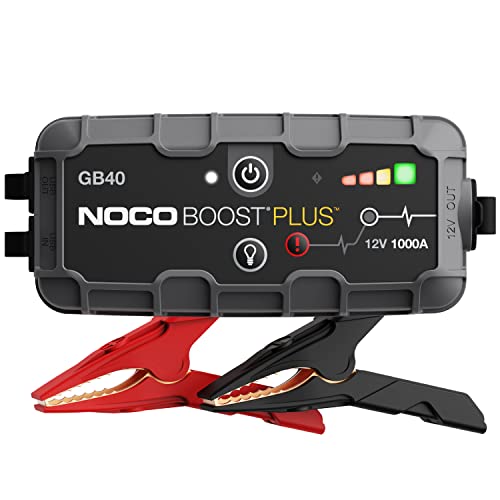
| Jump starter | Accessory | Portable helper, not a vehicle component | Buy for roadside backup |
| Car cover | Accessory | Protects parked vehicle from dirt and weather | Buy for long-term parking |
| Cargo box | Accessory | Expands storage beyond the cabin | Buy for travel or sports gear |
| Steering wheel cover | Accessory | Improves grip and covers wear | Buy if it fits tightly |
| Wiper blades | Part | Needed for visibility in rain and snow | Buy as a wear item, not decor |
How to use the checklist
Start with the car’s job, then ask whether the item changes comfort, cargo, styling, or legal visibility. That order keeps you from overspending on cosmetic pieces before you solve real needs. It also helps separate true accessories from parts and safety-sensitive add-ons.
Frequently asked questions
What are automotive accessories?
Automotive accessories are optional add-ons that change how a vehicle looks, feels, or functions without being required for operation. They include interior and exterior items such as mats, covers, racks, mounts, organizers, and style pieces. Accessories are different from the parts the vehicle needs to run.
What is the difference between automotive accessories and car parts?
Car parts are essential components tied to operation, control, or core systems. Accessories are optional and usually improve comfort, convenience, appearance, or storage. A quick rule: if removing the item would stop the car from functioning properly, it is a part, not an accessory.
What are examples of automotive accessories?
Common examples include floor mats, seat covers, roof racks, phone mounts, GPS systems, sunshades, trunk organizers, decals, LED lighting kits, body kits, spoilers, and wings. Some are practical. Some are mostly cosmetic. A few can be safety-sensitive depending on placement and local rules.
Which car accessories are interior versus exterior?
Interior accessories sit in the cabin or cargo area, such as floor mats, seat covers, organizers, chargers, and mounts. Exterior accessories attach outside or change carrying and styling, such as roof racks, body kits, spoilers, wings, and some lighting setups. Placement usually decides the category.
Are floor mats, roof racks, and phone mounts automotive accessories?
Yes. Floor mats are a common interior accessory that protects the cabin floor, roof racks are a common exterior accessory that adds cargo utility, and phone mounts are convenience accessories with a safety angle because they affect where and how you view the phone while driving.
Do automotive accessories affect how a car runs?
Usually not in the mechanical sense. Accessories are not required for the car to operate. Still, some can affect visibility, noise, aerodynamics, electrical load, or driver attention. That is why lighting, tint, mounts, and large exterior add-ons deserve more care than simple interior comfort pieces.
Which accessories improve comfort, style, or convenience?
Seat covers, steering wheel covers, sunshades, and organizers improve comfort and day-to-day use. LED lighting kits, decals, body kits, spoilers, and wings are more style-driven. GPS systems, phone mounts, chargers, and trunk organizers mainly improve convenience. The right choice depends on how you use the vehicle.
What accessories are non-essential but common on cars?
Floor mats, seat covers, roof racks, phone mounts, trunk organizers, decals, lighting kits, and cargo carriers are all common non-essential accessories. They are popular because they solve everyday problems or personalize the vehicle. None of them is required for the car to start or move.
Products related to this article
Sponsored / affiliate links. As an Amazon Associate I earn from qualifying purchases. I may earn additional commission from eligible campaigns.