
When I Turn My AC On My Car Shakes: Proven Fix
When your car shakes when you turn on the AC, it’s often due to a few common issues. The most frequent culprits are an unbalanced AC compressor pulley or a problem with the AC system’s load on the engine. We’ll guide you through simple checks and fixes to get your ride smooth again.
It can be really unnerving when your car starts shaking, especially when it happens unexpectedly. If you notice your car shaking only when you switch on the air conditioning, you’re not alone! This is a pretty common experience for many drivers. It might sound like a big problem, but often, it’s something we can figure out and fix without breaking a sweat or the bank. Don’t worry, I’m here to help you understand what’s causing that tremble and how to tackle it. We’ll break down the most likely reasons for this shaky situation and give you clear, easy steps to get your car running smoothly again. Let’s find out why your AC makes your car shake!
Understanding Why Your Car Shakes When the AC is On
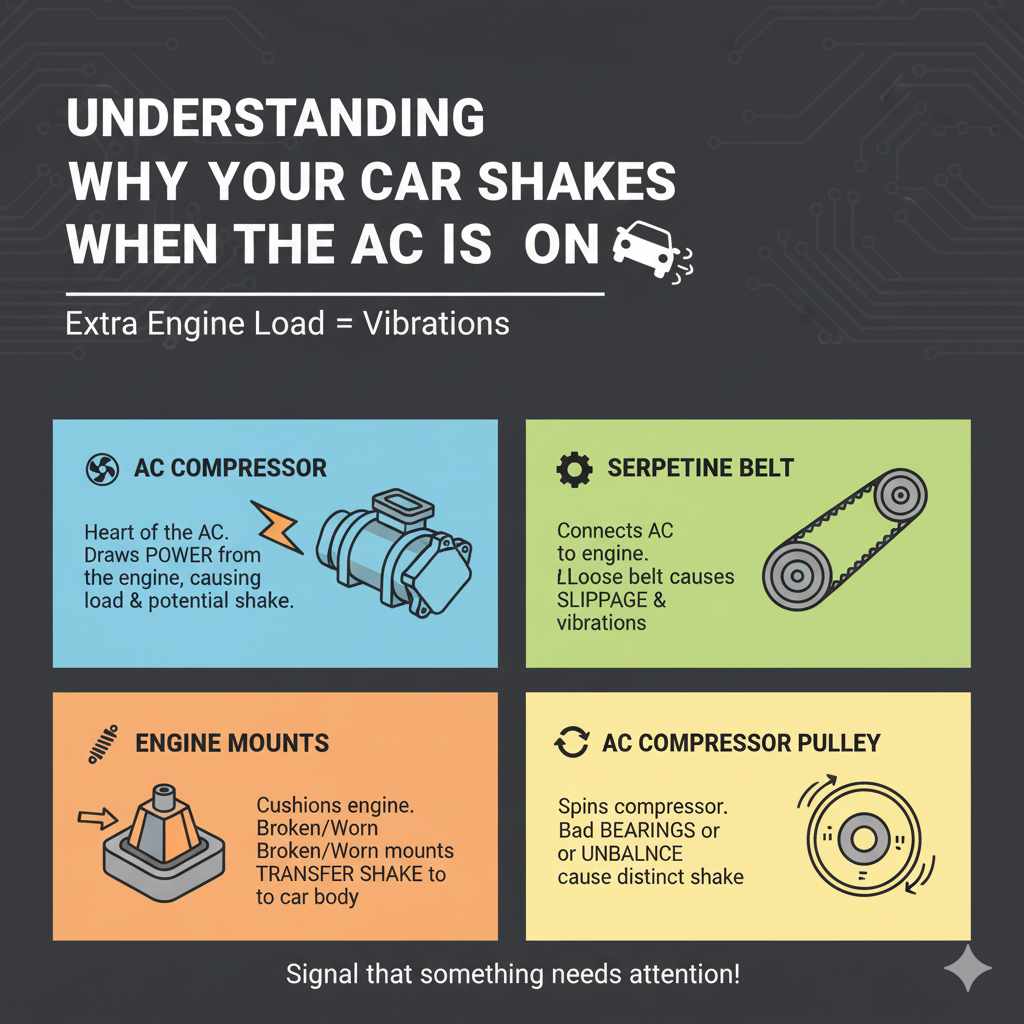
When you turn on your car’s air conditioning, you’re asking the engine to do a bit more work. The AC system, particularly the compressor, draws power from the engine. This extra load can reveal or even cause vibrations if certain parts aren’t in perfect shape. Think of it like asking someone to carry an extra bag – they might sway a little if they were already a bit off-balance.
The shaking you feel is essentially the engine and its components reacting to this sudden increase in workload. It’s a signal that something, somewhere in the AC system or its connection to the engine, might need a little attention.
Key Components Involved
To understand the shake, it helps to know the main players:
AC Compressor: This is the heart of your AC system. It pressurizes the refrigerant to make your cabin cool. When engaged, it puts a significant load on the engine.
Serpentine Belt (or V-Belt): This single belt often drives multiple accessories, including the AC compressor, alternator, power steering pump, and water pump. If this belt is worn or loose, it can cause slippage and vibrations, especially when an accessory like the AC compressor kicks in.
Engine Mounts: These rubber or hydraulic components cushion the engine and isolate its vibrations from the car’s body. If they are worn or broken, the engine’s natural vibrations can be felt much more strongly, especially under load.
AC System Load: The AC system itself, when it’s working hard (like on a hot day), demands more power. If the engine or its supporting systems aren’t performing optimally, this extra demand can cause noticeable shaking.
AC Compressor Pulley: The pulley spins the compressor. If the bearings in the pulley are going bad, or if the pulley itself is unbalanced, it can cause a distinct shake that’s directly tied to the AC being on.
Common Causes and Fixes for AC-Related Shaking
Let’s dive into the most common reasons your car shakes when the AC is on and how you can address them.
1. The AC Compressor Pulley Bearing is Worn Out
The AC compressor has a pulley that allows it to spin. This pulley has a bearing to ensure it spins smoothly. When this bearing starts to wear out, it can create friction and imbalance. As soon as the AC clutch engages and starts spinning this pulley, the worn bearing can cause a noticeable shake or vibration.
Symptoms:
Shaking is most pronounced when the AC is first turned on or when the compressor cycles on and off.
You might hear a grinding or rattling noise coming from the front of the engine, especially when the AC is running.
The shaking might feel rhythmic or like a wobbling.
How to Fix It:
This usually requires replacing the faulty AC compressor pulley bearing. In some cases, the entire AC compressor might need to be replaced if the pulley is integrated or if the compressor itself is damaged internally due to the bearing failure.
DIY Level: This can be a moderately difficult DIY repair. It often involves removing the serpentine belt and then using specialized tools to remove and replace the pulley and bearing. If you’re not comfortable with this, it’s best left to a professional.
Professional Help: A mechanic can diagnose and replace the pulley or compressor. The cost can vary significantly depending on the vehicle and whether it’s just the pulley or the whole compressor.
Cost Estimate: Replacing an AC compressor pulley bearing can range from $200 to $600 or more, depending on labor and parts. Replacing the entire compressor will be considerably more expensive, potentially $600 to $1500+.
2. Unbalanced AC Compressor
If the AC compressor itself is unbalanced internally, or if something has become loose on its mounting, it can create a significant shake when it’s engaged. This is similar to a washing machine with an unbalanced load – lots of shaking!
Symptoms:
A more violent shaking or shuddering compared to a worn pulley bearing.
The shaking might be continuous as long as the AC is on, not just when it cycles.
You might feel vibrations through the steering wheel or the entire car.
How to Fix It:
If the compressor is confirmed to be unbalanced, the most straightforward and often necessary fix is to replace the entire AC compressor.
DIY Level: Replacing an AC compressor is a complex job. It involves discharging and recharging the AC system, which requires special equipment and knowledge of refrigerant handling. It’s generally not recommended for beginner DIYers.
Professional Help: This is a job best left to an experienced mechanic. They have the tools and expertise to handle the refrigerant safely and correctly install the new compressor.
Cost Estimate: The total cost for replacing an AC compressor can range from $600 to $1500 or more, including parts, labor, and refrigerant.
3. Faulty or Worn Serpentine Belt
The serpentine belt drives all the accessories on your engine, including the AC compressor. If this belt is old, cracked, glazed, or not tensioned properly, it can slip when the AC compressor engages. This slippage can cause a vibration or shaking, and you might even hear a squealing noise.
A worn belt can also affect other accessories, so while the AC might be the trigger, other systems could be compromised. For more information on serpentine belts, you can check out resources from the National Automotive Service.
Symptoms:
Squealing or chirping noises when the engine is started or when turning the steering wheel, especially if the power steering pump is also driven by the belt.
Shaking accompanied by a loss of power to other accessories (e.g., alternator not charging properly, power steering feels stiff).
The shaking might be intermittent or occur when the AC compressor first kicks in.
How to Fix It:
Inspect the Belt: Visually inspect the serpentine belt for cracks, fraying, glazing (a shiny, smooth surface), or missing chunks.
Check Belt Tension: Most modern cars have an automatic belt tensioner. If the tensioner feels weak or excessively loose, it might need to be replaced.
Replace the Belt: If the belt looks worn, replace it. This is often a relatively straightforward DIY task.
DIY Level: Replacing a serpentine belt is usually an easy to moderate DIY repair. You’ll need to identify the belt routing (often found on a sticker under the hood) and potentially use a wrench or a specialized tool to release the tensioner.
Professional Help: An auto shop can quickly replace a serpentine belt.
Cost Estimate: A new serpentine belt typically costs between $20 and $60 for parts. Labor if done by a mechanic is usually minimal, around $50-$100. Replacing a tensioner can add $100-$300.
4. Worn or Broken Engine Mounts
Engine mounts are designed to absorb the engine’s vibrations and prevent them from reaching the car’s chassis. When the AC kicks on, it adds a load to the engine, causing it to torque slightly. If the engine mounts are worn out or broken, this torque can cause the engine to move more than it should, leading to a noticeable shake or clunk, especially when the AC engages.
Symptoms:
Shaking felt throughout the car, particularly when accelerating, decelerating, shifting gears, or when the AC is turned on.
A clunking sound when putting the car in gear or when the engine is revved.
The engine may appear to sag or sit lower than usual.
How to Fix It:
This requires replacing the worn or broken engine mounts.
DIY Level: Replacing engine mounts can be a difficult DIY job. It often requires supporting the engine with a jack and an engine support bar, which can be dangerous if not done correctly.
Professional Help: This is a task best left to a professional mechanic who has the proper equipment and experience.
Cost Estimate: Replacing engine mounts can range from $300 to $800 or more, depending on the number of mounts needing replacement and the vehicle model.
5. Vacuum Leaks or Issues with the HVAC System
While less common for outright shaking, problems with the vacuum system that controls your HVAC (Heating, Ventilation, and Air Conditioning) flaps can sometimes contribute to unusual engine behavior when the AC is engaged. These leaks can cause the engine to run slightly lean, affecting its idle and response, which might be perceived as shaking under load.
Symptoms:
AC not blowing cold, or air blows from the wrong vents.
A hissing sound from the engine bay.
Rough idling or stalling, especially when the AC is on.
The shaking might be accompanied by other HVAC performance issues.
How to Fix It:
Diagnosing and repairing vacuum leaks can be tricky. It involves systematically checking vacuum hoses and connections for cracks or disconnections.
DIY Level: Moderate to difficult. It requires patience and a good understanding of your car’s vacuum system. Sometimes, a mechanic can use a smoke machine to find leaks.
Professional Help: A mechanic can efficiently locate and repair vacuum leaks.
Cost Estimate: Finding and fixing minor vacuum leaks might cost $100-$300. More complex issues could increase this.
Troubleshooting Steps: A Practical Guide
Here’s a step-by-step approach you can take to diagnose why your AC makes your car shake.
Step 1: Observe and Listen
Before you touch anything, pay close attention to when the shaking occurs and what it sounds like.
When AC is Turned On: Does it start immediately, or after a few seconds? Is it just when the compressor clutch engages?
Driving Conditions: Does it happen at idle, while driving, or both? Does the speed of shaking change with engine RPM or vehicle speed?
Sounds: Is there any grinding, squealing, rattling, or clunking? The type of sound can be a big clue.
Other AC Performance: Is the AC blowing cold and strong?
Step 2: Visual Inspection of the Serpentine Belt
This is one of the easiest things to check.
1. Safety First: Ensure the engine is off and cool.
2. Locate the Belt: Pop the hood and find the serpentine belt. It’s usually a single, long belt that winds around several pulleys.
3. Inspect for Damage: Look closely for any cracks, fraying, or shiny/glazed spots on the belt’s surface. If you see any of these, the belt needs replacement.
4. Check Tension: While you can’t always perfectly test tension by hand, gently try to wiggle the belt. Excessive looseness might indicate a problem with the tensioner.
Step 3: Check the AC Compressor Pulley
This requires a bit more direct interaction.
1. Safety First: Engine off and cool.
2. Access the Pulley: You’ll need to see the AC compressor pulley. It’s the pulley at the front of the AC compressor.
3. Spin the Pulley (When Belt is Off or Engine Off): If you’ve removed the serpentine belt for inspection, you can try to spin the AC compressor pulley by hand. It should spin relatively freely and quietly.
4. Wiggle the Pulley: With the belt removed, try to wiggle the pulley from side to side. There should be very little to no play. Any significant wobble or grinding noise when spun by hand can indicate a bad bearing or pulley.
5. Observe the Clutch: When the AC is on (and the belt is on), you should see the center part of the AC compressor pulley engage and spin with the pulley itself. If the outer pulley spins but the center doesn’t, the clutch might be slipping.
Step 4: Inspect Engine Mounts (Basic Check)
This is harder to do thoroughly without lifting the car.
1. Visual Check: Look under the car and around the engine for any visible signs of broken or collapsed rubber on the engine mounts. You might need to look up from underneath.
2. Gentle Push/Pull (Engine Off): With the engine off, try to gently rock the engine by hand. Excessive movement might suggest worn mounts. This is best done by a mechanic.
Step 5: Consider the AC System Charge
While a low or overcharged AC system is more likely to cause poor cooling or intermittent compressor cycling, in some cases, an improperly functioning system can put unusual stress on the engine.
DIY Level: Checking AC charge requires specialized gauges and knowledge. It’s not a beginner task.
Professional Help: If you suspect an issue with the AC system’s charge or overall function, a qualified AC technician can diagnose and fix it.
Tools You Might Need for DIY Checks
When performing your own checks, having a few basic tools can make the job easier and safer.
Owner’s Manual: Essential for locating components and understanding your specific vehicle.
Flashlight: To see into dark engine bay areas.
Wrench Set/Socket Set: For potentially removing the serpentine belt or other components if necessary.
Safety Glasses: Always protect your eyes.
Gloves: To keep your hands clean and protected.
Torque Wrench (if replacing parts): For critical component installations.
Belt Tensioner Tool (if applicable): For some vehicles, a specific tool is needed to release the belt tensioner.
When to Call a Professional Mechanic
While many car owners like to do their own maintenance, some tasks are best left to the experts.
Refrigerant Handling: Draining, recharging, or repairing AC refrigerant lines is illegal and dangerous without proper certification and equipment.
Complex Component Replacement: Replacing the AC compressor or engine mounts often requires specialized tools and knowledge about securely supporting the engine.
Diagnosis of Intermittent Problems: If the shaking is inconsistent or hard to pinpoint, a professional with diagnostic tools will likely find the issue faster.
Safety Concerns: If you’re ever unsure about a repair or feel it might be unsafe to attempt, it’s always best to consult a professional.
Preventative Maintenance Tips
Keeping your car in good shape can prevent many of these issues from arising in the first place.
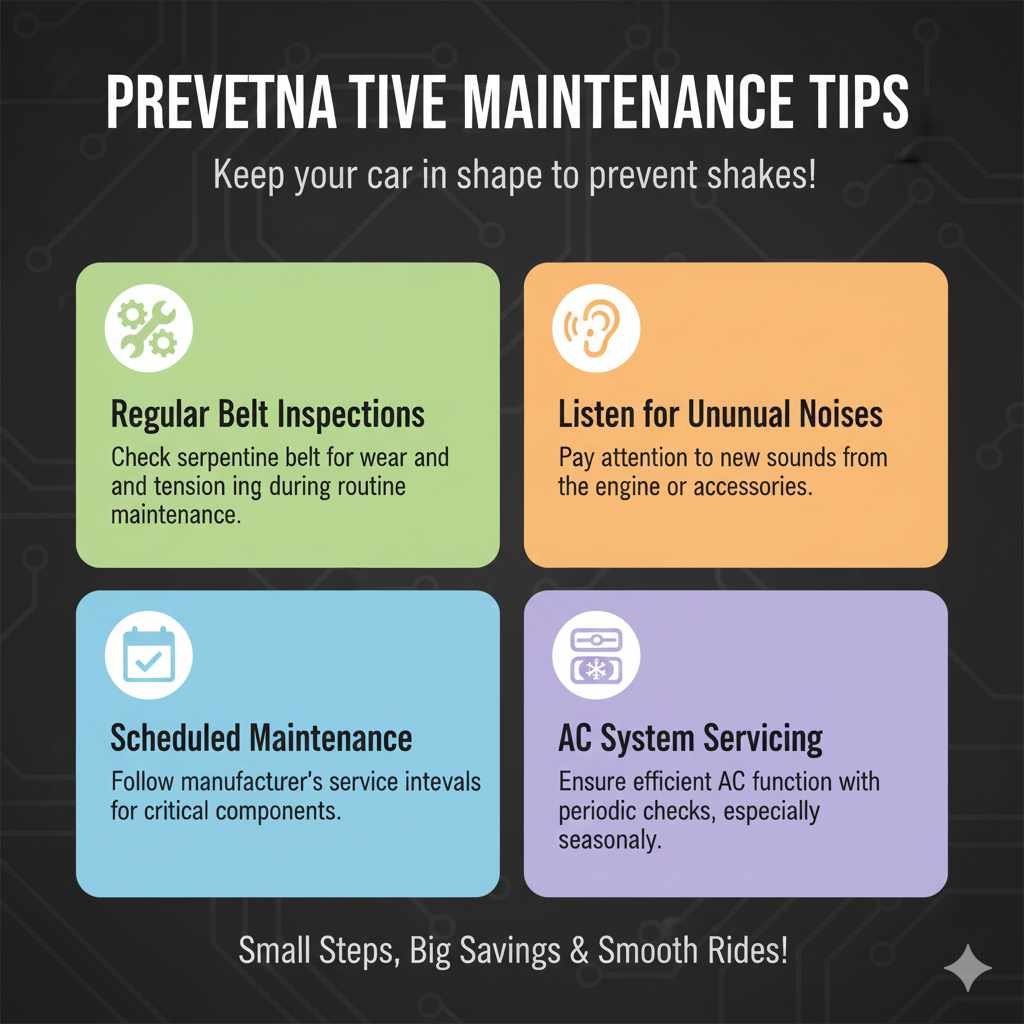
Regular Belt Inspections: Have your serpentine belt inspected during routine maintenance (oil changes, tire rotations). Replace it if it shows any signs of wear.
Listen for Unusual Noises: Pay attention to any new sounds your car makes, especially those related to the engine or accessories.
Scheduled Maintenance: Follow your car manufacturer’s recommended maintenance schedule. This ensures critical components like engine mounts and belts are checked at appropriate intervals.
AC System Servicing: Have your AC system checked periodically, especially before hot summer months, to ensure it’s functioning efficiently.
FAQ: Your Burning Questions Answered
Here are some common questions people have when their car shakes with the AC on.
Why does my car shake only when the AC is on at idle?
This is often because the idle speed of the engine is too low to compensate for the extra load of the AC compressor. When the AC kicks in, it draws power, and if the engine isn’t strong enough at idle, it creates a noticeable vibration. This could point to a slightly weak engine, worn engine mounts, or a problem with the AC compressor itself.
Is it safe to drive if my car shakes when the AC is on?
For minor shakes, it’s usually safe to drive, but it’s not ideal. These vibrations can put extra stress on other components, potentially leading to more significant problems down the line. If the shaking is severe, accompanied by strange noises, or affects your steering or braking, it’s best to get it checked immediately.
How much does it cost to fix the AC compressor pulley?
The cost can vary widely. For just the pulley and bearing replacement, you might be looking at $200-$600. However, if the AC compressor itself is damaged and needs replacement, the cost can jump to $600-$1500 or more.
Can a loose AC pulley cause the serpentine belt to slip?
Yes, absolutely. A wobbly or loose AC pulley can cause the serpentine belt to run unevenly, leading to slippage, premature wear, and potential squealing or shaking.
What if my car shakes when I turn the AC on, AND when I accelerate?
If shaking occurs from both turning on the AC AND during acceleration, it suggests a more general engine or drivetrain issue rather than something solely AC-related. Worn engine mounts, a damaged driveshaft, or transmission problems could be culprits. It’s important to get this diagnosed by a professional mechanic.