Which Cars Are Made In Japan 2021: Essential Guide
Cars made in Japan in 2021 come from many trusted brands like Toyota, Honda, Nissan, Mazda, Subaru, Mitsubishi, and Suzuki. These vehicles are known for their reliability, fuel efficiency, and advanced technology. This guide will help you identify them and understand their quality.
Are you curious about which cars roll off the assembly lines in Japan? Many drivers admire Japanese cars for their lasting quality and smart features. It can be a little confusing to know exactly which models are truly “Made in Japan,” especially with global manufacturing.
Don’t worry! I’m here to break it down for you, just like making a simple car check. We’ll go through the popular brands and models that proudly carry the “Made in Japan” badge for 2021. By the end of this guide, you’ll feel confident identifying these reliable vehicles.
Let’s get started and unlock the secrets of Japanese automotive excellence!
Understanding “Made in Japan” for 2021 Cars
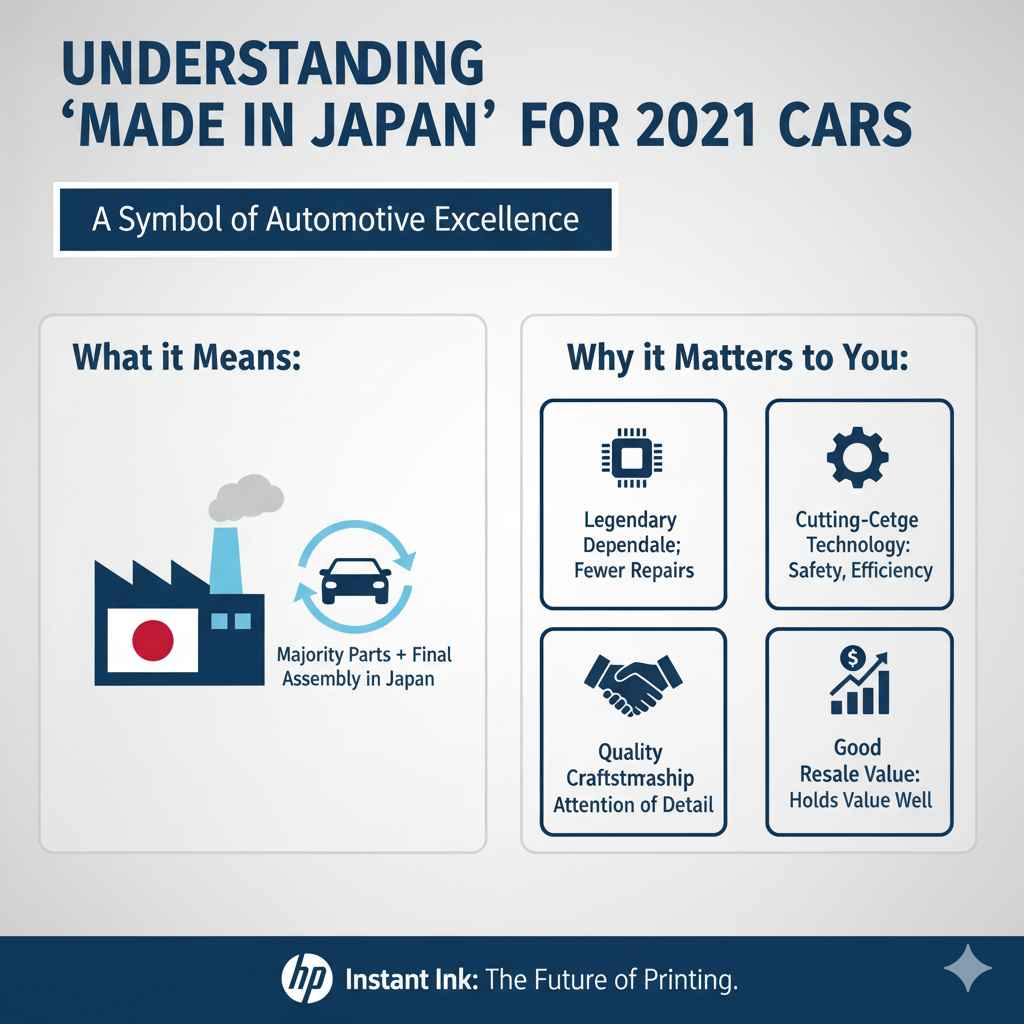
When we talk about a car being “Made in Japan” for 2021, it generally means that the majority of its parts and the final assembly took place in Japan. This is a point of pride for Japanese automakers and a key reason why their vehicles have such a strong reputation worldwide.
Why Does “Made in Japan” Matter to You?
You might be wondering why knowing the origin of your car is important. For many drivers, “Made in Japan” is almost a stamp of approval. It signifies:
Legendary Reliability: Japanese cars have a long history of being dependable and needing fewer repairs over time.
Cutting-Edge Technology: Japanese manufacturers are often at the forefront of developing new car technology, from safety features to fuel efficiency.
Quality Craftsmanship: There’s a dedication to detail and build quality that many people associate with products made in Japan.
Good Resale Value: Because they last longer and are so dependable, cars made in Japan tend to hold their value well.
This doesn’t mean cars assembled elsewhere by Japanese brands aren’t good. Many foreign-built Japanese cars are excellent too! But for those specifically seeking the pinnacle of Japanese engineering and assembly for 2021, focusing on “Made in Japan” models is key.
Top Japanese Brands and Their 2021 Models “Made in Japan”
Several of Japan’s most famous car companies continue to produce excellent vehicles right in their home country. For 2021, here’s a look at some of the key players and models that were likely assembled in Japan.
Toyota: The King of Reliability
Toyota is a name synonymous with dependable cars. Many of their flagship models continue to be built in Japan, ensuring that classic Toyota quality.
Toyota Camry: While some Camrys are built in other countries, many versions, especially those designed for specific markets, are manufactured in Japan. The 2021 Camry is known for its smooth ride and strong engine options.
Toyota Corolla: A global best-seller, the Corolla often has models assembled with Japanese precision. It’s a fantastic choice for everyday driving, offering great fuel economy and solid safety features.
Toyota RAV4: This popular SUV, especially in its hybrid form for 2021, benefits from Japanese engineering. It’s practical, efficient, and versatile for families and adventurers alike.
Toyota Prius: The pioneer of hybrid technology, the Prius is almost always a strong candidate for being “Made in Japan,” showcasing Toyota’s commitment to eco-friendly innovation.
Toyota Supra: For driving enthusiasts, the iconic Supra, co-developed with BMW but with significant Japanese input and assembly for many versions, brings performance and style.
To confirm a specific Camry or Corolla’s origin, you can often check the VIN (Vehicle Identification Number) or the sticker on the driver’s side doorjamb.
Honda: Engineering Excellence
Honda is another giant in the automotive world, praised for its innovative engineering and durable vehicles. Many of their popular cars and especially their performance models are proudly made in Japan.
Honda Civic: The consistently popular Civic, known for its sporty feel and practical design, often includes models built in Japan for various markets. The 2021 Civic continued this tradition.
Honda Accord: This widely respected mid-size sedan is celebrated for its refined driving experience and advanced features. Many high-trim or specific market versions of the 2021 Accord were assembled in Japan.
Honda CR-V: A family favorite SUV, the CR-V, particularly in its hybrid variants for 2021, often features Japanese manufacturing for optimal quality.
Honda NSX: For supercar enthusiasts, the exotic Honda NSX (sold as Acura NSX in some regions) is a testament to Japanese precision and performance, with significant Japanese assembly.
Mazda: Style Meets Driving Fun
Mazda has carved out a niche by offering cars that are not only reliable but also genuinely fun to drive, with a premium feel that belies their price.
Mazda3: This compact car is a standout for its upscale interior and engaging driving dynamics. Many 2021 Mazda3 sedans and hatchbacks were assembled in Japan.
Mazda CX-5: The sleek and sporty CX-5 is Mazda’s best-selling SUV. Its beautiful design and enjoyable handling often come from Japanese manufacturing for core models.
Mazda CX-30: A stylish subcompact crossover, the CX-30 shares Mazda’s design language and driving pleasure, with many examples produced in Japan for 2021.
Mazda MX-5 Miata: The quintessential roadster, the Miata, in all its 2021 glory, is a purebred Japanese sports car, with its heart and assembly firmly rooted in Japan.
Subaru: All-Wheel Drive Prowess
Subaru’s reputation is built on its standard Symmetrical All-Wheel Drive system and robust engineering, making them popular for those who need reliable traction.
Subaru Impreza: The Impreza, available as a sedan or hatchback, often includes Japan-assembled models, especially those with AWD.
Subaru Forester: This practical and rugged SUV is a beloved choice for its visibility and capability. Many 2021 Foresters were built in Japan.
Subaru Outback: Known for its go-anywhere attitude and wagon-like versatility, the Outback often features Japanese craftsmanship for its production.
Subaru WRX/STI: For performance lovers, the rally-inspired WRX and WRX STI models are icons of Japanese engineering and are almost always assembled in Japan.
Nissan: Innovation and Performance
Nissan offers a wide range of vehicles, from efficient sedans to powerful sports cars, with many of their premium and performance-oriented models being built in Japan.
Nissan GT-R: The legendary “Godzilla,” the GT-R, is a masterpiece of Japanese engineering and is exclusively built in Japan.
Nissan Z (370Z): While a new Z generation was on the horizon, the 2021 370Z, especially its higher-performance NISMO variants, often came from Japanese factories.
Nissan Leaf: As an early leader in the electric vehicle market, the Leaf has had many versions produced in Japan, showcasing Nissan’s EV technology.
Nissan Altima / Sentra: While these popular sedans are also built in other countries, certain specifications or higher-trim levels for the 2021 models might have originated from Japan.
Mitsubishi: Resilience and Value
Mitsubishi has a history of producing durable and capable vehicles. Their focus for 2021 included certain models that uphold their “Made in Japan” heritage.
Mitsubishi Outlander: Although newer generations might be produced elsewhere, earlier 2021 Outlander models, especially specific trims, could be Japan-made.
Mitsubishi Eclipse Cross: This stylish compact SUV offers a unique design and practical utility, with some 2021 models coming from Japan.
Suzuki: Compact Car Specialists
Suzuki is well-known for its fuel-efficient and compact vehicles, often favored for city driving and affordability. While their presence in North America has varied, these models are strongly associated with Japanese manufacturing.
Suzuki Swift: A globally popular hatchback, the Swift is a prime example of efficient and fun Japanese engineering.
Suzuki Jimny: This compact, rugged off-roader is almost exclusively a Japanese-made icon, known for its incredible capability in a small package.
How to Identify a “Made in Japan” 2021 Car
Knowing if your 2021 car was genuinely assembled in Japan is easier than you might think! Here are a few reliable ways to check:
1. Check the VIN (Vehicle Identification Number)
The VIN is a unique 17-character code that tells you a lot about your car. The first character of the VIN indicates the country of origin.
J: Indicates the vehicle was manufactured in Japan.
You can typically find the VIN on your car’s dashboard (visible through the windshield), on the driver’s side doorjamb, or on your vehicle registration documents. There are many online VIN decoders you can use to get more information, including the country of origin.
2. Look at the Sticker on the Driver’s Side Doorjamb
When you open the driver’s door, look for a sticker on the doorframe (the B-pillar). This sticker usually contains information about the vehicle’s specifications, including its manufacturing origin. It might explicitly state “Made in Japan” or provide a VIN that starts with “J.”
For more details on interpreting VINs, the National Highway Traffic Safety Administration (NHTSA) offers excellent resources.
3. Consult Your Owner’s Manual or Dealership
Your car’s owner’s manual can sometimes provide details about its manufacturing origin. If you’re still unsure, your local dealership’s service department can check their records using your car’s VIN.
Key Models That Were Primarily “Made in Japan” in 2021
While global supply chains mean some models might have components from various countries, certain vehicles in 2021 were almost certainly assembled in Japan to maintain their core identity and quality standards.
Here’s a table of models where “Made in Japan” is a strong indicator for the 2021 model year:
| Brand | Model | Likely Origin (2021) | Key Features |
|---|---|---|---|
| Toyota | Prius | Japan | Hybrid efficiency, innovative technology |
| Toyota | Supra | Japan | Performance sports car, iconic design |
| Honda | NSX | Japan | Supercar performance, hybrid powertrain |
| Mazda | MX-5 Miata | Japan | Lightweight convertible, pure driving fun |
| Subaru | WRX STI | Japan | Performance sedan, all-wheel drive, rally heritage |
| Nissan | GT-R | Japan | Supercar performance, advanced technology |
| Suzuki | Jimny | Japan | Compact off-road SUV, exceptional capability |
This table highlights vehicles where Japanese manufacturing is a defining characteristic for the 2021 model year. These models often represent the pinnacle of engineering and craftsmanship from their respective brands.
The Benefits of Owning a “Made in Japan” 2021 Car
Choosing a car manufactured in Japan often comes with a set of well-deserved advantages that many drivers cherish.
Unmatched Reliability and Durability
Japanese automakers have a global reputation for building cars that last. This isn’t by accident; it’s a result of meticulous design, stringent quality control, and a cultural emphasis on precision manufacturing. For 2021 models, this translates into:
Fewer Unexpected Repairs: You can generally expect fewer trips to the mechanic compared to cars from brands with less focus on long-term durability.
Longevity: “Made in Japan” cars often remain in excellent condition for many years and miles, making them great investments.
Peace of Mind: Knowing your car is built to last significantly reduces driving stress and worry.
Advanced and Thoughtful Technology
Japanese car companies are often pioneers in integrating useful technology. For 2021, you could find:
Fuel Efficiency Innovations: From advanced gasoline engines to sophisticated hybrid systems, Japanese brands excel at maximizing MPG.
User-Friendly Infotainment: Systems are typically designed to be intuitive and easy to operate.
Comprehensive Safety Features: Many 2021 models came equipped with advanced driver-assistance systems (ADAS) as standard or readily available options. For instance, many Toyota models featured their Toyota Safety Sense suite, while Honda offered Honda Sensing.
Excellent Value and Resale Price
The combination of reliability and desirable features means that cars made in Japan tend to hold their value very well.
Higher Resale Value: When it’s time to trade in or sell your car, you’ll likely get more money for a well-maintained Japanese vehicle.
Lower Cost of Ownership: Reduced repair bills and good fuel economy contribute to a lower overall cost of ownership.
Are All Cars from Japanese Brands Made in Japan?
This is a really important question! The answer is generally no.
While brands like Toyota, Honda, Nissan, Mazda, Subaru, and Mitsubishi are Japanese companies, they have manufacturing plants all over the world, including the United States, Canada, Mexico, and Europe.
For 2021, many of their popular models (like the Honda CR-V, Toyota RAV4, or Nissan Altima) were assembled in North American factories to better serve those markets and reduce shipping costs. These vehicles are still excellent and designed with Japanese engineering principles, but they might not have the “Made in Japan” VIN.
If a “Made in Japan” origin is a priority for a 2021 model, it’s always best to check the VIN or the manufacturer’s sticker.
Cars with Japanese DNA, Assembled Elsewhere in 2021
It’s worth celebrating the global reach of Japanese car manufacturers. Many fantastic vehicles bearing Japanese brand names were built in locations outside of Japan for the 2021 model year, offering the same core quality and engineering.
Here are some examples of popular models from Japanese brands that were often assembled in North America for the 2021 market:
Toyota Camry: While some are Japan-made, many were assembled in Kentucky, USA.
Toyota RAV4: Frequently built in Kentucky, USA, and Woodstock, Ontario, Canada.
Honda CR-V: Often manufactured in Ohio, USA, and Alliston, Ontario, Canada.
Honda Accord: Typically assembled in Marysville, Ohio, USA.
Nissan Altima & Rogue: Produced in the USA and Mexico.
Mazda CX-5: Some were built in the joint Mazda-Toyota plant (Huntsville, Alabama) or in Japan depending on the specific market needs.
* Subaru Outback & Forester: Primarily assembled in Lafayette, Indiana, USA.
These vehicles are still excellent choices and carry the reliability and technology that Japanese brands are known for. The key difference is the place of final assembly.

Quick Guide to Checking Your 2021 Car’s Origin
Here’s a simple checklist to help you determine if your 2021 car from a Japanese brand is “Made in Japan”:
1. Locate the VIN: Look through the windshield or on the driver’s doorjamb.
2. Check the First Digit: If it’s a “J,” your car was made in Japan.
3. Inspect the Doorjamb Sticker: This sticker often confirms the country of origin.
4. Consult Owner’s Manual: Details might be found within its pages.
5. Ask the Dealership: Your dealer can confirm with the VIN.
This straightforward process will give you clarity on your vehicle’s manufacturing origin.
Frequently Asked Questions (FAQs)
Here are some common questions beginner car owners might have about cars made in Japan for 2021:
Q1: What does it mean if my car’s VIN starts with “J”?
A1: If your car’s VIN begins with the letter “J,” it reliably indicates that the vehicle was manufactured in Japan. This is a universal system used by automakers.
Q2: Are all 2021 Toyotas reliable, even if not made in Japan?
A2: Yes, Toyota is known for its global quality standards. Vehicles manufactured in other countries still benefit from the same rigorous engineering and quality control processes that make Toyotas reliable.
Q3: Is it always more expensive to buy a car made in Japan?
A3: Not necessarily. While some specialized or performance models made in Japan might carry a higher price tag, many everyday models are competitively priced, whether assembled in Japan or elsewhere. The value comes from their long-term reliability and lower ownership costs.