Why Did My Audi A3 Fail MOT Emissions Badly?
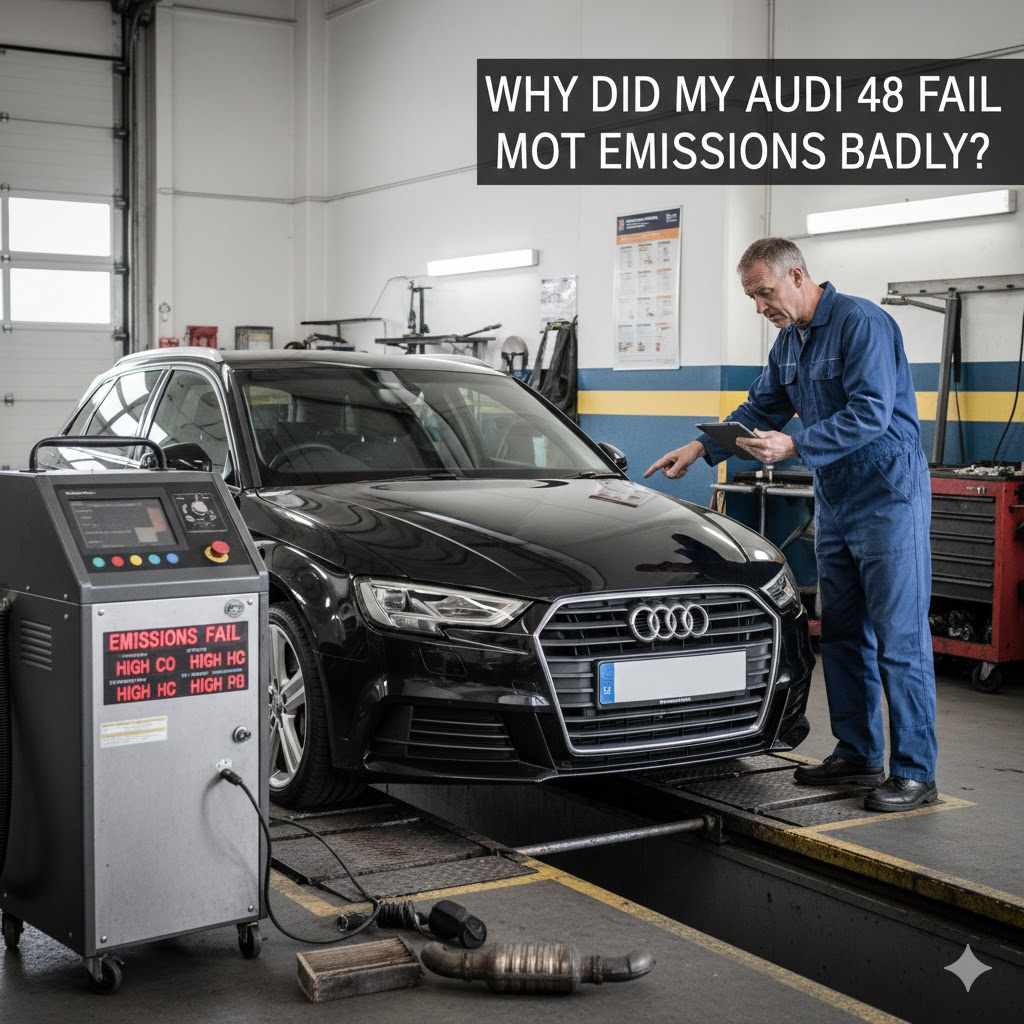
It can be really worrying when your Audi A3 doesn’t pass its MOT emissions test, especially if it fails badly. This is a common problem that can leave many drivers feeling confused and a bit lost. Don’t worry though!
We’re here to break down exactly why this might happen in simple terms. We’ll guide you through each step to figure out the cause and get your car sorted out quickly. Let’s find out together why your car failed and what you can do about it.
Common Reasons for Audi A3 MOT Emissions Test Failure
Many Audi A3 owners face the challenge of their car failing the MOT emissions test. This section explores the typical culprits behind such failures. We will look at why a car might emit too many pollutants, and what this means for your vehicle’s health and the environment.
Understanding these common issues is the first step to fixing them and ensuring your Audi A3 passes its next test.
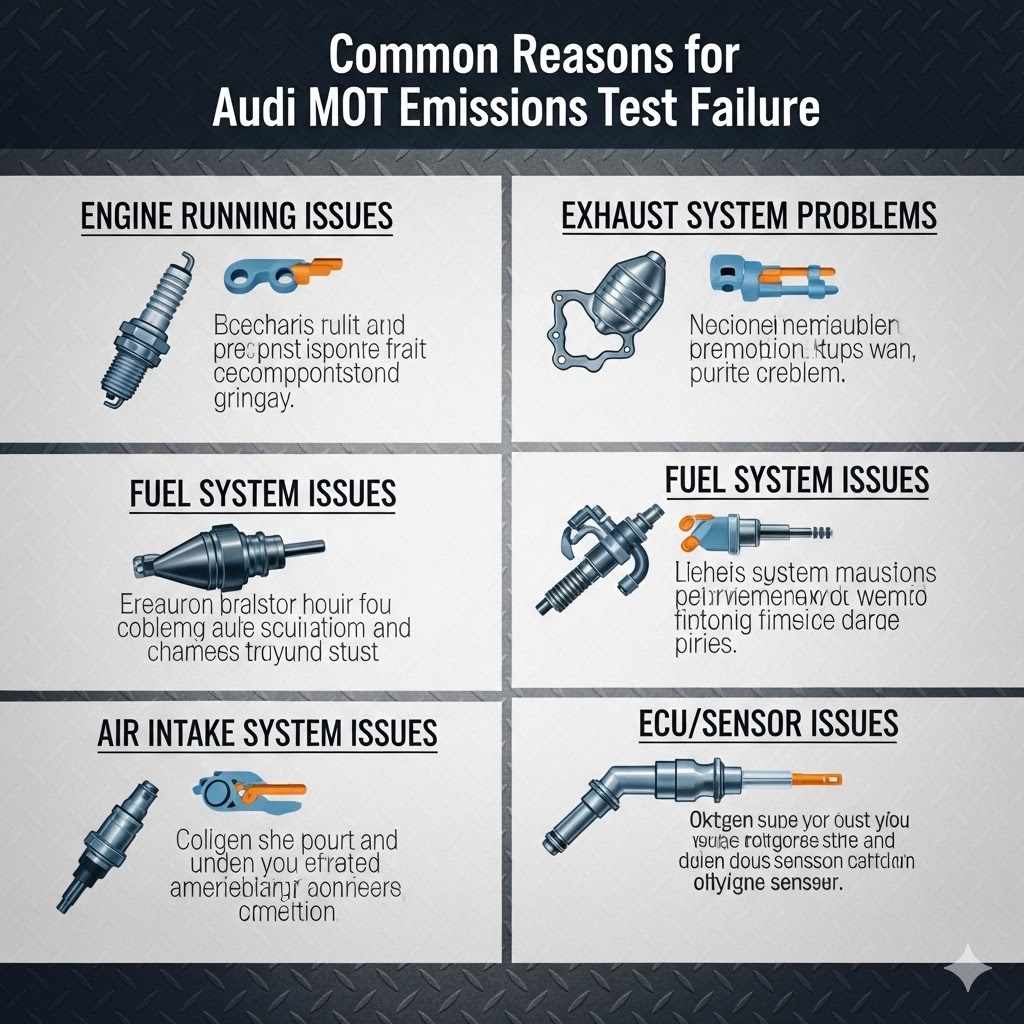
Engine Running Issues
An engine that isn’t running smoothly is a prime suspect for failing emissions tests. When your engine has issues like misfires, unburned fuel can escape into the exhaust system. This leads to higher levels of hydrocarbons, a key indicator of a problem.
Faulty spark plugs are a very common reason for misfires. They might be worn out, dirty, or have the wrong gap. This means they don’t create a strong enough spark to ignite the fuel-air mixture properly.
Dirty fuel injectors can also cause problems. If they are clogged, they won’t spray fuel evenly into the engine cylinders. This results in an improper mix of fuel and air, leading to incomplete combustion and higher emissions.
Oxygen sensors play a vital role in managing your engine’s fuel mixture. If an oxygen sensor is failing, it sends incorrect information to the engine control unit (ECU). The ECU then might provide too much or too little fuel, disrupting the ideal balance for clean burning.
The catalytic converter is another key component. Its job is to convert harmful exhaust gases into less harmful ones. If it’s old, damaged, or clogged, it can’t do its job effectively, and emissions will rise.
Faulty Mass Airflow (MAF) sensors can also impact emissions. The MAF sensor tells the ECU how much air is entering the engine. If it’s not accurate, the ECU might inject the wrong amount of fuel, leading to poor combustion and higher emissions.
One common scenario is noticing a rough idle or engine hesitation. These are often signs of underlying issues like spark plug or injector problems. For example, if your Audi A3 starts to shudder slightly when stopped at a traffic light, it could point to a misfire.
- Worn Spark Plugs
Spark plugs ignite the fuel-air mixture in your engine. Over time, they can wear down, become fouled with carbon, or develop incorrect gaps. This reduces their ability to create a strong spark, leading to incomplete combustion.When combustion is incomplete, unburned fuel (hydrocarbons) escapes into the exhaust, failing the emissions test. Regular replacement according to your Audi A3’s service schedule is important.
- Dirty Fuel Injectors
Fuel injectors deliver the precise amount of fuel into the engine cylinders. Deposits can build up on injector nozzles, restricting fuel flow or causing a poor spray pattern. This disrupts the optimal fuel-air ratio, resulting in inefficient burning.A clogged injector can lead to a rich fuel mixture, increasing hydrocarbon and carbon monoxide emissions. Professional cleaning or replacement might be necessary.
Faulty Oxygen SensorsOxygen sensors monitor the amount of oxygen in your exhaust gases. This information is crucial for the engine’s computer to adjust the fuel-air mixture. If a sensor is faulty, it may inaccurately report low oxygen levels, causing the computer to add too much fuel (rich mixture).This results in increased emissions of unburned hydrocarbons and carbon monoxide. Symptoms can include poor fuel economy and a check engine light.
Exhaust System Problems
The exhaust system is responsible for carrying harmful gases away from the engine and passengers. If there are leaks or blockages in this system, it can directly impact your Audi A3’s emissions test results. A properly functioning exhaust is essential for clean running.
Leaks in the exhaust system before the catalytic converter can let unmetered air into the exhaust stream. This can confuse the oxygen sensors, leading to incorrect fuel mixture adjustments. It also means that some exhaust gases might bypass emission control devices.
A clogged catalytic converter is a frequent cause of high emissions. The catalytic converter uses precious metals to transform harmful pollutants like carbon monoxide, hydrocarbons, and nitrogen oxides into less harmful substances. When it becomes blocked with soot or debris, exhaust gases cannot flow through it efficiently.
This restriction can cause engine performance issues and significantly increase pollutant levels.
Damaged exhaust pipes or mufflers can also contribute. If sections are rusted through or have holes, exhaust gases can escape prematurely. This not only increases noise pollution but also means emissions are released before they can be treated.
Consider a scenario where your Audi A3 starts making a louder than usual rumbling noise from underneath. This is a classic sign of an exhaust leak, which needs immediate attention before an MOT test.
- Exhaust Leaks
Leaks in the exhaust manifold, pipes, or joints allow exhaust gases to escape before they reach the catalytic converter. This can lead to incorrect readings from oxygen sensors, causing the engine management system to adjust the fuel mixture improperly. It can also mean that some exhaust gases bypass the catalytic converter altogether, resulting in higher tailpipe emissions.These leaks can also be a safety hazard as toxic gases could enter the cabin.
- Blocked Catalytic Converter
The catalytic converter is designed to chemically transform harmful pollutants in the exhaust into less harmful substances. If it becomes clogged with carbon deposits, oil residue, or physical damage, exhaust gases cannot flow through it freely. This restriction significantly hinders the engine’s ability to expel gases, leading to reduced performance, increased fuel consumption, and drastically elevated emissions of hydrocarbons and carbon monoxide.A failing catalytic converter often needs to be replaced.
- Damaged Muffler or Pipes
Rust, corrosion, or physical impact can cause holes or cracks in your mufflers and exhaust pipes. These breaches allow exhaust gases to escape directly into the atmosphere. Not only does this create excessive noise, but it also means that these gases are released without undergoing any emission control processes.This direct release of untreated exhaust contributes to failing the emissions part of the MOT test.
Fuel System Issues
The fuel system is responsible for delivering fuel to the engine. Any problems here can directly affect how efficiently your Audi A3 burns fuel, which is critical for emissions control.
Using the wrong type of fuel or contaminated fuel can cause significant issues. Old fuel can degrade and form deposits that clog up the fuel system. Water in the fuel can also disrupt combustion.
A faulty fuel pump might not deliver fuel at the correct pressure. If the pressure is too low, the engine might run lean, causing misfires. If it’s too high, it could lead to a rich mixture and increased emissions.
The fuel filter prevents debris from entering the fuel injectors. If the fuel filter becomes clogged, it can restrict fuel flow, leading to poor engine performance and potentially affecting emissions.
For example, if you notice that your Audi A3 struggles to accelerate after a period of inactivity, it might indicate a fuel delivery problem that affects emissions.
- Contaminated or Old Fuel
Fuel can degrade over time, especially if left unused for extended periods. It can form gum and varnish deposits, which can clog fuel injectors and filters. Furthermore, fuel can become contaminated with water or other substances.Burning contaminated or degraded fuel leads to incomplete combustion, resulting in higher levels of unburned hydrocarbons and other pollutants in the exhaust. Always use the recommended fuel type for your vehicle.
- Faulty Fuel Pump
The fuel pump delivers fuel from the tank to the engine at a specific pressure. If the fuel pump is weak or failing, it might not provide enough fuel to the engine, leading to a lean fuel-air mixture. This can cause misfires and incomplete combustion.Conversely, if it over-pressurizes, it can create a rich mixture. Both scenarios negatively impact emission control and can lead to a failed MOT test.
- Clogged Fuel Filter
The fuel filter is designed to trap dirt, rust, and other impurities in the fuel before it reaches the injectors. Over time, these contaminants accumulate, restricting fuel flow. A severely clogged fuel filter can starve the engine of fuel, causing sputtering, hesitation, and a loss of power.This inconsistent fuel delivery can lead to inefficient combustion and increased emissions. Regular replacement of the fuel filter is part of routine maintenance.
Air Intake System Issues
The air intake system ensures the engine receives the correct amount of air mixed with fuel for optimal combustion. Problems here can severely disrupt this balance.
A dirty air filter restricts airflow. If the engine doesn’t get enough air, it can lead to a rich fuel mixture. This means there’s more fuel than the available oxygen can burn completely, increasing hydrocarbon emissions.
Leaks in the intake manifold or vacuum hoses can allow unmetered air to enter the engine. This disrupts the precise fuel-air ratio measured by sensors. The engine control unit tries to compensate, but this can lead to unstable running and higher emissions.
The throttle body controls the amount of air entering the engine. If it’s dirty or malfunctioning, it can cause erratic idling and affect the air supply to the engine, impacting combustion efficiency and emissions.
Imagine your Audi A3 suddenly feels sluggish during acceleration. This might be a sign that the engine isn’t getting enough air, possibly due to a clogged air filter or an intake leak.
- Dirty Air Filter
The air filter cleans the air entering your engine. Over time, it can become clogged with dust, dirt, and debris. A clogged air filter restricts the flow of air into the engine.The engine’s computer, not knowing that less air is available, may inject too much fuel for the amount of air. This creates a rich fuel mixture, leading to incomplete combustion and elevated levels of hydrocarbons and carbon monoxide. Replacing the air filter regularly is a simple but effective maintenance task.
- Intake Leaks
Leaks can occur in the air intake hoses, manifold gaskets, or vacuum lines that connect to the intake system. These leaks allow outside air to enter the engine after the airflow sensor but before the cylinders. This unmetered air disrupts the carefully calculated fuel-air ratio.The engine management system might try to compensate, but this can result in a rough idle, poor performance, and increased emissions because the combustion process is no longer optimized.
- Faulty Throttle Body
The throttle body regulates the amount of air that enters the engine based on how hard you press the accelerator pedal. If the throttle body is dirty, sticking, or malfunctioning, it can cause inconsistent airflow. This can lead to irregular idling speeds and a poor fuel-air mixture.Inconsistent combustion due to throttle body issues will directly affect your Audi A3’s ability to meet emission standards, particularly during low-speed driving.
Engine Management System (ECU) and Sensor Issues
Your car’s Engine Control Unit (ECU), often called the engine computer, is the brain of the operation. It takes information from various sensors and makes adjustments to ensure your engine runs efficiently and cleanly. When the ECU or its sensors are not functioning correctly, emissions can suffer significantly.
Many sensors feed data to the ECU. These include the oxygen sensors (which we’ve mentioned), the Mass Airflow (MAF) sensor, the Manifold Absolute Pressure (MAP) sensor, and coolant temperature sensors. Each one provides a piece of the puzzle for the ECU to determine the optimal fuel and spark timing.
If a sensor provides faulty data, the ECU will make incorrect adjustments. For instance, a faulty coolant temperature sensor might tell the ECU that the engine is always cold, leading it to inject more fuel than necessary. This rich mixture causes higher emissions.
The ECU itself can also develop faults. These are less common than sensor issues but can lead to widespread problems with engine performance and emissions control. A check engine light often illuminates when the ECU detects a problem, but not always.
A common scenario here is when the “Check Engine” light on your Audi A3 stays on. This light is an indicator that the ECU has detected a fault, often related to emissions.
- Faulty Oxygen Sensors
As mentioned before, oxygen sensors are critical. They measure the oxygen content in the exhaust gas. This allows the ECU to fine-tune the fuel-air mixture.If an oxygen sensor is lazy, inaccurate, or completely dead, it sends bad data. The ECU might then consistently overfuel or underfuel the engine, leading to incomplete combustion and increased emissions of hydrocarbons and carbon monoxide. Many modern cars have multiple oxygen sensors, before and after the catalytic converter.
- Mass Airflow (MAF) Sensor Problems
The MAF sensor measures the amount of air entering the engine. This measurement is vital for the ECU to calculate the correct amount of fuel to inject. If the MAF sensor is dirty or faulty, it will provide inaccurate readings.If it under-reports airflow, the ECU will inject too little fuel (lean mixture), potentially causing misfires and incomplete combustion. If it over-reports, it might inject too much fuel (rich mixture), also leading to higher emissions. Cleaning or replacing the MAF sensor is often necessary.
- Engine Control Unit (ECU) Malfunctions
The ECU is the central computer that controls fuel injection, ignition timing, and other engine functions. While generally reliable, ECUs can sometimes malfunction due to electrical issues, software glitches, or physical damage. An ECU fault can cause erratic engine behavior, poor fuel economy, and significantly impact emission control systems.Diagnosing ECU issues typically requires specialized scanning tools and expertise. In some cases, the ECU might need to be reprogrammed or replaced.
- Faulty Coolant Temperature Sensor
The engine coolant temperature sensor informs the ECU about the engine’s operating temperature. When the engine is cold, the ECU enriches the fuel mixture to help it run smoothly. If the temperature sensor incorrectly reports that the engine is cold, even when it’s warm, the ECU will continue to overfuel the engine.This results in a rich fuel mixture, leading to excessive hydrocarbon and carbon monoxide emissions and a failed MOT test.
Diagnosing Your Audi A3’s Emissions Failure
When your Audi A3 fails its MOT emissions test badly, it’s time to figure out exactly why. This isn’t just about passing the test; it’s about keeping your car running well and being environmentally responsible. We’ll guide you through the diagnostic process.
The first step is often to connect a diagnostic tool to your car’s On-Board Diagnostics (OBD-II) port. This tool reads error codes that the car’s computer has stored, which can point directly to the problem. These codes are like a secret language that tells you what the car’s computer has detected.
Visual inspection is also key. Sometimes, the problem is obvious, like a damaged exhaust pipe or a disconnected hose. Looking under the bonnet and around the exhaust can reveal issues that a diagnostic tool might not catch.
Smell is another indicator. A strong smell of petrol could mean unburned fuel is escaping, pointing to a rich mixture. A rotten egg smell might suggest a failing catalytic converter.
Finally, listening to your engine is important. Unusual noises, like misfires or excessive backfiring, can signal underlying problems that affect emissions.
Using an OBD-II Scanner
An OBD-II scanner is an invaluable tool for diagnosing engine issues. It connects to your Audi A3’s OBD-II port, usually located under the dashboard. This port allows access to the vehicle’s computer system, where fault codes are stored.
When the engine management system detects a problem that could affect emissions, it logs a Diagnostic Trouble Code (DTC). These codes are standardized and can be looked up to identify the specific issue. For example, a code like P0420 often relates to catalyst system efficiency below threshold.
Using a scanner allows you to read these codes and understand what component or system is malfunctioning. Many scanners also provide live data, showing real-time information from various sensors like oxygen sensor readings and engine load. This helps in pinpointing intermittent faults or confirming suspected issues.
For instance, if your Audi A3 failed its emissions test, scanning for codes might reveal a P0171 code, indicating a “System Too Lean” condition. This points towards issues like vacuum leaks or a failing fuel pump.
- Reading Diagnostic Trouble Codes (DTCs)
When your car’s engine control unit (ECU) detects a problem, it stores a specific code, known as a Diagnostic Trouble Code (DTC). An OBD-II scanner can read these codes directly from the ECU. Each code corresponds to a particular fault, such as a misfire, a faulty sensor, or an issue with the emissions control system.Identifying these codes is the first crucial step in diagnosing why your Audi A3 failed its MOT emissions test. For example, a P0300 code indicates a random or multiple cylinder misfire.
- Interpreting Live Data Streams
Beyond just reading fault codes, OBD-II scanners can display live data from various sensors in real-time. This includes information like engine RPM, vehicle speed, oxygen sensor voltages, fuel trim levels, and manifold absolute pressure. By observing these values as the engine runs, a technician can identify abnormal readings that might indicate a developing problem not yet severe enough to trigger a DTC.For instance, erratic oxygen sensor readings could point to a faulty sensor or an air leak.
- Identifying Specific Component Failures
The DTCs and live data provided by an OBD-II scanner help narrow down the possibilities to specific components. For example, if codes point to an issue with the evaporative emission control (EVAP) system, the scanner can help you check the purge valve, vent solenoid, or fuel tank pressure sensor. This targeted approach saves time and money by avoiding guesswork and ensuring that the correct part is diagnosed and replaced.It’s like having a digital mechanic’s report for your car.
Visual Inspection and Sensory Clues
Sometimes, the most obvious problems are found not with a computer, but with your own eyes, ears, and nose. A thorough visual inspection can reveal issues that a diagnostic scanner might miss, especially if no fault codes have been logged yet.
Start by looking under the car for any signs of damage to the exhaust system. Are there any holes, rust patches, or loose connections? Check all visible hoses and wires for signs of wear, cracking, or disconnection.
Pay attention to any unusual smells. A strong smell of petrol could indicate a fuel leak or an overly rich fuel mixture. A smell like rotten eggs often points to a failing catalytic converter that isn’t processing gases correctly.
Listen to your engine. Does it sound smooth, or are there any strange noises? A persistent knocking, ticking, or misfiring sound can be a clue to an internal engine problem that affects combustion and emissions.
For example, if you notice a constant puff of black smoke coming from your exhaust pipe when your Audi A3 is running, this is a strong visual clue of a rich fuel mixture.
- Checking for Exhaust Leaks and Damage
Visually inspect the entire exhaust system, from the engine manifold to the tailpipe. Look for any signs of rust, corrosion, holes, cracks, or loose joints. Leaks can allow exhaust gases to escape prematurely, potentially bypassing the catalytic converter and leading to failed emissions.They can also introduce unmetered air into the system, confusing oxygen sensors and affecting the air-fuel ratio, which is crucial for accurate emissions readings. Don’t forget to check the muffler and exhaust pipes for any signs of damage.
- Inspecting Hoses and Vacuum Lines
The engine relies on a network of hoses and vacuum lines for various functions, including controlling air intake and emissions systems. Over time, these rubber components can become brittle, crack, or become disconnected. A visual inspection should check for any signs of wear, chafing, or loose fittings.A broken or disconnected vacuum line can allow unmetered air into the engine, disrupting the fuel-air mixture and leading to rough idling and increased hydrocarbon emissions.
- Listening for Engine Irregularities
When your Audi A3 is running, listen carefully to the engine. Are there any unusual sounds? A consistent ticking or tapping noise could indicate valve train issues.A sputtering or misfiring sound suggests that one or more cylinders are not firing correctly. Excessive backfiring from the exhaust might point to an issue with the ignition timing or a problem with the fuel system. These auditory clues can help pinpoint areas of concern that impact combustion efficiency and emissions.
- Identifying Fuel Odors
A strong smell of petrol (gasoline) around your car, especially when the engine is running or recently turned off, is a significant warning sign. It can indicate a fuel leak in the lines, injectors, or fuel tank. Alternatively, it might suggest that the engine is running too rich, meaning it’s burning too much fuel and not enough air, which results in high hydrocarbon emissions.A “rotten egg” smell coming from the exhaust is often associated with a malfunctioning catalytic converter.
Practical Solutions and Maintenance for Your Audi A3
Once you know why your Audi A3 might be failing its emissions test, it’s time to look at solutions. Many of these are simple maintenance tasks that can prevent problems before they start. Keeping up with your car’s needs is the best way to ensure it passes the MOT.
Regular servicing is key. This includes things like changing the oil and air filters, and replacing spark plugs at the recommended intervals. These basic tasks ensure your engine is running as efficiently as possible.
Fuel system cleaning can also make a big difference. Over time, deposits can build up in the injectors. A professional fuel system clean can remove these, ensuring proper fuel atomization and combustion.
Addressing any warning lights promptly is also important. Don’t ignore that check engine light! Getting it checked out quickly can prevent small issues from becoming major, expensive repairs.
For example, simply replacing old spark plugs with new ones can dramatically improve combustion efficiency and lower emissions.
Regular Servicing Schedule
Adhering to your Audi A3’s recommended servicing schedule is the most effective way to prevent emissions-related failures. Manufacturers provide guidelines for when specific maintenance tasks should be performed. These schedules are designed to keep your car running optimally and prevent wear and tear on critical components.
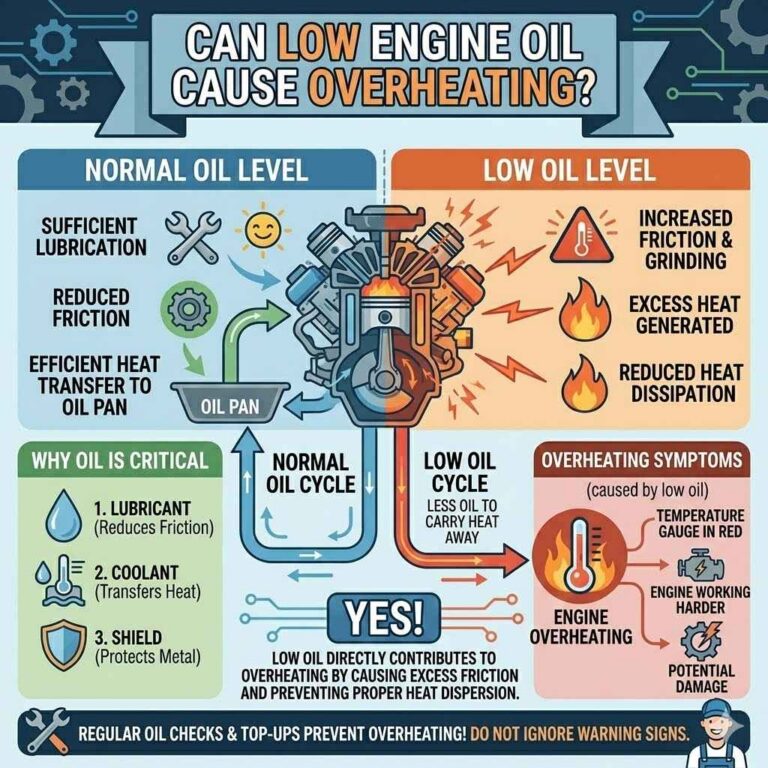
Key service items include regular oil changes with the correct grade of oil. Clean oil lubricates the engine and helps dissipate heat, both crucial for efficient operation. The oil filter should also be replaced at each oil change to prevent contaminants from circulating.
The air filter should be inspected and replaced as needed. A clogged air filter restricts airflow, leading to a rich fuel mixture and increased emissions. Similarly, the fuel filter should be replaced periodically to ensure clean fuel delivery to the injectors.
Spark plugs also have a lifespan and should be replaced at the manufacturer’s recommended intervals. Worn spark plugs lead to weak sparks, incomplete combustion, and higher emissions.
- Oil and Filter Changes
Regular oil changes are fundamental to engine health and performance. Engine oil lubricates moving parts, reduces friction, and helps cool the engine. Over time, oil degrades and becomes contaminated with combustion byproducts.Fresh oil ensures proper lubrication, which leads to more efficient engine operation and better combustion. The oil filter removes these contaminants from the oil. Sticking to the recommended service intervals for oil and filter changes is crucial for maintaining optimal engine function and reducing wear, which indirectly helps emissions.
- Air Filter Replacement
The air filter’s job is to prevent dust, dirt, and other debris from entering the engine. A clean air filter allows an optimal amount of air to flow into the combustion chambers. When the air filter becomes clogged, it restricts airflow.This imbalance can cause the engine control unit (ECU) to inject more fuel than necessary to compensate for the lack of air, resulting in a rich fuel mixture. A rich mixture leads to incomplete combustion and increased levels of unburned hydrocarbons and carbon monoxide.
- Spark Plug Replacement
Spark plugs ignite the fuel-air mixture in the engine cylinders. Over time, the electrodes on spark plugs can wear down, become fouled with carbon deposits, or have an incorrect gap. This leads to a weaker spark or inconsistent ignition.Weak or missed sparks result in incomplete combustion, where fuel is not fully burned. This unburned fuel is released as hydrocarbons in the exhaust, significantly increasing emissions and causing the engine to run less efficiently. Replacing spark plugs at the recommended intervals ensures a strong, consistent spark for optimal combustion.
Fuel System Cleaning and Maintenance
The fuel system is complex, and keeping it clean is vital for efficient combustion and low emissions. Deposits can build up over time, affecting how fuel is delivered and burned.
One common maintenance item is fuel injector cleaning. Over time, tiny particles and byproducts from fuel can clog the nozzles of the fuel injectors. This leads to a less precise spray pattern and uneven fuel distribution within the cylinder.
This poor atomization means fuel doesn’t mix with air as effectively, leading to incomplete combustion and higher hydrocarbon emissions. Professional cleaning uses special solutions and equipment to remove these stubborn deposits.
Using a quality fuel system cleaner as an additive can also help prevent future buildup. These cleaners help to keep injectors clean and prevent carbon deposits from forming in the combustion chambers and on valves.
For example, if your Audi A3 has been experiencing hesitation during acceleration, a fuel injector cleaning could resolve the issue and improve emissions.
- Fuel Injector Cleaning
Fuel injectors are precision components that spray fuel into the engine’s cylinders. Over time, deposits from fuel additives and combustion byproducts can form on the injector nozzles. This can disrupt the fine spray pattern, leading to poor fuel atomization and an uneven distribution of fuel within the combustion chamber.When fuel doesn’t mix properly with air, combustion is incomplete, resulting in higher emissions of unburned hydrocarbons. Professional cleaning uses specialized solutions to remove these deposits, restoring the optimal spray pattern and improving fuel efficiency and emissions
- Fuel Filter Replacement
The fuel filter is essential for trapping impurities in the fuel before they reach the injectors. If this filter becomes clogged with debris, it restricts fuel flow to the engine. This can cause a variety of problems, including reduced engine performance, hesitation, and difficulty starting.More importantly for emissions, an insufficient fuel supply can lead to a lean fuel-air mixture, which can cause misfires and incomplete combustion, thus increasing certain pollutant levels. Regular replacement ensures a steady and clean fuel supply.
- Using Quality Fuel
The quality of the fuel you use can impact your car’s emissions. Lower quality fuels may contain more impurities or have a different chemical composition that can lead to poorer combustion. Using fuel that meets your Audi A3’s specifications, preferably from reputable fuel stations, helps ensure that the fuel burns more cleanly.Some fuels also contain detergents designed to keep the fuel system clean, which can contribute to maintaining optimal engine performance and emissions over time.
Addressing Check Engine Lights Promptly
The “Check Engine” light is a warning from your Audi A3’s computer that it has detected a problem. Ignoring this light is a common mistake that can lead to more serious issues and a failed MOT test.
When the light illuminates, it means the Engine Control Unit (ECU) has logged a Diagnostic Trouble Code (DTC). These codes are specific to the problem detected. For emissions-related issues, the ECU often tries to compensate for the fault, but this compensation is usually not enough to meet strict MOT standards.
The sooner you get the car checked, the better. A small issue, like a faulty oxygen sensor, can lead to a cascade of problems if left unaddressed. It might cause the catalytic converter to overheat or fail prematurely, leading to a much more expensive repair.
For instance, if the check engine light comes on your Audi A3, and you continue driving without investigation, the increased emissions could lead to a failed MOT.
- Scan for Fault Codes
The very first step when a check engine light appears is to scan the vehicle for Diagnostic Trouble Codes (DTCs). As mentioned, these codes provide specific information about the fault detected by the ECU. Using an OBD-II scanner will reveal these codes.Not all check engine lights are related to immediate catastrophic failure, but they always indicate a problem that needs attention. Some codes point directly to emissions system faults.
- Diagnose and Repair the Cause
Once the DTCs are known, proper diagnosis is required to pinpoint the exact cause. A code might indicate a problem with a specific sensor, but the underlying issue could be something else, like a wiring problem or a vacuum leak affecting that sensor’s readings. It’s important to correctly diagnose the root cause rather than just replacing parts based on the code alone.This prevents unnecessary repairs and ensures the problem is fixed correctly.
- Resetting the Check Engine Light
After the necessary repairs are made, the mechanic will clear the DTCs from the ECU. This action also resets the check engine light. However, it is crucial that the repairs have actually solved the underlying problem.If the light comes back on, it means the issue has not been resolved. The vehicle should be driven for a period to allow the onboard monitoring systems to run their self-tests before re-presenting for an MOT.
Advanced Issues and Solutions for Audi A3 Emissions
Sometimes, the cause of an Audi A3’s bad emissions failure is more complex than simple wear and tear. These advanced issues often involve sophisticated engine systems and components that require specialized knowledge to diagnose and repair.
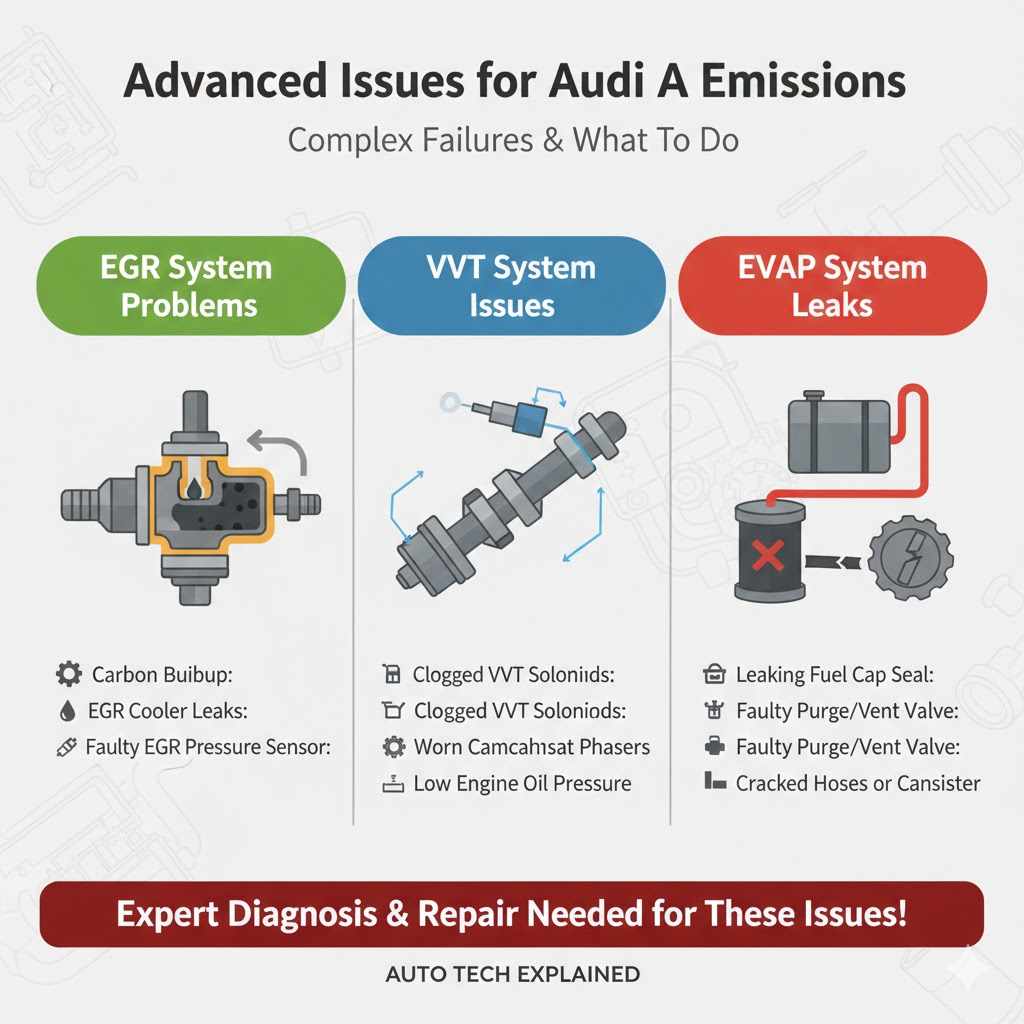
The exhaust gas recirculation (EGR) system is one such area. Its job is to reduce nitrogen oxide (NOx) emissions by recirculating some exhaust gas back into the engine’s intake. If the EGR valve gets stuck open or closed, it can cause poor engine performance and high emissions.
Variable valve timing (VVT) systems are another advanced component. They adjust the timing of the engine’s valves to optimize performance and efficiency across different engine speeds. Malfunctions here can lead to poor combustion and increased pollutants.
Modern Audis also use complex evaporative emission control (EVAP) systems. These systems prevent fuel vapors from escaping into the atmosphere. Leaks or faulty valves in this system are common reasons for emission test failures.
For example, a clogged EGR valve on your Audi A3 could lead to rough idling and significantly increased NOx emissions.
Exhaust Gas Recirculation (EGR) System Problems
The EGR system is a crucial part of reducing harmful nitrogen oxide (NOx) emissions. It works by redirecting a small portion of exhaust gas back into the engine’s intake manifold. This lowers the combustion temperature, which in turn reduces the formation of NOx.
However, the EGR valve can become clogged with carbon deposits over time. This is especially common in diesel engines, but petrol engines can also be affected. A clogged EGR valve can get stuck in either the open or closed position.
If the EGR valve is stuck open, it can cause rough idling, engine stalling, and a noticeable drop in engine power, especially at lower speeds. It can also lead to an incomplete combustion process.
If the EGR valve is stuck closed, exhaust gases are not recirculated. This leads to higher combustion temperatures and a significant increase in NOx emissions, which is a common failure point in emissions tests.
- Carbon Buildup in EGR Valve
Over time, soot and carbon particles from exhaust gases can accumulate within the EGR valve and its passages. This buildup can prevent the valve from operating correctly. It might get stuck partially or fully open, or it may not close properly.This leads to either too much exhaust gas being recirculated at inappropriate times (causing poor running) or not enough being recirculated (leading to high NOx emissions). Cleaning or replacing the EGR valve is often necessary to resolve these issues.
- EGR Cooler Leaks
Many modern vehicles feature an EGR cooler, which cools the exhaust gases before they are reintroduced into the intake. These coolers can develop leaks, especially in the seals or the internal passages. A leaking EGR cooler can allow coolant to mix with exhaust gases or enter the intake system.This contamination can lead to poor engine performance, white smoke from the exhaust, and can negatively affect the combustion process, contributing to failed emissions tests.
- Faulty EGR Pressure Sensor
Some EGR systems use a pressure sensor to monitor the flow of exhaust gas. If this sensor malfunctions, it can send incorrect signals to the ECU, causing the ECU to make improper adjustments to the EGR system or fuel mixture. This can result in inefficient EGR operation, leading to increased NOx emissions and potential engine performance issues that could cause an MOT failure.Accurate sensor readings are vital for the ECU to manage emissions effectively.
Variable Valve Timing (VVT) System Issues
Variable Valve Timing (VVT) systems are designed to improve engine performance, fuel economy, and emissions by optimizing the timing of when the intake and exhaust valves open and close. These systems are electronically controlled.
The VVT system uses camshaft phasers, solenoids, and oil control valves, all managed by the ECU. The ECU adjusts the valve timing based on engine speed, load, and other factors.
Problems can arise from several areas. The VVT solenoids can become clogged with sludge or fail electronically, preventing them from controlling the oil flow to the phasers. The camshaft phasers themselves can wear out or become stuck, failing to adjust the valve timing correctly.
Low oil pressure can also prevent the VVT system from functioning properly.
When the VVT system is not operating correctly, it can lead to poor engine timing. This means the engine doesn’t breathe or expel gases as efficiently as it should. This inefficiency directly impacts combustion, leading to increased emissions of hydrocarbons and other pollutants.
For instance, if the VVT system on your Audi A3 fails to adjust the valves for optimal performance at higher RPMs, it can lead to incomplete combustion and higher emissions.
- Clogged VVT Solenoids
The VVT solenoids are electro-hydraulic valves that control the flow of engine oil to the VVT actuators (phasers). If the engine oil is not changed regularly or is contaminated with sludge, these solenoids can become clogged. A clogged solenoid cannot properly regulate oil pressure to the phasers, preventing the camshaft timing from being adjusted correctly.This leads to suboptimal valve timing, affecting engine performance, fuel economy, and increasing emissions.
- Worn Camshaft Phasers
The camshaft phasers are the mechanical components that actually change the camshaft timing. They are driven by oil pressure controlled by the solenoids. Over time, the internal components of the phasers can wear down.This wear can cause them to become noisy (a common symptom is a rattling sound on startup) or fail to hold their position, preventing the ECU from accurately controlling valve timing. Incorrect valve timing leads to inefficient combustion and higher emissions.
- Low Engine Oil Pressure
The entire VVT system relies on adequate engine oil pressure to function. If the engine oil level is low, or if there is a problem with the oil pump or oil passages, the oil pressure can be insufficient. Low oil pressure means the VVT solenoids may not be able to actuate the phasers effectively, and the phasers themselves may not be able to maintain the desired timing.This loss of hydraulic control results in incorrect valve timing and can cause significant increases in emissions.
Evaporative Emission Control (EVAP) System Leaks
The Evaporative Emission Control (EVAP) system is designed to capture fuel vapors from the fuel tank and prevent them from escaping into the atmosphere. These vapors are then routed back into the engine to be burned.
The EVAP system consists of several components, including the fuel tank, charcoal canister, purge valve, and vent valve. The charcoal canister stores fuel vapors when the engine is off. When the engine is running, the purge valve opens, allowing these stored vapors to be drawn into the engine’s intake manifold.
Leaks in any part of this system are a common cause of emissions test failures. A leak can occur in the fuel tank itself, in the hoses connecting the components, or in the valves. Even a small leak can allow significant amounts of fuel vapor to escape.
Many modern cars have sophisticated EVAP monitoring systems that can detect these leaks. If a leak is found, the check engine light will usually illuminate. These systems often require specialized equipment to test properly.
For example, if the seal on your Audi A3’s fuel cap is damaged, it can cause an EVAP leak and trigger a check engine light.
- Leaking Fuel Cap Seal
The fuel cap is a critical component of the EVAP system. Its seal is designed to keep the fuel tank pressurized and prevent vapors from escaping. If the fuel cap is not tightened properly, or if its seal is cracked or worn, it can allow fuel vapors to escape.This is often the simplest and most common EVAP leak. Many cars are equipped with systems that can detect this specific type of leak, often illuminating the check engine light.
- Faulty Purge Valve or Vent Valve
The purge valve controls the flow of fuel vapors from the charcoal canister to the engine’s intake manifold. The vent valve allows fresh air into the EVAP system to help with vapor transfer and prevents pressure buildup. If the purge valve gets stuck open, it can cause the engine to run lean or too rich, affecting emissions.If the vent valve is stuck open or closed, it can disrupt the system’s ability to capture and purge vapors correctly, leading to leaks or pressure issues.
- Cracked Hoses or Canister
The EVAP system uses a network of rubber and plastic hoses to connect the various components. These hoses can become brittle, crack, or become loose over time due to heat and age. The charcoal canister itself, which stores the fuel vapors, can also develop cracks.Any breach in this sealed system will allow fuel vapors to escape directly into the atmosphere, resulting in a failed emissions test. A thorough inspection for cracks or loose connections is essential.
Frequently Asked Questions
Question: What are the most common reasons for an Audi A3 to fail emissions?
Answer: The most common reasons include issues with the engine running (like spark plugs or injectors), problems with the exhaust system (leaks or a blocked catalytic converter), fuel system issues, and air intake system problems.
Question: Can a dirty air filter really cause a car to fail its emissions test?
Answer: Yes, a dirty air filter restricts airflow. This can cause the engine to run with too much fuel and not enough air, leading to incomplete combustion and higher hydrocarbon emissions.
Question: How quickly should I address a check engine light if my car needs an MOT soon?
Answer: You should address a check engine light immediately. It indicates a problem that could be affecting emissions, and it will likely cause your car to fail its MOT if not resolved.
Question: Is it always expensive to fix emissions problems?
Answer: Not always. Some issues, like replacing an air filter or spark plugs, are relatively inexpensive. However, problems like a failed catalytic converter or complex sensor failures can be costly.
Question: How often should I service my Audi A3 to prevent emissions issues?
Answer: Follow your Audi’s recommended service schedule. Typically, this involves regular oil changes, air filter checks, and spark plug replacements at specified intervals.
Summary
Your Audi A3 failing its MOT emissions test badly is often due to common issues like engine wear, exhaust leaks, or sensor faults. By understanding these potential problems and performing regular maintenance, such as servicing and prompt attention to warning lights, you can ensure your car runs cleanly. This proactive approach will help your Audi A3 pass its emissions test and keep it reliable on the road.