Why Is My Car Battery Overcharging: Essential Guide
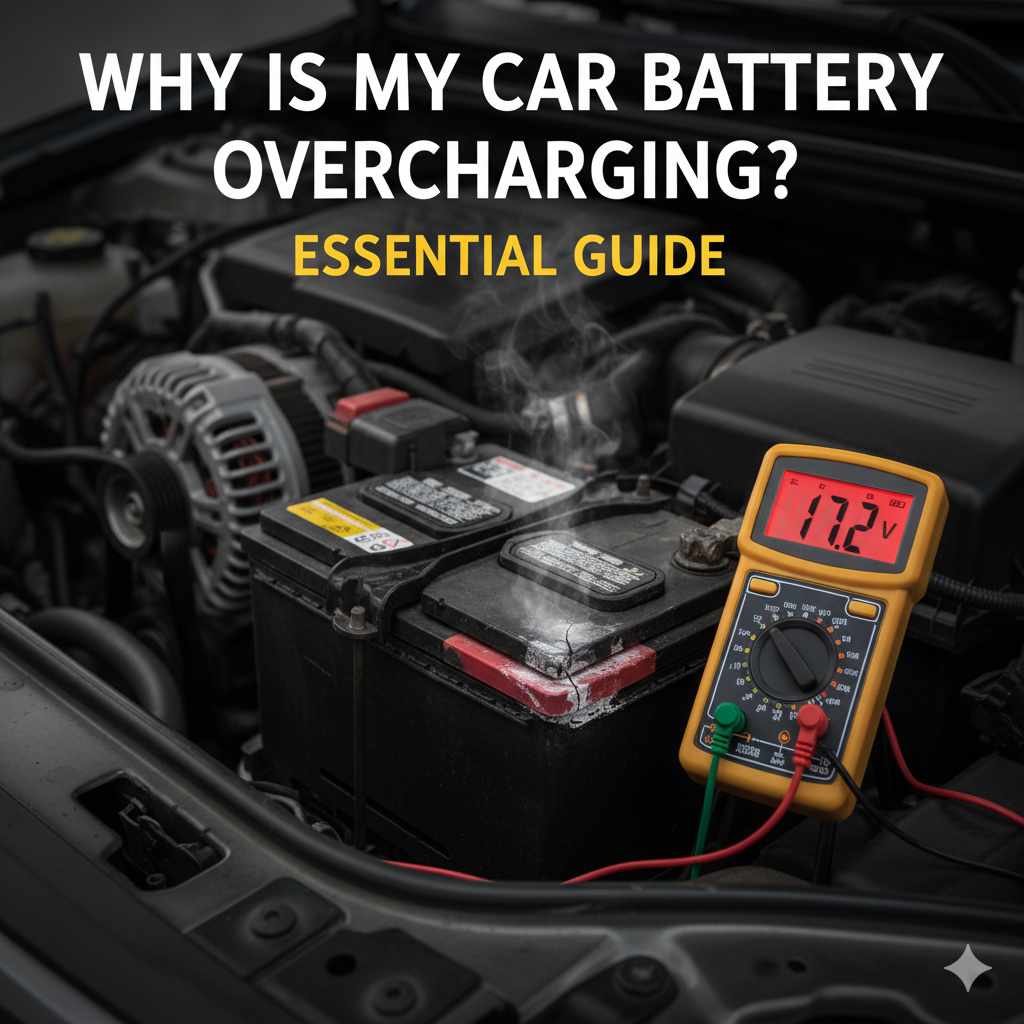
Your car’s battery is overcharging primarily due to a faulty voltage regulator or alternator. This can cause damage to your battery and electrical system. This guide explains the signs, causes, and what you can do to fix it.
Have you ever noticed a strange smell coming your car, or maybe the battery warning light staying on? It can be a bit worrying when your car starts acting up, especially if you’re not a car expert. One of those things that can cause concern is a car battery that seems to be overcharging. This means it’s getting too much electrical power, which isn’t good for your car’s delicate systems. But don’t stress! I’m here to walk you through exactly what might be happening and what simple steps you can take. We’ll break down why this happens and how to get your car back to running smoothly and safely. Let’s dive in and figure this out together!
What Does It Mean When a Car Battery is Overcharging?
Simply put, overcharging a car battery means it’s receiving more electrical current than it’s designed to handle. Your car’s charging system, which includes the alternator, is supposed to provide a steady, controlled flow of power to keep your battery topped up and run your car’s electronics. When this system malfunctions, it can send too much voltage and amperage to the battery. Think of it like trying to fill a glass of water with a fire hose – it’s just too much, too fast, and it creates a mess and can even damage the glass. In a car, this can lead to a few noticeable symptoms.
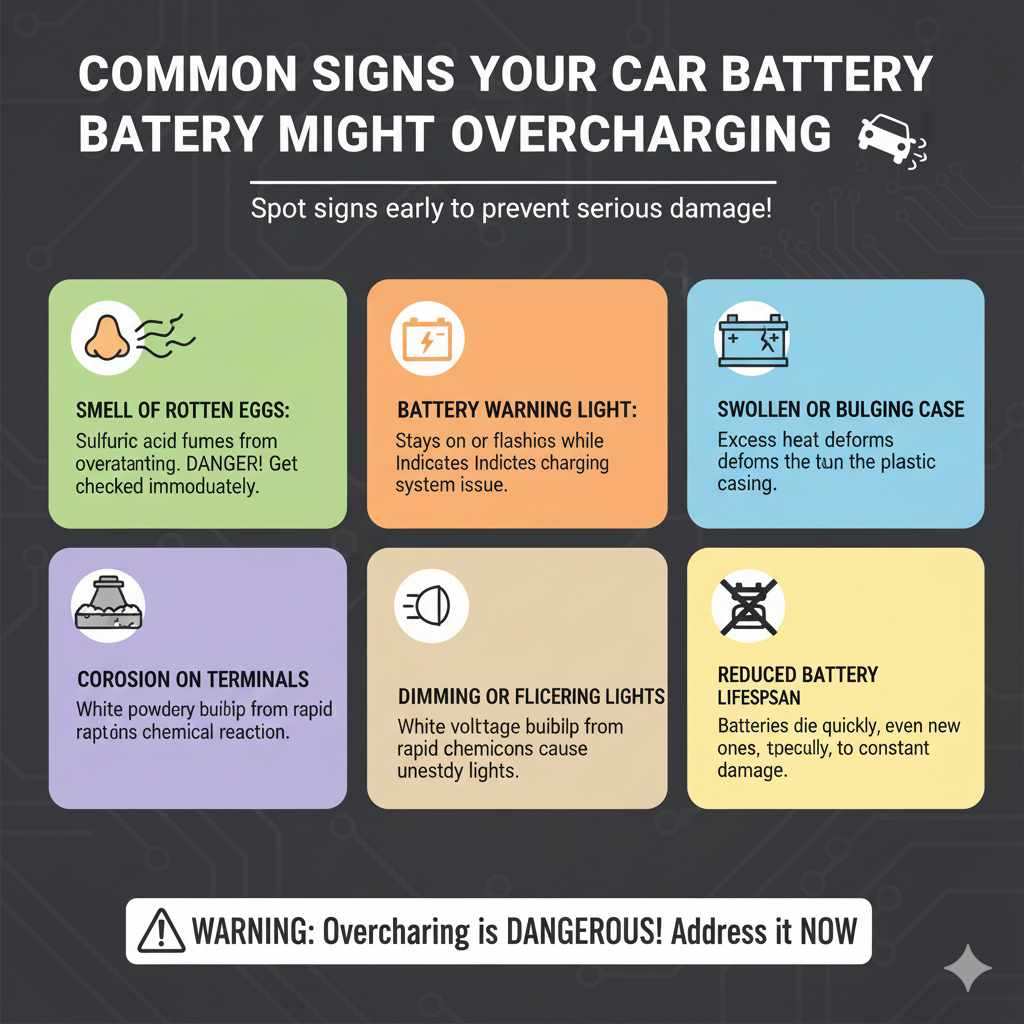
Common Signs Your Car Battery Might Be Overcharging
Spotting the signs early is key to preventing more serious damage. Our cars give us clues when something isn’t quite right. Here are some common signals that point towards an overcharging battery:
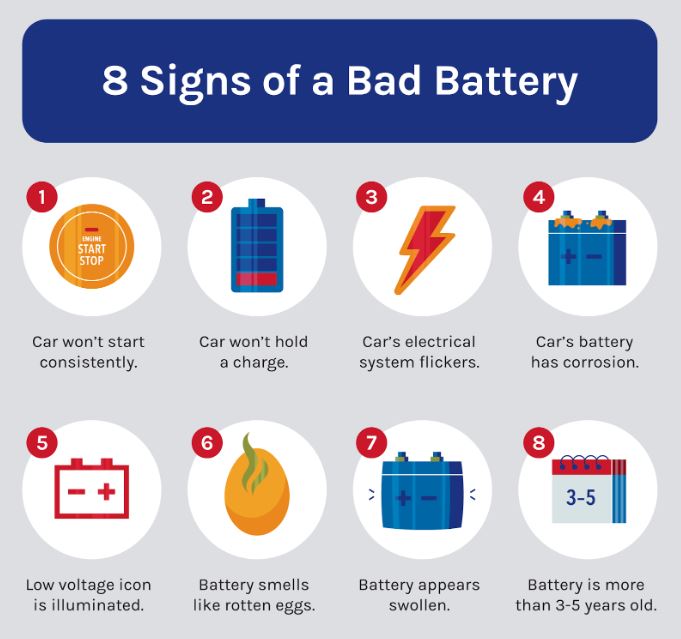
- Smell of Rotten Eggs: This is a classic sign. When a battery is overcharged, it can vent sulfuric acid fumes, which smell strongly of rotten eggs. This is dangerous, so if you notice this smell, open your windows and get your car checked immediately.
- Battery Warning Light: Many cars have a dashboard light that looks like a battery. If this light stays illuminated or flashes while you’re driving, it could indicate a problem with the charging system, including overcharging.
- Swollen or Bulging Battery Case: The excess heat generated from overcharging can cause the plastic casing of the battery to swell or even crack. If you see your battery looking deformed, it’s a serious sign.
- Corrosion on Battery Terminals: Overcharging can accelerate the rate at which corrosion builds up on your battery terminals. This white, powdery substance can interfere with electrical connections.
- Dimming or Flickering Lights: While this can be a sign of a weak battery, it can also happen with an overcharged system as the voltage fluctuates wildly. Headlights might seem to dim and brighten unexpectedly.
- Reduced Battery Lifespan: If your battery seems to be dying much faster than it should, even after being replaced, an underlying overcharging issue might be the culprit, constantly damaging new batteries.
- Engine Running Hot or Overheating: In some cases, the electrical strain from an overcharging system can contribute to the engine running hotter than it should.
Understanding the Causes: What’s Actually Happening?
To understand why your car battery is overcharging, we need to look at the main components responsible for managing its power. The key players here are the alternator and the voltage regulator.
1. The Alternator and Its Role
The alternator is essentially your car’s mini power generator. When your engine is running, it spins and converts mechanical energy into electrical energy. This electricity does two main jobs: it powers your car’s electrical components (lights, radio, AC, etc.) and, crucially, it recharges your battery. The alternator’s output needs to be precisely controlled; it can’t just pump out unlimited power. If the alternator itself is failing internally, it might produce too much voltage.
2. The Voltage Regulator: The Brain of the Operation
The voltage regulator is a vital component that works in conjunction with the alternator. Its job is to monitor the voltage in your car’s electrical system and ensure it stays within a safe range, typically between 13.5 and 14.7 volts when the engine is running. It tells the alternator when to increase or decrease its output. If the voltage regulator malfunctions or fails, it can fail to limit the voltage, allowing the alternator to overcharge the battery.
Common Reasons for Voltage Regulator Failure:
- Internal Wear and Tear: Like any electronic component, voltage regulators can simply wear out over time due to age and repeated use.
- Overheating: Excessive heat can damage the delicate electronic components within the regulator.
- Short Circuits: Problems in other parts of the electrical system can sometimes affect the regulator.
- Loose or Corroded Connections: Poor electrical connections can prevent the regulator from accurately sensing the system voltage, leading to incorrect adjustments.
3. Faulty Wiring or Connections
Sometimes, the problem isn’t with the main components but with how they’re connected. Damaged, corroded, or loose wiring between the alternator, voltage regulator, and battery can disrupt the system’s ability to regulate voltage properly.
4. Problems with the Battery Itself
While less common as a direct cause of overcharging, an old or internally damaged battery can sometimes behave erratically and not accept a charge properly. This might lead other components to try and compensate, indirectly affecting voltage regulation, or simply mask the true issue.
How to Diagnose an Overcharging Battery: A Step-by-Step Approach
Diagnosing an overcharging issue can seem daunting, but by following these steps, you can gather important information. Remember, safety first when working around a car battery!
Step 1: Visual Inspection
Start with what you can see and smell. This is the easiest first step.
- Check for Smells: Is there a rotten egg smell around the battery?
- Inspect the Battery Case: Look for any signs of bulging, swelling, or cracks on the battery itself.
- Examine Terminals: Note any white or bluish powdery corrosion on the battery posts and cable connectors.
Step 2: Check the Battery Warning Light
Pay attention to your dashboard. Does the battery-shaped warning light come on and stay on while the engine is running? This is a strong indicator of a charging system problem, which could be overcharging.
Step 3: Test the Battery Voltage (Requires a Multimeter)
This is where you’ll need a tool called a multimeter. It’s a relatively inexpensive and straightforward diagnostic tool for anyone interested in basic car maintenance. You can typically find a good quality one for around $20-$50.
Tools you’ll need:
- Digital Multimeter
- Safety Glasses
- Gloves
- Wire Brush (for cleaning terminals)
Procedure:
- Ensure the engine is OFF.
- Set your multimeter to DC Voltage (VDC) mode. Look for a setting that has a “V” with a straight line and a dashed line above it.
- Connect the multimeter probes to the battery terminals. The red probe (+) goes to the positive (+) terminal, and the black probe (-) goes to the negative (-) terminal.
- Read the voltage. A fully charged, healthy battery should read around 12.6 volts when the engine is off.
- Start the engine.
- Reconnect the multimeter probes to the battery terminals while the engine is running.
- Observe the voltage reading.
What the readings mean:
A healthy charging system should typically put out between 13.7 and 14.7 volts when the engine is running. If your multimeter reads significantly higher – for example, above 15 or 16 volts – your battery is likely being overcharged.
For more detail on using a multimeter for car tests, check out The Engineering ToolBox‘s guide on multimeter usage.
Step 4: Test the Alternator Output
If your voltage readings are high, the next step is to test the alternator’s output more directly. The voltage regulator is often part of the alternator or controlled by the car’s computer. A failing alternator can still produce high voltage.
With the engine running and the multimeter connected as in Step 3, try turning on as many accessories as possible: headlights, blower fan on high, rear defroster, radio. This puts a load on the charging system.
What to look for:
- Voltage remains too high: If the voltage stays excessively high (e.g., consistently above 15V) even with accessories on, the voltage regulator is likely faulty or the alternator is internally malfunctioning.
- Voltage drops drastically: If the voltage drops significantly below 13V when accessories are turned on, the alternator might be weak, not necessarily overcharging, but definitely not charging correctly.
Step 5: Inspect Wiring and Connections
Given electricity relies on good connections, any issues here can cause voltage problems.
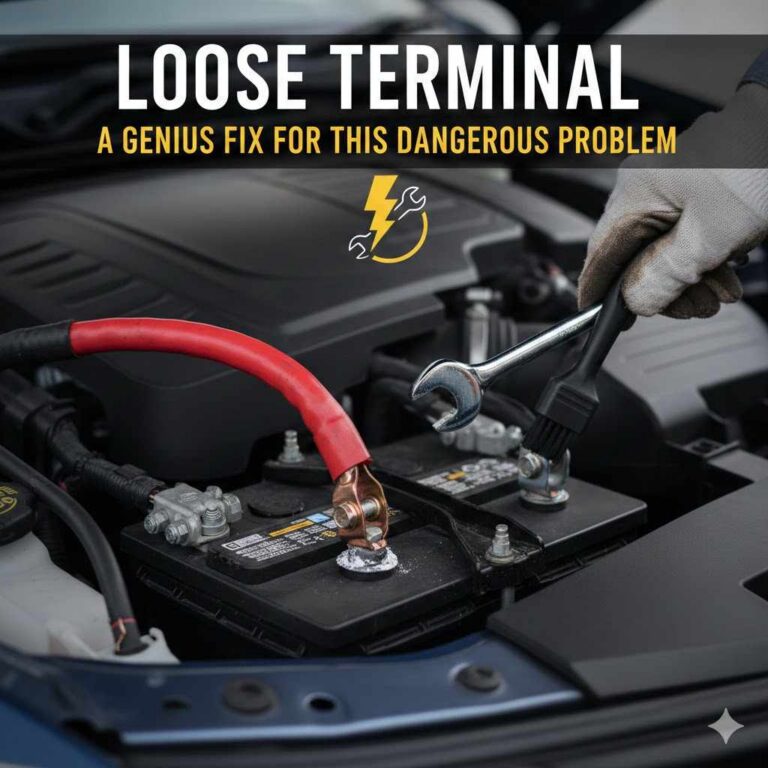
- Disconnect the battery (always disconnect the negative terminal first, then the positive).
- Examine the battery terminals and cable ends. Look for corrosion.
- Clean any corrosion thoroughly with a wire brush and a baking soda/water paste.
- Ensure all connections are tight and secure.
- Follow the wiring from the alternator to the battery. Look for any visible signs of damage, fraying, or melting to the insulation.
Troubleshooting Scenarios and Solutions
Based on your diagnostic steps, here are the most probable scenarios and how to address them. Remember, if you’re not comfortable with any of these steps, it’s always best to consult a qualified mechanic. Safety is paramount when working with car batteries and electrical systems.
Here’s a breakdown of common issues and their fixes:
| Symptom/Finding | Likely Cause | Solution |
|---|---|---|
| Battery voltage over 15V (engine running) | Faulty Voltage Regulator (often integrated into Alternator) | Replace the Alternator. Some older vehicles may have an external regulator that can be replaced separately. |
| Rotten egg smell, bulging battery | Internal battery damage due to repeated overcharging or faulty battery | Replace the battery. If the charging system is still faulty, the new battery will also be damaged. Diagnose charging system first. |
| Battery voltage erratic (spikes high, then drops low) | Failing Alternator or Faulty Voltage Regulator, or poor connections | Check and clean all battery and alternator connections. If connections are good, replace Alternator. |
| Battery voltage consistently high (above 15V) | Faulty Voltage Regulator | Replace alternator if regulator is integrated. Replace external regulator if applicable. |
| Corroded terminals and high voltage readings | Corrosion causing resistance, leading to regulator malfunction or inaccurate readings. | Thoroughly clean battery terminals and cable ends. Then re-test voltage. If still high, proceed to replace alternator. |
Replacing the Alternator
If your diagnosis points to a faulty alternator (which usually includes the voltage regulator), this is a job that many DIYers can tackle with the right tools and some patience. The exact procedure varies greatly by car make and model, so consulting your vehicle’s service manual or a reliable online guide for your specific car is essential.
General Steps Often Include:
- Disconnecting the battery (negative terminal first!).
- Finding and accessing the alternator (often on the front of the engine, driven by a belt).
- Disconnecting electrical connectors and the main power wire from the alternator.
- Loosening or removing any drive belts.
- Unbolting and removing the old alternator.
- Installing the new alternator, reattaching the belt, and tightening it correctly.
- Reconnecting electrical components and charging the battery if needed.
- Reconnecting the battery (positive terminal first!).
- Starting the car and testing the charging system voltage.
For a general idea of alternators and their function, The U.S. Department of Energy provides insights into vehicle energy systems.
Replacing a Faulty Voltage Regulator (if external)
On some older vehicles, the voltage regulator might be a separate component that can be replaced independently of the alternator. This is usually a simpler and less expensive repair than replacing the entire alternator. The location of an external voltage regulator varies, but it’s typically mounted on the inner fender well or firewall. Always disconnect the battery before attempting to replace it.
Battery Replacement
If testing reveals that the battery itself is the problem, or if it’s old and has suffered damage from previous overcharging, it will need to be replaced. Batteries have a limited lifespan, typically 3-5 years. When buying a new battery, ensure it’s the correct size and type for your vehicle. Most auto parts stores can help you find the right one based on your car’s make, model, and year.
Addressing Wiring and Connections
If you find corroded terminals or loose connections, cleaning and tightening them can often solve the problem. If wiring is damaged, it may need to be repaired or replaced. This can involve splicing in new sections of wire or, in severe cases, replacing entire wiring harnesses. This can be a more complex repair.
Preventing Future Problems
Once you’ve solved the overcharging issue, you’ll want to keep it from happening again. Proactive maintenance is your best friend here.
- Regular Inspections: Periodically check your battery terminals for corrosion and ensure connections are snug.
- Monitor Dashboard Lights: Don’t ignore that battery warning light! Address it promptly.
- Listen to Your Car: Pay attention to unusual smells or sounds.
- Proper Battery Care: If you have a car that sits for long periods, consider using a battery tender (a small charger that maintains battery charge) to prevent deep discharges and potential damage.
- Stay Informed on Maintenance: Keep up with your vehicle’s recommended maintenance schedule.
FAQ: Your Burning Questions Answered
Q1: How much voltage should my car battery have when the engine is running?
A1: When your car’s engine is running, a healthy charging system should produce between 13.7 and 14.7 volts. If your multimeter consistently reads much higher than this, your battery is likely overcharging.
Q2: Can I drive my car if it’s possibly overcharging?
A2: It’s not recommended to drive your car for an extended period if you suspect it’s overcharging. Overcharging can quickly damage the battery and other electrical components. If you notice the rotten egg smell or a bulging battery, it’s best to stop driving and get it checked immediately.
Q3: Is it safe to touch a battery that might be overcharging?
A3: Be cautious. Batteries contain sulfuric acid, which is corrosive. Also, an overcharging battery can become very hot. Always wear safety glasses and gloves when inspecting or working near a car battery. Avoid touching any leaking fluids.
Q4: How much does it cost to fix an overcharging battery problem?
A4: The cost varies depending on the cause. Cleaning corroded terminals might be free or very inexpensive. Replacing an external voltage regulator could be around $100-$300. Replacing an alternator typically costs between $400 and $800, including parts and labor. A new battery can range from $100 to $250.
Q5: My car battery light is on, does that always mean overcharging?
A5: Not necessarily. The battery warning light indicates a problem with the charging system, which could be an alternator not producing enough power, a loose belt, a bad connection, or indeed, overcharging. A voltage test is needed to diagnose the specific issue.