1996 BMW 750iL for Sale: What to Check Before You Buy
You’ve spotted a 1996 BMW 750iL for sale and the idea of a V12 flagship for the price of a used Corolla is pulling at you. It’s a legitimate temptation. The 750iL was the top of the BMW line in the mid-90s, packed with every luxury feature the brand offered. But that V12 engine and all those electronics are not cheap to maintain. The purchase price is the smallest number you will write on this car.
This guide walks through the specific problem areas that plague the E38 750iL, what a realistic budget looks like, and how to separate a well-maintained example from a money pit. You’ll leave knowing exactly what to inspect, what questions to ask the seller, and what to expect in annual running costs.

ECOGARD
ECOGARD XA7765 Premium Engine Air Filter |…
- HIGH-CAPACITY PARTICLE FILTRATION – Advanced filter media captures dust, dirt, pollen, and road particles before they enter the en…
- SUPPORTS ENGINE RESPONSE & FUEL EFFICIENCY – Engine air flow management helps support efficient engine operation, contributing to…
- RECOMMENDED SERVICE INTERVAL – Designed for replacement every 12,000 miles (or as recommended by your vehicle manufacturer) to hel…
Before you start the engine, pay attention to the air filter. A clogged filter on this M73 V12 restricts airflow and makes the engine run richer than it should, which hurts fuel economy and throttle response. The ECOGARD XA7765 engine air filter is a direct replacement for the 1996-2026 750iL and costs a fraction of what the dealer charges for the same part. Swapping it takes ten minutes and is one of the cheapest ways to keep the engine breathing properly.
The M73 V12: Power and Its Price
The 5.4-liter M73 V12 produces 322 horsepower and 361 lb-ft of torque. It’s silky smooth and sounds fantastic, but it has two major weak points: the cooling system and the timing chain guides.
The cooling system is the number one killer of these engines. The plastic radiator end tanks, the water pump impeller, and the expansion tank all fail with age. If the seller cannot show receipts for a full cooling system overhaul within the last 40,000 miles, plan for it immediately. A complete refresh with a metal impeller water pump, new radiator, hoses, and thermostat will cost between $1,200 and $1,800 in parts alone.
Timing chain guides are a bigger concern. The plastic guides wear down over time, and when they break, the chain can skip and destroy the engine. Listen for a rattling noise on a cold start, especially from the front of the engine. If you hear it, walk away or negotiate a $4,000 to $6,000 discount, because that’s what the repair will cost at an independent shop.
Oil leaks are common too. The valve cover gaskets and the oil pan gasket will seep. A small leak is tolerable, but a steady drip onto the exhaust manifold will smell and could catch fire. Check the underside of the car before you commit.
Electronics and the Infamous E38 Quirks
The 750iL was loaded with technology that was advanced for 1996, and much of it is now failing. The pixelated display in the instrument cluster and the radio is almost guaranteed to be dead or flickering. Repair services charge $150 to $300 to replace the ribbon cables. This is cosmetic, but it makes reading the odometer and trip computer difficult.
The electronic damper control (EDC) shocks are another trouble spot. Each corner costs $400 to $600 to replace, and the system throws warning lights when they fail. Many owners convert to standard shocks to save money, which is acceptable but changes the ride quality. You lose the adaptive damping but gain reliability and cheaper replacement parts.
The electrical system on this car is sensitive to weak batteries. A dying battery causes weird faults, like windows that won’t roll up or a transmission that shifts poorly. If the seller says the car has intermittent electrical gremlins, the first thing to do is test the battery and the alternator. A fresh battery and a clean ground connection fix a surprising number of issues on these cars.
Buying Strategy: Where to Look and What to Pay
You’ll find most 1996 BMW 750iL listings on Facebook Marketplace, Craigslist, and BMW enthusiast forums. The condition varies wildly. A clean, southern car with 100,000 miles and full service records will ask $8,000 to $12,000. A neglected northern car with rust and a rough idle might go for $2,500. The cheap ones are almost always the most expensive to own.
Look for a car with documented maintenance over one with low miles. A 150,000-mile car with a new cooling system, new timing chain guides, and recent transmission service is worth more than a 90,000-mile car that has sat for years. Rubber seals dry out, fuel pumps fail from stale gas, and brake calipers seize when a car sits.
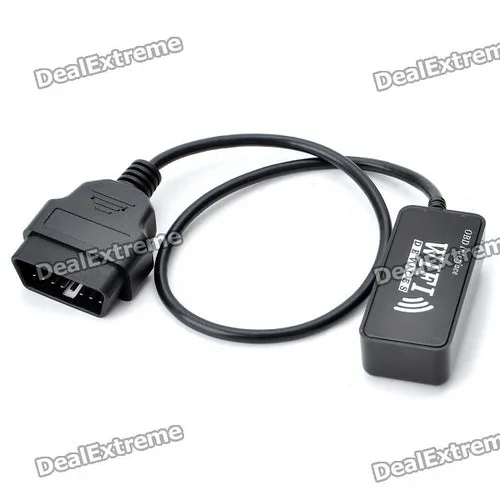
Bring a code reader that can read BMW-specific fault codes. The OBD-II port will show generic codes, but you need one that reads the proprietary BMW modules for the transmission, ABS, and airbag systems. A $50 Bluetooth adapter with the right app works fine for this.
Running Costs and Realistic Budget
This is not a cheap car to own, even if you buy it for a bargain. Budget for $2,000 to $3,000 per year in maintenance if you do some work yourself, and double that if you pay a shop. The car gets 15 to 18 miles per gallon on a good day, and it requires premium fuel. The tires are expensive, and the brakes are heavy.
Insurance is surprisingly reasonable because the car is old and not worth much on paper. But any repair that involves removing the intake manifold or the transmission will require serious labor hours. The V12 is tight in the engine bay, and simple jobs take twice as long as they would on a 540i.
| Inspection Point | What to Check | Estimated Repair Cost |
|---|---|---|
| Cooling System | Plastic radiator, water pump, expansion tank, hoses | $1,200 – $1,800 |
| Timing Chain Guides | Rattle on cold start, plastic guide wear | $4,000 – $6,000 |
| EDC Shocks | Warning light, leaking fluid, poor damping | $400 – $600 per corner |
| Instrument Cluster | Pixel loss, flickering display | $150 – $300 |
| Valve Cover Gaskets | Oil seepage onto exhaust | $400 – $800 |
| Transmission Service | Fluid condition, shifting smoothness | $400 – $700 |
The transmission is the ZF 5HP30, which is generally robust if serviced. Ask for proof of fluid and filter changes every 60,000 miles. If the fluid is dark or smells burnt, factor in a service immediately. A full rebuild runs $3,500 or more.
Common Questions About the 1996 750iL
Is the 1996 750iL reliable as a daily driver?
No, not really. It can be, but you need to be handy with tools and willing to work on it often. The cooling system and electrical gremlins will test your patience. Most owners treat it as a weekend car or a hobby project, not a primary commuter.
What is the difference between the 750iL and the 740iL?
The 740iL has a 4.4-liter V8 with 282 horsepower. The 750iL has the 5.4-liter V12 with 322 horsepower. The V12 is smoother but heavier, and it makes the front of the car feel more nose-heavy. The V8 is easier to work on and cheaper to maintain, but it lacks the prestige of the twelve-cylinder.
Can I use a regular OBD-II scanner on this car?
Yes, for basic engine codes. But the transmission, ABS, and airbag modules need a BMW-specific scanner. A generic tool will not read those. You need something like a Foxwell NT510 or a laptop with INPA software to get full diagnostic access.
How much does a timing chain job cost on the M73?
Expect to pay $4,000 to $6,000 at an independent BMW shop. The engine does not need to be removed, but the front of the engine has to come apart. It is a labor-intensive job that takes a full week. If the guides are already done, that is a major selling point.
Should I buy a 1996 750iL or a 2026 model?
The 2026 model has the M73N engine with electronic throttle and a few more horsepower, but it also has more complex emissions systems. The 1996 is simpler and has fewer sensors to fail. For a hobbyist, the 1996 is often the better choice because it is easier to diagnose and repair. Also check out the 1989 BMW 750iL if you want the earlier E32 body style, which has its own set of quirks.
Final Checks Before You Hand Over Money
Take the car for a long test drive, at least 30 minutes. Let it get fully warm, then hammer the throttle. Watch for smoke from the exhaust, listen for timing rattle, and feel how the transmission shifts. A cold engine can hide a lot of problems, so drive it until the temperature needle sits in the middle.
Ask the seller for every receipt they have. A thick folder of maintenance records is worth more than a clean Carfax. If they hesitate or say they lost the records, assume the car was not maintained properly.
Look under the car for rust, especially around the jacking points and the rear subframe. Surface rust on the exhaust is fine, but structural rust is a dealbreaker. The E38 is galvanized, so rust is less common than on other 90s cars, but it still happens in salt-belt states.
- Budget $2,000 to $3,000 per year for maintenance on top of the purchase price.
- Insist on proof of cooling system service within the last 40,000 miles.
- Listen for timing chain rattle on a cold start; walk away if you hear it.
- Test every electronic feature: windows, seats, climate control, and the cluster display.
- Bring a BMW-specific code reader, not just a generic OBD-II scanner.
- Buy the best-maintained example you can afford, not the cheapest one.
- Keep the engine air filter fresh with a quality replacement like the ECOGARD XA7765 to avoid unnecessary strain on the intake system.
- Check the 2026 BMW 540i if you want V8 power with lower maintenance costs.
If you are comfortable with wrenching and have a second car, the 1996 750iL is one of the most rewarding cars of its era. The V12 smoothness is unmatched, and nothing else at this price point offers the same presence. Just go in with open eyes and a repair budget, and you will end up with a car you actually enjoy driving instead of one that drains your savings.
Products related to this article
Sponsored / affiliate links. As an Amazon Associate I earn from qualifying purchases. I may earn additional commission from eligible campaigns.