2013 Equinox StabiliTrak: The Proven, Essential Fix
If your 2013 Equinox StabiliTrak light won’t go out after changing wheel hubs and sensors, the most common culprit is a damaged wheel speed sensor wiring harness connector (pigtail). This small wire often gets brittle and breaks during the hub replacement. Inspecting and replacing this inexpensive connector is the proven, essential fix for this frustrating issue.
Is that “Service StabiliTrak” light on your 2013 Chevy Equinox dashboard staring back at you? It can be a real headache, especially when you’ve already done the hard work of replacing the wheel hubs and sensors. You did everything right, but the light is still there. Don’t worry, you’re not alone, and the solution is often much simpler and cheaper than you think.
This problem is incredibly common. Many drivers face this exact issue, feeling stuck after the initial repair doesn’t solve the problem. But I’m here to guide you. We’ll walk through the exact steps to find and fix the real issue. This guide will give you the confidence to tackle it yourself and get your Equinox back to running smoothly and safely. Let’s get that light turned off for good.
What is StabiliTrak and Why is It So Important?
Before we dive into the fix, let’s quickly understand what we’re dealing with. Think of StabiliTrak as your car’s electronic safety net. It’s General Motors’ name for their Electronic Stability Control (ESC) system. Its main job is to help you keep control of your vehicle during a sudden swerve or on slippery roads.
How does it work? StabiliTrak uses a network of sensors to monitor where you are steering versus where the car is actually going. These sensors include:
- Wheel Speed Sensors: These are the stars of our show today. They measure how fast each wheel is spinning.
- Steering Angle Sensor: This tells the computer which way you are turning the steering wheel.
- Yaw Rate Sensor: This measures the vehicle’s rotation on its vertical axis (whether it’s starting to spin out).
If the system detects that your Equinox is starting to skid or slide, it instantly steps in. It can apply individual brakes and even reduce engine power to help straighten the car out and keep you on your intended path. It’s a critical safety feature, and when the warning light is on, the system is disabled. That’s why we need to fix it.
Why is the Light Still On After Replacing the Hub?
This is the million-dollar question. You replaced the wheel bearing hub assembly, which comes with a brand new wheel speed sensor. So why didn’t the light go away? The answer usually lies one step up the chain: the wiring.
The wire that connects your brand new wheel speed sensor to the car’s main computer is called the wiring harness, or “pigtail.” Over time, this wire is exposed to heat, moisture, road salt, and constant vibration. It becomes brittle and fragile. When you replace the wheel hub, this delicate wire is moved and flexed. Often, this is the final straw that breaks an internal connection within the wire or the plastic connector itself, even if it looks fine from the outside.
The car’s computer, the Electronic Brake Control Module (EBCM), can’t get a clear signal from the new sensor because of the bad wire. It thinks the sensor is still faulty, so it keeps the StabiliTrak, ABS, and Traction Control lights on. This is why our proven fix focuses on this small but crucial part.
Your Toolkit for the Job
You don’t need a professional garage to do this. With a few basic tools, you can handle this repair right in your driveway. Having the right tools makes any job easier and safer.
Essential Tools & Parts:
- Jack and Jack Stands: Safety first! Never work under a car supported only by a jack.
- Lug Wrench: To remove the wheel.
- Socket/Wrench Set: You’ll need a few common sizes to remove bolts.
- Wire Strippers/Cutters: For preparing the new and old wires.
- Butt Connectors with Heat Shrink: This is the best way to ensure a weatherproof, solid connection.
- Heat Gun or Lighter: To shrink the tubing on the butt connectors.
- OBD-II Scanner: A good scanner that can read ABS codes is highly recommended. Basic scanners often can’t read these specific codes.
- New Wheel Speed Sensor Pigtail: The most important part! Make sure you get the correct one for your 2013 Equinox (front or rear, left or right can sometimes differ).
Recommended but Optional:
- Safety Glasses: Protect your eyes from dirt and debris.
- Mechanic’s Gloves: Keep your hands clean and protected.
- Electrical Tape: For an extra layer of protection over your connections.
- Zip Ties: To neatly secure the new wire away from moving parts.
The Proven, Step-by-Step Fix for Your StabiliTrak Light
Alright, let’s get to it. Follow these steps carefully, and you’ll have that light off in no time. We’ll be focusing on the wheel where you just replaced the hub assembly.
Step 1: Park Safely and Lift the Vehicle
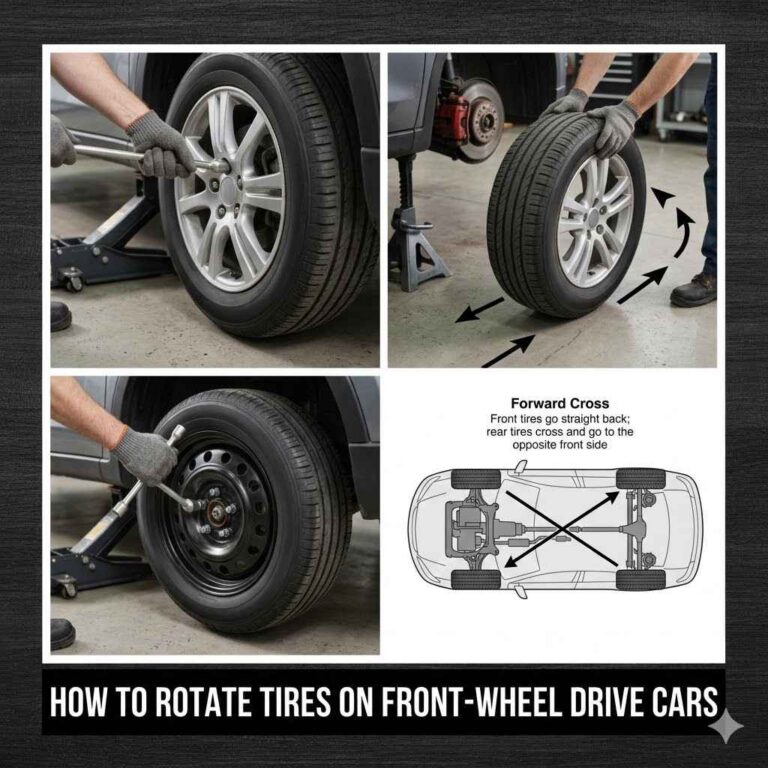
Safety is non-negotiable. Park your Equinox on a flat, level surface and engage the parking brake. Chock the wheels on the opposite side of the car you’ll be working on. Use your jack to lift the correct corner of the vehicle and securely place a jack stand under the frame. Once the jack stand is in place, slowly lower the jack until the car’s weight is resting firmly on the stand. Now, remove the wheel with your lug wrench.
Step 2: Locate and Inspect the Wiring Harness
With the wheel off, look behind the brake rotor and caliper assembly. You will see the new wheel speed sensor you installed with the hub. Follow the wire coming out of it. This wire leads to a plastic connector. This is the wiring harness pigtail we need to inspect.
Look for any signs of damage:
- Cracked or brittle plastic on the connector itself.
- Frayed or exposed wires going into the connector.
- Corrosion (green or white powder) on the metal pins inside the connector.
- Stretched or kinked sections of the wire.
Gently wiggle the wire where it enters the connector. If it feels loose or you see the plastic crumbling, you’ve found your problem. In most cases, the damage is right at the connector, where years of stress have taken their toll.
Step 3: Remove the Old Connector Pigtail
Once you’ve confirmed the pigtail is the issue, it’s time to replace it. First, disconnect the old connector from the wheel speed sensor. There is usually a small plastic tab you need to press to release it.
Next, use your wire cutters to snip the two wires leading to the old connector. Cut them a few inches back from the connector to give yourself plenty of clean wire to work with. Make sure you cut them at slightly different lengths (staggered). This prevents the new connections from touching each other and causing a short circuit.
Step 4: Prepare and Connect the New Pigtail
Take your new pigtail connector. It will have two wires coming out of it. Using your wire strippers, remove about a quarter-inch of insulation from the end of each wire on the new pigtail and from the two wires you just cut on the car.
Now, we’ll use our heat shrink butt connectors. These are the best for automotive repairs because they create a strong, waterproof seal.
- Slide a butt connector onto one of the wires on the car.
- Insert the corresponding stripped wire from the new pigtail into the other end of the connector.
- Crimp both ends of the butt connector firmly with your crimping tool. Give it a gentle tug to make sure it’s secure.
- Repeat the process for the second wire.
- Once both wires are crimped, use your heat gun (or carefully use a lighter) to heat the butt connectors. You’ll see the plastic tubing shrink down tightly around the wire, and a small amount of sealant may ooze out. This creates that all-important weatherproof seal.
For more information on proper automotive wiring practices, the National Highway Traffic Safety Administration (NHTSA) offers resources on vehicle safety and maintenance standards.
Step 5: Secure the New Wiring and Reassemble
Your new connector is now securely wired in. Plug it into the wheel speed sensor on the hub. You should hear a confident “click” as it locks into place.
Use a few zip ties to secure the new wire along the same path as the old one. Make sure it is not rubbing against any moving suspension or brake parts and is not stretched too tightly. This will prevent future damage.
Now you can put the wheel back on, tighten the lug nuts, and lower the vehicle safely off the jack stand. Tighten the lug nuts again once the car is on the ground.
Step 6: Clear the Codes and Test Drive
The final step is to tell the car’s computer that the problem is fixed. In many cases, the warning light will not go off on its own immediately. You need to clear the diagnostic trouble codes (DTCs).
Plug your OBD-II scanner into the port under the dashboard. Turn the ignition to the “On” position without starting the engine. Follow your scanner’s instructions to read and then clear any codes stored in the ABS/EBCM system. Once the codes are cleared, the warning light on your dash should turn off.
Now, start the car and take it for a short test drive. Drive it for a few miles, making some gentle turns. This gives the system a chance to verify that it is receiving a good signal from all four wheels. The light should stay off, and your StabiliTrak system will be fully functional again.
Troubleshooting Common StabiliTrak Codes
An OBD-II scanner that can read ABS codes is your best friend in this situation. It points you directly to the problem area. Here is a table of common codes associated with this issue on a 2013 Equinox.
| Trouble Code | What It Means in Simple Terms | Most Likely Cause After a Hub Change |
|---|---|---|
| C0035 | Left Front Wheel Speed Sensor Circuit Fault | Bad sensor, bad wiring/pigtail, or bad connection at the left front wheel. |
| C0040 | Right Front Wheel Speed Sensor Circuit Fault | Bad sensor, bad wiring/pigtail, or bad connection at the right front wheel. |
| C0045 | Left Rear Wheel Speed Sensor Circuit Fault | Bad sensor, bad wiring/pigtail, or bad connection at the left rear wheel. |
| C0050 | Right Rear Wheel Speed Sensor Circuit Fault | Bad sensor, bad wiring/pigtail, or bad connection at the right rear wheel. |
If your scanner shows a code for a specific wheel (e.g., C0040 for the right front), that is exactly where you should focus your inspection of the wiring harness pigtail.
What If the Light Comes Back On?
If you’ve replaced the pigtail and the light still comes back, don’t panic. While the pigtail is the cause 90% of the time, there are a few other possibilities to consider.
Possible Issues Checklist
| Potential Problem | How to Check | Beginner-Friendly Solution |
|---|---|---|
| Poor Wiring Connection | Gently tug on the wires at your butt connectors. | Re-crimp the connectors or ensure they are the correct size for the wire. |
| Defective New Hub/Sensor | Rare, but possible. The code will likely point to the same wheel. | Contact the part supplier for a warranty exchange. |
| Damage Further Up the Wire | Visually trace the wire as far back as you can. | This is a more advanced repair and may require a professional to trace and fix the wire. |
| Faulty EBCM | This is the least likely culprit and would usually have other codes. | This is a job for a trusted mechanic, as the EBCM is the system’s brain and is expensive. |
Frequently Asked Questions (FAQ)
1. Can I drive my Equinox with the StabiliTrak light on?
Yes, you can generally drive the car. The regular braking system will work fine. However, the StabiliTrak, ABS, and Traction Control safety systems will be turned off. It’s recommended to get it fixed as soon as possible, especially if you expect to drive in wet or icy conditions.
2. Why did my ABS and Traction Control lights also come on?
All three systems (StabiliTrak, ABS, and Traction Control) rely on the same wheel speed sensors to function. When one sensor sends a bad signal, the computer disables all three systems as a precaution. Fixing the one faulty signal will turn off all three lights.
3. How much does a wheel speed sensor pigtail cost?
This is the best part! The part itself is very inexpensive. You can typically find a replacement pigtail online or at an auto parts store for $10 to $25. This makes it a very budget-friendly repair compared to taking it to a shop.
4. Do I need a special tool to crimp the wires?
For the best results, a proper wire crimping tool is recommended. It ensures a tight, secure connection. In a pinch, a pair of pliers can work, but a dedicated crimper is much more reliable and reduces the chance of a loose connection down the road.
5. What is the difference between a wheel hub and a wheel speed sensor?
On the 2013 Equinox, the wheel speed sensor is built directly into the wheel bearing hub assembly. When you buy a new hub, you are also getting a new sensor. This is why it can be so confusing when the light stays on after the replacement.
6. Can I just use electrical tape instead of butt connectors?
It is strongly advised not to. Simply twisting wires together and covering them with electrical tape is not a durable or weatherproof repair. The connection will fail due to moisture and vibration, and the problem will return. Heat shrink butt connectors are the professional standard for a reason.
7. Does it matter which of the two wires connects to which?
For most two-wire wheel speed sensors, they are not polarized, meaning it doesn’t matter which wire connects to which. However, it is always best practice to match the wire colors if the new pigtail has matching colors. If not, connecting them either way will almost always work correctly.
Conclusion: You’ve Got This!
Facing a persistent warning light like the “Service StabiliTrak” message on your 2013 Equinox can feel discouraging, especially after you’ve already put in the effort to replace a major part. But as we’ve seen, the solution is often not about more complicated work, but about smarter, more focused work.
By understanding that the fragile wiring pigtail is the most common point of failure, you’ve unlocked the secret to this frustrating problem. You now have the knowledge and the step-by-step plan to inspect, replace, and seal that connection like a pro. This isn’t just about turning off a light on your dashboard; it’s about restoring a critical safety system, saving hundreds of dollars in shop fees, and building your confidence as a car owner.
So grab your tools, be patient, and follow the steps. You are more than capable of handling this repair. Take pride in knowing you diagnosed and solved a problem that stumps many others, and enjoy the peace of mind that comes with a clear dashboard and a safe, reliable vehicle.