How to Push-Start a Manual Car With a Dead Battery: 7 Steps
Push-starting (also called bump-starting) gets a manual car running when the battery is too weak to turn the starter — but it only works if the battery still has enough charge to power the ignition and fuel system. AAA logged nearly 6.9 million dead-battery roadside calls in 2024 alone, most from drivers who never knew this free fix existed. This guide covers the 7-step push-start process, the rope-start method for solo drivers, and when to use a jump starter instead.
Quick Answer
To push-start a manual car with a dead battery: turn the ignition to ON, press the clutch, shift into 2nd gear, get the car moving to 5–10 mph by pushing or rolling downhill, then release the clutch quickly. This only works if the battery has some charge left — a fully dead battery needs a jump starter instead.
What Is Push-Starting a Manual Car?
Push-starting, also called bump-starting, is a trick to start a manual car when its battery is dead. A dead battery means there’s not enough power to turn the engine with the starter motor. By pushing the car to get it moving, you use the wheels’ motion to turn the engine, sparking it to life. This works because manual cars have a clutch, which lets you connect the engine to the wheels. It’s like giving your car a running start! This method is perfect for emergencies, especially if you’re far from help.
Why It Works for Manual Cars Only
Manual cars have a clutch pedal that lets you control the connection between the engine and wheels. When you push the car and release the clutch, the moving wheels spin the engine, which can start if there’s enough juice for the ignition system. Automatic cars use a torque converter, which doesn’t allow this direct connection, so push-starting won’t work — and most modern EVs and hybrids have no mechanical connection to bump-start at all.
Step-by-Step Guide to Push-Start Your Car
Push-starting is easier than it sounds, but it takes a few steps and some care. Here’s how I do it, broken down so anyone can follow along. You’ll need a friend or two, a slight hill if possible, and a clear path.
Step 1: Check Your Surroundings
Before you start, make sure the area is safe. Look for a flat or gently sloped road with no traffic, pedestrians, or parked cars nearby. A steep hill can be dangerous because the car might roll too fast to control. Clear any obstacles, like rocks or curbs, and make sure no one stands directly behind or in front of the car once it starts rolling — always use at least two people, one to steer and brake and others to push or watch for traffic.
Step 2: Turn On the Ignition
Sit in the driver’s seat and turn the ignition key to the “on” position. This powers up the car’s electronics, like the fuel pump and spark plugs, which need a tiny bit of battery power to work. If your battery is completely dead, this method might not work, but most “dead” batteries have just enough juice left.
Step 3: Put the Car in Second Gear
Shift the car into second gear, not first. Second gear gives a smoother start and less resistance, making it easier for the engine to turn over. First gear can be too jerky and might stall the car.
Step 4: Press the Clutch
Push the clutch pedal all the way down and hold it. This disconnects the engine from the wheels, letting the car roll freely while your friends push or while it rolls down a hill.
Step 5: Get the Car Moving
Ask your friends to push the car or let it roll down a gentle slope. Aim for a speed of about 5-10 miles per hour — fast enough to turn the engine but slow enough to stay safe. Keep pushers at the sides and rear corners of the car, never directly behind the bumper, and make sure everyone agrees on the plan before the car starts moving. If you’re on flat ground, two or three strong pushers can get it going.
Step 6: Release the Clutch
Once the car’s moving, quickly let go of the clutch pedal (this is the “pop” in pop-starting). The wheels will force the engine to turn, and if everything’s working, the engine should start. You’ll feel the car lurch a bit—that’s normal!
Step 7: Keep It Running
Once the engine starts, press the clutch again and give the gas pedal a light tap to keep the engine running. Let it idle for a few minutes to charge the battery. Drive to a mechanic soon to check the battery and alternator.
Quick Tips for Push-Starting
- Stay safe: Always check for traffic and obstacles before pushing.
- Use second gear: It’s smoother and less likely to stall than first gear.
- Don’t rush: Release the clutch smoothly to avoid jerking the car.
Tools and Materials You’ll Need
You don’t need much to push-start a car, which is why it’s such a great trick! Here’s what you’ll need, explained simply.
| Item | Description | Why It’s Needed |
|---|---|---|
| A manual car | Must have a manual transmission with a clutch | The clutch allows the engine to engage wheels |
| 1-3 helpers | Friends or passersby to push the car | They provide the force to get the car moving |
| Clear, safe area | Flat or slightly sloped road, no obstacles | Ensures safety and enough space to roll |
Caption: Basic requirements for push-starting a manual car.
Benefits and Drawbacks of Push-Starting
Push-starting is a lifesaver when you’re stuck, but it’s not perfect. Here’s a quick look at the pros and cons.
| Aspect | Pros | Cons |
|---|---|---|
| Cost | Free, no tools needed | Requires physical effort from helpers |
| Speed | Can start the car in minutes | Takes coordination and a safe location |
| Applicability | Works in remote areas without jumper cables | Only for manual cars; battery must have some charge |
Caption: Comparing the advantages and challenges of push-starting.
Benefits
Push-starting is free and works almost anywhere, making it great for emergencies. It’s quick, often taking just a few minutes, and doesn’t require special tools.
Drawbacks
You need a few strong helpers or a hill, which isn’t always easy to find. If the battery is totally dead, it won’t work, as the ignition system needs some power. It’s also risky if the area isn’t clear or if you’re not coordinated — and popping the clutch too early is the most common reason a first attempt fails. Repeated push-starts can also work the clutch and starter-adjacent components harder than a normal start, so if you find yourself doing this often, it’s worth having your clutch and charging system checked.
“I once got my old Civic running in a parking lot with help from some friendly strangers — no tow truck needed. My first try, though, was a total flop because I popped the clutch too soon and just stalled it out again.”
📊 Dead batteries are the #1 reason drivers call for roadside help — AAA logged nearly 6.9 million dead-battery service calls in 2024, more than any other single issue. Source: AAA, 2024
Alternatives to Push-Starting
If push-starting isn’t an option, don’t worry — there are other ways to get your car going. Here are three common alternatives.
Jump-Starting with Cables
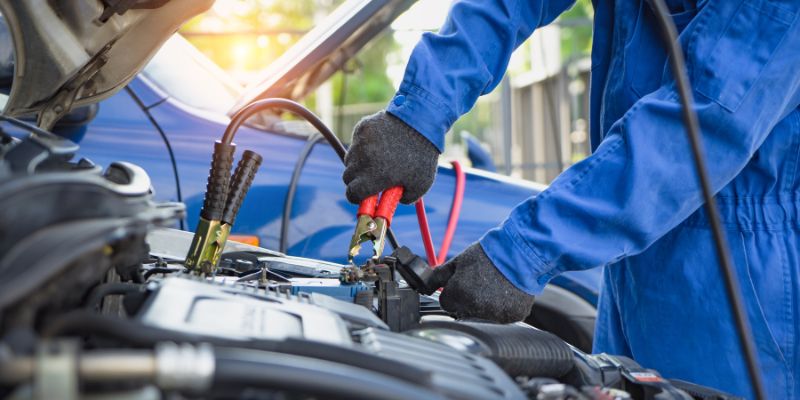
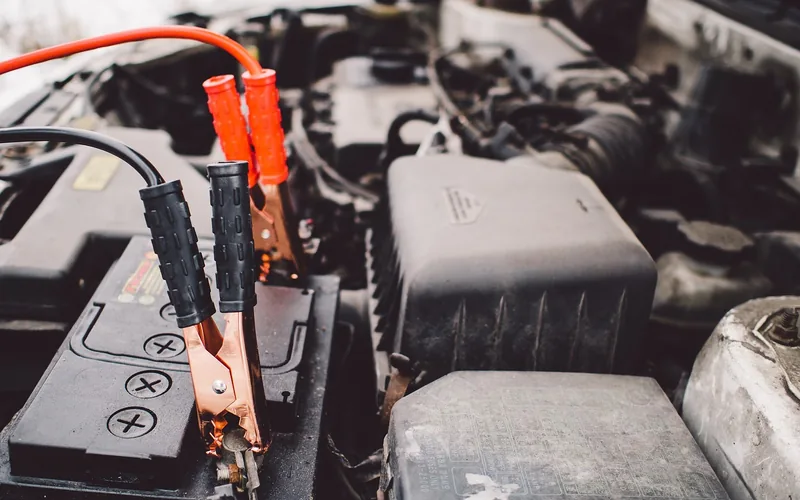
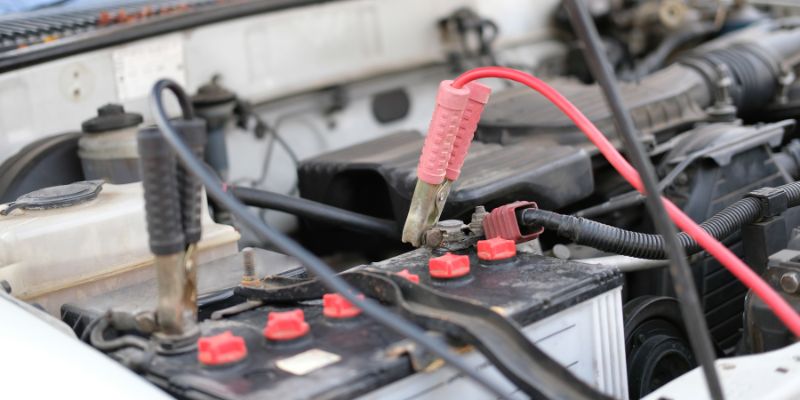
Using jumper cables and another car’s battery is the most common fix. Connect the red cable to the positive (+) terminals of both batteries, then the black cable to the negative (-) terminal of the good battery and a metal part on your car. Start the donor car, then yours. It’s reliable but needs another vehicle nearby — and connecting the cables backward can blow a fuse in seconds, so double-check polarity before you clamp on. See our guide on what fuse blows when jumping a car backwards for details. For an authoritative walkthrough, Consumer Reports has a step-by-step jump-start guide.
Portable Jump Starter
A portable jump starter is like a small battery with built-in cables. Connect it to your battery’s terminals, turn it on, and start your car. They’re affordable (around $50-$100) and perfect for solo drivers. I keep one in my trunk for peace of mind.
Best Portable Jump Starter Pick
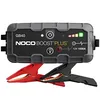
NOCO Boost GB40 12V 1000A Portable Lithium Jump Starter
A glovebox-sized power bank that starts a dead battery in seconds — no helpers, no hill, no clutch-popping required.
- Best for: Solo drivers who want a push-start backup that works even when there’s no one around to help
- Why we picked it: Spark-proof clamps and reverse-polarity protection make it safer than push-starting for a first-timer, plus it doubles as a phone charger and flashlight
- Main drawback: Only handles up to 6.0L gas / 3.0L diesel engines — larger trucks and SUVs need a higher-amp unit
Compare more portable jump starter options
 Option 1 GOOLOO A3 3000A with Air Compressor
|
 Option 2 AstroAI S8 1500A Compact Jump Starter
|
 Option 3 TREKURE 8000A Heavy-Duty Jump Starter
|
As an Amazon Associate we earn from qualifying purchases.
The Rope-Start Method (No Helpers Needed)
If you’re completely alone with no hill and no helpers, you can bump-start a front-wheel-drive manual car with just a length of rope. Jack up one of the front wheels a couple of inches off the ground, wrap 10–13 feet of rope clockwise around the tire, shift into third gear with the clutch in, and pull the rope hard and fast like starting a lawnmower. The spinning wheel turns the driveshaft, which turns the engine over the same way rolling the whole car would. It works best on gas engines and is unreliable on diesels — and you must keep the parking brake firmly set and stand clear of the wheel, since a loose jack or a grabbing tire can knock the car off the stand.
| Method | Cost | Ease of Use | Best For |
|---|---|---|---|
| Push-Starting | Free | Needs helpers/hill | Manual cars, emergencies |
| Rope-Start | Free (just a rope) | Needs a jack, one person | Solo drivers, front-wheel-drive manuals |
| Jump-Starting | $10-$30 (cables) | Needs another car | Most cars, reliable |
| Portable Jump Starter | $50-$100 | Easy, no help needed | Solo drivers, frequent battery issues |
Caption: Comparing methods to start a car with a dead battery.
My Personal Tips for Success
After years of tinkering with cars, I’ve learned a few tricks to make push-starting a breeze. First, practice in a safe area before you’re in a pinch—it’s like learning to ride a bike. Second, keep your car battery in good shape; a weak alternator can drain it fast. Finally, always carry a portable jump starter for backup. Once, I was stranded in a rural area, and push-starting saved the day, but I wished I had a jump starter to avoid the hassle!
Common Mistakes to Avoid
- Using first gear: It’s too rough and can stall the car.
- Ignoring safety: Always check for traffic and obstacles.
- Not idling after starting: Let the car run to charge the battery.
Frequently Asked Questions
Why Can’t I Push-Start an Automatic Car?
Automatic cars use a torque converter, not a clutch, so the wheels can’t directly turn the engine. Push-starting only works for manual cars with a clutch system.
Does My Battery Need Some Charge to Push-Start?
Yes, the battery needs a tiny bit of power for the ignition system. If it’s completely dead, push-starting won’t work, and you’ll need a jump starter.
Is Push-Starting Safe?
It’s safe if done carefully. Use a clear, flat area, avoid steep hills, and coordinate with helpers to prevent accidents or losing control.
What Gear Should I Use to Push-Start?
Use second gear for a smoother start. First gear can be too jerky, making it harder for the engine to turn over properly.
Can Push-Starting Damage My Car?
If done correctly, it’s safe. Incorrect technique, like forcing the clutch or using a steep hill, can strain the engine or transmission.
What If Push-Starting Doesn’t Work?
Check if the battery has some charge. If not, use a jump starter or call roadside assistance. The issue might be the alternator or starter.
How Long Should I Drive After Push-Starting?
Drive for at least 30 minutes to let the alternator charge the battery. Then, get the battery and charging system checked by a mechanic.
What’s It Called When You Push-Start a Manual Car?
It’s called push-starting, bump-starting, clutch-starting, or pop-starting — they all mean the same technique. You get the car rolling, then release a depressed clutch in gear so the moving wheels spin the engine over. It’s the manual-transmission version of what jumper cables do electrically.
Can You Push-Start a Push-Button (Keyless) Ignition Car?
Yes, if it has a manual transmission — push-button start only changes how you power up the electronics. Press the Start/Stop button without touching the brake or clutch to cycle the dashboard to the ON position, which powers the fuel pump and ignition without trying to crank the engine. Then press the clutch, shift into 2nd gear, get the car rolling, and release the clutch to bump-start it.
Conclusion
Push-starting a manual car with a dead battery is a handy skill that can save you from being stranded. With a few friends, a gentle hill, or even just a rope and a jack, you can get your car running in minutes — no fancy tools needed. Just follow the steps, stay safe, and keep your battery in check to avoid future headaches. For more car tips, check out trusted sources like AAA or Consumer Reports.
Products related to this article
Sponsored / affiliate links. As an Amazon Associate I earn from qualifying purchases. I may earn additional commission from eligible campaigns.