Are Burnouts Bad for Automatic Cars? Essential Guide
Yes, burnouts are generally bad for automatic cars. They can cause significant stress on your transmission, tires, brakes, and engine. For optimal car health and longevity, it’s best to avoid performing burnouts in an automatic vehicle.
Ever been tempted to do a burnout after seeing one in a movie or at a car show? It looks exciting, right? But if you drive an automatic car, you might be wondering if that kind of fun is actually a recipe for disaster. Many drivers worry that holding down the gas pedal while keeping the brakes on can cause serious harm to their car’s transmission, tires, and more. It’s a common concern, and for good reason! Thankfully, understanding what happens during a burnout can help you make smart choices for your car’s well-being. We’ll break down exactly why burnouts are a risky move for automatic cars and what parts are most affected, so you can keep your ride running smoothly.
Understanding the Automatic Transmission
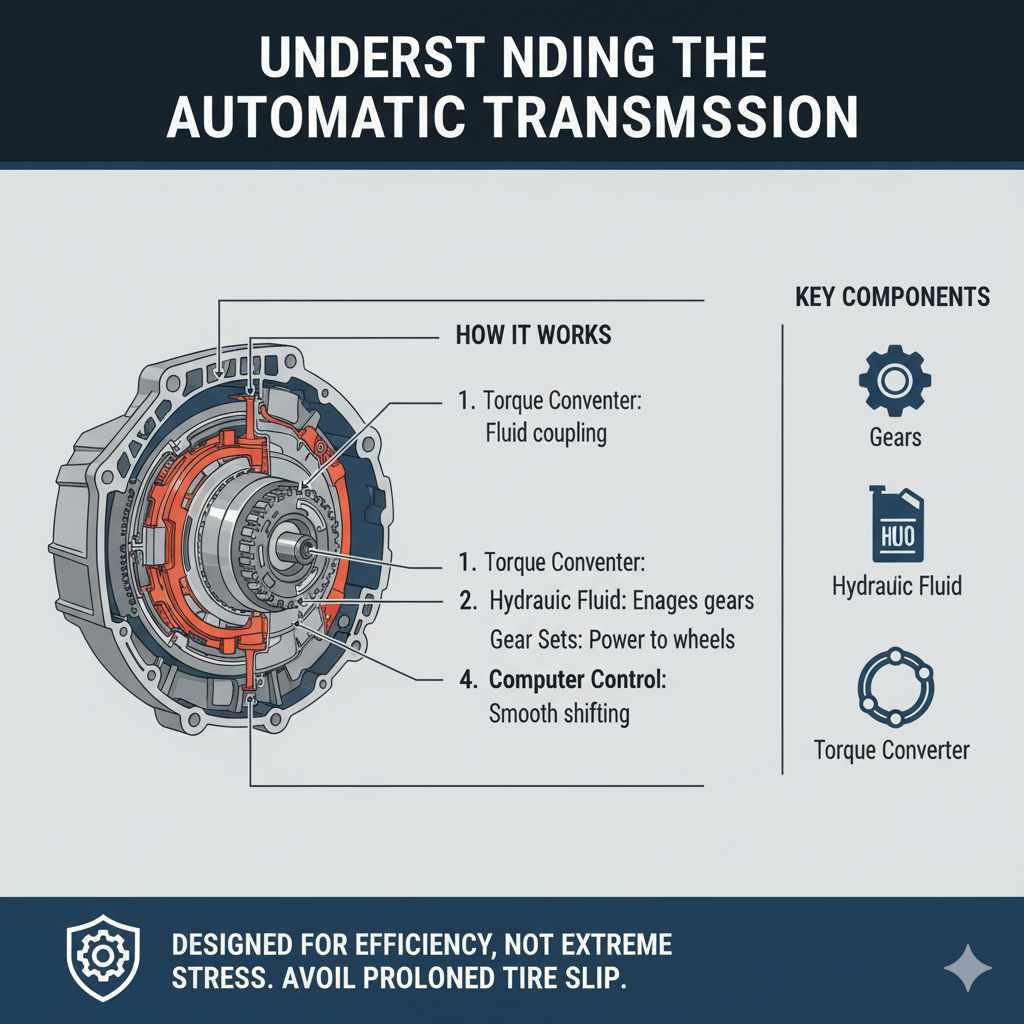
Before we dive into why burnouts are tough on automatic cars, let’s get a basic understanding of how an automatic transmission works. Unlike manual cars where you shift gears yourself, an automatic transmission does the work for you. Inside, it uses a system of gears, hydraulic fluid, and a torque converter. The torque converter is like a fluid coupling that connects the engine to the transmission, allowing the engine to spin while the car is stopped. When you put your foot on the accelerator, this fluid pressure increases, engaging the gears and sending power to the wheels.
This smooth operation relies on precise engineering and a delicate balance of components. Automatic transmissions are designed for efficient and comfortable driving, not for the extreme stress of prolonged tire spin. The complexity means that even small issues can lead to expensive repairs if not addressed promptly.
What Exactly Happens During a Burnout?
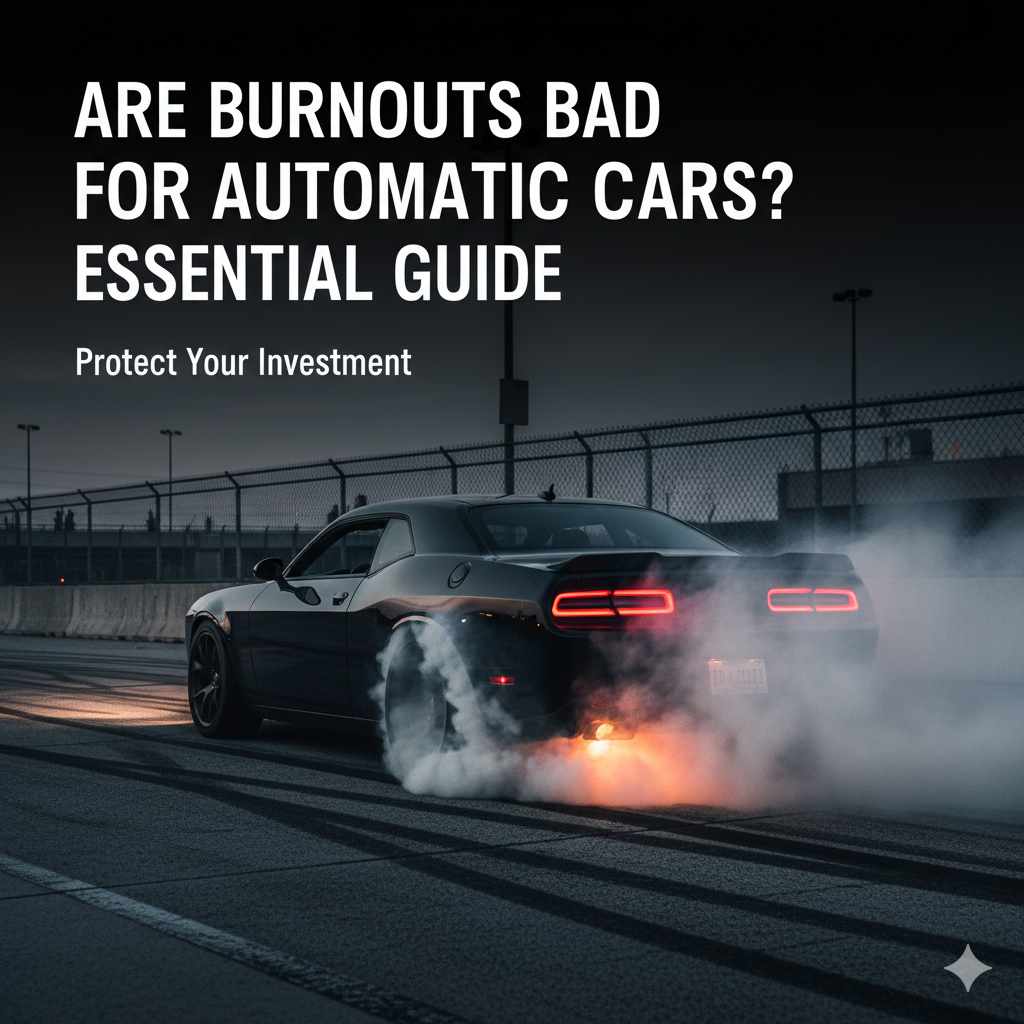
A burnout involves engaging the drivetrain while firmly applying the brakes. The driver presses the accelerator, forcing the engine to produce a lot of power. Simultaneously, the brakes are held down, preventing the car from moving forward. The result is that the engine’s power is focused on spinning the drive wheels against the resistance of the brakes and the road surface. This causes the tires to heat up, lose traction, and create smoke.
For an automatic car, this process puts immense strain on several key systems:
- The Transmission: The torque converter and transmission gears are under extreme load.
- The Drivetrain: Axles, driveshafts, and differentials are subjected to sudden, high torque.
- The Brakes: The braking system has to work overtime to hold the car stationary.
- The Tires: Significant friction and heat rapidly wear them down.
- The Engine: The engine is forced to operate at very high RPMs for an extended period.
Are Burnouts Bad for Automatic Car Transmissions?
This is the big question, and the answer is a resounding yes. Automatic transmissions are not designed for the immense stress of a burnout. Here’s why:
Torque Converter Strain
Your automatic transmission uses a torque converter to transfer power from the engine to the transmission. During a burnout, the engine is revving high, but the car isn’t moving (or moving very slowly). This creates a massive slippage within the torque converter. The fluid inside the converter heats up rapidly, which can degrade the transmission fluid over time. Overheated fluid loses its lubricating and cooling properties, leading to increased wear on transmission components. Prolonged or repeated burnouts can even cause the torque converter to overheat to the point of failure.
Overheating Transmission Fluid
Regular driving generates some heat in the transmission fluid, which is normal and expected. However, a burnout generates an extreme amount of heat. This intense heat can break down the transmission fluid’s chemical structure. Degraded fluid can no longer properly lubricate, cool, or protect the intricate parts within your transmission, such as clutches and bands. This leads to premature wear and can eventually cause parts to fail.
Gear Stress and Damage
The gears inside the automatic transmission are subjected to tremendous shock loads during a burnout. When the tires suddenly find or lose traction, or when the drivetrain components are struggling to cope with the immense torque, the gears can experience forces they weren’t designed to handle. This abrupt stress can lead to chipped teeth, excessive wear, or even catastrophic failure of the gear sets.
Transmission Mounts and Bushings
The torque from a burnout can put significant stress on the transmission mounts and bushings. These rubber or polyurethane components are designed to absorb vibration and shock from the engine and transmission. Under the extreme forces of a burnout, they can be torn, stretched, or excessively stressed, leading to a loose transmission and potentially misalignment.
Impact on Other Car Components
It’s not just the transmission that suffers. Burnouts put a heavy toll on many other parts of your automatic car:
Tires
This is the most obvious casualty. Burnouts intentionally destroy tires. The extreme friction causes rapid and uneven wear, leaving behind trails of rubber. This not only costs money but also compromises the safety and grip of your tires for normal driving. You’ll need to replace tires much more frequently.
Brake System
While holding the car stationary against a powerful engine, your brakes are performing heroically, but also taking a beating. The immense effort required generates a lot of heat within the brake rotors and pads. This can lead to brake fade (a temporary loss of braking power due to overheating) and can accelerate wear on your brake pads and rotors. In extreme cases, components could warp or get damaged.
Drivetrain Components
The axles, driveshafts, U-joints, and differential are all responsible for transmitting power from the transmission to the wheels. During a burnout, these components are subjected to sudden, violent torque. This can lead to weakened or broken axles, damaged U-joints, or even a blown differential, especially in rear-wheel-drive cars. The sudden shock can be more damaging than sustained force.
Engine and Cooling System
Keeping the engine at high RPMs for an extended period during a burnout also places extra stress on the engine itself. The cooling system is working harder to dissipate the extra heat generated by the engine running at high revs. If the cooling system isn’t in perfect condition, this can lead to overheating.
Automatic vs. Manual: The Difference
It’s worth noting that burnouts tend to be less immediately damaging to manual transmissions compared to automatics, though they are still not recommended. In a manual car, the driver has direct control over gear selection and clutch engagement. A skilled driver can “feather” the clutch to manage power delivery and minimize shock loads. In an automatic, the torque converter and the way power is applied are less forgiving of such extreme maneuvers. The automatic system is designed for smooth, predictable power, not for the violent application of force required to spin tires against heavy resistance.
Estimating Repair Costs
If a burnout does cause damage, the repair costs can be significant. Here’s a general idea, though actual prices vary widely based on your car model, location, and whether you use new or used parts:
| Component Damaged | Estimated Repair Cost (USD) |
|---|---|
| Tires (Set of 4) | $400 – $1,000+ |
| Automatic Transmission Rebuild/Replacement | $2,500 – $7,000+ |
| Torque Converter | $500 – $1,500+ |
| Brake Pads and Rotors (Front) | $300 – $700+ |
| Axle Replacement (per axle) | $400 – $1,000+ |
| Differential Repair/Replacement | $1,000 – $3,000+ |
These figures illustrate how costly it can be to repair damage resulting from a single burnout. Regular maintenance is far more economical than dealing with these potential repairs.
Alternatives to Burnouts for Fun Driving
If you enjoy the thrill of powerful driving, there are safer and more responsible ways to experience it:
- Performance Driving Courses: Many tracks offer courses where you can learn advanced driving techniques in a safe, controlled environment.
- Track Days: If your car is suitable, attending a track day allows you to push your car’s limits legally and safely.
- Autocross: This is a form of motorsport where drivers compete in their cars on a defined course, usually consisting of cones. It’s a great way to test your car’s handling and your driving skills.
- Proper Maintenance: Ensuring your car is well-maintained means you can enjoy its performance reliably. For example, checking your transmission fluid is crucial. You can learn more about its importance from resources like the National Highway Traffic Safety Administration (NHTSA).
- Enjoying Your Car’s Capabilities: For most daily drivers, appreciating the smooth acceleration, responsive handling, and quiet ride of a well-functioning automatic is the best way to enjoy your vehicle.
Preventative Maintenance for Your Automatic Transmission
To keep your automatic transmission healthy throughout its life, regular maintenance is key. This is even more important if your car has ever been subjected to any harsh driving conditions. Here’s what you should focus on:
Regular Fluid Checks and Changes
Transmission fluid is the lifeblood of your automatic gearbox. It lubricates, cools, and ensures the hydraulic systems work correctly. Over time, fluid degrades, especially under stress. It’s crucial to follow your car manufacturer’s recommended schedule for checking and changing the transmission fluid. If you tow, drive in extreme conditions, or engage in spirited driving often, you might need to change it more frequently.
How to Check Transmission Fluid:
- Park your car on a level surface.
- Start the engine and let it warm up to operating temperature.
- With the engine still running, shift through all the gears (P, R, N, D, L), pausing for a few seconds in each.
- Pull out the transmission dipstick (it’s usually marked with “Trans” or similar).
- Wipe the dipstick clean, reinsert it fully, and pull it out again.
- Check the fluid level against the markings on the dipstick.
- Observe the fluid’s color and smell. It should be reddish and free of a burnt smell. If it’s dark brown or smells burnt, it needs to be changed immediately.
Cooling System Maintenance
A properly functioning cooling system is essential for keeping everything, including the transmission, at optimal operating temperatures. Ensure your coolant levels are correct and that the radiator and fans are working efficiently. Inspect hoses for leaks or cracks.
Scheduled Servicing
Adhere to your vehicle’s manufacturer-recommended service schedule. This includes regular inspections of all major systems, which can catch potential problems early before they become expensive disasters.
When to See a Mechanic
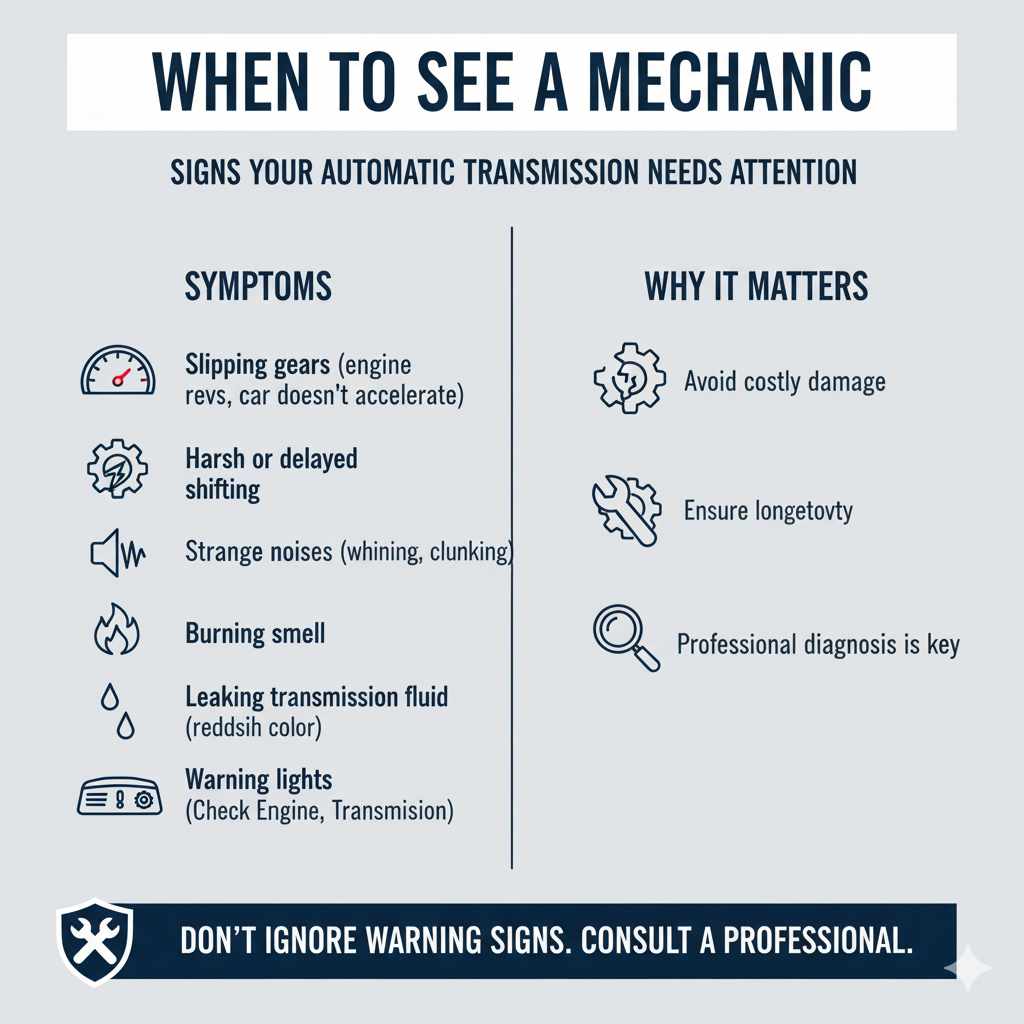
If you notice any of the following signs, it’s time to have your automatic transmission checked by a professional mechanic:
- Slipping gears (the engine revs, but the car doesn’t accelerate properly).
- Harsh or delayed shifting.
- Strange noises (whining, clunking, or grinding) when shifting or driving.
- Burning smell, especially from the transmission fluid.
- Leaking transmission fluid (often reddish in color).
- Warning lights on the dashboard, such as the check engine light or a dedicated transmission warning light.
Ignoring these symptoms can lead to more severe and costly damage down the line. Professional diagnosis is key to ensuring your transmission’s longevity. Reputable mechanic resources and automotive associations often provide insights into common transmission issues and their repair. For example, the website of the Automotive Fleet, while focused on fleets, discusses principles of transmission fluid service relevant to all vehicles.
Frequently Asked Questions (FAQ)
Q1: Can one burnout damage my automatic car?
A1: While one brief, low-power burnout might not cause immediate catastrophic failure, it definitely puts unnecessary stress on your transmission and other components. Repeated or aggressive burnouts significantly increase the risk of damage.
Q2: Will my car insurance cover damage from a burnout?
A2: Generally, no. Insurance policies typically cover accidental damage or mechanical failure due to normal wear and tear. Damage caused by intentional high-stress maneuvers like burnouts is usually considered abuse and will not be covered.
Q3: How can I tell if my transmission fluid is bad?
A3: Bad transmission fluid often appears dark brown or black instead of its usual reddish color, and it may have a burnt smell. Checking the fluid level and condition via the dipstick (if your car has one) is a good way to assess it.
Q4: Is it bad for my car if I do a burnout by accident?
A4: An accidental burnout, especially a brief one, is unlikely to cause significant damage. It’s the intentional, prolonged, high-RPM activity that poses the real risk to your automatic transmission and other parts.
Q5: What is the most commonly damaged part of an automatic car during a burnout?
A5: The transmission and its torque converter are usually the most vulnerable components. However, tires, brakes, and drivetrain parts also take a severe beating.
Q6: Can putting my automatic car in “Sport” or “Manual” mode make burnouts less damaging?
A6: While these modes offer more direct control over gear selection or engine response, they do not fundamentally change the mechanical limits of the transmission or drivetrain. Burnouts are still extremely stressful and damaging, regardless of the mode selected.
Conclusion
So, to wrap things up, while the idea of a burnout might seem like a fun, adrenaline-pumping activity, it’s a definite no-go for your automatic car. The intricate design of an automatic transmission is simply not built to withstand the intense strains placed upon it during such maneuvers. From overheating transmission fluid and stressing the torque converter to damaging gears, axles, brakes, and tires—the list of potential problems is long and expensive.
By understanding these risks, you can make informed decisions to protect your investment, keep your car running smoothly, and ensure your driving adventures are both safe and enjoyable. Remember, proper maintenance and responsible driving habits are the best ways to enjoy your car’s capabilities for years to come. Treat your automatic car with care, and it will reward you with reliable performance.