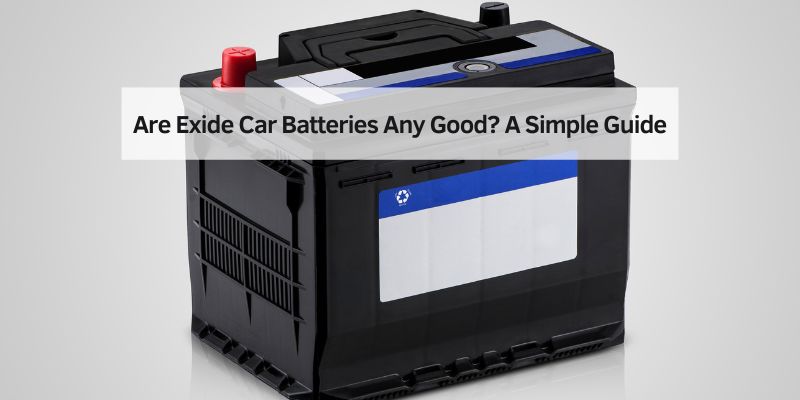
Are Exide Car Batteries Any Good? Pros, Cons & Buying Tips
My car battery died on a chilly morning, leaving me stranded in my driveway. Talk about a bad start! I wondered, are Exide car batteries any good? After digging into Exide batteries, I’m here to share what I found. This guide covers what Exide batteries are, their pros and cons, and tips to pick the right one. Whether you’re new to cars or a gearhead, you’ll find easy answers and fun ideas to keep your ride powered up!
Quick Answer
Yes, Exide car batteries are generally good. They’re reliable, mostly maintenance-free, and typically last 3-5 years, with strong cold-cranking performance for winter starts. They cost more than budget brands like DieHard, but the added durability and warranty coverage make them a solid mid-to-upper-tier choice for most daily drivers.
What Are Exide Car Batteries?
Exide car batteries power your vehicle’s engine and electronics. They’re lead-acid batteries, built to last in tough conditions. Exide’s been making batteries for over 70 years, so they know their stuff! Their batteries fit many cars, from compacts to trucks. They’re popular because they’re tough, reliable, and often maintenance-free.
Why does this matter? A good battery means your car starts every time, no matter the weather. I learned this the hard way when my old battery quit like a bad actor! Exide batteries are designed to handle daily drives and harsh climates, making them a solid choice for many drivers.
Why Choose Exide? Key Benefits
Exide batteries have some big wins. Here’s why they stand out:
- Long-Lasting: Exide batteries often last 3-5 years with proper care. I’ve had one in my SUV for four years, and it’s still going strong!
- No Maintenance: Many Exide models are sealed, so you don’t need to add water. It’s a piece of cake!
- Versatile: They fit tons of vehicles, from sedans to heavy-duty trucks.
- Reliable Starts: Exide batteries deliver steady power, even in freezing or scorching weather.
These benefits make Exide a go-to for folks wanting a hassle-free battery. A friend of mine swears by Exide for his pickup, and he’s never had a dead battery in three years!
Drawbacks of Exide Batteries
No battery is perfect. Exide has a few downsides:
- Higher Cost: Exide batteries can cost $100-$150, more than some brands like Duralast.
- Weight: They’re heavier, which might matter for smaller cars.
- Mixed Reviews: Some users report early failures, though this varies by model.
I once bought a cheaper battery to save cash, and it died in a year. Exide’s pricier, but the durability’s worth it for me. Still, check reviews for your specific car’s model to avoid surprises.
Group Size and AGM vs. Flooded: What CCA Alone Won’t Tell You
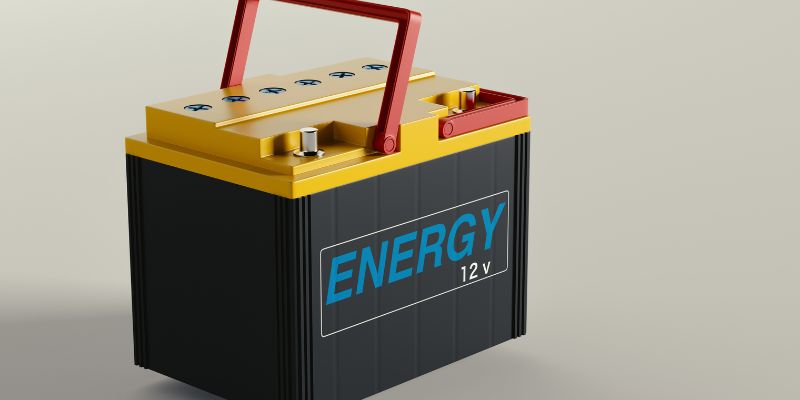
CCA (cold cranking amps) matters, but it’s not the only spec that decides whether an Exide battery fits your car. Every battery also has a BCI group size (like Group 24, Group 35, or Group 65) — a standardized code for the battery’s physical dimensions and terminal layout. A battery with the right CCA but the wrong group size simply won’t fit the tray or reach your cables, which is a more common mismatch mistake than picking the wrong CCA rating.
Exide also sells two different battery chemistries under its lineup: standard flooded lead-acid batteries (the traditional, more affordable option for most daily drivers) and AGM (Absorbent Glass Mat) batteries, which are spill-proof, vibration-resistant, and built to handle the frequent cycling that stop-start engines and vehicles with heavy electronics demand. If your car has automatic start-stop technology, check your owner’s manual — some manufacturers specifically require an AGM replacement rather than a standard flooded battery.
Comparing Exide to Other Brands
How does Exide stack up? Let’s look at some popular brands. I made a table to keep it simple.
| Brand | Price Range | Warranty | Key Feature |
|---|---|---|---|
| Exide | $100-$150 | 2-3 years | Maintenance-free, durable |
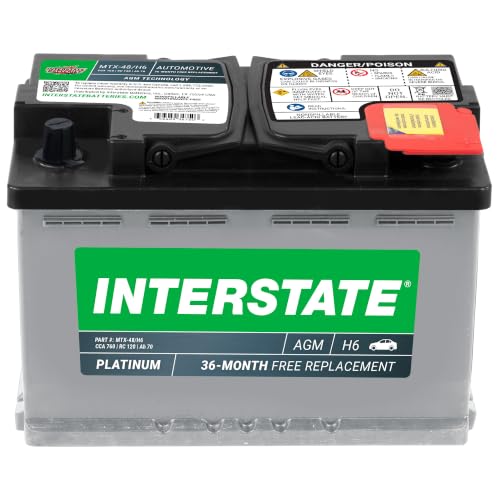
| Interstate | $90-$140 | 3-7 years | Long warranty, reliable |
| Optima | $150-$250 | 3-5 years | Spill-proof, high performance |
| DieHard | $80-$130 | 2-4 years | Affordable, decent lifespan |
Table 1: Comparing Exide to other car battery brands.
Exide’s middle-of-the-pack price makes it a good balance of cost and quality. Interstate’s longer warranty is tempting, but Exide’s maintenance-free design wins for busy folks like me.
How to Choose an Exide Battery
Picking the right battery feels tricky, but it’s no sweat with these steps:
- Check Your Car’s Manual: Find the battery size and power (CCA, or cold cranking amps) your car needs.
- Match the Model: Exide offers batteries like the Edge or Matrix. Pick one that fits your vehicle.
- Look at Warranty: Go for at least a 2-year free replacement warranty.
- Consider Your Climate: Exide’s great for hot or cold weather, but double-check for extreme conditions.
I once grabbed the wrong battery size for my old Civic. Big mistake! It didn’t fit, and I wasted a trip. Always double-check your car’s specs. You can find Exide batteries at stores like AutoZone or Advance Auto Parts.
ANCEL BA101 Digital Battery Load Tester
Best for: Checking whether your Exide (or any) battery is actually holding a charge, not just guessing from age.
Why we picked it: Gives a real load-test reading and alternator check in seconds — the same test a shop would run before selling you a new battery.
Main drawback: Basic LCD display, no Bluetooth app.
View Our Pick on Amazon
 Terminal Cleaner Kit Check on Amazon |
 Terminal Protector Spray Check on Amazon |
 Anti-Corrosion Washers Check on Amazon |
Tips for Maintaining Your Exide Battery
Exide’s maintenance-free batteries are easy, but a little care goes a long way. Here’s what I do:
- Keep It Clean: Wipe dirt off the battery terminals. Dirty terminals can weaken power.
- Check Connections: Make sure cables are tight. Loose ones cause starting issues.
- Avoid Short Trips: Short drives don’t let the battery recharge fully. Take a longer drive weekly.
- Store Properly: If you’re not driving, keep the battery in a cool, dry place.
I ignored cleaning my terminals once, and my car wouldn’t start. A quick scrub with a wire brush fixed it! These tips save money and keep your battery happy.
Common Mistakes to Avoid
Don’t make these rookie errors I’ve seen (and made!):
- Buying Cheap: A $50 battery might save cash now but die fast. Spend a bit more for Exide’s quality.
- Ignoring Warranty: Always keep your receipt. Exide’s warranty saved me $100 once!
- Skipping Maintenance: Even maintenance-free batteries need clean terminals.
A buddy of mine bought a no-name battery to save $20. It died in 18 months. Stick with trusted brands like Exide to avoid headaches.
Exide vs. Alternatives: Which Is Best?
Exide’s great, but other brands might suit you better. Here’s a quick breakdown:
- Interstate: Longer warranties (up to 7 years) but not always maintenance-free. Good for budget shoppers.
- Optima: Spill-proof and super durable, but pricey. Perfect for off-roaders or fancy cars.
- Amaron: Popular in some countries, but less common in the USA. Similar to Exide in durability.
I’d pick Exide for my daily driver because it’s reliable and low-maintenance. For my brother’s Jeep, he loves Optima for its toughness. Check Car and Driver for more battery comparisons.
| Feature | Exide | Interstate | Optima |
|---|---|---|---|
| Maintenance-Free | Yes | Sometimes | Yes |
| Price | Medium ($100-$150) | Low ($90-$140) | High ($150-$250) |
| Best For | Daily drivers | Budget shoppers | Performance cars |
Table 2: Exide vs. competitors by features.
Personal Insights from My Experience
I’ve used Exide batteries in three cars over the years. My favorite was an Exide Edge in my Ford Escape. It lasted through snowy winters and hot summers without a hiccup. Once, I left my lights on overnight (oops!), and it still started the next day. That’s when I knew Exide was a keeper! My tip? Spend a bit extra for Exide’s higher-end models like the Edge. They’re worth it for peace of mind.
Frequently Asked Questions
Are Exide Car Batteries Any Good?
Exide batteries are reliable, long-lasting, and maintenance-free, making them a solid choice for most cars. They work well in tough weather and fit many vehicles, though they’re a bit pricier than some brands.
How Long Do Exide Batteries Last?
Exide batteries typically last 3-5 years with proper care. Regular cleaning and avoiding short trips can extend their life. My SUV’s Exide is still strong after four years!
Are Exide Batteries Worth the Price?
Yes, Exide’s durability and maintenance-free design justify the $100-$150 cost. Cheaper batteries often fail faster, costing more in the long run. Always check warranties!
Can Exide Batteries Handle Cold Weather?
Exide batteries have strong cold cranking amps (CCA), making them great for cold weather. They’ve powered my car through snowy winters without issues.
What’s the Best Exide Battery for My Car?
Check your car’s manual for size and CCA needs. Exide Edge or Matrix models are great for most vehicles. Visit O’Reilly Auto Parts to match your car.
Do Exide Batteries Need Maintenance?
Most Exide batteries are maintenance-free, meaning no water refills. Still, clean terminals regularly to avoid power issues. A quick wipe keeps them happy!
How Do Exide Batteries Compare to Optima?
Exide is more affordable and maintenance-free, great for daily drivers. Optima’s pricier but spill-proof, ideal for off-road or high-performance cars. Choose based on your needs.
Conclusion
Exide car batteries are a solid pick for reliable power. They’re tough, maintenance-free, and fit most cars, though they cost a bit more. With proper care, they last years, saving you from stranded mornings like mine! Try checking your car’s battery needs and grab an Exide if it fits. Keep your ride powered up and hit the road with confidence!
Products related to this article
Sponsored / affiliate links. As an Amazon Associate I earn from qualifying purchases. I may earn additional commission from eligible campaigns.