Rodents, Pests and Animals in Cars
Start with about a 15-minute triage: park outside, disconnect the battery if wiring is chewed, inspect the engine bay, cabin filter, and spare-tire well, then clean droppings only with gloves plus disinfectant, never by sweeping or vacuuming dry. If rodents, pests, or animals in cars are ignored, electrical failures, fire risk, foul HVAC contamination, and repair bills that can range from under $100 to several thousand may result. This guide sorts warning signs, immediate safety steps, cleanup methods, repair-cost ranges, prevention, and when to call a mechanic, pest-control pro, or insurer.
Three separate problems get blurred too often. One is safety to start or drive, especially when nests sit near belts, fans, pulleys, or hot exhaust parts, or when wiring insulation is chewed. Another is contamination in the cabin, HVAC, trunk, or spare-tire well, where droppings and urine change the cleanup process. The third is repair economics: a cabin filter cleanup is one decision, a damaged engine wiring loom is another.
Before touching anything, photograph the engine bay, cowl area, cabin filter cover, floor mats, trunk or cargo floor, and any warning lights on the dash. Those photos help pest control, the repair shop, and the insurer sort out nesting, contamination, electrical damage, or a mix of all three.
How do rodents and other pests get into cars?


Rodents usually enter from below and from the cowl area, not through some mysterious hidden path. Wheel arches, underbody gaps, firewall penetrations, HVAC intake openings, and garage-side access routes matter most. Mice can fit through a quarter-inch opening, so small gaps around the parking area can keep reintroducing pests.
Underbody and wheel-arch access
The engine bay draws rodents because it stays dark after shutdown, blocks wind and rain, and can hold food smells from leaves, acorns, pet kibble, or road grime caught on shields and covers. That makes it a nesting spot after parking, especially in colder months, a pattern noted by CounterPest. Rodents are the most common and destructive vehicle pests, according to Doctor Pest, and their continuous gnawing behavior makes cars a repeated target.
Mice and rats do not need a large opening. CarXplorer says mice need only a quarter-inch opening to enter. In practice, that makes wheel-arch liners, splash-shield gaps, lower engine-bay openings, and torn undertrays worth checking first.
Cowl, HVAC, and firewall openings
The cowl area at the base of the windshield feeds outside air into the HVAC system. That puts the cabin air filter and blower housing at risk. If nesting material reaches the filter or blower, the result is often odor from the vents, reduced airflow, and contamination that extends into the cabin.
Firewall penetrations for wiring, hoses, and HVAC drains are another path. So are gaps around missing clips, cracked grommets, and loose covers. A nest in the air box points to the same pattern: a sheltered cavity with easy access and little disturbance.
Parking-area sources that cause repeat infestations
Garage storage often keeps the problem alive because it gives rodents food, cover, and a short commute back to the same parked car. Pet food, bird seed, trash, cardboard, fabric, and dense vegetation near a wall create that route. Doctor Pest also lists ants, cockroaches, spiders, termites, and beetles as vehicle pests, but their entry patterns and risk profile differ from rodents.
Suppose a daily driver sits next to stacked mulch bags and a bag of dog food in a detached garage. Even if the car is cleaned once, rodents can keep returning through the same wall gap and wheel-arch route until the building-side access and food source are fixed.
What are the signs of mice, rats, or other animals in a car?
Look for signs by zone, not as one broad infestation. In the engine bay, the main clues are nests, chewed insulation, warning lights, and a no-start or intermittent misfire. In the cabin, focus on droppings, vent odor, reduced airflow, and debris around the cabin air filter area.
Engine-bay signs
Nesting material on top of the engine, near the battery tray, or inside the air box is a stop-and-inspect signal. So is visible chewing on wire-bundle tape or wire insulation. Rodent teeth are continuously growing, as NoToPests notes, which explains why chewing returns even after one nest is removed.
Electrical symptoms matter because they point to damaged circuits, not simply a mess to clean. Warning lights, blown fuses, intermittent sensor faults, rough running, battery drain, and a no-start can all trace back to chewed wiring. Rat Relief says rodents can cause severe damage in 24 hours, which is why a new warning light after storage should not be dismissed.
Cabin and HVAC signs
Droppings on the floor, under seats, in the glovebox area, or in the trunk indicate contamination even if the engine runs normally. Odor from the vents often means the cabin filter, cowl, or blower housing has nesting debris or urine contamination. Reduced airflow from one day to the next strengthens that diagnosis.
A common first-timer mistake is turning the fan to high to “clear it out.” That can spread contaminated dust through the cabin and make cleanup harder. The safer move is to leave HVAC use off until the filter and cowl area are inspected.
How signs differ by pest type
Rodents leave droppings, gnaw marks, shredded insulation, and electrical symptoms. Cockroaches and ants are more likely to show up as visible insects, food-related activity, or residue around the cabin, with far less wire damage. Spiders are usually a nuisance issue. Larger animals such as squirrels, chipmunks, or raccoons can tear liners, insulation, and stored materials, but they are less often the cause of hidden wiring-bundle faults.
Which parts of a car do they usually damage?
Rodents usually hit the easy materials first: wiring looms, sensor leads, insulation, hoses, cabin filter media, sound deadening, trunk liners, and seat foam. They also favor tucked-away sections where they can chew and nest without much disturbance. The most expensive damage usually sits in wire-bundle sections that are hard to access, not in the visible nesting material itself.
Wiring, sensors, and fuse-box-adjacent circuits
The wiring loom is the big-ticket risk. Damage can range from chewed outer tape to exposed conductors, shorts, sensor faults, and intermittent open circuits. Engine wire-bundle sections near injectors, ignition components, oxygen-sensor routing, and fuse-box-adjacent wiring are especially vulnerable because they combine warmth, cover, and many branch circuits in one place.
Chewed insulation can lead to warning lights, misfires, blown fuses, no-start conditions, or parasitic drains. Fire risk should be described carefully: it is a possible result of shorts and overheated circuits, not an automatic outcome every time a wire is nicked.
HVAC, cabin filter, and blower housing
The cabin air filter is a frequent nesting location. Once debris packs into the filter or blower housing, airflow drops and vent odor rises. Cleanup may involve more than swapping the filter, because the blower wheel and nearby ducting can hold seeds, fur, and droppings.
Insulation, hoses, liners, and stored materials
Underhood insulation, trunk liners, seat foam, and sound deadening are common nesting targets. Hoses can be chewed, though wiring usually drives the largest repair estimate. In long-term storage, termites and beetles may matter more for stored materials around the vehicle than for the vehicle itself.
Picture a stored classic with a fitted cover, spare blankets in the trunk, and no movement for six weeks. The first issue may be odor and trunk-liner damage, not a dash full of warning lights. That changes the order of work: contamination first, then wiring inspection before restart.
Rodent damage triage table
| Symptom | Likely affected system | Immediate risk | Next step |
|---|---|---|---|
| Warning lights after storage | Sensor wiring, engine harness, charging or ignition circuit | Electrical fault; possible short or open circuit | Do not assume a low battery; inspect for chewing, scan faults, and repair wiring before regular driving |
| No-start condition | Battery cables, ignition wiring, injector or fuel-related wiring, starter control circuit | High chance of active electrical damage | Do not keep cranking; inspect wiring looms and fuses, then arrange diagnosis or towing |
| Nest in air box | Air intake tract and nearby engine-bay components | Debris ingestion and nearby wiring damage | Remove nesting material safely, inspect filter and intake path, then check surrounding wiring looms before restart |
| Droppings in cabin | Interior contamination, possible HVAC spread | Biohazard from disturbed waste | Ventilate, dampen with disinfectant, bag waste, inspect cabin filter and blower area before using HVAC |
| Chewed harness | Main harness or sub-harness | Shorts, warning lights, stalling, possible overheated circuit | Disconnect battery, photograph damage, get repair estimate before attempting to drive |
| Odor from vents | Cabin air filter, cowl intake, blower housing, HVAC ducts | Contamination and restricted airflow | Leave fan off, inspect filter area, clean contaminated parts, replace filter, then reassess odor |
What should you do first after finding a nest or droppings?
First, stop using the car as usual and separate safety from cleanup. Photograph the evidence, inspect for chewed wiring and nests near moving or hot parts, and decide whether the issue is engine-bay danger, cabin contamination, or both. Do not dry sweep, blow out, or vacuum droppings first.
Safe inspection order
- Move the vehicle outside if it can be moved safely without starting, or leave it where it is and open the area to fresh air.
- If exposed wiring is visible, disconnect the battery.
- Inspect the engine bay for nests near belts, pulleys, fans, and exhaust heat.
- Check the cowl and cabin air filter housing.
- Inspect the trunk, cargo floor, spare-tire well, and under-seat areas.
- Photograph droppings, chewed material, warning lights, and every visible damaged wire.
Contamination cleanup steps
Ventilate the vehicle first. Wear gloves. Dampen droppings and nesting material with disinfectant rather than sweeping them dry. Then lift and bag the waste, wipe surrounding surfaces, and bag heavily contaminated soft material if it cannot be cleaned effectively.
Dry vacuuming or compressed air comes later, if at all, and only after contaminated material has been wetted and removed. For severe cabin contamination, a professional cleanup is the cleaner line between health risk and guesswork.
When to stop DIY work
Stop and call for help when wiring damage is visible, when the smell from vents suggests HVAC contamination beyond the filter, or when nesting sits near belts, fans, or hot components. Rat Relief warns against poison in cars, and that advice makes sense: a poisoned rodent can die inside ducting or trim cavities and turn a simple removal into an odor and contamination problem.
Professional pest-control companies often advertise same-day emergency response, and some providers note a typical response time of about 24 hours. Vehicle pest services also commonly cover cars, vans, and machinery, which matters if the same storage area affects more than one vehicle.
Is it safe to drive after rodents have been in the engine bay?
It is not safe to drive if wiring is exposed, warning lights are active, the engine no-starts or runs poorly, or a nest sits near belts, fans, pulleys, or exhaust heat. A short move for inspection may be possible only when no active electrical fault or moving-part obstruction is present.
When the car should not be started
Do not start the engine if you see chewed conductors, loose nesting around the serpentine belt, debris against the radiator fan, or signs that material has reached the exhaust manifold or turbo heat shielding. The same applies when the cabin smells strongly through the vents and the blower area has not been checked.
When a tow is smarter than a short drive
A tow makes more sense than “just driving it to the shop” when the car has a no-start, repeated fuse failure, warning lights tied to engine management, or visible harness damage. Short drives can turn a repairable wire section into a larger melted-harness problem if a short remains active.
What the real risk
The main danger is mechanical contact or electrical failure. Belts and fans can pull loose nesting deeper into the engine bay. Chewed insulation can create intermittent shorts that trigger warning lights first and harder failures later. Fire risk exists, but it is tied to damaged conductors and overheated circuits, not simply to the presence of one mouse.
How much does rodent damage to a car cost to fix?
Costs split into three bands: minor cleanup, wire or sensor repair, and partial or full wiring-loom replacement. Minor contamination cleanup may stay under $100, but electrical diagnosis, access labor, and wiring-loom replacement can push totals into the several-thousand-dollar range, especially when damage is hidden or parts are scarce.
Cost-estimate bands
- Minor cleanup: Under $100 to a few hundred dollars for basic nest removal, surface disinfection, and a cabin air filter replacement when contamination is limited and no trim-heavy HVAC work is needed.
- Sensor or wire repair: A few hundred dollars to roughly low four figures when diagnosis, one or two sensor circuits, splice repair, or a short sub-harness repair is enough.
- Harness replacement: Low four figures to several thousand when a main harness or major sub-harness must be replaced, programmed, routed, and tested.
What makes the estimate rise
Diagnosis time is the first cost multiplier. Shops may need fault-code scanning, continuity testing, trim removal, and repeated inspections to find all the damage. HVAC cleanup gets more expensive when the blower housing or ductwork must be accessed. Wiring repair also has limits: a clean splice on one branch is different from multiple chewed sections inside a tightly bundled harness.
Parts availability matters too. A single damaged sensor lead can be repaired or replaced without drama. A discontinued or model-specific harness can turn a moderate issue into a keep-or-sell discussion, especially on older vehicles with limited parts support.
When repair history affects value
Severe infestation can affect resale value even after the car is fixed. Documented odor, contamination, repeated rodent visits, or major electrical repairs can make buyers cautious. The hardest vehicles to sell cleanly are those with both cabin contamination and harness replacement history.
How to judge a rodent-wire repair estimate
Rodent-chewed wiring repairs often land in the low hundreds, but the total can climb fast if the damage reaches harnesses, connectors, or control modules. The key question is not just “what does it cost?” but “what exactly is being replaced, and is that price reasonable for the level of damage?”
Our rodent wire repair cost guide explains the typical price range, why quotes vary so much, and when a second estimate is worth getting. It also helps you decide whether the car is still safe to drive, what insurance may cover, and which repair details to ask about before you approve the work.
What does mouse removal from a car usually cost?
Mouse removal from a car usually starts with a basic cleanup and inspection, then climbs if the damage has spread beyond droppings and nesting material. The supporting article breaks down typical costs for deodorizing, sanitation, exclusion work, and repairs to wiring, insulation, or HVAC parts, so you can judge whether you’re facing a quick cleanup or a major repair bill.
It also explains the difference between simple mouse removal and the kind of contamination that turns into electrical or interior damage. For a clear price range and cost-by-step breakdown, see mouse removal costs.
Will insurance cover rodent damage to your car?
Rodent damage is often handled under comprehensive auto insurance rather than collision coverage, but the answer depends on policy wording, deductible size, and what the repair shop documents. Minor cleanup often stays out of pocket. Larger wiring repairs deserve estimate-and-deductible math before a claim is filed.
What coverage usually applies
The same source says comprehensive insurance is often the relevant coverage. That fits the usual pattern for non-collision damage. The catch is that policy wording matters, and contamination cleanup is not always treated the same way as direct wire or component damage.
Claim-versus-cash decision path
- Get photos before cleanup and before repair.
- Ask the shop to separate contamination cleanup, diagnosis, parts, and labor on the estimate.
- Compare the estimate with the comprehensive deductible.
- If the repair is minor and near or below the deductible, paying cash is usually simpler.
- If wiring, sensors, or a harness push the bill well past the deductible, filing becomes more reasonable.
- Review whether the estimate includes excluded items such as odor-only remediation or soft-trim replacement.
What to send the insurer
Provide dated photos, the shop’s written findings, and notes about when the vehicle was last driven normally. If pest control inspected the site, include that too. Clear documentation helps distinguish one isolated event from an ongoing storage problem.
How do you keep mice and other pests out for good?
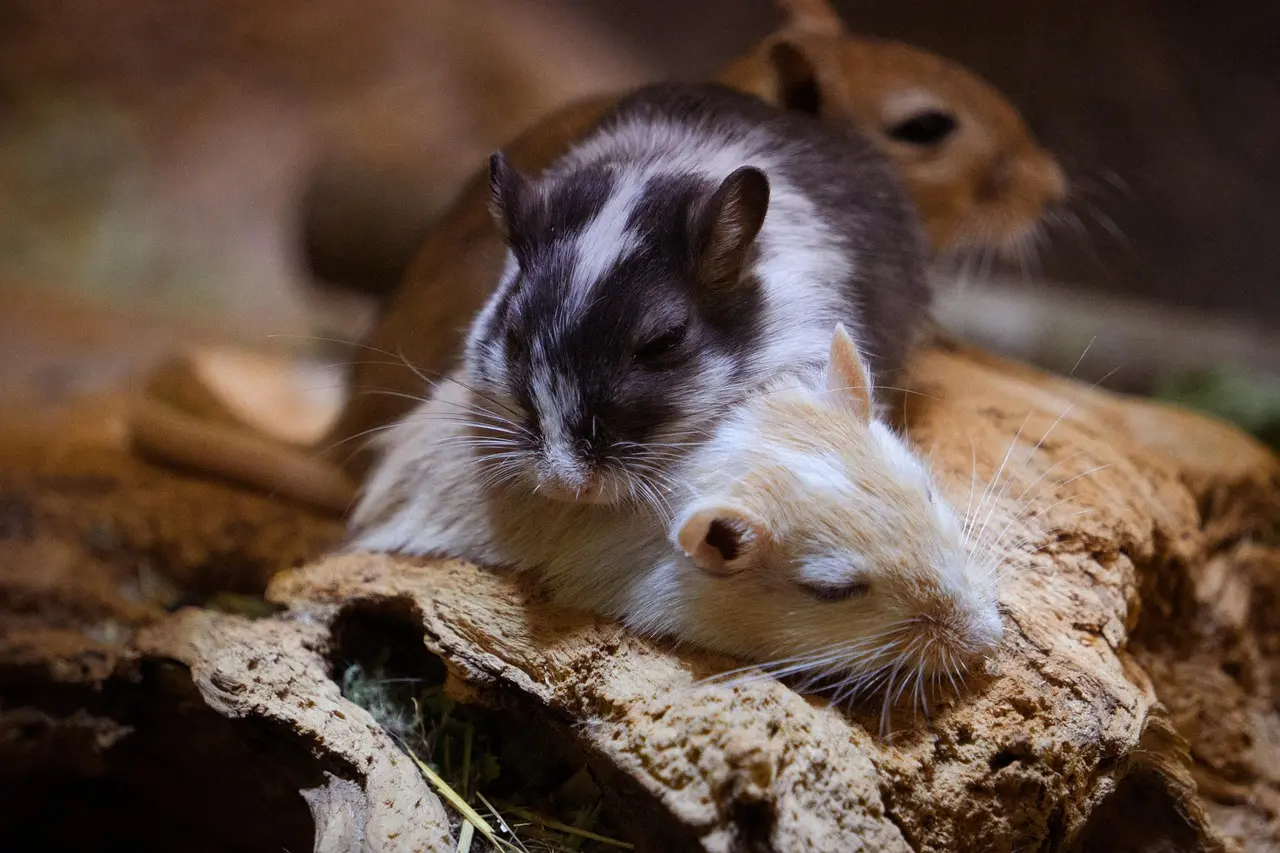
There is no single permanent fix, but repeat infestations drop sharply when exclusion, parking-area control, and inspection routines are combined. Peppermint, scent sprays, and ultrasonic devices may help at the margins, yet they are weak as stand-alone measures compared with sealing access points and removing nearby food and nesting sources.
Exclusion comes first
Focus on the building and parking area before the vehicle. Quarter-inch-sized openings matter, especially around garage doors, wall penetrations, vents, and storage sheds. If rodents can keep entering the parking space, the car remains a warm, dry, undisturbed shelter no matter what scent product is sprayed under the hood.
How deterrents fit
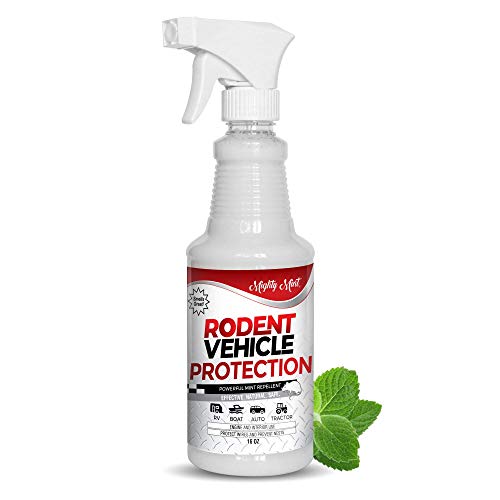
The same source recommends peppermint as a natural deterrent. Used honestly, peppermint or scent sprays are support tools, not reliable primary barriers. The same is true for ultrasonic devices. They may be worth trying in a low-severity setting, but they should sit behind exclusion, cleanup, and inspection on the priority list.
Prevention by vehicle use case
- Daily parked car: Remove food, check for fresh debris weekly, and inspect quickly after storms or cold snaps.
- Long-term storage: Increase inspection frequency, clear the storage area, and check the cowl, air box, and trunk before every restart.
- Classic car: Watch soft materials and trunk storage closely, since long idle periods invite nesting.
- Fleet vehicle: Use a written inspection routine, because repeat parking in the same lot can create the same repeat route.
- Outdoor parking: Trim vegetation, remove trash, and avoid parking beside feed, compost, or dense ground cover.
- Garage parking: Control pet food, bird seed, cardboard, fabric piles, and door-seal gaps.
When to bring in pest control and when to call the shop
Pest control is the right first call for inspection, trapping, nest removal, contamination cleanup, and recurrence control around the parking area. A mechanic or auto electrician should take over when warning lights, no-start symptoms, visible harness damage, blower contamination, or repeated fuse failures show up.
Frequently asked questions
How do rodents get into cars?
Most enter from below through wheel arches, underbody gaps, and firewall openings, or from above through the cowl and HVAC intake area. Mice can fit through a quarter-inch opening, so the parking space itself often matters as much as the vehicle when infestations keep returning.
What are the signs of mice or rats in a car?
Engine-bay nests, chewed harness tape, warning lights, no-start symptoms, vent odor, droppings in the cabin, and reduced airflow are the big clues. Rodent signs usually combine contamination with chewing damage, while insects more often create nuisance or food-related issues rather than electrical faults.
Will insurance cover rodent damage to my car?
Often, the relevant coverage is comprehensive auto insurance, but the final answer depends on policy wording, the deductible, and whether the claim is for direct damage, contamination cleanup, or both. Small repair totals usually favor paying cash; larger wiring bills justify claim math first.
Can pests besides mice and rats get into cars?
Yes. Ants, cockroaches, spiders, termites, beetles, squirrels, chipmunks, and raccoons can all end up in or around vehicles. Rodents remain the highest wiring and electrical-risk group, while insects are usually a contamination or nuisance issue and larger wildlife more often damages liners or insulation.
Products related to this article
Sponsored / affiliate links. As an Amazon Associate I earn from qualifying purchases. I may earn additional commission from eligible campaigns.