Are Hybrid Cars More Expensive to Maintain? The Cost Breakdown
Hybrid cars are popular for their fuel efficiency. But are they more expensive to maintain?
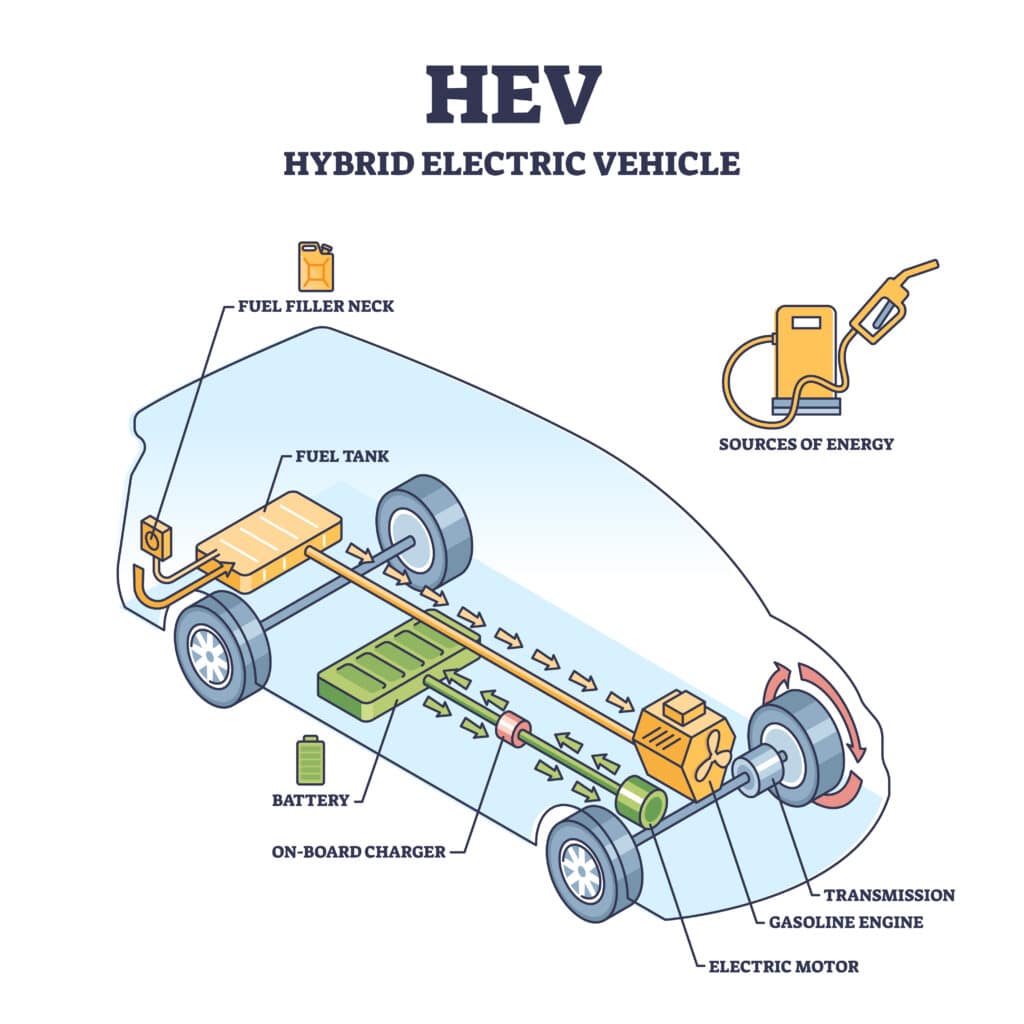
Hybrid cars combine gas engines with electric motors. This dual system can lead to questions about maintenance costs. Some believe hybrid cars are more expensive to upkeep. Others think they save money in the long run. Understanding the true cost of maintaining a hybrid car is important.
It helps in making an informed decision when considering a hybrid vehicle. This blog will explore maintenance costs, common repairs, and overall expenses. Let’s dive in to see if hybrids are truly more expensive to maintain.
Introduction To Hybrid Cars
Hybrid cars use both a gasoline engine and an electric motor. They switch between the two to save fuel. This makes them more fuel-efficient than regular cars. You will see them on the roads more often now. They produce less pollution, which is good for the environment. Many people choose hybrids to save money on gas.
More people are buying hybrid cars these days. They want to save on fuel costs. Cities are making more charging stations for electric cars. This helps hybrid cars too. Many car companies now offer hybrid models. They are more popular because they are better for the environment. People like the idea of using less gas. Hybrids are becoming a smart choice for many drivers.

Credit: commons.wikimedia.org
Initial Purchase Cost
Hybrid cars can be more expensive than regular cars. The advanced technology inside these cars adds to the cost. Some people find this cost worth it for the fuel savings.
Several factors affect the price of hybrid cars. The battery size is one key factor. Brand reputation also matters. Some brands charge more for their hybrid models. Government incentives can sometimes reduce the price.
Fuel Efficiency And Savings
Hybrid cars use less gas than regular cars. This means lower costs at the pump. Driving a hybrid can save money. Gas prices can be high. These savings are important. Long drives cost less with hybrids. City driving also sees savings. Hybrids use electric power in traffic. This cuts down on gas use. Over time, savings add up.
Hybrid cars have lower fuel costs over years. They use less gas. Fuel costs stay lower. Maintenance costs can be different. Some parts may cost more. But the fuel savings can make up for it. Electric power helps save fuel. This means less money spent on gas. Long-term savings are clear. Using less gas is better for the wallet. Initial costs may be higher, but savings grow over time.
Credit: www.hallmarkhyundaibirmingham.com
Maintenance Costs
Hybrid cars might seem more expensive to maintain due to their complex systems. Battery replacement costs can be high, impacting overall expenses. Regular maintenance also involves specialized services, potentially increasing costs.
Routine Maintenance
Hybrid cars need special care. Oil changes are needed less often. This saves money. Battery checks are important. They ensure the battery works well. Tire rotations are the same as regular cars. Brake pads last longer in hybrid cars. This is due to regenerative braking.
Cost Of Repairs
Battery replacement is the biggest cost. It can be pricey. Electrical system repairs are more common. They can be costly. Engine repairs may be less frequent. But they can still be expensive. Regular servicing helps avoid big problems.
Battery Replacement
Hybrid car batteries can last a long time. Often, they work well for 8 to 10 years. Some batteries might last even longer. This depends on how often you drive. It also depends on how you take care of the car. Proper care can extend battery life.
New hybrid batteries can be costly. Prices range from $2,000 to $4,000. This can vary based on the car model. Some batteries might be cheaper. Labor costs can add extra fees. It’s important to check with your car dealer.
Insurance Costs
Insurance premiums for hybrid cars can be higher. Many factors play a role. Parts for hybrids can be expensive. This can raise repair costs. Higher repair costs can lead to higher premiums.
Factors Influencing Insurance
Several factors influence insurance costs for hybrid cars. The value of the car is one. More expensive cars often have higher premiums. The cost of repairs is another factor. Hybrids can have unique parts. These can be costly to replace. This affects insurance rates.
Resale Value
Hybrid cars usually depreciate faster than regular cars. This is due to battery wear and tech updates. Buyers worry about battery life and repair costs. These concerns lower resale value.
High demand for fuel-efficient cars can raise hybrid resale value. Some buyers love the eco-friendly choice. But, if fuel prices drop, demand for hybrids may fall. This can lower their value too.
Conclusion And Recommendations
Hybrid cars can have higher maintenance costs due to complex technology. Regular service and battery replacement may be pricier. Consider these factors when deciding on a hybrid vehicle.
Overall Cost Analysis
Hybrid cars often have higher upfront costs compared to regular cars. Battery replacement can be expensive, sometimes costing thousands. Regular maintenance may also be higher due to complex systems. Yet, fuel savings over time can offset these costs. Insurance might also be more due to advanced tech. Still, tax incentives and rebates can help reduce overall expenses.
Is It Worth It?
Hybrid cars can be a good choice for long-term savings. They are eco-friendly and save on gas. For short-term, they might seem costly. Resale value is often higher for hybrids. They are great for city driving. Consider your budget and needs. Assess both initial and ongoing costs. Make an informed choice.

Credit: www.cars.com
Frequently Asked Questions
Is There A Downside To Buying A Hybrid?
Yes, hybrids can be more expensive initially. Battery replacement costs can be high. They may also have limited towing capacity.
Do Hybrid Cars Have Higher Maintenance?
Hybrid cars generally do not have higher maintenance costs. They require routine maintenance similar to conventional vehicles.
Are Hybrids More Expensive To Insure?
Yes, hybrids are often more expensive to insure. Their advanced technology and higher repair costs contribute to this.
Do Hybrid Cars Break Down More Often?
Hybrid cars do not break down more often. They are generally reliable and have fewer mechanical issues compared to traditional cars. Regular maintenance keeps them running smoothly.
Conclusion
Hybrid cars have both pros and cons. Maintenance costs can vary. Some parts are cheaper, like brakes. Batteries might be more expensive. Overall, maintenance costs depend on the model. Regular check-ups and proper care can reduce costs. Weigh all factors before choosing a hybrid.
Think about long-term savings and environmental benefits. Hybrid cars can be a smart investment.