Best Bug and Tar Remover for Your Windshield (2026 Picks)
Chemical Guys Bug & Tar Remover is the top pick for a windshield bug and tar remover — clear-coat safe, but not the fastest-acting option if residue has baked on for days. Left untreated, bug splatter turns acidic (as low as pH 4.2) and can etch glass and clear coat within 24-48 hours, per University of Florida IFAS research. This guide compares 4 clear-coat-safe removers, the safest wiping technique, and what to look for before you buy.
This article contains affiliate links. We may earn a commission at no extra cost to you if you buy through them.
Quick Answer
Chemical Guys Bug & Tar Remover (16 oz, ~$9.74) is the best all-around windshield bug remover — it’s safe on clear coat, glass, chrome, and plastic. Need to strip old bumper stickers too? Rain-X Pro 3-in-1 handles that. Spray, let it dwell 1-2 minutes, then wipe with a microfiber towel, never a dry paper towel.
Quick Comparison: Best Bug and Tar Removers for Windshields
All four picks below are labeled clear-coat safe by their manufacturers and work on glass, chrome, and plastic trim — not just paint. Dwell time is how long you leave the product on the glass before wiping it away.
| Product | Best For | Dwell Time | Price (approx.) |
|---|---|---|---|
| Chemical Guys Bug & Tar Remover | Overall clear-coat-safe pick | 1-2 min | ~$9.74 |
| Turtle Wax Bundle w/ Microfiber Cloth | First-time buyers | 1-2 min | ~$25.90 |
| Rain-X Pro 3-in-1 | Also strips adhesive/sticker residue | 1-3 min | ~$7.97 |
| Stoner Tarminator | Fastest dwell time, no scrubbing | 30-60 sec | ~$8.99 |
Our Top Pick and Best Alternatives
We compared four widely available, clear-coat-safe formulas based on how they’re actually described and sold by their manufacturers — dwell time, surface compatibility, and what real buyers report needing them for.
Best Overall Bug & Tar Remover Pick
Chemical Guys Bug & Tar Remover, Fast-Acting Pre-Wash for Paint, 16 oz
A fast-acting pre-wash spray the manufacturer lists as safe for clear coat, single-stage paint, windshields, headlights, chrome, and plastic — one bottle covers the whole exterior.
- Best for: Daily drivers who want one bottle safe on paint, glass, chrome, and plastic
- Why we picked it: Widely available and clear-coat safe per the manufacturer’s own product page
- Main drawback: Carries a California Prop 65 warning for trace solvents, so use gloves and ventilation
Compare more windshield bug and tar remover options
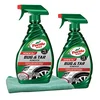 Best For Beginners Turtle Wax Bug & Tar Remover Bundle w/ Microfiber Cloth
|
 Best For Adhesive Residue Rain-X Pro 620213 3-in-1 Bug, Tar and Adhesive Remover, 16oz
|
 Fastest Dwell Time Stoner Car Care Tarminator Tar, Sap & Asphalt Remover, 10 oz
|
As an Amazon Associate we earn from qualifying purchases.
How Bug Splatter Damages Your Windshield and Paint
Fresh bug splatter usually starts out close to pH-neutral. But bacterial activity breaks it down within about a day, and the byproduct can be as acidic as pH 4.2 — roughly the same acidity as vinegar. That’s not just a cosmetic problem for a windshield; the same acids also attack a car’s clear coat.
Left baking in direct sun for 24 to 48 hours, that acidity can etch permanent marks into glass and burn through clear coat. That’s the main reason detailers recommend spraying off bug splatter within a day rather than waiting for your next scheduled wash — the longer it sits, the harder (and more damaging) it gets.
📊 Macerated bug residue is close to pH-neutral (about 6.5) when fresh but becomes acidic — as low as pH 4.25 — within 24 hours, and bacterial action can etch clear coat if it’s left on the surface for several days. — Source: University of Florida IFAS Extension
How to Remove Bug Splatter From a Windshield Without Scratching It
Bug and tar remover works best when it’s given time to dissolve the residue on its own, so you never have to scrub. Follow these steps to avoid scratching the glass.
- Park in the shade: Move the car out of direct sunlight so the remover doesn’t dry out before it can dissolve the residue.
- Rinse first: Hose down the windshield with plain water to soften loose debris and wash away the grit that causes scratching.
- Spray the remover: Apply a clear-coat-safe bug and tar remover to the splatter and let it dwell for 1 to 2 minutes — check the label, since some formulas like Stoner Tarminator work in 30 to 60 seconds.
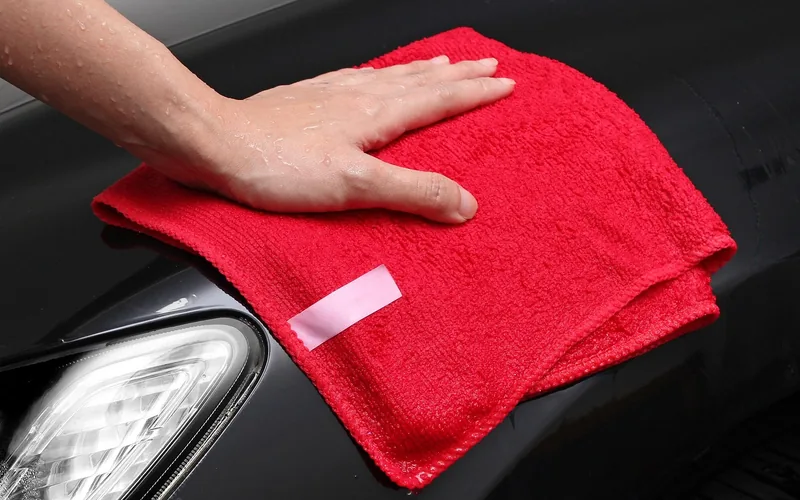
- Wipe gently with a microfiber towel: Use straight, light strokes in one direction rather than circular scrubbing to avoid swirl marks on the glass.
- Rinse and dry: Rinse the windshield with clean water from top to bottom, then dry it with a separate clean microfiber towel to prevent water spots.
- Repeat if needed: For splatter that’s baked on for more than a day, apply a second coat and let it dwell longer before wiping.
“Gentle enough to be used on clear coat and single-stage paint finishes, as well as bumpers, windshields, headlights, plastics, chrome, and more.”
What to Look for in a Bug and Tar Remover
Solvent-Based vs. Water-Based vs. Solvent-Free Formulas
Most bug and tar removers use solvents to break down the protein bonds in dried insect residue. Solvent-based formulas, including several of the picks above, tend to work fastest but carry a stronger odor and often list gloves and ventilation on the label. Water-based and solvent-free formulas are gentler and better suited to frequent use, though they may need a longer dwell time on residue that’s already baked on.
Spray, Foam, or Aerosol: Which Application Format Works Best
Trigger sprays give the most control for targeting just the windshield without overspray onto trim or rubber seals. Foam and aerosol formulas cling longer to vertical surfaces, which helps on a hood or grille but matters less on a mostly flat, near-horizontal windshield.
Is It Safe for Ceramic Coatings and Paint Protection Film (PPF)?
Check the label before using any bug and tar remover on glass or paint protected by PPF or a ceramic coating — some solvent-heavy formulas can dull or degrade a coating with repeated use. When in doubt, spot-test an inconspicuous corner first, or choose a product the manufacturer specifically lists as PPF- and ceramic-safe.
Windshields aren’t the only place bugs accumulate — if you’re wondering why bugs are attracted to your car in the first place, or you need a broader routine for removing bug splatter from paint without damaging it, those guides cover the parts of the car this article doesn’t. Pairing a bug and tar remover with a good windshield washer fluid also helps prevent buildup between full cleanings.
Frequently Asked Questions
Is a dedicated bug and tar remover better than dish soap?
Yes, for anything more than fresh splatter. Dish soap and water can lift bugs that haven’t sat long, but baked-on residue and tar usually need a dedicated remover formulated to break down dried protein and petroleum-based grime without scrubbing.
How often should I clean bug splatter off my windshield?
As soon as you notice it, ideally within a day. Bug residue becomes more acidic and harder to remove the longer it sits in the sun, and it can etch permanent marks into glass or clear coat within 24 to 48 hours.
Can I use a bug and tar remover on a cracked or chipped windshield?
Generally yes for the surrounding glass, but avoid pressing or scrubbing directly into an existing chip or crack, since added pressure can cause it to spread. Wipe around damaged areas gently and consider getting the chip repaired before it grows.
Is Chemical Guys Bug & Tar Remover safe on clear coat?
Yes. The manufacturer states it’s gentle enough for clear coat and single-stage paint finishes, plus windshields, headlights, chrome, and plastic trim, making it a safe one-bottle option for most of the exterior.
What’s the fastest-acting bug and tar remover?
Stoner Tarminator is the fastest of the four compared here, with reviewers reporting it dissolves residue in as little as 30 to 60 seconds without mechanical scrubbing, versus 1 to 2 minutes for most competing sprays.
Can Rain-X Pro 3-in-1 remove bumper stickers too?
Yes. It’s formulated to remove bugs, tar, and light adhesive residue in one product, which makes it a useful pick if you’re also trying to strip an old bumper sticker or decal along with insect splatter.
Is Turtle Wax Bug and Tar Remover safe on chrome and plastic trim?
Yes. It’s formulated for use on paint, chrome, and plastic surfaces in addition to glass, and the bundled microfiber cloth is sized for wiping a windshield without scratching it.
Conclusion
A clear-coat-safe bug and tar remover paired with a gentle microfiber wipe removes windshield splatter without scratching the glass. Chemical Guys Bug & Tar Remover works well for most drivers, Rain-X Pro 3-in-1 earns its spot if you also need to strip adhesive residue, and Stoner Tarminator is the fastest-acting choice when you’re short on time. Whichever you pick, treat the splatter within a day or two to avoid permanent etching.
Products related to this article
Sponsored / affiliate links. As an Amazon Associate I earn from qualifying purchases. I may earn additional commission from eligible campaigns.