Are New Cars More Expensive to Insure? Real 2026 Cost Data
Yes, new cars are almost always more expensive to insure than used ones. Insurers charge more mainly because a new car costs more to replace or repair after a crash, and it usually carries pricier collision-avoidance technology that’s expensive to fix or recalibrate.
Quick Answer: New cars can cost up to 40% more to insure than a comparable used car. In 2026, full coverage on a new vehicle averages roughly $280 a month, versus a U.S. full-coverage average of about $208 a month across all vehicle ages — though the exact gap depends heavily on the specific make and model you buy.
That said, “new car” doesn’t automatically mean “expensive premium” for every model — some brand-new vehicles are actually cheaper to insure than their five-year-old counterparts. Below, we break down exactly what drives the cost, how new and used insurance really compare, and what you can do to bring your premium down.
What Makes New Cars More Expensive to Insure
A handful of factors combine to push new-car premiums higher than what you’d pay on an older vehicle:
- Higher replacement value. If your new car is totaled, the insurer has to pay out its full current market value — which is far higher than a 10-year-old car’s. More payout risk means a higher premium.
- Pricier parts and labor. New models often use newer, harder-to-source parts, and body shops charge more to work on them. A fender bender on a brand-new car can cost thousands more to fix than the same repair on an older model.
- Advanced safety technology. Airbags, lane-keep assist, automatic emergency braking, and adaptive cruise control lower your accident risk — which can reduce premiums — but the sensors and cameras that power them are expensive to replace or recalibrate after even minor damage. We cover exactly how much this adds below.
- Lender-required coverage. If you financed or leased the car, your lender almost certainly requires full coverage (collision and comprehensive), not just state-minimum liability. That alone raises your bill compared to an older, paid-off car where liability-only is an option.
New Car vs. Used Car Insurance: Real 2026 Cost Comparison
According to 2026 rate data from MoneyGeek, a new car averages around $280 a month for full coverage, compared with a U.S.-wide full-coverage average of about $208 a month across all vehicle ages. Used cars, overall, can run up to 40% cheaper to insure than an equivalent new model. (Source: MoneyGeek, 2026)
But that 40% figure is an average, not a guarantee — the gap swings wildly by make and model, and a few vehicles actually buck the trend entirely. MoneyGeek’s own model-level data found:
| Vehicle | New vs. 5-Year-Old Insurance Cost | What It Means |
|---|---|---|
| BMW X2 | About $900/year less new | A rare case where buying new is actually the cheaper insurance option |
| Tesla Model Y | About $1,933/year more new | Expensive EV parts and battery-related repair costs keep new-model premiums elevated |
| Most mainstream sedans/SUVs | Typically 15%–40% more new | Follows the general depreciation-and-repair-cost pattern |
The takeaway: always get an actual insurance quote for the specific new model you’re considering before assuming it will cost more than an older version of the same car. Sometimes it won’t.
How Advanced Safety Tech (ADAS) Affects Your Premium
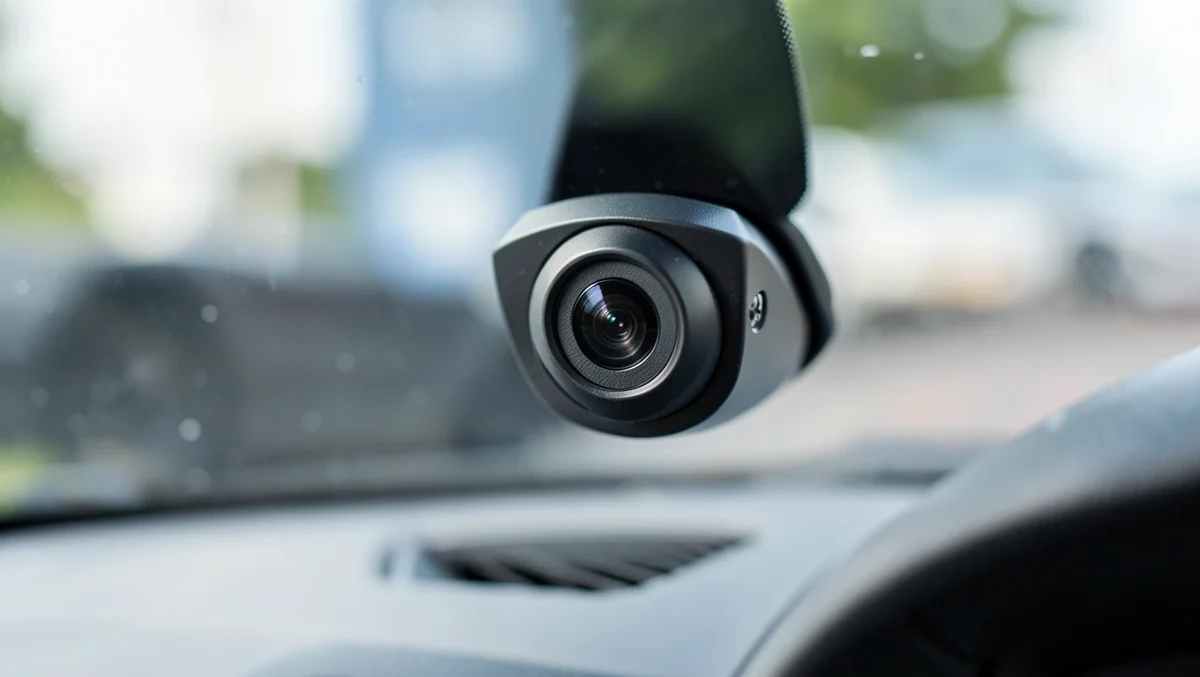
Most new cars sold today come standard with at least some level of Advanced Driver Assistance Systems (ADAS) — things like automatic emergency braking, lane departure warning, and adaptive cruise control. These features genuinely reduce crash risk, but they also raise the cost of fixing your car after an accident, and insurers price that in.
A 2023 AAA study found that vehicles equipped with ADAS can face repair bills up to 37.6% higher than comparable models without it. A few specific numbers from that report:
- Windshield replacement on an ADAS-equipped car averages about $360 extra just for the camera recalibration — roughly a quarter of the total repair bill.
- A front radar sensor (used for automatic braking and adaptive cruise control) typically costs $500–$1,300 to replace.
- A front camera sensor (lane-keep assist, forward collision warning) typically costs $600–$800 to replace.
In other words, even a “minor” fender bender on a new car can trigger a repair bill several times higher than the same crash would cost on an older, tech-free vehicle — and that repair-cost history is exactly what insurers use to set your rate. (Source: AAA Newsroom, 2023 ADAS repair cost study)
Do You Need Full Coverage on a New Car? (Gap Insurance Explained)
If you financed or leased your new car, your lender will almost always require you to carry both collision and comprehensive coverage — not just your state’s minimum liability — for as long as you owe money on it. That’s non-negotiable and is one of the biggest reasons a new car’s insurance bill looks higher than an older, paid-off vehicle’s.
On top of that, many lenders and leasing companies also require or strongly recommend gap insurance. New cars depreciate fastest in their first year or two, so if your car is totaled early in the loan, your standard payout (based on actual cash value) can end up lower than what you still owe. Gap insurance covers that difference. It’s not mandated by any state law, but it is frequently a lender requirement on new-car loans and leases, and it typically only adds a small amount to your monthly premium if purchased through your insurer rather than the dealership.
Manufacturer Warranties and Insurance Premiums
A new car’s manufacturer warranty (commonly 3 years/36,000 miles for bumper-to-bumper coverage, with powertrain coverage often extending to 5 years/60,000 miles or longer) covers mechanical failures — not collision damage, which is what your auto insurance handles. The two rarely overlap directly, but a strong warranty can still work in your favor indirectly: it reduces the odds you’ll need to file a mechanical-related insurance claim, and some insurers factor a car’s overall reliability and warranty coverage into how they price a policy. An extended warranty purchased after the factory coverage ends works the same way — it protects your wallet from repair bills, but it’s a separate product from your car insurance policy, not a substitute for it.
Regional and State Insurance Rate Differences
Where you live affects your new-car premium as much as the car itself does. Urban areas generally see higher rates because of denser traffic, more accidents, and higher theft rates; rural areas typically see lower rates for the opposite reasons. State-level minimum coverage requirements and no-fault vs. at-fault insurance laws also shift your baseline cost significantly — two drivers with an identical new car in different states can see premiums that differ by hundreds of dollars a year.
How to Lower Insurance Costs on a New Car

A new car’s insurance bill isn’t fixed — there’s usually real room to bring it down:
- Bundle your policies. Combining auto and homeowners/renters insurance with the same company is one of the most consistent discounts available, often in the 5–25% range depending on the insurer.
- Enroll in a usage-based (telematics) program. Programs like Progressive Snapshot, Allstate Drivewise, and State Farm Drive Safe & Save track real driving habits — braking, speed, mileage — through an app or plug-in device, and can lower your premium if your driving data shows you’re a low-risk driver.
- Raise your deductible. A higher collision/comprehensive deductible lowers your monthly premium, as long as you keep enough set aside to cover it if you ever need to file a claim.
- Ask about safety-feature discounts. Many insurers offer a separate discount specifically for cars equipped with automatic emergency braking or anti-theft systems — on top of whatever baseline rate the tech already earns you.
- Shop around before you buy. Get an actual insurance quote for the exact trim and model you’re considering before signing at the dealership. As the BMW X2/Tesla Model Y comparison above shows, the cost difference between “new” and “used” isn’t the same for every vehicle.
Frequently Asked Questions
Is Insurance More Expensive With New Cars?
Usually, yes. New cars typically cost up to 40% more to insure than a comparable used car, mainly because of higher replacement value and pricier repair costs, though the exact gap depends on the specific make and model.
Is It Cheaper to Insure a New Car or an Old Car?
An old car is almost always cheaper to insure. It has a lower replacement value, is often owned outright (so full coverage isn’t required), and typically uses cheaper, more widely available parts if it needs repairs.
Does Buying a New Car Always Raise Your Insurance Rate?
Not always. It’s true for most vehicles, but not universal — some models (like the BMW X2, per 2026 rate data) actually cost less to insure new than they do five years later, depending on how the car depreciates and how expensive its parts become as it ages. Always get a real quote for your specific model before assuming.
Do Safety Features Lower or Raise My Premium?
Both, in a sense. Safety features like automatic emergency braking and lane-keep assist can lower your premium because they reduce accident risk, and some insurers offer a specific discount for having them. But the sensors and cameras behind those features are expensive to repair or recalibrate after a crash, which pushes the average claim cost — and therefore future premiums — higher. AAA found ADAS-equipped vehicles can have repair bills up to 37.6% higher than non-equipped models.
Do I Need Gap Insurance on a New Car?
If you financed or leased the car, your lender may require it, and it’s worth having even if they don’t. New cars depreciate quickly in the first year or two, so if the car is totaled early in the loan, gap insurance covers the difference between what you owe and the car’s actual cash value.
How Can I Lower Insurance Costs on a New Car?
Bundle your auto policy with homeowners or renters insurance, enroll in a telematics/usage-based driving program (like Progressive Snapshot or State Farm Drive Safe & Save), raise your deductible if you can afford it, ask about safety-feature discounts, and always compare quotes for the specific trim you’re buying before you sign.
The Bottom Line
New cars typically do cost more to insure — often up to 40% more than a comparable used model — because of higher replacement value, pricier repairs, expensive-to-fix safety technology, and lender-required full coverage. But the size of that gap isn’t the same for every vehicle, and a handful of models are actually cheaper to insure new than used. Before you buy, get a real insurance quote for the exact car you’re considering, ask about telematics and bundling discounts, and weigh the premium alongside the purchase price so you’re budgeting for the true cost of ownership, not just the sticker price.
Products related to this article
Sponsored / affiliate links. As an Amazon Associate I earn from qualifying purchases. I may earn additional commission from eligible campaigns.
 Huidasource Front Seat Covers, Universal Fit for Most Cars SUV Trucks, Full Coverage Leather Seat Cover, Airbag Compatble, Seat Function Retain, Storage Pocket Design, Easy to Install, Gray
 Car Scratch Repair Wax, 2026 New Scratch Remover for Vehicles – Universal Polishing Paste for Deep Scratches & Various Surfaces, with Wipe & Sponge (1)