Are There Cars in Venice, Italy? Only Past Piazzale Roma
The historic island core of Venice is car-free, but the city of Venice as a whole is not — the mainland district of Mestre is full of cars and roads, and even Piazzale Roma and Tronchetto island at the edge of the historic center are accessible by car, taxi, and bus.
Related: whether cars are allowed in Venice at all.
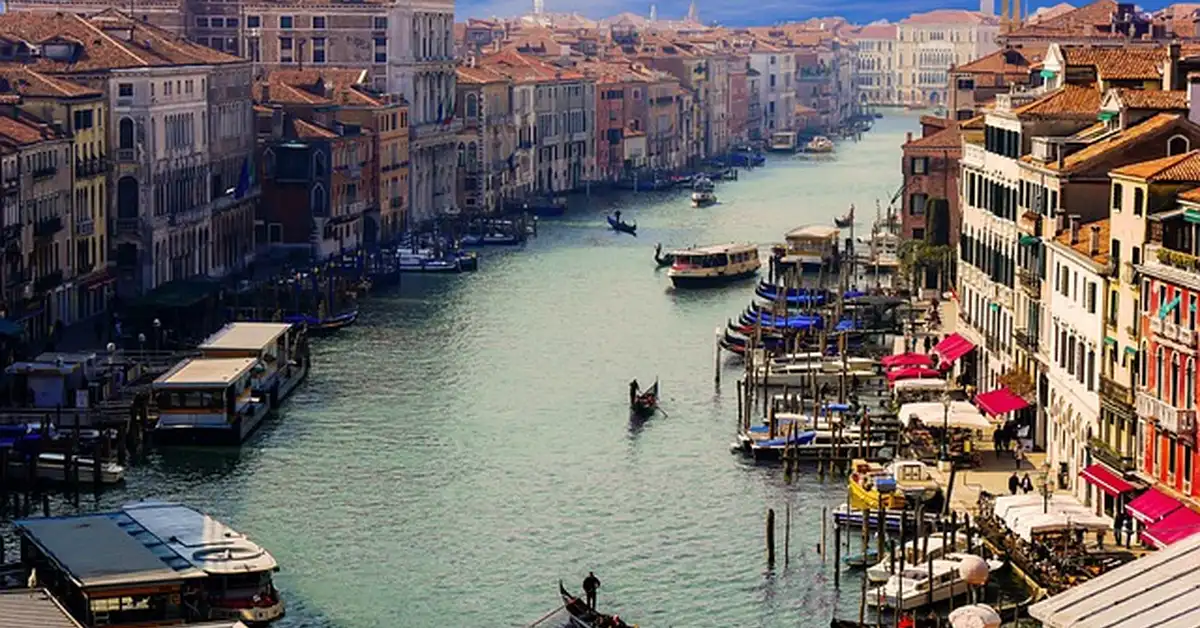
The absence of cars is intentional, as the narrow and winding streets and extensive network of canals are better suited for boats and pedestrians. Instead of cars, residents and visitors rely on water taxis, gondolas, vaporettos (public water buses), and walking to navigate the city.
This car-free environment adds to the charm and tranquility of Venice, where the primary modes of transportation are the iconic gondolas and boats that gracefully glide through the picturesque canals.
Venice, Italy, known for its iconic canals, offers a unique transportation system where cars are nowhere to be found. Instead of cars, people rely on boats and gondolas for their daily commutes and sightseeing experiences, making Venice a car-free city unlike any other.
It’s no secret that Venice, Italy is a truly unique city. Situated on a group of 118 small islands, this famous destination is renowned for its beautiful canals, stunning architecture, and rich history. When it comes to transportation, however, Venice is unlike any other city in the world. In fact, one of the most fascinating aspects of Venice is the absence of cars. Yes, you heard that right – in this enchanting city, cars are not allowed. Let’s explore why Venice has such an unconventional approach to transportation.
1. No Wheels Allowed: Venice’s Car-free Zone
In Venice, the streets are not made for cars; they are made for pedestrians and boats. The absence of cars is a deliberate choice to preserve the city’s unique atmosphere and protect its delicate infrastructure. The narrow streets and countless bridges that crisscross Venice would make it nearly impossible for cars to navigate through the city. Instead, Venice relies on a well-established network of canals and boats, which are not only practical but also add to the city’s magical charm.
2. Venetian Water Taxis: The Next Best Thing To Cars
While cars are restricted in Venice, there is a form of transportation that may come close – water taxis, also known as vaporettos. These convenient water buses operate on the city’s canals, providing residents and visitors with an efficient way to get around. Whether you want to explore popular landmarks like St. Mark’s Square or venture to the nearby islands of Murano and Burano, hopping on a water taxi is a fantastic option.
3. Embracing A Car-free Lifestyle: Benefits For Venice
The decision to ban cars in Venice has significant benefits for the city and its inhabitants. Without the constant noise, pollution, and traffic congestion associated with cars, Venice is an oasis of tranquility. Visitors can enjoy wandering through the labyrinthine streets, discovering hidden gems around every corner, without the interruption of honking horns or exhaust fumes. Additionally, the absence of cars helps maintain the architectural integrity of Venice’s historic buildings, as vibrations from vehicles can cause structural damage.
In conclusion, Venice, Italy, is a city like no other. Its enchanting allure extends to its unconventional approach to transportation – a city where cars are not allowed, but canals and water taxis reign supreme. Visitors to this remarkable city have the unique opportunity to explore its narrow streets and picturesque waterways without the intrusion of vehicles. So, leave the car behind and embrace the charm and magic of Venice.
Where the Car-Free Zone Actually Starts
If you’re driving to Venice, the Ponte della Liberta bridge carries you from the mainland straight to Piazzale Roma, where you’ll find multi-level parking garages and a large lot on nearby Tronchetto island — this is genuinely as far as any car, taxi, or tour bus can go. From Piazzale Roma onward, the historic center is entirely car-free, and getting around means walking, water buses (vaporetti), water taxis, or gondolas. Many visitors mistakenly picture all of Venice as car-free, when in reality it’s only the historic island core beyond that one parking hub.
Conclusion
In Venice, Italy, the absence of cars is a unique aspect that defines the city’s charm. The absence of motor vehicles creates a peaceful and tranquil environment, allowing visitors and locals to explore the city’s stunning architecture and beautiful canals at their own pace.
Instead of cars, Venetians and tourists rely on boats, gondolas, and walking as the primary means of transportation. This car-free environment allows for a truly magical experience unlike any other city in the world. So, if you’re planning a trip to Venice, get ready to leave the hustle and bustle of cars behind and immerse yourself in the magical ambiance of this enchanting city.
Products related to this article
Sponsored / affiliate links. As an Amazon Associate I earn from qualifying purchases. I may earn additional commission from eligible campaigns.