Can a Car Lock With Keys Inside? Yes, Even With Keyless Fobs
Yes, a car can lock with the keys inside — even keyless models, if the fob’s proximity failsafe doesn’t detect it or the mechanical lock button is pressed manually. Lockouts made up 10% of all AAA roadside calls in 2024, with AAA Northeast alone logging 198,618 members locked out that year. This guide covers why proximity keys usually (but not always) prevent this, real causes of an actual lockout, and what to do if it happens to you.
Quick Answer
Yes — it depends on the car. Older vehicles with a manual lock plunger can always be locked with the keys inside if you push it down and shut the door. Newer keyless/proximity-key vehicles are built to sense the fob and refuse to lock (or unlock again automatically) — but that failsafe isn’t universal, and a dead fob battery, a signal dead zone, or interference can make it fail.
Why Would a Car Lock With the Keys Inside?
Getting locked out with the keys still inside can happen to anyone, and the cause almost always comes down to one of three things: an automatic locking system, a keyless entry system that failed to detect the fob, or a simple mistake. Here’s how each one actually works.
Automatic Locking Systems
Many modern cars include speed-based or gear-based auto-lock features that lock the doors once the vehicle reaches a set speed or is shifted into drive. If the keys are inside when this triggers — say, you step out to check something while the engine is running — the doors can lock around them. Most vehicles include an override for this: pressing and holding a specific button on the key fob temporarily disables auto-lock. Check your owner’s manual for the exact procedure, since it varies by make.
Keyless Entry and Proximity Key Systems
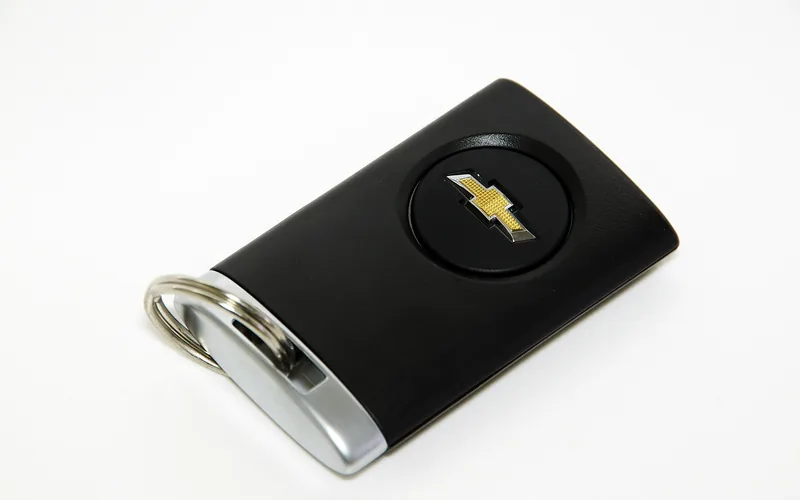
Push-button, proximity-key systems are actually built to prevent this exact problem, not cause it. When you touch the door handle or press the lock button on the outside of the car, the vehicle’s antennas scan for the fob’s signal. If they detect it inside the cabin, most systems simply won’t lock — or they’ll lock and then immediately pop back open.
The catch is that fob detection has real limits. A weak or dead fob battery, the fob sitting in a signal dead zone (the glovebox, a deep floorboard, or the trunk), or interference from a phone, laptop, or metal water bottle can all make the car think the fob isn’t there — letting it lock anyway even though the fob never left the cabin.
User Error and Manual Overrides
Even with every electronic safety feature working correctly, a driver can still lock the keys inside without realizing it. Using the physical valet key blade, manually pushing down the interior lock plunger before shutting the door, or locking the car from outside with a mechanical key cylinder all bypass the fob-detection check entirely — they’re mechanical actions, not electronic decisions, so the car has no way to “know” the fob is still inside.
Does Every Car Have This Safety Feature?
No. The fob-detection failsafe is common on vehicles built in roughly the last 10–15 years with push-button start, but it isn’t required by law and isn’t identical across every brand or trim level. Older vehicles with traditional metal keys and manual lock plungers have no such protection — pushing the lock button and shutting the door will lock the keys inside every time. If you’re not sure whether your specific model has this feature, check your owner’s manual or ask your dealership’s service department. The safest habit either way is to assume the failsafe might not work and double-check before you shut the door.
Consequences of Locking Your Keys Inside a Car
It can happen to anyone — you rush out of your car, shut the door, and then click, you realize your keys are still sitting inside. It’s a sinking feeling that can quickly turn into panic, especially if you’re in a hurry. Here’s what’s actually at stake.
Inconvenience
Locking your keys inside can derail your entire day, whether you’re running errands, heading to work, or just out enjoying some free time. You’re suddenly stuck with no way to access your car or continue with your plans, which can mean wasted time, missed appointments, and the added stress of finding a solution on short notice.
Safety Hazards
Locking your keys inside can also pose real safety risks. Being stuck in a deserted parking lot or an unfamiliar area after dark can leave you feeling vulnerable and exposed. If a child or pet is locked inside the vehicle, the situation becomes far more urgent — heat inside a parked car can climb to dangerous levels within minutes, so acting quickly (and calling 911 if a child or pet is trapped) matters more than avoiding a scratch.
Potential Damage to the Car
Trying to force your way back in can lead to real damage. Desperation can tempt you into unconventional methods like a coat hanger, a wedge and rod, or even breaking a window — and these can result in scratched paint, a torn window seal, or shattered glass, costing more time and money to fix than the lockout itself. Weigh the risk before attempting any DIY method on a car you’re not completely familiar with.
How to Prevent Getting Locked Out of Your Car
With a little bit of foresight, most keys-inside lockouts are avoidable. These three habits cover the majority of cases.
Double-Check Before Leaving the Car
The simplest fix is also the most effective: make it a habit to visually confirm your keys are in your hand before you close the door. It sounds obvious, but it’s easy to get distracted in the middle of a busy day — a quick glance before the door shuts eliminates most accidental lockouts entirely.
Carry a Spare Key
A spare key is the single best insurance policy against a lockout. Keep one in a safe place separate from your main set — give it to a trusted friend or family member, or use a magnetic hide-a-key box attached discreetly to the underside of the car. Having a spare on hand saves you the cost and wait time of a locksmith call.
Use Keyless Entry Systems Cautiously
Keyless entry is convenient, but it’s worth using deliberately. Double-check that you have your fob with you before locking the car through the app, button, or handle sensor, and be mindful of where you set the fob down inside the vehicle — avoid gaps between seats or the console where it could end up out of range of the interior antennas.
Best Spare Key Storage Pick
Magnetic Key Box, Hide A Key Holder, Under Car Magnetic Key Storage
A waterproof magnetic case that attaches discreetly to the underside of the car, so a spare key is always within reach without carrying a second one on you.
- Best for: drivers who want a spare key on the car itself instead of with a friend or family member
- Why we picked it: directly matches the “carry a spare key” prevention step above — a strong magnet keeps it attached even at highway speed
- Main drawback: a thief who knows to check under the car could find it, so it’s not a substitute for a hidden or trusted-person spare
Compare more lockout-prevention options
 Option 1 CR2032 Key Fob Battery Replacement (2 Pack)
|
 Option 2 Anti-Lost Keychain, Works with Apple Find My
|
 Option 3 17-Piece Car Lockout Tool Kit (J-Hook + Air Wedge)
|
As an Amazon Associate we earn from qualifying purchases.
What to Do If You’re Actually Locked Out With the Keys Inside
If prevention didn’t work and you’re already staring at your keys through the window, work through these steps in order before you consider anything drastic.
- Check every door and the trunk: Automakers don’t always lock every entry point at once — try all four doors and the trunk before assuming you’re fully locked out.
- Try your manufacturer’s app: Tesla, FordPass, MyHyundai, myChevrolet, Mercedes me, and similar connected-car apps can remotely unlock the doors if your phone is paired and your telematics subscription is active.
- Use a spare key or the fob’s hidden key blade: Retrieve a spare, or pop out the small mechanical key blade built into most proximity fobs — it unlocks the driver’s door by hand even with a fully dead fob.
- Call roadside assistance or a locksmith: Contact AAA, your insurance roadside plan, or a licensed automotive locksmith if the first three steps don’t work.
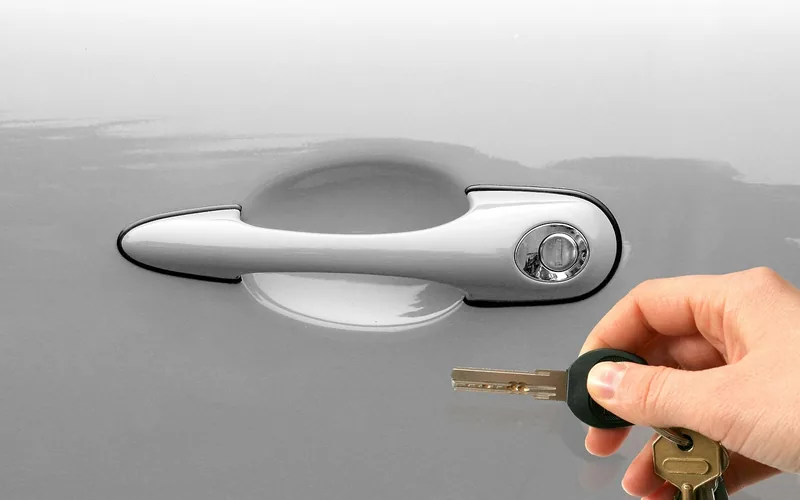
DIY entry tools like a coat hanger, a wedge, or a slim jim can work on some older vehicles with exposed lock mechanisms, but they carry real risk on modern cars — a slipped wire can tear a window seal, and forcing a wedge too far can crack the glass or, on some newer models, trigger a side-impact sensor near the door frame. For a full walkthrough of these methods and when they’re actually appropriate, see our guide on getting locked keys out of a car fast and our detailed breakdown of real unlock costs. If you’re specifically wondering whether your roadside plan covers this, see does AAA unlock cars with keys inside. For most drivers on a car built in the last decade or two, a locksmith is the safer default — expect to pay roughly $60–$150 during business hours, according to JD Power’s locksmith cost guide.
📊 Vehicle lockouts made up 10% of all AAA roadside service calls in 2024, and AAA Northeast alone logged 198,618 members locked out of their cars that year. — Source: AAA Northeast, 2024
“The newer the car, generally the harder it is to get into.”
Frequently Asked Questions
Will my car lock automatically if I leave the key fob inside?
It depends on the vehicle. Most push-button, proximity-key cars are designed to detect the fob and refuse to lock, but this fails if the fob battery is weak, the fob is sitting in a signal dead zone, or there’s electronic interference. Older cars with traditional metal keys have no such protection and will lock normally regardless of what’s inside.
Can you lock a key fob inside a keyless entry car on purpose?
Usually, yes — by using the mechanical valet key blade hidden in the fob, manually pressing the interior lock plunger, or locking the car from outside with a physical key cylinder. These are mechanical actions rather than electronic ones, so they bypass the fob-detection failsafe entirely.
Why did my car lock with the key fob inside if it’s supposed to prevent that?
The most common causes are a dead or weak fob battery, the fob sitting in a dead zone like the glovebox or trunk, interference from a phone or laptop, or a software glitch. Some vehicles also have an auto-relock timer that engages a set number of seconds after a door opens, regardless of where the fob is.
Is it safe to use a coat hanger to unlock a car?
It can work on some older vehicles with exposed lock mechanisms, but it carries real risk on modern cars — a slipped wire can tear a window seal or scratch the paint, and too much force can crack the glass. See our full coat hanger method walkthrough for when it’s actually appropriate, or call a locksmith for anything newer than a decade or two old.
What if I don’t have a spare key or the manufacturer’s app?
Call your roadside assistance provider — AAA and most insurance plans cover lockouts — or a licensed automotive locksmith, who typically charges $60–$150 during business hours. Avoid forcing entry on a car you’re not familiar with; a cracked window or torn seal usually costs more than the locksmith call would have.
Do all newer cars prevent keys from being locked inside?
No. The failsafe is common on vehicles with push-button start built in the last 10–15 years, but it isn’t required by law or standardized across every brand. Check your owner’s manual to confirm whether your specific model has this protection, and don’t treat it as a guarantee.
Conclusion
A locked car with the keys inside is genuinely common — it’s not a malfunction, and it’s not always avoidable, even in a newer car with every safety feature working. What matters most is knowing which category your car falls into (protected by proximity detection or not), building the habit of double-checking before you shut the door, and having a spare key or app-based backup ready before you need it.
If it does happen, stay calm, check every door and the trunk first, and lean on a spare key, your manufacturer’s app, or a locksmith rather than forcing entry on a car you’re not sure how to open safely.
Products related to this article
Sponsored / affiliate links. As an Amazon Associate I earn from qualifying purchases. I may earn additional commission from eligible campaigns.