Can a Car Battery Die While Driving? Warning Signs to Know
Yes, a car battery can die while driving. — see our related guide, Can a Radio Drain a Car Battery? Yes, in About 3 to 6 Hours.
Related: battery corrosion causing a stall.
Car batteries are the lifeblood of our vehicles, providing the power necessary to start the engine and keep it running smoothly. However, it’s not uncommon for car owners to wonder whether a car battery can die while driving. In this article, we explore the factors that can cause a car battery to die while driving and provide tips on how to prevent it from happening.
Understanding The Function Of A Car Battery
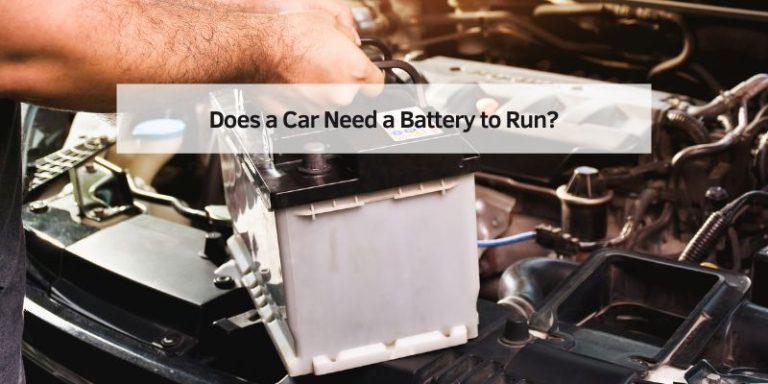
A car battery serves two main functions: starting the engine and supplying power to all electrical components in the vehicle. When you turn the ignition key, the battery sends a surge of power to the starter motor, which then cranks the engine to get it running. Once the engine is running, the alternator takes over and supplies power to the electrical systems while also recharging the battery.
Factors That Can Cause A Car Battery To Die While Driving
While it’s rare for a car battery to die while driving, certain factors can contribute to this unfortunate situation. Here are a few possible causes:
- Electrical System Malfunction: A malfunctioning alternator or voltage regulator can prevent the battery from getting charged properly, leading to gradual power depletion while driving.
- Faulty Battery: If your car battery is old or has defects, it may not hold a charge effectively. Over time, this can lead to a dead battery.
- Parasitic Drain: Some electrical components, such as lights or radios, can drain the battery even when the engine is off. If they are left on while driving, they can put additional strain on the battery.
- Extreme Weather Conditions: Extremely hot or cold temperatures can affect the performance of your car battery, causing it to lose charge more rapidly while driving.
Preventing A Car Battery From Dying While Driving
To prevent the inconvenience of a dead battery while on the road, consider these tips:
- Maintenance: Regularly inspect and maintain your car’s electrical system, including the battery, alternator, and wiring, to ensure they are in good working condition.
- Limit Electrical Usage: Minimize the use of power-hungry electrical components, such as air conditioning or high-powered audio systems, when the engine is idling.
- Avoid Short Trips: Short trips do not allow your battery enough time to fully recharge. Whenever possible, take longer drives to allow the battery to replenish its charge.
- Turn Off Unnecessary Devices: When not in use, turn off lights, radio, and any other electrical devices to reduce the strain on your car battery.
- Keep Battery Terminals Clean: Regularly clean the battery terminals to prevent corrosion, which can hinder the flow of electricity.
By understanding the various factors that can cause a car battery to die while driving and taking appropriate measures, you can minimize the chances of encountering this inconvenience on the road. Schedule regular maintenance and stay vigilant to ensure your car battery stays reliable and keeps you powered up wherever your travels take you.
Warning Signs and What to Do If It Happens to You
If your battery or charging system is failing while you’re driving, watch for a battery warning light on the dash, headlights or interior lights that noticeably dim, power windows or accessories that suddenly feel sluggish, or the engine briefly stumbling at stoplights. If you notice these signs, the safest move is to turn off nonessential electrical loads (radio, AC, phone charger) to conserve what power is left, and get to a safe place to pull over before the engine loses enough power to stall completely — a car that dies from electrical failure while merging or in traffic is a genuine hazard, so don’t wait for a complete failure to take it seriously.

NOCO Boost GB40 12V 1000A UltraSafe Portable Lithium – $99.95


Conclusion
Car battery failures are an unforeseen frustration that can happen even while driving. Understanding the reasons behind this issue is crucial for every driver. From electrical system problems to extreme weather conditions, various factors can contribute to a dead battery.
Regular maintenance, including inspections and proper care, can help mitigate these problems. By being proactive and knowledgeable, you can minimize the chances of your car battery dying while driving and ensure a smoother and safer journey. Stay prepared and take preventive measures to avoid unexpected breakdowns on the road.
Products related to this article
Sponsored / affiliate links. As an Amazon Associate I earn from qualifying purchases. I may earn additional commission from eligible campaigns.