Can a Magnet Pull a Car? Yes, With a Junkyard Electromagnet
An ordinary permanent magnet cannot pull a car — but a powerful industrial electromagnet absolutely can. Scrapyard cranes use exactly this kind of electromagnet every day to lift entire vehicles, with some rated to lift several tons of steel at once.
Related: whether a car can have a clean title with an accident.
When it comes to magnets, their intriguing properties and potential applications never cease to amaze us. But can a magnet actually pull a car?
Magnetic Application In Transportation
Magnets have long been used in various aspects of transportation due to their versatility and efficiency. From trains to cars, magnetic technology has revolutionized the way we travel.
Magnetic Levitation Trains
Magnetic levitation trains, also known as maglev trains, are a prime example of how magnets can provide exceptional propulsion. These trains use powerful magnetic fields to both lift and propel the train above the tracks, significantly reducing friction and allowing for high-speed travel.
Through the attraction and repulsion forces generated by magnets, maglev trains are able to achieve remarkable speeds without the need for conventional wheels. This unique form of transportation offers an ultra-smooth ride and the potential to revolutionize public transportation systems worldwide.
Future Possibilities Of Magnetic Car Propulsion
The success of maglev trains has sparked curiosity about the possibility of using magnets for car propulsion. While it is unlikely that a single magnet can pull a conventional car, researchers are exploring the potential of magnetic technologies for improving efficiency and reducing emissions in the automotive industry.
Magnetic motors, for instance, are being developed as an alternative to traditional combustion engines. These motors utilize the attractive and repulsive forces of magnets to generate rotational motion, eliminating the need for fuel combustion and reducing carbon emissions.
Furthermore, magnet-based regenerative braking systems are gaining attention as a way to recover and store energy during deceleration, ultimately increasing fuel efficiency in vehicles.
While pulling a car with a single magnet may remain a challenge, the future possibilities for magnetic car propulsion hold immense potential for transforming the way we drive. As technology advances and research continues, we may soon witness the integration of magnets in our everyday vehicles, leading us towards a greener and more sustainable future of transportation.
How Scrapyard Magnets Actually Lift Cars
A scrapyard’s crane magnet isn’t a permanent magnet at all — it’s a large iron disc that only becomes magnetic when the crane operator switches on an electric current, which is why it’s called an electromagnet. Lower the energized disc onto a car or pile of scrap steel, and the powerful magnetic field grabs onto the ferrous metal (steel and iron), letting the crane lift and move it. Turn off the current, and the car drops right back down — no permanent magnetism involved at all, and no magnet you could buy for personal use comes close to this kind of power.
Conclusion
The myth of a magnet pulling a car has been debunked. While magnets have the ability to generate force, the strength required to move a heavy object like a car is simply not attainable. Understanding the principles of magnetism helps demystify the misconception.
So, next time you see a car being pulled by a magnet in a cartoon or movie, remember that it’s purely fictional.
Products related to this article
Sponsored / affiliate links. As an Amazon Associate I earn from qualifying purchases. I may earn additional commission from eligible campaigns.
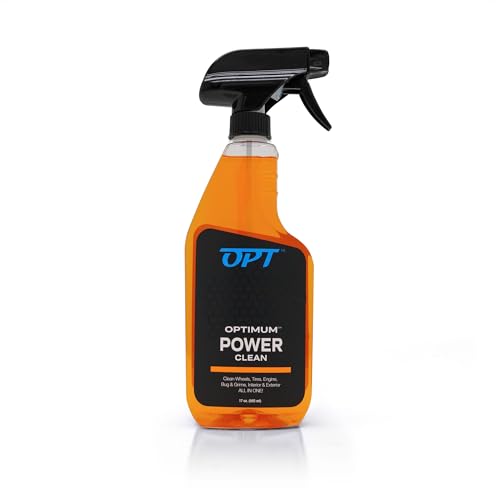 Optimum Power Clean - All Purpose Car Cleaner - Exterior and Interior, Bug and Tar Remover, Great for Boat, Motorcycle, RV, and Car Detailing (17 Oz)
 Portable Car Heater Car Heater, Portable Electronic Auto Heater Fan Fast Heating Defrost 12V 120W Car Defrost Defogger, 2 in 1 Heating/Cooling Function 3-Outlet, Plug Adjustable