Can a Honda Pilot Use Unleaded 88? Check Your Model Year
It depends on your Pilot’s model year. Some Honda Pilot owner’s manuals cap ethanol content at 10% (excluding Unleaded 88/E15), while others allow up to 15% ethanol (which includes E15) — check your specific manual rather than assuming either way. — see our related guide, Can a Honda Civic Take Unleaded 88? Check Your Model Year.
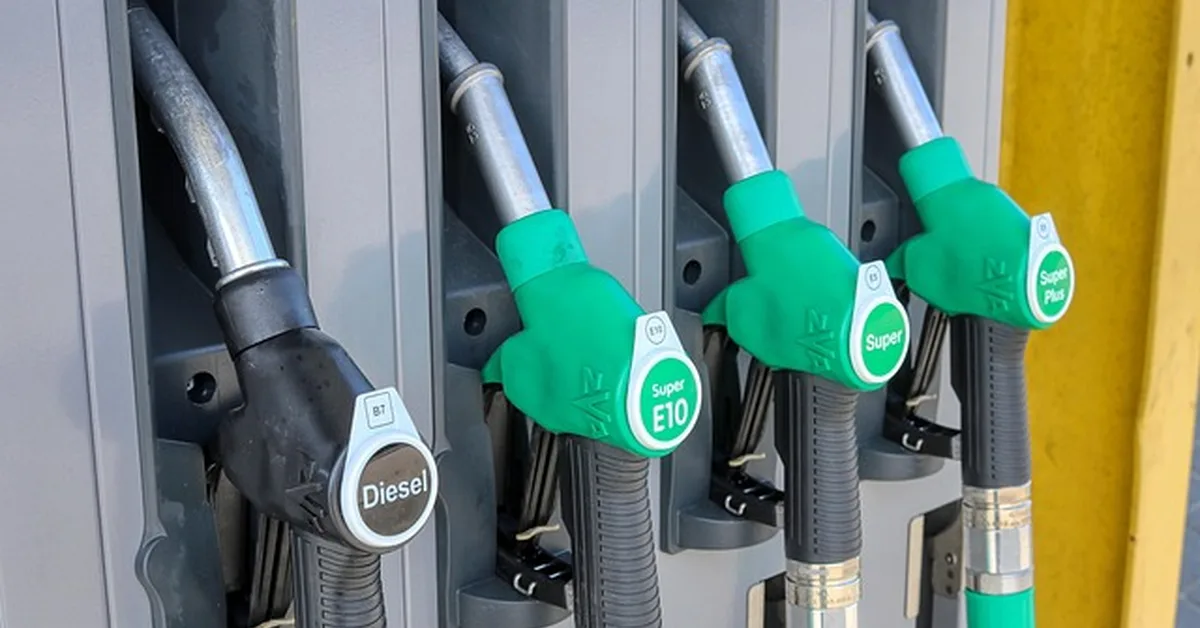
While it is compatible with regular unleaded gasoline, it is not designed to run on unleaded 88 fuel. Unleaded 88, also known as E15, is a blend of 15% ethanol and 85% gasoline. It is not recommended for use in vehicles that are not specifically approved for it, as it may cause engine damage or lead to decreased performance.
So, if you own a Honda Pilot, it is important to stick to unleaded gasoline to ensure optimal performance and avoid any potential issues.
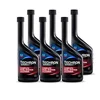
Chevron Techron Concentrate Plus Fuel System Cleaner – $39.98
Can Honda Pilot Use Unleaded 88?
Unleaded 88, also known as E85, has become a popular fuel choice for many vehicle owners due to its potential cost savings and environmental benefits. However, when it comes to Honda Pilot owners, there may be some questions regarding the compatibility of this fuel with their vehicle. In this article, we will explore the topic of whether Honda Pilot can use Unleaded 88 and provide valuable insights for those considering this alternative fuel. Read on to learn more!
Understanding Unleaded 88’s Compatibility
Before we delve into the compatibility of Unleaded 88 with Honda Pilot, let’s first understand what Unleaded 88 actually is. Unleaded 88, also known as E85, is a fuel blend consisting of 85% ethanol and 15% gasoline. This high ethanol content makes it a more environmentally friendly alternative to traditional gasoline, as ethanol is produced from renewable sources such as corn or sugarcane. However, it’s important to note that not all vehicles are designed to use this fuel blend.
If you are a Honda Pilot owner wondering whether your vehicle can run on Unleaded 88, you’ll be pleased to know that most Honda Pilot models are not compatible with this fuel type. The reason for this is that Honda Pilot engines are primarily designed to run on gasoline with a lower ethanol content, such as the widely available Unleaded 87. It is crucial to refer to your vehicle’s owner manual or consult with your manufacturer before using any fuel that differs from the recommended type.
Effects Of Unleaded 88 On Honda Pilot
Using Unleaded 88 fuel in a Honda Pilot that is not designed for it can have detrimental effects on the vehicle’s performance and longevity. The high ethanol content in Unleaded 88 can lead to improper combustion, reduced fuel efficiency, and potential damage to engine components. Additionally, using incompatible fuel might void your vehicle’s warranty. Therefore, it is essential to stick to the manufacturer’s recommendations and fill your Honda Pilot with the appropriate fuel type to ensure optimal performance and avoid any costly repairs.
Manufacturer Recommendations
Honda, as the manufacturer of Honda Pilot, provides clear recommendations regarding the fuel type that should be used in its vehicles. According to Honda’s official guidelines, Honda Pilot models are designed to run on Unleaded 87, which is readily available at most fuel stations. This fuel type contains a lower ethanol content and is the recommended choice for Honda Pilot owners.
It’s important to remember that these recommendations are put in place to ensure the best possible performance and longevity of your vehicle. Deviating from the recommended fuel type may result in unintended consequences and potential damage to your Honda Pilot.
In conclusion, Honda Pilot owners should not use Unleaded 88 or E85 fuel in their vehicles unless explicitly approved by the manufacturer. Stick to the recommended Unleaded 87 fuel type to ensure your Honda Pilot performs optimally and to avoid any potential issues or voiding the warranty. If you have any doubts or questions about fuel compatibility, always consult your vehicle’s owner manual or reach out to your manufacturer for guidance.
Safety Considerations
When it comes to using unleaded 88 fuel in your Honda Pilot, it is important to consider the safety implications. While unleaded 88 fuel, also known as E15, is approved for use in many vehicles, including some Honda models, it is essential to understand the potential impact it may have on your Honda Pilot’s engine performance, fuel economy, and long-term consequences.
Impact On Engine Performance
Using unleaded 88 fuel in your Honda Pilot may have consequences for its engine performance. The Honda Pilot is designed to run optimally on regular unleaded gasoline with an octane rating of 87. Unleaded 88 fuel has a higher octane rating, which may cause the engine to run less efficiently. While some vehicles are equipped to handle higher octane fuel without issues, it is advisable to stick to the manufacturer’s recommended octane rating for the Honda Pilot to ensure optimal performance and avoid potential engine problems.
Effect On Fuel Economy
Switching to unleaded 88 fuel in your Honda Pilot may also affect its fuel economy. While the higher octane rating of unleaded 88 fuel may provide some advantages in terms of performance for certain vehicles, it may not necessarily result in improved fuel efficiency in the Honda Pilot. In fact, using a fuel with a higher octane rating than recommended may have minimal to no impact on fuel economy for vehicles that are specifically designed for lower-octane fuel consumption. Therefore, it is important to consider the potential trade-off between increased octane rating and potential impacts on fuel economy when deciding whether to fill up your Honda Pilot with unleaded 88 fuel.
Long-term Consequences
The long-term consequences of using unleaded 88 fuel in your Honda Pilot may vary depending on factors such as the frequency of use and the individual vehicle’s capabilities. Although E15 fuel has been approved for use in certain Honda models, it is essential to consult the owner’s manual or contact your Honda dealership for specific guidance on using unleaded 88 fuel in your Honda Pilot. In some cases, using fuel with a higher octane rating than recommended may void your vehicle’s warranty. Additionally, prolonged use of a fuel type not recommended by the manufacturer may lead to potential engine damage or other long-term issues. It is crucial to consider these factors and make an informed decision regarding the fuel you choose to use in your Honda Pilot.
How to Confirm Your Pilot’s Exact Ethanol Limit
The EPA has approved E15 federally for all gasoline vehicles from model year 2001 onward, so most Pilots fall within that federal approval — but Honda’s own manual for your specific model year is what actually determines whether your engine’s fuel system and warranty coverage are designed around a 10% or 15% ethanol ceiling. Check the fuel section of your owner’s manual or the sticker inside the fuel door; if you can’t find your physical manual, Honda’s owner site lets you look up the digital version by VIN.
Conclusion
To conclude, the Honda Pilot is not designed to run on Unleaded 88, which is a fuel blend containing 15% ethanol. It is recommended to use unleaded gasoline with an octane rating of 87 for optimum performance and fuel efficiency.
Be sure to consult your vehicle’s owner’s manual for the correct fuel requirements, as using the wrong fuel can lead to potential engine damage and performance issues. Stay informed and make the right choice for your Honda Pilot’s fuel needs.
Products related to this article
Sponsored / affiliate links. As an Amazon Associate I earn from qualifying purchases. I may earn additional commission from eligible campaigns.