Can I Insure a Car Without Registration? (State Rules Explained)
Yes — most auto insurers will write a policy on a car that is not yet registered, as long as you can give them the vehicle identification number (VIN) and proof you own or are buying the car. What that policy will not do is let you legally drive the car on public roads. In every state, operating a vehicle without valid registration is illegal, regardless of whether it is insured.
Ten states — Arizona, California, Iowa, Mississippi, New Hampshire, North Dakota, Tennessee, Virginia, Washington, and Wisconsin — will actually let you register a car before you show proof of insurance. Most states work the opposite way: the DMV wants to see an active insurance policy before it will register the car at all. Get that order backward and you can end up stuck between a dealer who will not release the car and a DMV that will not process the paperwork.
This guide covers when you actually need to insure a car before it is registered, which states let you skip the proof-of-insurance step at the DMV, what an insurer will ask for instead of a registration card, and what it really costs you if you drive before both pieces are in place.

Why You Would Need to Insure a Car Before It Is Registered
Insuring a car ahead of registration is not an edge case. It comes up in three common situations.
- Buying a new or used car. Most dealers will not release the vehicle, and most states will not issue a temporary tag, until you can show proof of an active insurance policy. You typically buy that policy the same day, using the VIN from the purchase order, before the car has been titled or registered in your name.
- Reinstating a lapsed or suspended registration. If your registration was suspended for a lapse in coverage, some states require you to file an SR-22 or FR-44 form through an insurer, and carry active coverage, before the DMV will reinstate the registration.
- Protecting a car that is not on the road yet. If a car is sitting in a garage, a driveway, or in transit on a trailer, a comprehensive-only (storage) policy can protect it from theft, fire, or storm damage without registering or driving it. More on this below.
KEEP YOUR PAPERWORK STRAIGHT
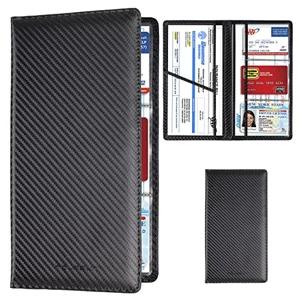 |
TOURSUIT Car Registration & Insurance Card Holder – $7.99 Once you get insurance and registration sorted, an officer or an insurer can still ask you to produce both on the spot — this keeps the current cards together in the glove box instead of loose in a folder.
|
States That Let You Register a Car Without Proof of Insurance First
Most states require an active insurance policy before the DMV will register a vehicle. A handful of states reverse that order, either because they allow other forms of financial responsibility or because they simply do not check insurance status at the registration counter.
| State | Can You Register Before Insurance? | What to Know |
|---|---|---|
| Arizona | Yes | Registration does not require proof of insurance up front, but you still need coverage to drive legally. |
| California | Yes, temporarily | You can register without insurance, but you must show proof within 30 days or the registration can be flagged. |
| Iowa | Yes | No proof of insurance is required at registration, though driving without it is still illegal. |
| Mississippi | Yes | Registration is not tied to proof of insurance at the counter. |
| New Hampshire | Yes | One of only two states that does not require car insurance to drive at all, if you can show other proof of financial responsibility. |
| North Dakota | Yes | Insurance is legally required to drive but is not enforced or verified through the DMV at registration. |
| Tennessee | Yes | Registration does not require proof of insurance up front. |
| Virginia | Yes | The other state that lets drivers skip insurance entirely by paying an uninsured motor vehicle fee instead. |
| Washington | Yes, with conditions | You can substitute a $60,000 liability bond, a certificate of deposit, or self-insurance (26+ vehicles) for a standard policy. |
| Wisconsin | Yes | Registration is not conditioned on showing proof of insurance. |
Even in these states, insurance is still legally required to actually drive the car (with New Hampshire and Virginia as the two real exceptions). Skipping the DMV insurance check just means the state is not verifying it at that specific moment — a police officer or an accident report will still ask for proof.
What Insurers Ask for Instead of a Registration Card
An insurance company does not need your registration to write a policy. What it needs is enough information to identify the car and confirm you have a legitimate interest in it. Expect to provide:
- The vehicle identification number (VIN). This is the single most important piece of information; it tells the insurer the exact make, model, year, and trim so it can price the policy correctly.
- Proof of ownership or purchase. A bill of sale, a purchase order from a dealer, or an existing title works.
- A valid driver’s license for every driver who will be listed on the policy.
- An address where the car is garaged — this affects your rate even before you drive the car anywhere.
- In some cases, a VIN verification or a physical inspection, especially for a car that was previously titled out of state, rebuilt, or imported.

Comprehensive-Only (Storage) Coverage vs. a Full Policy
If the car is not being driven at all — it is sitting in storage, waiting on parts, or in transit — you generally do not need full liability coverage. A comprehensive-only policy, sometimes called storage insurance, covers non-collision risks like theft, fire, vandalism, falling objects, and weather damage while the car is parked and off the road. Because it excludes liability and collision coverage, it typically costs noticeably less than a standard policy.
This is different from non-owner car insurance, which is a separate product for people who do not own any vehicle but occasionally drive one they do not own, such as a rental or a friend’s car. Non-owner insurance provides liability coverage for that borrowed driving; it is not the right fit if you personally own the unregistered car sitting in your driveway. If you own the car, ask your insurer specifically for comprehensive-only or stored-vehicle coverage instead.
The Real Risk of Driving Before You Are Registered and Insured
Having a policy in hand does not cover you the moment you pull an unregistered car onto a public road. Two separate problems stack on top of each other:
- Legal penalties for the registration violation. Police can stop and cite you, fine you, and in many states impound the vehicle on the spot. Some states add points to your license for a repeat offense.
- A claim denial from the insurer. Most policies require the vehicle to be legally registered as a condition of coverage. If you are in an accident while driving unregistered, the insurer can deny the claim entirely, leaving you personally responsible for the other driver’s medical bills, vehicle repairs, and your own damages.
A denied claim after an at-fault accident is not a small bill. Even a moderate injury claim can run into the tens of thousands of dollars, and without coverage, that debt is yours alone. It is also common for a lapse or a denied claim to raise your premiums for years afterward once you do get properly insured.
How to Get Insured and Registered, Step by Step
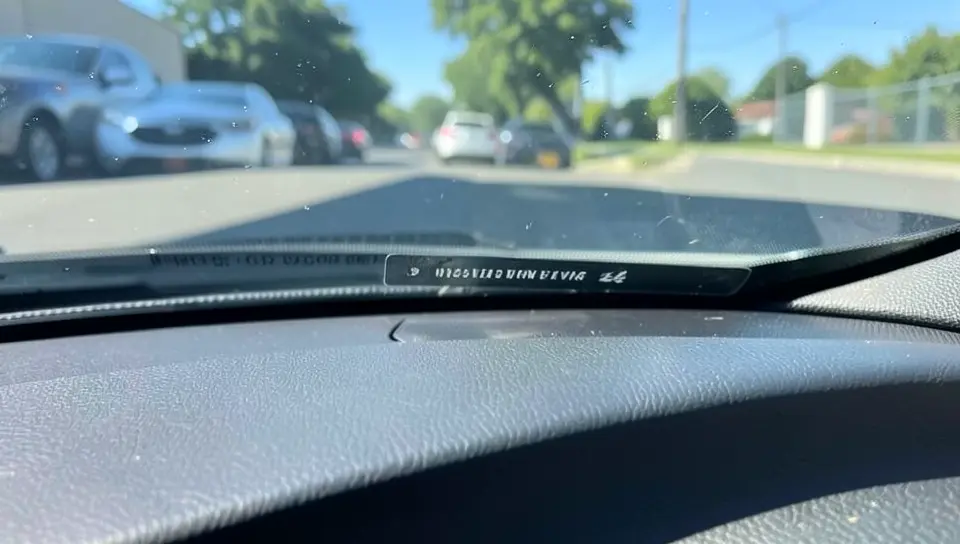
- Get the VIN. Pull it from the purchase paperwork, the dashboard, or the driver-side door jamb.
- Call or quote online with your insurer and ask specifically about insuring an unregistered vehicle; not every representative volunteers this option unprompted.
- Provide proof of ownership — a bill of sale, purchase order, or existing title — along with your driver’s license.
- Bind the policy and get your insurance ID card or digital proof of insurance.
- Take the insurance proof, the title or bill of sale, your ID, and any state-required inspection paperwork to the DMV to complete registration.
- Confirm both documents are current before you drive the car anywhere on a public road.
Frequently Asked Questions
Can I insure a car that is not registered?
Yes. Most insurers will write a policy using the VIN and proof of ownership even before the car is registered. This is common right after buying a car, since a registration usually cannot be finished until insurance is already in place.
Which states let you register a car without insurance first?
Arizona, California, Iowa, Mississippi, New Hampshire, North Dakota, Tennessee, Virginia, Washington, and Wisconsin do not require proof of insurance at the moment of registration. You are still required to carry insurance to drive legally in all of these except New Hampshire and Virginia.
Does an unregistered car affect my insurance?
It can. Most standard auto policies require the vehicle to be currently registered as a condition of coverage. If you are driving an unregistered car and get into an accident, the insurer can deny the claim, which leaves you paying for damages out of pocket.
What documents do I need to insure an unregistered car?
You typically need the VIN, proof of ownership such as a bill of sale or title, and a valid driver’s license for anyone who will be listed on the policy. Some insurers also ask for a VIN verification or inspection, especially on an out-of-state or rebuilt vehicle.
Can I drive a car that is insured but not yet registered?
No, not on public roads. Registration and insurance are two separate legal requirements. Having one does not substitute for the other, and driving with only insurance in place can still get the car cited, fined, or impounded.
What is comprehensive-only or storage insurance?
It is a reduced policy that covers non-collision risks like theft, fire, and weather damage on a car that is not being driven, without liability or collision coverage. It is meant for a car sitting in storage, not for a vehicle you plan to drive on the road.
Conclusion
Insuring a car before it is registered is not the hard part — most insurers can bind a policy off the VIN and your proof of ownership the same day. The part that trips people up is assuming insurance alone makes the car road-ready. It does not. Registration and insurance are separate legal requirements, and skipping either one puts you at risk of fines, impoundment, or a denied claim after an accident.
Before you turn the key, confirm both documents are current, know which of the two your state checks first, and keep your cards where you can actually find them. Getting the order right takes one phone call to your insurer — getting it wrong can cost you a lot more than that.
Products related to this article
Sponsored / affiliate links. As an Amazon Associate I earn from qualifying purchases. I may earn additional commission from eligible campaigns.
 Auto Car Dent Repair Puller Head Paintless-Dent Repair Removal Kit for Slide Hammer Pulling Tab Adapter Pulling Tabs Car Aluminum-alloy Puller Head Adapter Screw Glue-tabs for Slide Hammer and
 Car Phone Holder for Dashboard, 360° Rotating Phone Mount, Non-Slip Cell Phone Holder for Car, Universal Smartphone Stand for Cars Trucks SUVs ,2