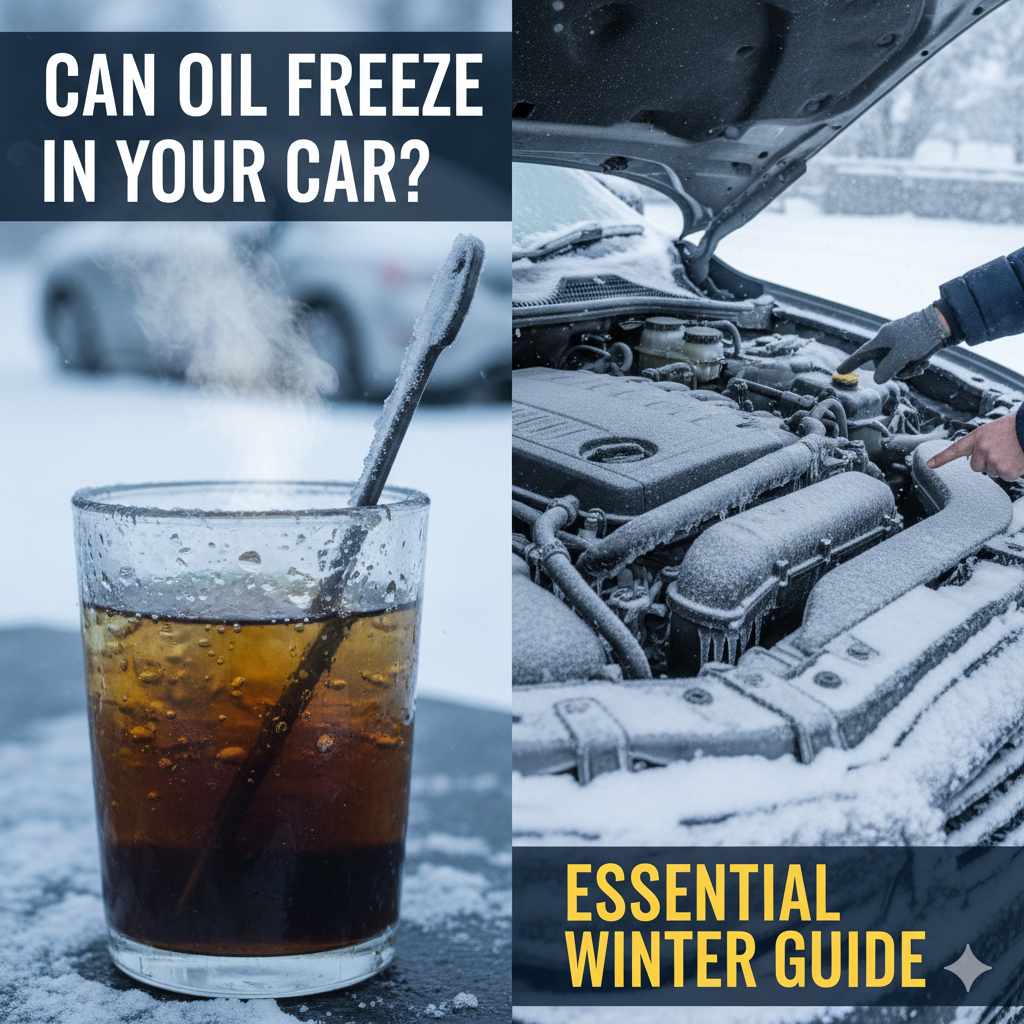
Can Oil Freeze In Your Car: Essential Winter Guide
Yes, car oil can thicken severely and behave as if frozen in extreme cold, leading to engine damage. Using the correct oil viscosity for your climate and ensuring your car is properly maintained are key to preventing these issues and keeping your engine safe all winter.
Winter is a magical time for many, but for car owners, it can bring a unique set of challenges. One common worry is whether something as vital as your car’s oil can actually freeze. It’s a valid concern! When temperatures plummet, the liquids in your car can become sluggish, and oil is no exception. If your engine oil gets too thick or “gums up,” it can’t properly lubricate moving parts, which can lead to serious and expensive engine damage.
But don’t fret! Understanding how cold affects your oil and taking a few simple preventive steps can keep your car running smoothly, no matter how chilly it gets. We’ll walk through exactly what happens, what you can do about it, and how to ensure your car is ready for winter’s worst. Let’s get your car prepared for the cold!
What Happens When Car Oil Gets Too Cold?
Think of engine oil like honey. On a warm day, it flows easily. But if you put that same bottle of honey in the freezer, it becomes thick and difficult to pour. Your car’s engine oil behaves similarly when exposed to freezing temperatures. It doesn’t exactly turn into a solid block of ice like water, but it can become extremely viscous, or thick, to the point where it struggles to move.
This thickening is primarily due to the base oils and additives within the engine lubricant. Different types of oils have different “pour points,” which is the lowest temperature at which oil will flow. When the temperature drops below this point, the oil’s ability to flow significantly decreases. Modern synthetic oils are engineered to perform much better in cold temperatures than traditional conventional oils, meaning they stay thinner and flow more easily.
The critical issue isn’t the oil “freezing” in the traditional sense, but rather its inability to circulate. When you start your car in very cold weather, the oil pump needs to pick up oil from the oil pan and push it through the engine. If the oil is too thick, the pump can struggle or even fail to move it effectively. This means the engine’s metal parts, like the crankshaft, camshaft, and pistons, don’t get the protective film of lubrication they need. Without this lubrication, friction increases dramatically, causing metal-on-metal contact. This can lead to scratching, scoring, and severe wear on these vital components, potentially causing catastrophic engine failure.
Even if the oil can eventually flow, a delayed flow means the engine is running “dry” for precious seconds or even minutes during startup. This initial cold start is the most damaging period for engine wear, and extreme cold exacerbates this problem significantly. It’s like trying to run a marathon without taking a sip of water – your body (or in this case, your engine) will suffer from dehydration and stress.
Understanding Oil Viscosity: Your Winter Lifesaver
The key to understanding how oil behaves in the cold, and how to prevent problems, lies in its viscosity. Viscosity is simply a measure of a fluid’s resistance to flow. A low-viscosity fluid, like water, flows easily. A high-viscosity fluid, like molasses, flows slowly. Engine oil needs to have just the right viscosity to lubricate effectively across a wide range of temperatures.
Oil viscosity is rated using the Society of Automotive Engineers (SAE) scale. You’ll see numbers like 5W-30 or 10W-40 on oil bottles. Let’s break that down:
- The “W” stands for Winter. This indicates how the oil performs in cold temperatures.
- The first number (e.g., 5W) represents the oil’s viscosity at cold temperatures. A lower number means the oil is thinner and flows better when cold. So, 0W oil is thinner than 5W oil, and 5W oil is thinner than 10W oil.
- The second number (e.g., 30) represents the oil’s viscosity at normal engine operating temperatures (around 212°F or 100°C). A higher number means the oil is thicker at operating temperature.
For example, 5W-30 oil is thinner at cold starts than 10W-30 oil. This is crucial because the biggest risk in winter is the oil being too thick on start-up. The “W” rating tells you how well it will flow in the cold.
Why a Lower “W” Number is Better for Winter
In extremely cold climates, choosing an oil with a lower “W” number is highly recommended. For instance, in regions where temperatures frequently drop below 0°F (-18°C), an oil like 0W-20 or 0W-30 is often a better choice than a 10W-30. This is because the oil with the lower “W” rating will remain significantly thinner and flow more readily to vital engine parts during a cold start.
Consult your car’s owner’s manual for the recommended oil viscosity grades for your specific vehicle and climate. Manufacturers specify these grades to ensure optimal engine performance and longevity. Using the correct viscosity can make a world of difference in how your car starts and runs in freezing conditions.
Signs Your Oil Might Be Too Cold or Experiencing Issues
While it’s uncommon for modern cars using the correct oil to have their oil completely freeze solid like ice, you might notice certain behaviors that indicate the oil is struggling in the cold. These are often precursors to more serious problems.
Slow Engine Crank: When you turn the key or push the start button, the engine might crank (turn over) much slower than usual. This is a classic sign that the starter motor is struggling to turn the engine because the oil is thick and causing increased resistance. This is often the first subtle clue that your oil viscosity might not be ideal for the current temperature.
Engine Knocking or Ticking Noises on Startup: If you hear unusual knocking, ticking, or grinding sounds immediately after starting your engine on a cold morning, it’s a serious warning. These noises often indicate that metal parts are not getting enough lubrication right away. The noise occurs because the metal components are briefly rubbing against each other without the protective oil film.
Oil Pressure Warning Light: The most alarming sign is your oil pressure warning light coming on. Modern cars have sensors that monitor the oil pressure. If the oil is too thick to flow properly, the pressure can drop significantly. If this light illuminates, pull over safely as soon as possible and turn off the engine. Driving with low oil pressure can cause irreversible engine damage.
Check Engine Light: In some cases, the “Check Engine” light might illuminate. While this can be triggered by many issues, persistent cold weather operation with poor oil flow could eventually trigger a sensor related to engine performance or lubrication, leading to this light.
Sluggish Performance: Your car might feel less responsive or sluggish when you first start driving. This can be due to the engine working harder against the thickened oil and the lack of instant power delivery because lubrication isn’t optimal.
It’s important to recognize these signs. They are your car’s way of telling you something needs attention. Ignoring them can turn a minor viscosity issue into a major engine repair bill.
Can Oil Change Frequency Affect Cold Weather Performance?
Absolutely! The condition and age of your engine oil play a significant role in how it performs in cold weather. Old, dirty, or degraded oil can lose its lubricating properties and its ability to flow freely. Let’s look at why:
Degraded Oil Loses Its Properties
Over time and with heat cycles, engine oil breaks down. Additives that help keep the oil flowing smoothly at low temperatures and protect against wear can become depleted. Sludge and other contaminants can also build up within the oil, making it thicker and restricting its flow. This degraded oil is much less effective at lubricating your engine, and its performance in cold weather will be significantly worse than fresh, clean oil.
Impact of Sludge Buildup
Sludge is a thick, tar-like substance that forms when oil degrades, mixes with dirt and moisture, and fails to be cleaned out by regular oil changes. In cold weather, this sludge can become even more viscous, acting like a solid barrier. If sludge accumulates in the oil pan or oil passages, it can block the oil pump pickup screen or even the passages themselves, starving parts of the engine of oil. This is a direct route to severe engine damage.
Using the Wrong Type or Grade of Oil
This goes back to viscosity. If you’ve been using an oil that is too thick for your climate (e.g., 10W-40 when 5W-30 is recommended for winter), you’re essentially making it harder for your engine to start and lubricate itself in the cold. Even if the oil is new, if its viscosity rating isn’t suitable for the sub-freezing temperatures, it will thicken like any other oil, but potentially to a greater degree relative to its intended use.
Manufacturers’ Recommendations are Key
Your car’s manufacturer provides detailed maintenance schedules, including recommended oil change intervals and oil viscosity grades. Sticking to these recommendations is crucial. For example, a car requiring an oil change every 5,000 miles might need one sooner if you frequently drive in extremely cold conditions or for short trips where the engine doesn’t reach full operating temperature, leading to condensation and faster oil breakdown.
To ensure your car is ready for winter, it’s wise to check your oil level and condition before the first major freeze. If your car is due for an oil change, or if you’ve been neglecting maintenance, now is the perfect time to get it done with the correct, winter-appropriate oil. This proactive step is one of the most effective ways to protect your engine from cold-weather hazards.
Can You Prevent Your Car’s Oil From Freezing?
Yes, you absolutely can! The good news is that preventing oil-related winter issues is straightforward and involves a combination of smart choices and regular maintenance. Here’s what you can do:
1. Use the Correct Oil Viscosity
This is the most critical step. Always refer to your vehicle’s owner’s manual for the recommended oil viscosity grade for your climate. If you live in a cold region where temperatures regularly drop well below freezing, opt for an oil with a lower “W” number. For example, if your manual lists 5W-30 and 10W-30 as acceptable, but you experience consistent sub-zero temperatures, 5W-30 will provide much better cold-weather flow.
Example Viscosity Chart (General Guidance – Always check your owner’s manual)
| Typical Extreme Cold Temperatures (Fahrenheit) | Recommended “W” Viscosity | Example Oil Grades |
|---|---|---|
| Above 0°F | 5W | 5W-30, 5W-20 |
| -10°F to -30°F | 0W | 0W-30, 0W-20 |
| Below -30°F | 0W (or consult manual for specialized winter oils) | 0W-10, 0W-15 (check availability and manual) |
Note: Higher second numbers (e.g., 30, 40) denote thicker oil at operating temperature. Lower numbers are generally better for fuel economy. Always prioritize your owner’s manual’s recommendation.
2. Opt for Synthetic Oil
Synthetic oils are engineered to perform much better in extreme temperatures than conventional oils. They have a more uniform molecular structure, which means they resist thickening in the cold and resist breaking down at high temperatures more effectively. While synthetic oil is typically more expensive upfront, its superior performance, longer life, and better protection can save you money and prevent costly repairs in the long run, especially in harsh climates.
3. Maintain Regular Oil Changes
Stick to your car’s recommended oil change schedule, found in your owner’s manual. If you frequently drive in extreme cold, make short trips, or notice your oil looks dark or dirty, consider changing it slightly more often. Fresh, clean oil with all its protective additives will always perform better in the cold than old, degraded oil.
4. Check Your Oil Level Regularly
Ensure your oil level is always within the recommended range. While low oil levels don’t directly cause freezing, an inadequate amount of oil means less lubricant to circulate, and any thickening that occurs will have a more pronounced negative effect on engine protection. Low oil also means the engine is working harder, which can hasten oil degradation.
5. Utilize Engine Block Heaters (If Applicable)
For those living in extremely cold regions, an engine block heater is an invaluable tool. This device heats the engine block and the oil itself, ensuring the oil is warm and flows freely even before you start the car. Many modern vehicles in cold climates come with them installed. If yours doesn’t and you experience severe cold, consider having one installed. You typically plug it into a standard electrical outlet overnight.
6. Use an Oil Pan Heater
Similar to a block heater, an oil pan heater directly warms the oil in the oil pan. This can be a more targeted approach to ensuring oil flow from the very bottom.
7. Drive Your Car Regularly (If Possible)
If your car sits idle for extended periods in freezing temperatures, the oil can settle and become cold and thick in the pan. If possible, driving the car at least once a week for a sufficient duration (long enough for the engine to reach normal operating temperature) helps keep the oil circulating and free of condensation buildup.
By following these guidelines, you can dramatically reduce the risk of oil-related engine problems during the winter months and ensure your car is reliable and safe.
What to Do If You Suspect Oil Freeze-Up or Thickening
If you notice any of the signs mentioned earlier – such as a slow engine crank, knocking noises on startup, or an oil pressure warning light – it’s crucial to act quickly. Here’s a step-by-step approach:
- Turn Off the Engine Immediately: If the oil pressure light comes on, or if you hear alarming noises after starting, the very first thing you should do is turn off the engine. Continuing to run the engine without proper lubrication can cause immediate and severe damage.
- Allow the Engine to Warm Up Naturally (If Safe): If the issue seems to be extreme thickening rather than a complete lack of oil (e.g., slow crank, no warning lights but sluggishness), the best course of action is often to let the car sit and allow the ambient temperature to slowly warm the oil naturally. Do NOT try to force the oil to warm up by revving the engine.
- Use an Engine Block Heater (If Available): If you have an engine block heater and suspect thickening, plug it in for a few hours. This will gradually warm the oil and make it more fluid, making it easier for the oil pump to circulate it.
- Check the Oil Level: While this might not be the primary cause of thickening, it’s always a good idea to ensure your oil level is correct once the engine has had a chance to cool slightly. Add oil if needed, but remember this won’t fix the viscosity issue if it’s too thick for the temperature.
- Consider Professional Assistance: If you’re unsure about the situation or if the problem persists even after allowing the car to warm up, it’s time to call a mechanic. They can assess the oil condition, check for any damage, and recommend the appropriate steps. They might suggest a tow to prevent further damage.
- Consult Your Owner’s Manual: Your owner’s manual is the ultimate guide for your specific vehicle. It will often contain advice on dealing with cold weather issues or the correct oil viscosity for your operating environment.
Short-Term Fixes vs. Long-Term Solutions
It’s important to understand that most of these “fixes” are temporary measures to mitigate immediate issues. If your oil is consistently too thick for the ambient temperature, the real long-term solution is to switch to the correct oil viscosity for winter. For example, if you’ve been using 10W-30 and your car is struggling in 0°F weather, you should plan to change to a 5W- or 0W- rated oil as soon as possible. Similarly, if sludge is suspected, a professional engine flush and a high-quality oil change (potentially synthetic) might be necessary.
Never pour hot water directly onto frozen engine components, and avoid using a blowtorch or other open flames, as this can cause damage. Patience and the correct preventative measures are your best friends in cold weather car care.
Choosing the Right Oil for Winter: Synthetic vs. Conventional
When preparing your car for winter, one of the most significant decisions you can make is the type of oil you use. The choice between synthetic and conventional oil can have a profound impact on your engine’s performance and longevity in frigid temperatures. While conventional oil has been the standard for decades, synthetic oil offers superior benefits, especially during the harsh winter months.