Can You Put 87 in a BMW? What the Owner Manual Requires
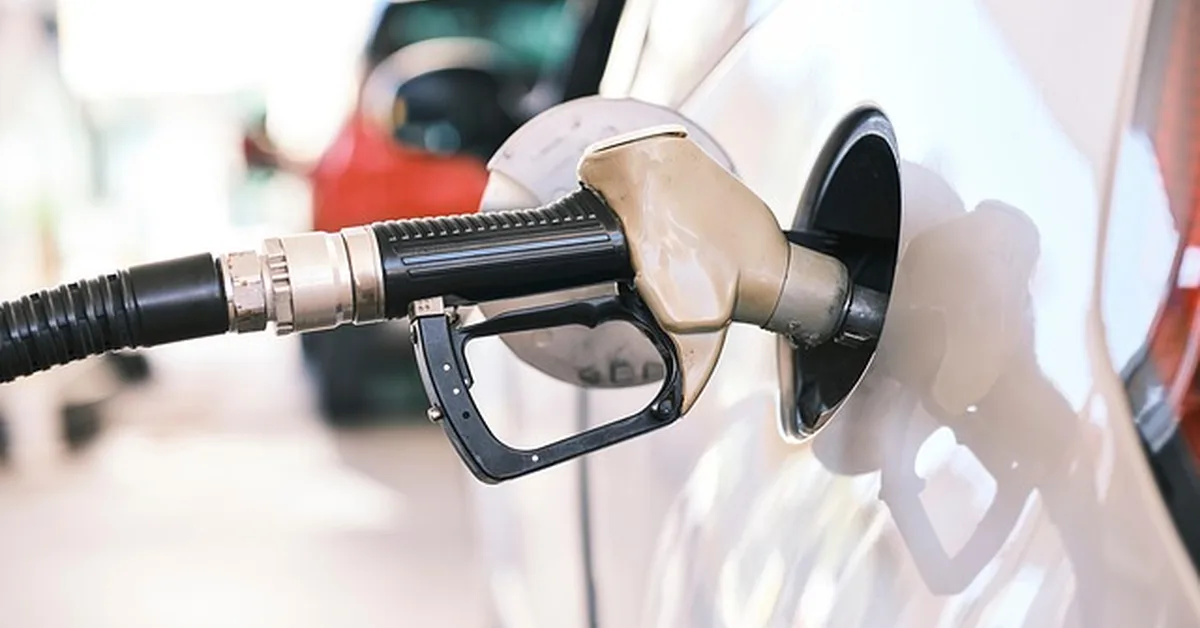
You can, but 87 octane is actually below BMW’s stated minimum for nearly all of its gasoline engines. BMW specifies premium fuel with a minimum of 91 octane (93 recommended), not 87 — the vehicle will run, but not compliant with the requirement listed in your owner’s manual.
BMW’s advanced engines may benefit from using premium gasoline with a higher octane rating, which can improve overall engine performance and reduce the risk of knocking or pinging. Higher octane fuels typically have better detergency properties and can help keep your BMW’s fuel system cleaner over time.
It’s always a good idea to consult your owner’s manual or check with your BMW dealer for the recommended fuel type for your specific model. Using the appropriate fuel can help ensure optimal performance and longevity for your BMW.
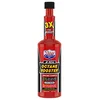
Lucas Oil Octane Booster – $8.84
Understanding Fuel Octane Ratings
When it comes to fueling your BMW, understanding fuel octane ratings is crucial for optimal performance and engine health. Octane ratings refer to the measure of a fuel’s ability to resist knocking or pinging during combustion. The higher the octane rating, the more resistant the fuel is to premature ignition.
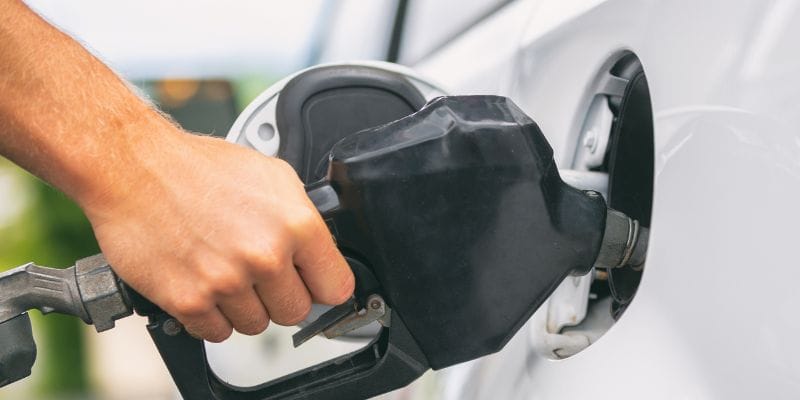
What Octane Rating Means
Octane rating is a standardized measurement that indicates the fuel’s resistance to pre-ignition. It measures the fuel’s composition and its ability to withstand compression without igniting prematurely. Typically, octane ratings range from 87 to 93, with higher numbers signifying higher resistance to knocking.
Using a low octane fuel in a high-performance car like a BMW can lead to engine knocking. Knocking is the sound of uncontrolled fuel burning and can cause damage to the engine over time. To prevent this, it’s important to understand the effects of using different octane levels in your vehicle.
Effects Of Using Different Octane Levels In Vehicles
The octane level you use in your BMW can have a significant impact on its performance. Here are the effects of using different octane levels:
- Using a higher octane fuel: Premium or high-octane fuel (91 or 93 octane) is recommended for most BMW models. Using a higher octane fuel than prescribed can improve engine performance, especially during high-load or high-speed driving situations. It minimizes knocking and pinging, resulting in smoother acceleration and better fuel efficiency.
- Using a lower octane fuel: While it may be tempting to opt for regular 87-octane fuel due to its lower price, it can have negative consequences for your BMW. Lower octane fuel has a higher tendency to ignite prematurely. This can cause knocking, decreased power output, reduced fuel efficiency, and potential long-term damage to your engine.
To ensure your BMW performs at its best and to protect your investment, it’s essential to follow the recommendations from car manufacturers.
Recommendations From Car Manufacturers
BMW, like many other car manufacturers, provides guidance on the recommended octane level for their vehicles. By following their guidelines, you can maintain your BMW’s performance and avoid potential engine issues. For most BMW models, using premium unleaded fuel with an octane rating of 91 or higher is recommended.
Consult your BMW owner’s manual or contact your local BMW dealership for specific octane recommendations for your particular model. Following these recommendations will ensure your vehicle operates efficiently, providing you with a smooth and enjoyable driving experience.
Debunking Common Fuel Myths
When it comes to fueling our vehicles, there are plenty of rumors and myths floating around. These myths often lead to confusion and uncertainty about what type of fuel is best for our cars. In this article, we are going to debunk some common fuel myths to help you make informed decisions about fueling your BMW.
Myth: Using A Higher Octane Fuel Improves Performance
One of the most common myths about fuel is that using a higher octane rating will enhance your BMW’s performance. However, this is not necessarily true. The octane rating represents a fuel’s ability to resist engine knocking or pinging, not its power potential. Put simply, using a higher octane fuel won’t magically boost your car’s horsepower.
Modern BMW engines are designed to work optimally with the specified octane rating recommended by the manufacturer. Using a higher octane fuel than recommended by BMW won’t provide any noticeable performance gains. It would only be a waste of money since premium fuels tend to be more expensive than regular unleaded fuel.
Myth: Lower Octane Fuel Damages The Engine
On the other end of the spectrum, there is a myth that using a lower octane fuel will harm your BMW’s engine. While it is true that using a fuel with an octane rating lower than the recommended rating can potentially cause knocking, most modern vehicles, including BMWs, have engine control systems that can adjust to prevent severe damage.
The engine control unit (ECU) in your BMW is designed to adapt to different fuel grades and operating conditions. It can adjust ignition timing and other parameters to compensate for lower octane fuels, minimizing the risk of engine damage. However, it is still advisable to follow the recommended octane rating for optimal performance and efficiency.
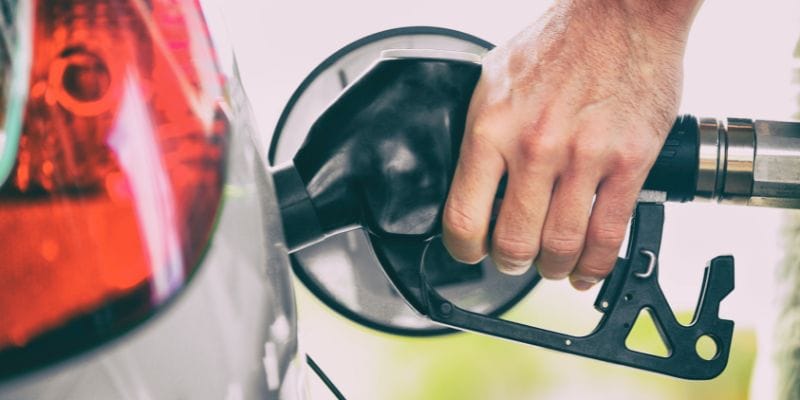
Myth: Mixing Different Octane Fuels Is Harmful
There is a misconception that mixing different octane fuels, such as combining regular unleaded fuel with a premium fuel, can lead to engine problems. Thankfully, this is just another myth. Mixing different octane fuels in your BMW’s fuel tank is generally safe and won’t cause any significant issues.
The fuel system in your BMW is designed to handle a range of fuel octane levels. In fact, many fuel stations offer blended fuels with different octane ratings. If you find yourself with a partially filled tank and need to top it off with a different octane-rated fuel, there is no need to worry. Your engine will adapt to the mixed fuel without causing any harm, just as it does when you drive on a combination of fuel grades during refueling.
Myth: Premium Fuels Are Always Better
Lastly, the myth that premium fuels are always better persists among car owners. While premium fuels do have their advantages in certain situations, they are not always necessary for every BMW. Premium fuel typically has a higher octane rating, but as mentioned earlier, using a higher octane fuel does not necessarily result in improved performance.
If your BMW engine is designed to operate with regular unleaded fuel, using premium fuel won’t provide any notable benefits. Stick to the octane rating recommended by your car manufacturer, as it is specifically tailored to your BMW’s engine requirements.
Does Using 87 Octane Void Your BMW Warranty?
Using 87 octane won’t automatically void your entire BMW warranty, but it does introduce risk on the fuel-related-damage front specifically. If BMW can demonstrate that engine damage was caused by running fuel below the specified octane minimum, they can deny a warranty claim tied to that damage. For daily driving where you occasionally can’t find premium, the knock sensor and ECU timing adjustments described below generally protect the engine from immediate harm — but for consistent, long-term use, sticking to the 91-93 octane range your specific model requires is the safer choice both mechanically and for warranty purposes.
Conclusion
While it may be tempting to opt for 87 octane fuel for your BMW, it is important to consider the long-term effects on your engine’s performance and efficiency. Using the recommended fuel grade, such as 91 or higher, will help optimize your BMW’s performance and prevent potential damage.
Ultimately, it’s worth investing in the proper fuel to ensure your BMW continues to run smoothly for years to come.
Products related to this article
Sponsored / affiliate links. As an Amazon Associate I earn from qualifying purchases. I may earn additional commission from eligible campaigns.