Car AC Making a Hissing Sound? What You Need to Know
Dealing with a Car AC Making a Hissing Sound? Read This is pretty common, especially for folks who aren’t car experts. It can seem confusing, but don’t worry! This sound often points to a specific issue, and fixing it doesn’t always mean a huge repair bill. We’ll break down the common reasons your AC hisses, explain what’s going on, and give you a simple, step-by-step guide to get your cool air flowing again. You’ll soon discover the secrets to a quiet and efficient AC system. Let’s get started.
Why Is My AC Making a Hissing Sound? Common Causes
The hissing sound from your car’s AC is a signal, and it’s essential to listen to what it’s telling you. This noise typically points towards a leak, either in the refrigerant or within the system itself. Another possible culprit is a clogged expansion valve or orifice tube. These components are vital for regulating the flow of refrigerant, and a blockage can create pressure imbalances that lead to a hissing sound. Addressing these issues early can prevent more significant problems and costly repairs down the road.
Refrigerant Leaks and Their Impact
Refrigerant, often called Freon, is the lifeblood of your car’s AC system. It absorbs heat from the car’s interior and releases it outside. When you hear a hissing sound, it often indicates a leak in the refrigerant lines, the condenser, evaporator core, or compressor seals. Refrigerant leaks gradually reduce the AC’s cooling ability, eventually leading to a complete loss of cool air. Small leaks may be difficult to detect initially, but the sound usually gets louder as the leak worsens. This loss can also lead to the compressor overheating and failing, adding to repair expenses.
- Identifying Leak Sources: Visually inspect AC components. Look for oily residue, which indicates a refrigerant leak. Leaks frequently occur at connection points, such as hoses and fittings. A professional mechanic can use specialized equipment to pinpoint leaks accurately.
- Consequences of Refrigerant Loss: A significant refrigerant loss can lead to compressor damage due to lack of lubrication. The compressor relies on refrigerant to circulate lubricating oil throughout the system. Without adequate oil, friction increases, causing the compressor to seize or fail. This repair is much more expensive than fixing a leak.
- Environmental Concerns: Refrigerants can be harmful to the environment if released into the atmosphere. Ensure all repairs are done in compliance with environmental regulations. This might mean having the system evacuated and recharged with new refrigerant by a certified technician.
According to the Environmental Protection Agency (EPA), many refrigerants used in older vehicles have a high global warming potential (GWP). A leak of just one pound of R-134a, for example, has the same environmental impact as releasing over 1,400 pounds of carbon dioxide. This highlights the importance of promptly addressing refrigerant leaks and utilizing proper disposal methods.
Expansion Valve or Orifice Tube Troubles
The expansion valve or orifice tube is responsible for regulating refrigerant flow, transitioning it from a high-pressure, liquid state to a low-pressure, gaseous state. A blockage in either component disrupts the pressure balance within the AC system, often resulting in a hissing sound. This blockage can be caused by debris, contaminants, or the breakdown of components over time. The hissing sound indicates that refrigerant is struggling to flow properly through the restricted area, affecting the AC’s efficiency and cooling ability.
- Blockage Causes: Debris from a failing compressor, rust, or other contaminants in the system can clog the expansion valve or orifice tube. Over time, these components can deteriorate, leading to reduced performance and potential failure.
- Symptoms of a Clogged Valve: Besides hissing, you might notice reduced cooling, uneven air distribution, or a complete lack of cold air. The AC may cool intermittently, only working at certain engine speeds or temperatures.
- Replacement and Cleaning: A clogged expansion valve or orifice tube often needs to be replaced. Mechanics should also flush the AC system to remove any debris and contaminants, preventing future blockages.
In many vehicles, the orifice tube is a low-cost, easily
Condenser Problems and Airflow Issues
The condenser is similar to a radiator; it’s designed to dissipate heat from the refrigerant. If the condenser is blocked, damaged, or has airflow restrictions, it can lead to inefficient cooling and a hissing sound. This can be caused by dirt, leaves, or other debris obstructing the airflow through the condenser fins. A damaged condenser might leak refrigerant, further diminishing its cooling ability. Addressing these problems is important for maintaining the AC system’s performance and preventing costly repairs.
- Condenser Blockage: Regular cleaning of the condenser, typically located at the front of the vehicle, is essential. Use a brush or low-pressure air to remove debris. Avoid high-pressure washers, which can damage the delicate fins.
- Airflow Restrictions: Ensure there are no obstructions, such as plastic bags or other debris, blocking airflow to the condenser. Make certain that the cooling fan is functioning properly, as it helps pull air through the condenser.
- Condenser Damage: Condensers can be damaged by road debris or accidents. If the condenser is leaking or severely damaged, it will need replacement. Inspection for any signs of physical damage is necessary during routine maintenance.
Proper airflow is critical for the condenser’s effectiveness. Studies show that a 20% reduction in airflow can decrease the condenser’s efficiency by up to 30%. This can cause the AC system to work harder, reducing its lifespan and increasing the likelihood of malfunctions.
Diagnostic Steps When Your Car AC Hisses
When you hear a Car AC Making a Hissing Sound? Read This and knowing what to do next will save time, money, and frustration. Early detection and taking the right actions can prevent minor issues from becoming major problems. These steps include a combination of visual inspections, simple tests, and when necessary, professional help to diagnose the root cause and ensure your vehicle’s air conditioning system functions effectively.
Visual Inspection and Simple Checks
Start with a visual inspection. Check the AC components under the hood for obvious signs of trouble. Look for leaks, damage, and unusual wear. This process can often provide preliminary clues about the source of the hissing sound, helping you narrow down potential problems and decide on the next steps. These observations are your first line of defense in identifying issues before they worsen.
- Hoses and Fittings: Inspect all AC hoses and fittings for cracks, leaks, or loose connections. Pay attention to areas where hoses connect to components, as these are common leak points. Tighten any loose connections but avoid over-tightening.
- Condenser and Radiator: Ensure the condenser and radiator are free of debris. Remove any leaves, dirt, or other blockages that restrict airflow. Check for bent fins on the condenser, which can reduce its efficiency.
- Compressor and Clutch: Look at the AC compressor for signs of leaks or damage. Check the clutch to see if it engages and disengages properly when the AC is turned on and off. Check for any unusual noises coming from the compressor itself.
A study of AC repair data reveals that visual inspections often identify the primary cause of AC problems in about 60% of cases. Simple checks, such as inspecting hoses and looking for leaks, are the initial steps, saving time and money by preventing unnecessary repairs.
Testing with the AC System Running
With the AC system running, carefully listen and observe for the hissing sound’s location and intensity. This will give clues about where the problem lies. Also, monitor the AC’s performance: is the air blowing cold, lukewarm, or not at all? These observations, combined with simple tests, can help pinpoint the cause. These tests should be performed cautiously, keeping safety as the top priority.
- Locate the Sound: Pinpoint the source of the hissing sound as closely as possible. Does it seem to come from the engine bay, the dashboard vents, or a specific component? This can help you focus your diagnosis.
- Performance Check: Turn the AC on and feel the air coming from the vents. If the air is not cold, it’s a sign that the refrigerant level is low or there is a problem with the system. If it works intermittently, that points towards a more serious mechanical issue.
- Professional Inspection: If you can’t identify the cause of the hissing sound or if the AC isn’t cooling properly, it’s best to seek help from a qualified mechanic. They will have the tools and experience to diagnose the problem accurately.
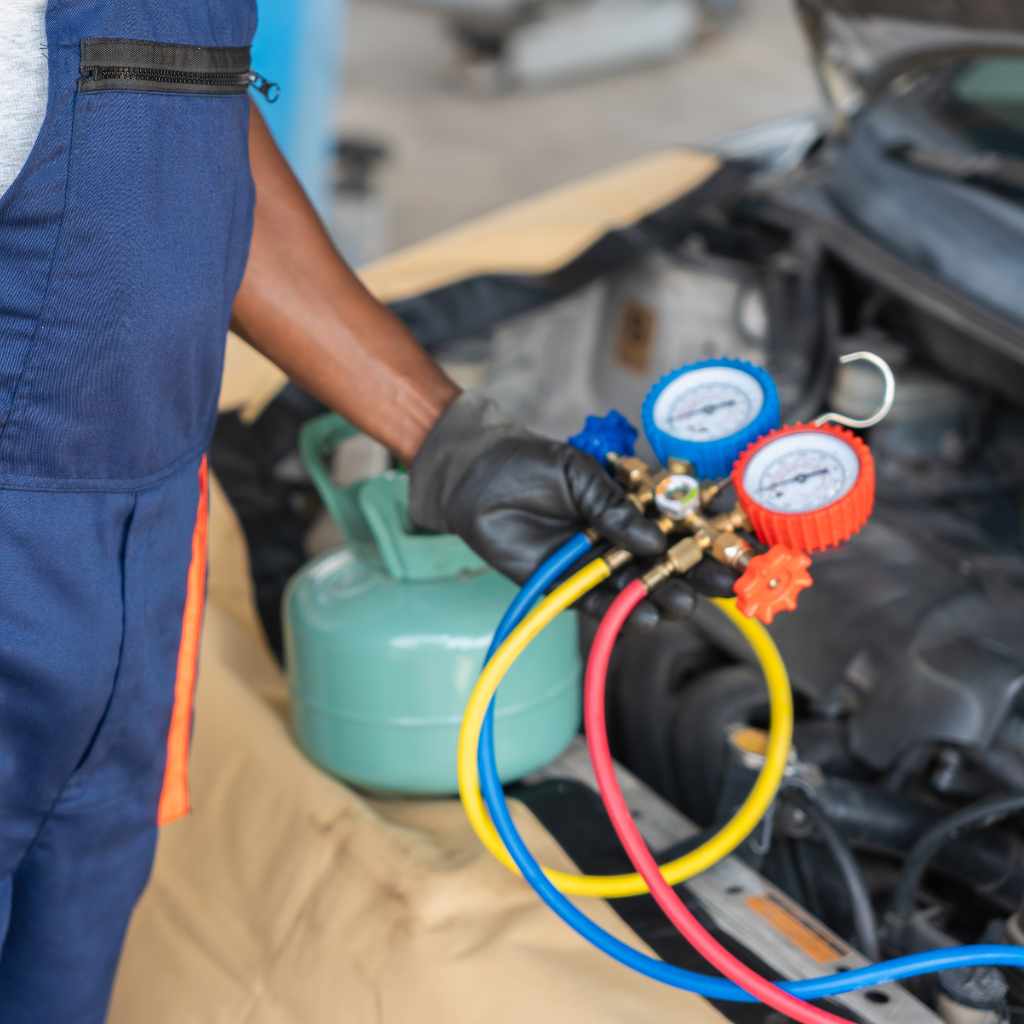
A quick test involves using a pressure gauge to check the refrigerant levels. This process, often done by a mechanic, can determine if the refrigerant level is too low, indicating a leak. This test can be conducted quickly, providing clear information on whether the AC is suffering from a leak.
When to Call a Professional
While some AC problems can be handled by a knowledgeable owner, there are situations where seeking professional help is the best course of action. Trying to repair an AC system without proper equipment can be ineffective and potentially dangerous. Safety, the complexity of AC systems, and the need for specialized equipment all necessitate the expertise of a professional in some scenarios. Knowing when to call a professional protects your car and, more importantly, your well-being.
- Refrigerant Leaks: Identifying and fixing refrigerant leaks often requires specialized equipment and knowledge of refrigerant handling. Repairing these leaks may involve welding, component
- Compressor Issues: If the AC compressor is making unusual noises or failing to engage, the problem can be complex. A mechanic can accurately diagnose compressor issues and make any necessary repairs or replacements.
- Complex Electrical Problems: AC systems have electrical components, including sensors, relays, and the control module. These problems can be difficult to diagnose without specific tools and expertise. Professionals will quickly pinpoint the problem.
The cost of diagnosing and repairing AC problems by a professional varies. However, according to industry data, the average repair cost ranges from $150 to $1,000 or more, depending on the severity of the issue. Seeking professional help often proves to be the most cost-effective solution.
Fixing the Hissing: A Step-by-Step Guide
When you’re faced with a Car AC Making a Hissing Sound? Read This, understanding how to address it is important. While some repairs need professional attention, there are also a few things you might check and even fix yourself. By following these steps, you can save money, learn more about your car, and potentially restore your AC’s cooling power.
Safety First: Preparation and Precautions
Working on your car’s AC system involves potential hazards, mainly refrigerant and electrical components. Proper preparation is essential to ensure your safety and to prevent damage to your vehicle. Never work on an AC system if you’re unsure of what you’re doing. Safety is paramount when you’re exploring any car repair task.
- Eye Protection: Always wear safety glasses or goggles to protect your eyes from refrigerant, debris, and other potential hazards.
- Gloves: Wear gloves to protect your hands from chemicals.
- Ventilation: Work in a well-ventilated area. If refrigerant leaks, ensure there is good airflow to prevent inhaling fumes.
- Disconnect the Battery: Before working on any electrical components, disconnect the car’s negative battery cable to prevent electrical shocks.
Refrigerant can cause frostbite if it comes into contact with skin or eyes. The Occupational Safety and Health Administration (OSHA) requires employers to provide protective equipment for working on AC systems. Ignoring these safety guidelines can lead to serious injuries.
Finding the Leak and Repairing Small Leaks
Pinpointing the leak’s location is the first step toward a fix. Small leaks are manageable with basic tools and some patience. If you’re comfortable with automotive repairs, you can try some troubleshooting on your own. Proper leak detection and repair can often save you from more costly professional services. You must be precise in these steps to avoid a more serious problem.
- Visual Inspection: Examine all AC lines, hoses, and fittings for signs of oil residue, which indicates a leak. Inspect the compressor, condenser, and evaporator for any visible damage.
- Leak Detector: Use an electronic leak detector to pinpoint the exact location of the leak. These devices can detect refrigerant leaks by their smell. This tool is often more sensitive than visual inspection alone.
- Tightening Connections: If the leak is at a fitting, tighten the connection using the appropriate wrench. Be careful not to overtighten, which can damage the fitting.
- Replacing O-Rings: If a fitting leaks, replace the O-rings or seals. They deteriorate over time, causing leaks. These seals can be bought in any auto store.
Data suggests that many AC leaks occur at connection points due to the degradation of O-rings and seals. Replacing these low-cost items can often resolve the issue without needing to
- Scenario 1: Minor Leak at a Fitting: You notice a slight hissing sound and a small amount of oil residue near an AC line fitting. Use a wrench to carefully tighten the fitting. Next, use a leak detector. If the leak stops, recharge the system with refrigerant.
- Scenario 2: O-Ring
When to Seek Professional AC Repair
Not all AC problems are DIY-friendly. Larger leaks, compressor failures, and electrical issues require expert knowledge and equipment. Knowing when to involve a professional saves time, money, and prevents you from causing more damage to your car. Some repairs are just too difficult or dangerous to attempt without the right tools and training.
- Large Leaks: If you see a lot of refrigerant escaping or have a severe leak that you can’t locate with a visual inspection, it’s best to call a professional.
- Compressor Failure: If your compressor is noisy, failing to engage, or showing other signs of failure, a mechanic can diagnose and replace it.
- Refrigerant Handling: Handling refrigerant requires specialized equipment and environmental awareness. Do not try to recharge a system without the right tools and training.
- Electrical Problems: Any electrical issues should be addressed by a professional. This includes faulty sensors, relays, or control modules.
The cost of repairing an AC system varies based on the issue. Data suggests that simple repairs, like replacing a hose or O-ring, can cost between $100 and $300. More complex repairs, like compressor replacement, can cost from $500 to $1,000 or more. Knowing when to call a professional can save money.
Frequently Asked Questions
Question: What does it mean when my car AC hisses?
Answer: A hissing sound typically indicates a refrigerant leak within your AC system, which is leaking. This can lead to reduced cooling performance or even a complete loss of cold air.
Question: Is it safe to drive my car with a hissing AC?
Answer: It’s generally safe to drive, but continued use can lead to further damage to the AC system. It’s best to address the issue as soon as possible to prevent more serious problems and costly repairs.
Question: How do I find a leak in my car’s AC system?
Answer: Look for oily residue on AC components. You can also use a leak detector, which can sniff out escaping refrigerant. A professional can use specialized tools for a more thorough inspection.
Question: What should I do if my car AC is not blowing cold air?
Answer: First, check if the AC compressor is engaging. Then, inspect for any obvious signs of leaks or damage. If you can’t find the source of the problem, consider taking your car to a trusted mechanic.
Question: How much does it cost to repair a hissing AC?
Answer: The cost of repair depends on the issue. Fixing a leak might cost a few hundred dollars. Replacing a compressor will be much more expensive, sometimes costing over a thousand dollars.
Final Thoughts
When you hear a Car AC Making a Hissing Sound? Read This, don’t panic. This sound usually points to a refrigerant leak or an issue with a pressure regulating part. Early diagnosis is key. Start with a visual inspection, checking for leaks around connections and components. Then, listen carefully when the AC is running to pinpoint the sound’s origin. Many times, you can resolve the issue by tightening connections or replacing O-rings. If you’re dealing with larger leaks, compressor problems, or electrical troubles, don’t hesitate to bring your car to a mechanic with the appropriate tools. Addressing these issues will keep your car’s AC functioning correctly and save you from possible troubles. With a little care and attention, you can keep your car cool and comfortable.